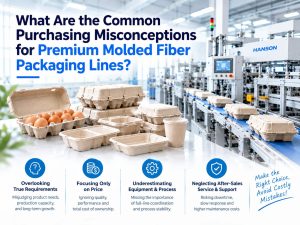
With the global implementation of “plastic bans” and the rising demand for sustainable solutions, Pulp Molding (also known as Molded Fiber) has emerged as a frontrunner in the packaging industry. Renowned for being 100% biodegradable, highly protective, and versatile, it is rapidly replacing traditional plastics across various sectors.
For many businesses, pulp molding remains a specialized field. This article provides a deep dive into its definition, raw materials, manufacturing processes, key characteristics, and wide-ranging applications.
1. What is Pulp Molding?
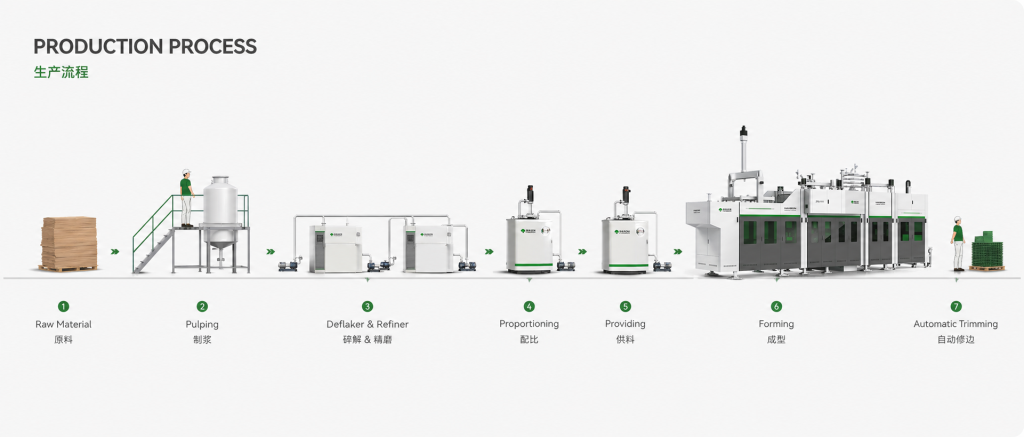
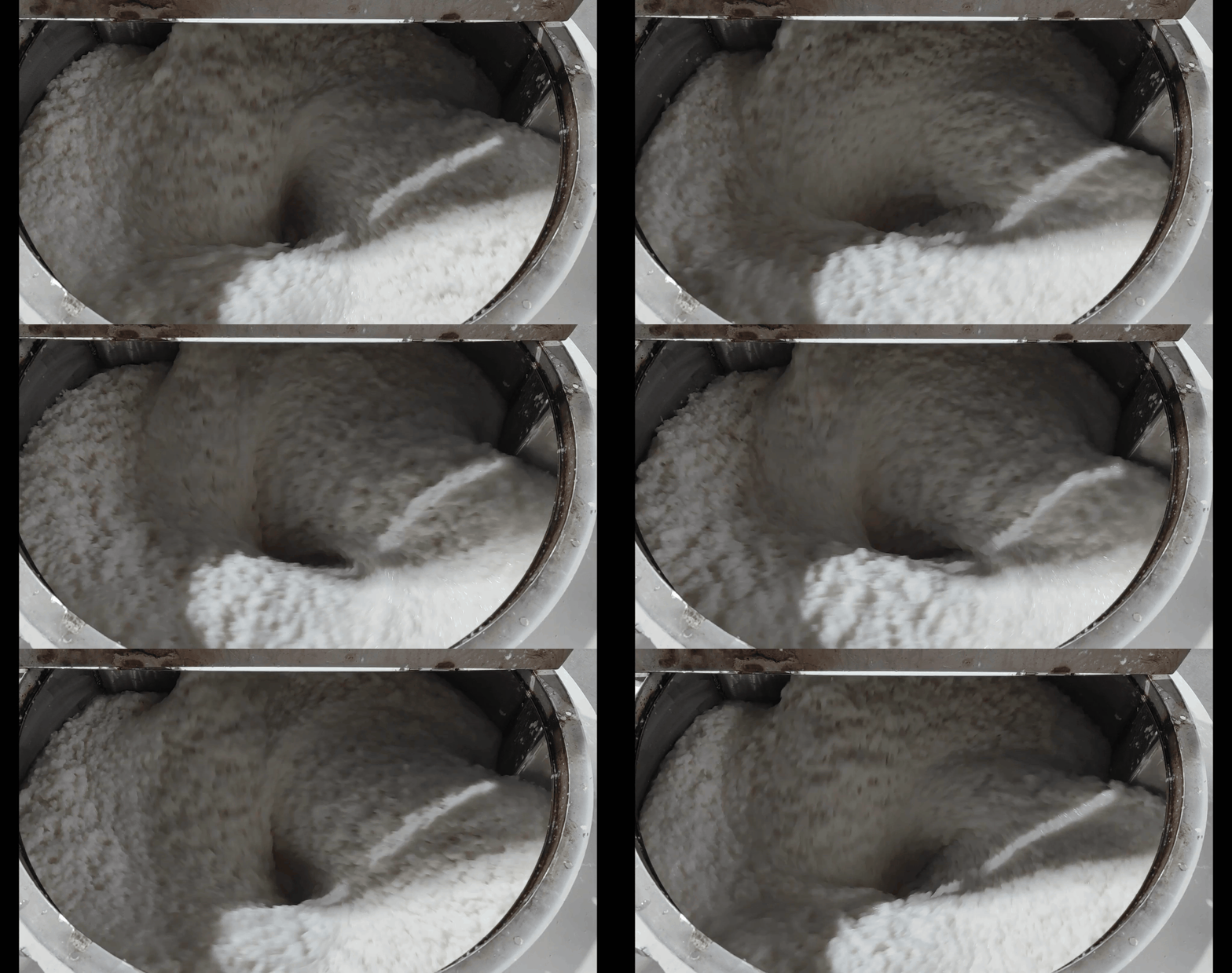
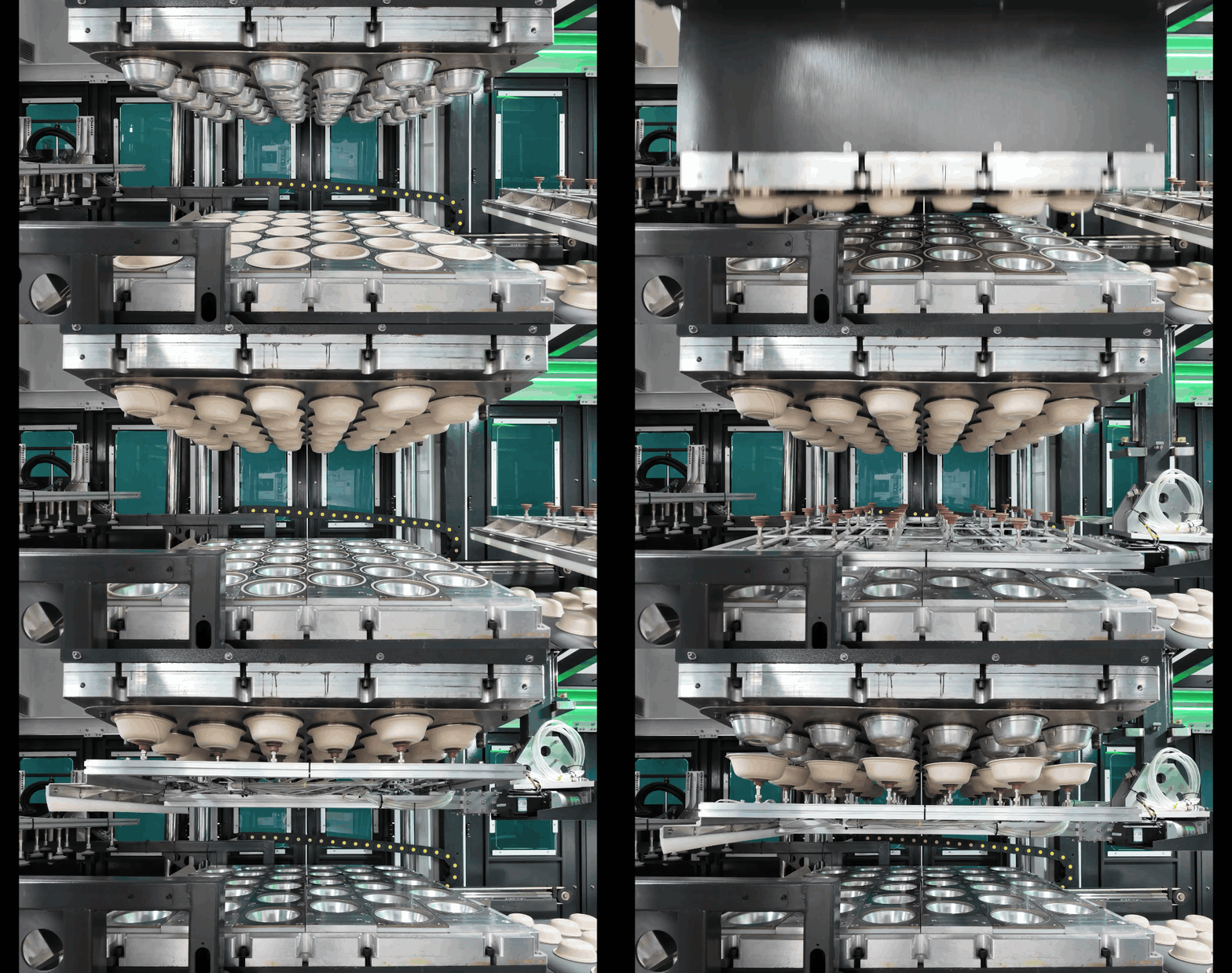
Pulp molding is a “3D papermaking” technology. It utilizes plant fibers (such as wood pulp, sugarcane bagasse, or bamboo) or recycled paper as raw materials. These fibers are processed into a specific concentration of slurry, which is then formed into various three-dimensional shapes using specialized CNC molds through vacuum suction. The products undergo drying and hot-press shaping to achieve their final form.
In essence, it is the process of “sculpting” fiber into functional packaging that fits the contours of any product.

2. Types of Raw Materials
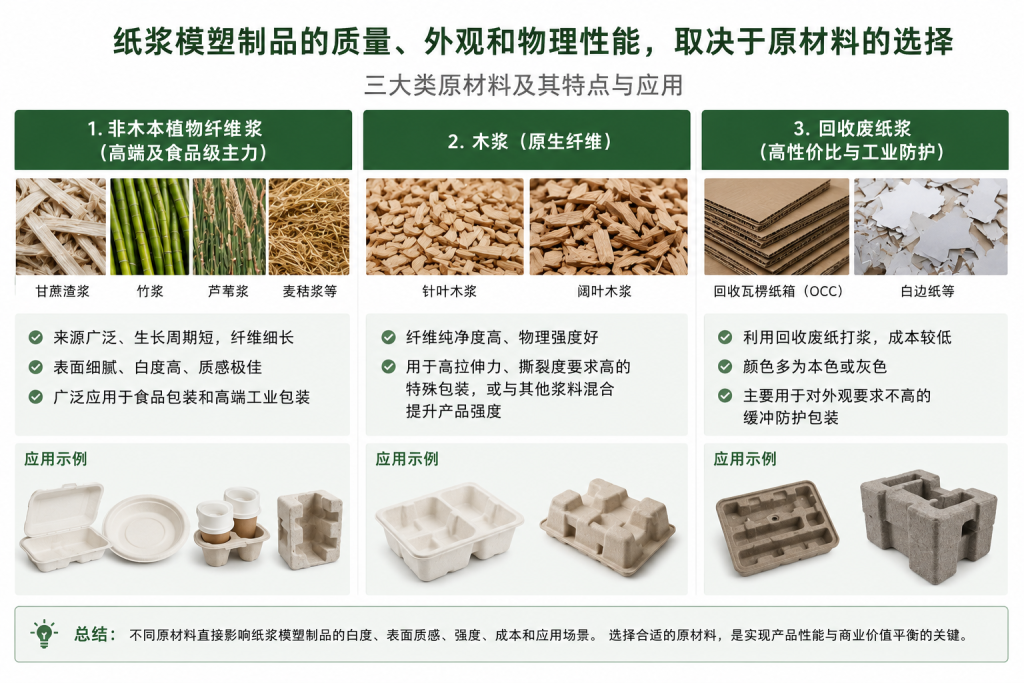
The quality and performance of molded fiber products depend heavily on the source of the fiber. There are three primary categories:
-
Non-Wood Plant Fiber (High-End & Food Grade): This includes sugarcane bagasse, bamboo, reed, and wheat straw. These fibers are sustainable, fast-growing, and produce a smooth, high-brightness finish. They are the preferred choice for food-grade packaging and premium industrial interiors.
-
Wood Pulp (Virgin Fiber): Derived from coniferous or deciduous trees, wood pulp offers high purity and physical strength. It is typically used for high-performance packaging that requires superior tensile and tear resistance.
-
Recycled Paper Pulp (Cost-Effective & Protective): This utilizes recycled corrugated containers (OCC), old newspapers (ONP), or white paper offcuts. While cost-effective, it results in a more rustic, gray, or natural finish, making it ideal for heavy-duty protective packaging.
-
3. Classification of Production Processes
The method of dehydration and drying determines the final appearance and application of the product. The industry primarily focuses on two processes: Dry Pressing and Wet Pressing.
-
Dry Pressing: After the wet pulp is formed on the mold, it is transferred to a drying tunnel or oven. Once dry, it undergoes a final hot-press for shaping. Dry-pressed products are typically thicker with a slightly textured surface, offering excellent cushioning and cost-efficiency—ideal for agricultural and basic protective use.
-
Wet Pressing: This is the gold standard for premium packaging. The wet preform is transferred directly into high-temperature heated molds, where dehydration, drying, and shaping occur simultaneously under high pressure. This results in thin-walled, smooth, and highly precise products (0.8mm–1.5mm) that offer a sophisticated, plastic-like finish.
4. Key Characteristics of Pulp Molding
-
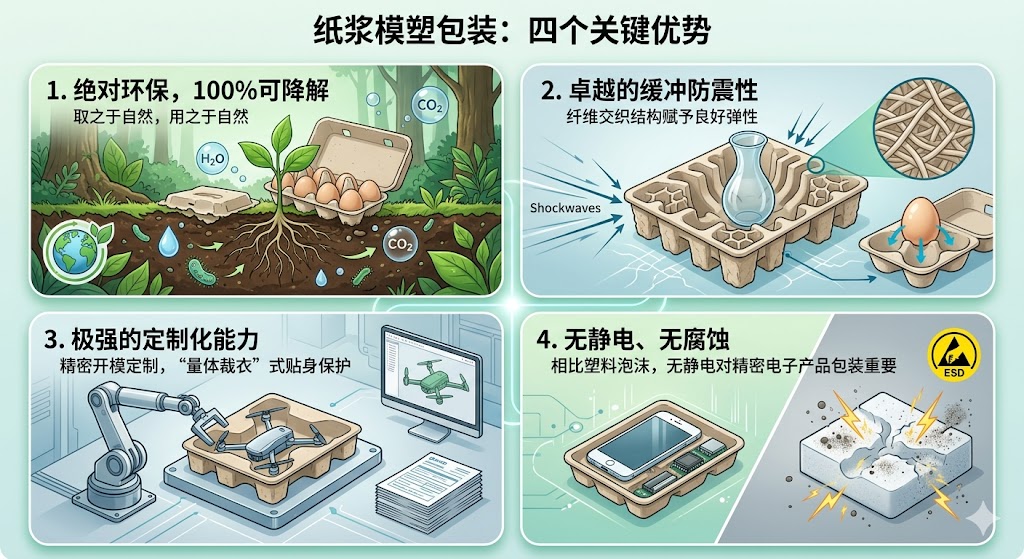
100% Biodegradable & Eco-Friendly: Derived from nature and returned to nature. These products decompose completely within months in a natural environment without leaving microplastics.
-
Superior Cushioning: The interlocking fiber structure provides excellent elasticity, effectively absorbing shocks and protecting delicate items during transit.
-
High Customizability: Advanced CNC tooling allows for “tailor-made” designs that perfectly match the product’s geometry.
-
Anti-Static and Non-Corrosive: Unlike foam (EPS), pulp molding does not generate static electricity, making it essential for precision electronics.
5. Classification and Industry Applications
A. Foodservice Packaging (Tableware)
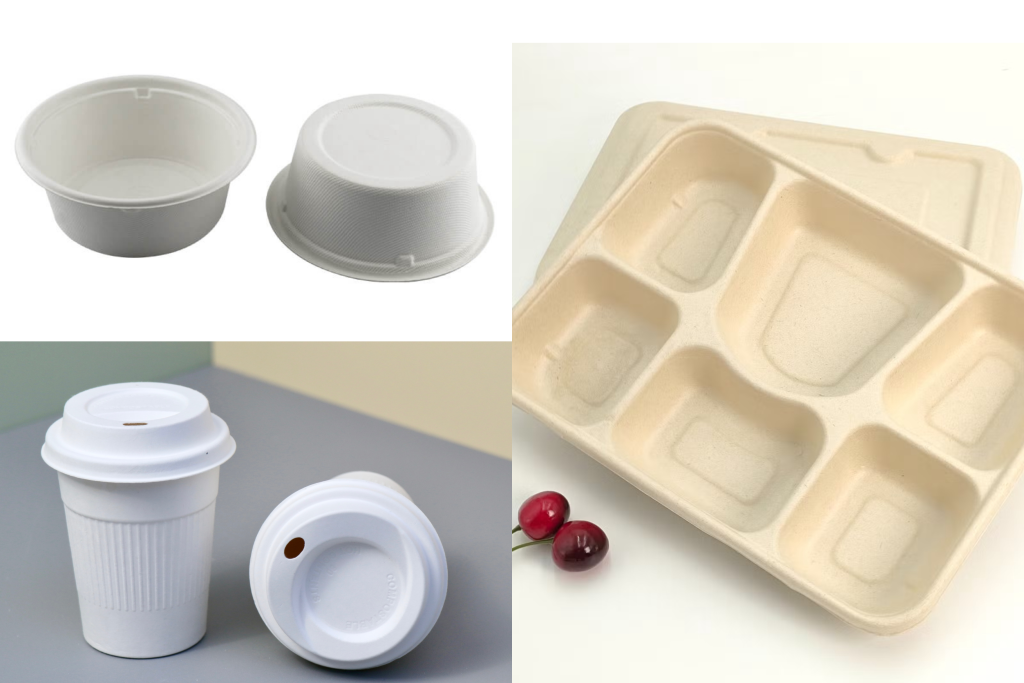
Manufactured from food-grade plant fibers with oil and water-resistant additives. Common products include biodegradable lunch boxes, plates, bowls, and coffee cup lids. These are microwave-safe and heat-resistant.
B. Agricultural Packaging
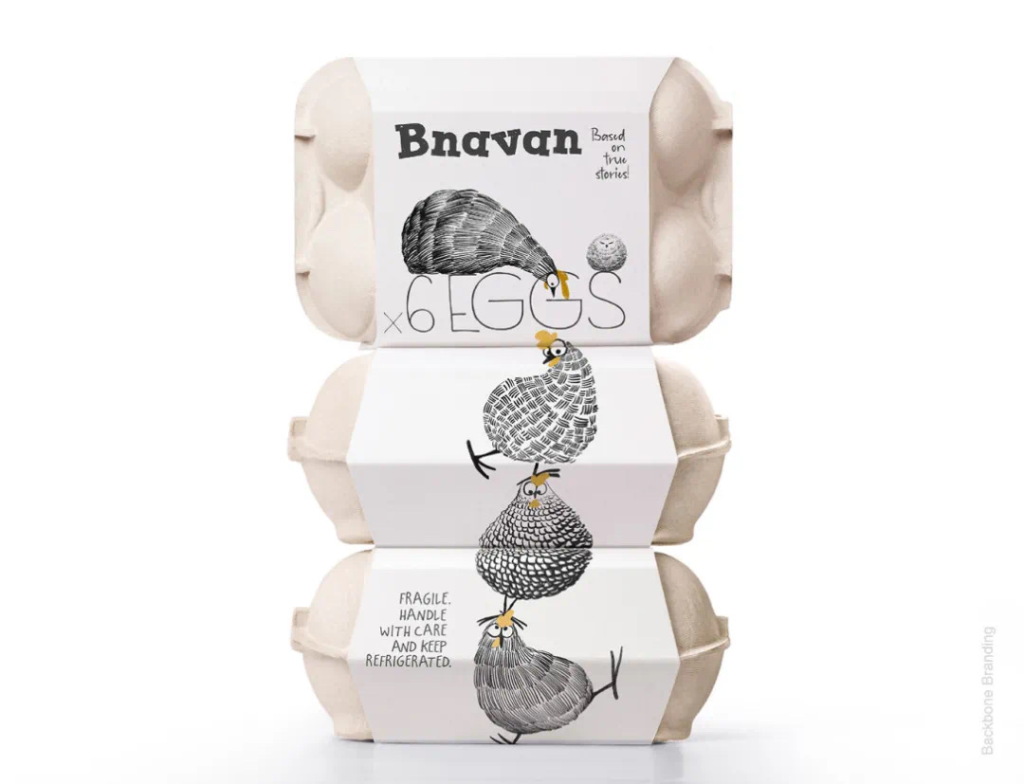
The most classic application is the egg tray. Its breathable, moisture-wicking, and shock-absorbing properties significantly reduce breakage. Other uses include fruit trays and biodegradable nursery pots.
C. Industrial Packaging (High-End “Work-Pack”)
This is the highest-value sector for the industry.
-
3C & Electronics: Protective inserts for smartphones, tablets, smartwatches, and routers.

-
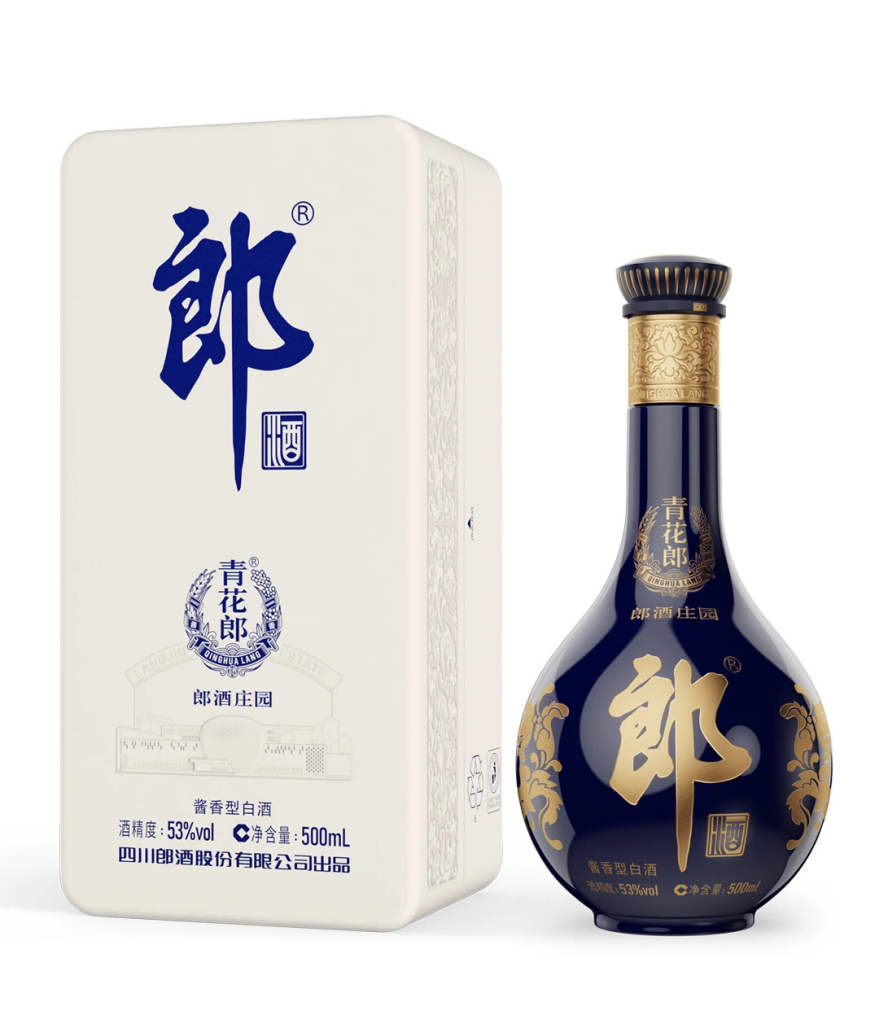
Luxury & Consumer Goods: Precision-molded inserts for cosmetics, perfumes, and premium spirits (e.g., high-end wine or liquor interiors), enhancing brand prestige through sustainable aesthetics.
D. Medical and Specialized Products
Disposable medical items such as bedpans, urinals, and surgical trays. These help prevent cross-infection in hospitals as they are intended for single use and are easily macerated or composted.
Conclusion
The rise of pulp molding marks a significant shift toward a circular economy. As manufacturing technology becomes more automated and precise, molded fiber is evolving from basic egg trays to high-end, high-precision “boutique packaging.”
Choosing pulp molding is more than a packaging decision; it is a strategic commitment to environmental responsibility and brand value. In the era of the “green transition,” mastering these advanced fiber molding technologies is key to securing a competitive edge in the global market.