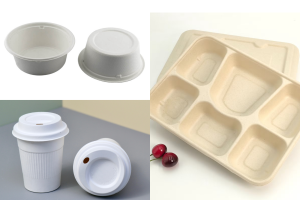
I. What Exactly is a Paper Pulp Molding Machine?
In the industry, the paper-plastic machine is also known as a paper pulp molding machine. It is a specialized piece of equipment designed to convert plant fibers—such as waste paper, bamboo pulp, and sugarcane bagasse—into eco-friendly molded pulp products.
Currently, the machines on the market can be fundamentally divided into two main categories:
-
Pulp Molding Machine: This is the mainstream eco-friendly equipment on the market, primarily used to manufacture eco-friendly trays and lunch boxes. Based on the end product, it is further subdivided into:
-
Egg Tray Machines: Specifically process waste paper to produce egg trays and fruit trays.
-
Industrial Pulp Molding Machines: Produce electronic inserts, home appliance buffer packaging, and logistics pallets.
-
Pulp Tableware Machines: Use food-grade pulp to produce biodegradable lunch boxes, bowls, and straws.
-
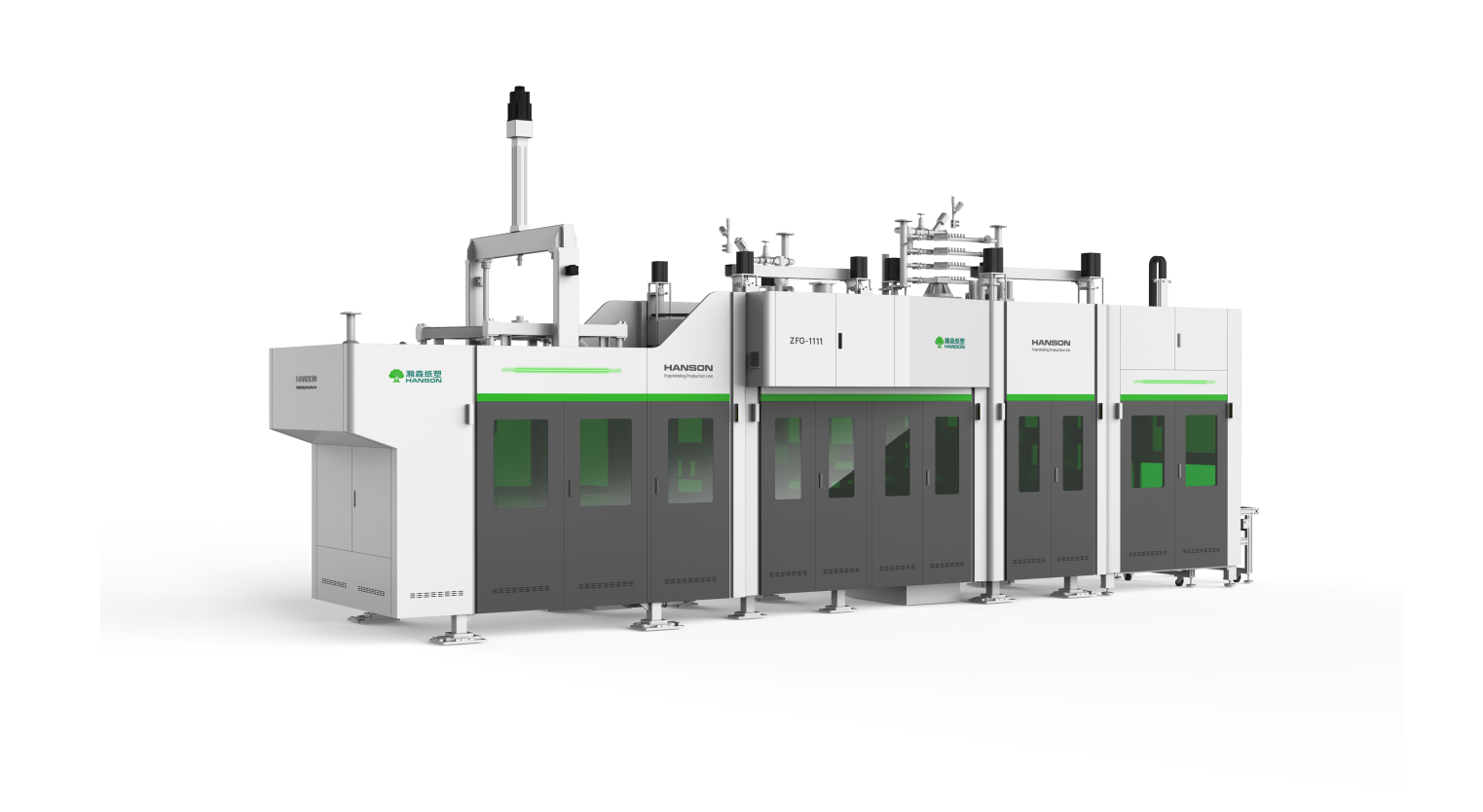
-
Paper-Plastic Packaging Machine: This type of equipment follows a “paper + plastic” composite route. It is specifically used for the blister packaging of products like toothbrushes, batteries, hardware, and pharmaceuticals (i.e., heat-sealing a paper card together with a plastic blister cover).
Today, we will focus primarily on explaining what a paper pulp molding machine is.
II. From Waste to Wealth: How Does “Paper” Become “Plastic”?
How exactly does a pulp molding machine turn a pile of waste paper into exquisite packaging boxes? This brings us to its precise working principles. The entire process can be summarized into four core steps:
-
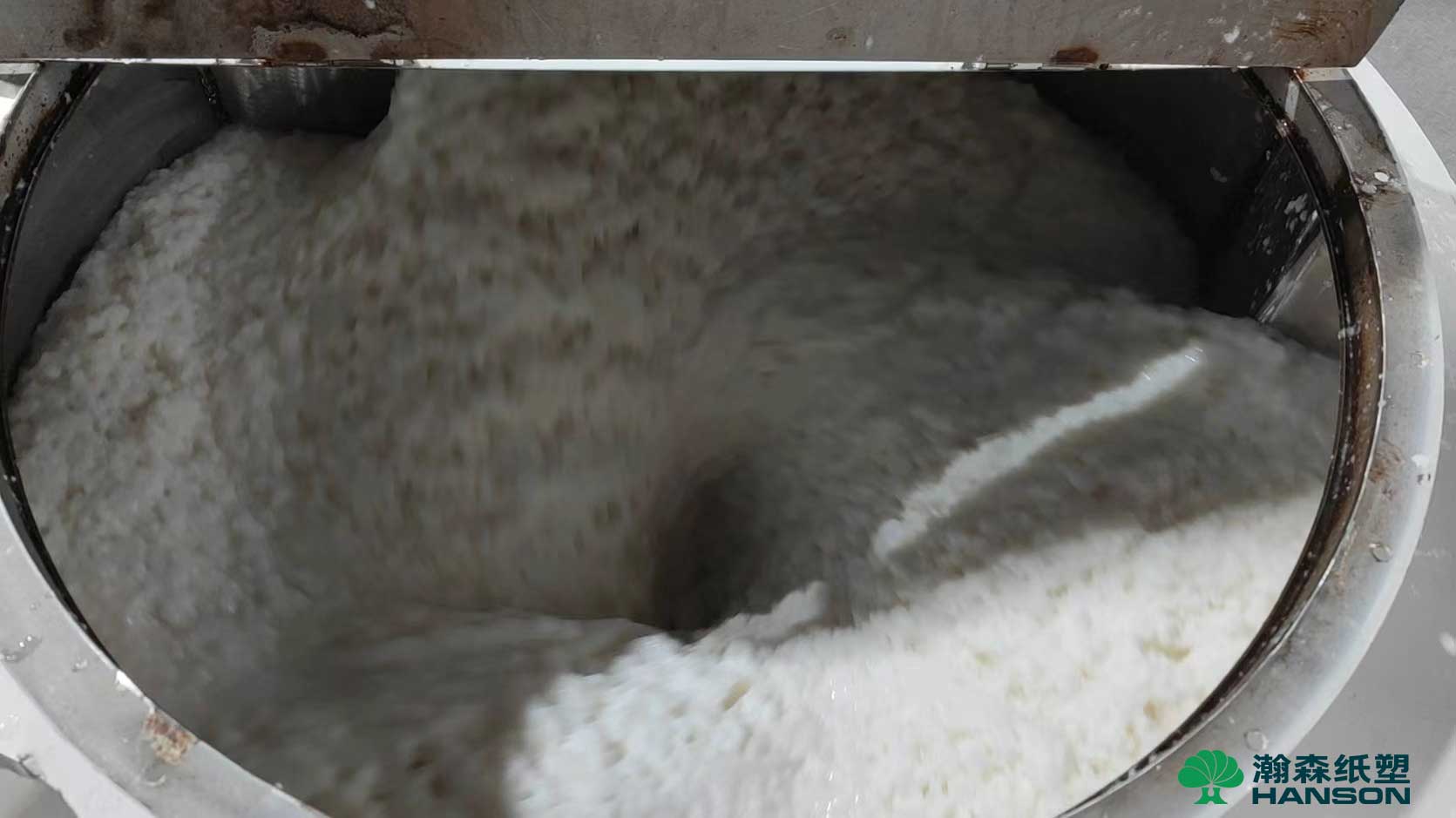
Pulping: First, waste paper or fibers are shredded and mixed with water to create a pulp with a concentration of 0.3%–0.5%.
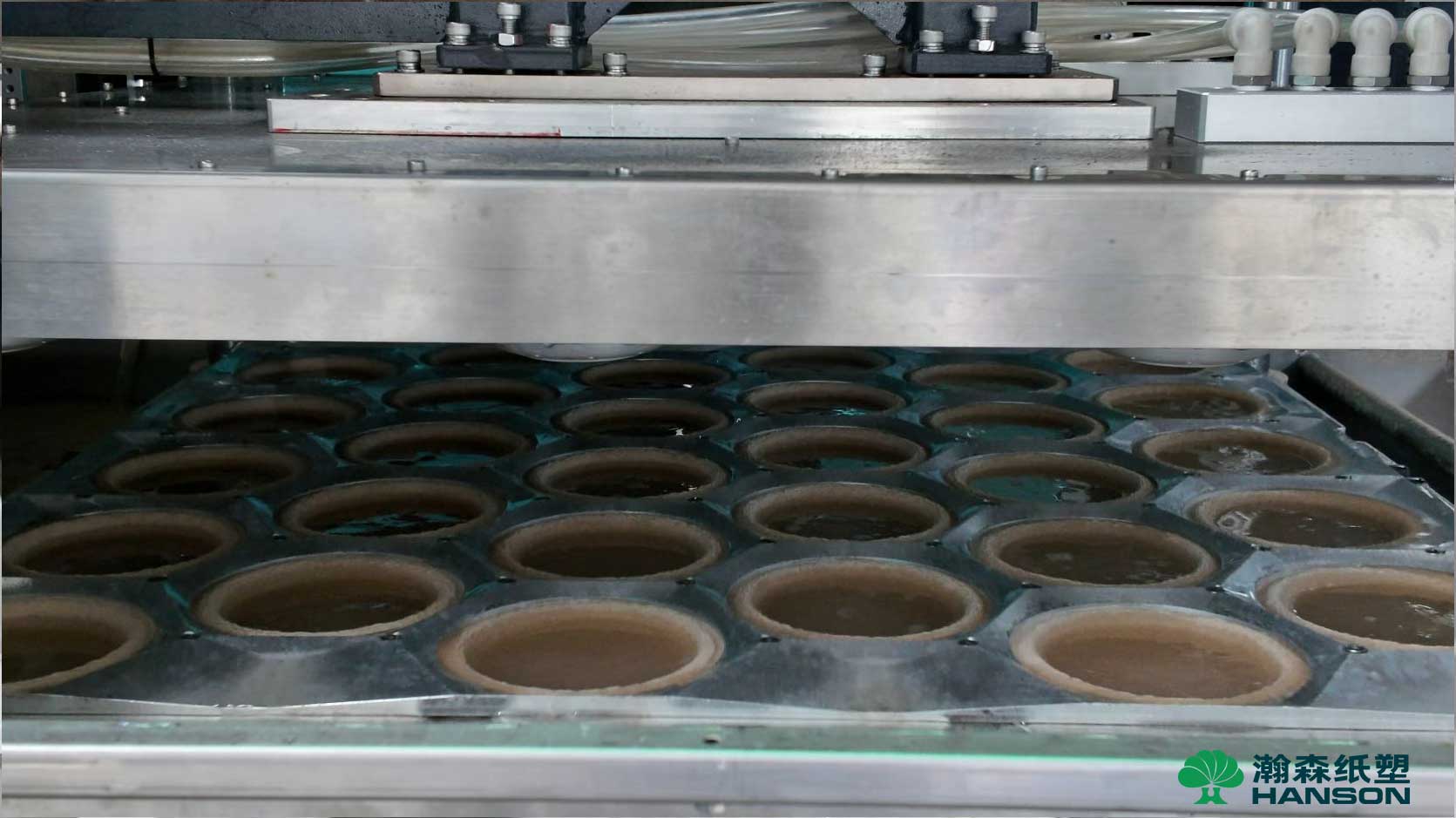
- Vacuum Forming: A mesh mold is submerged into the pulp tank, and the fibers are absorbed via vacuum to form a wet blank with a moisture content of about 70%.
-
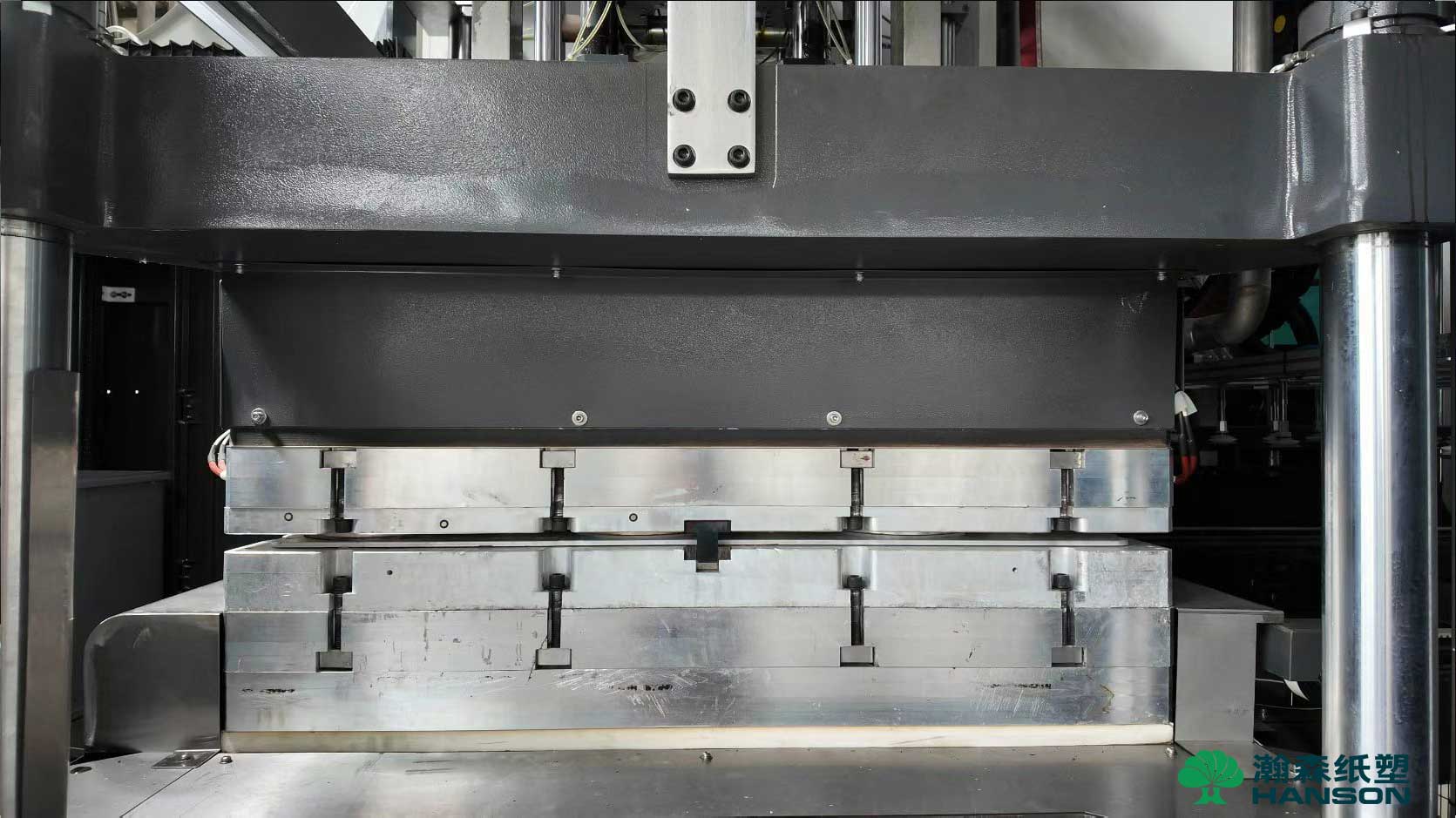
Hot Pressing and Shaping: The wet blank is transferred to a hot press mold, where it undergoes dehydration and solidification under high temperatures of 160°C–220°C and high pressure of 0.8–2.5 MPa.
-
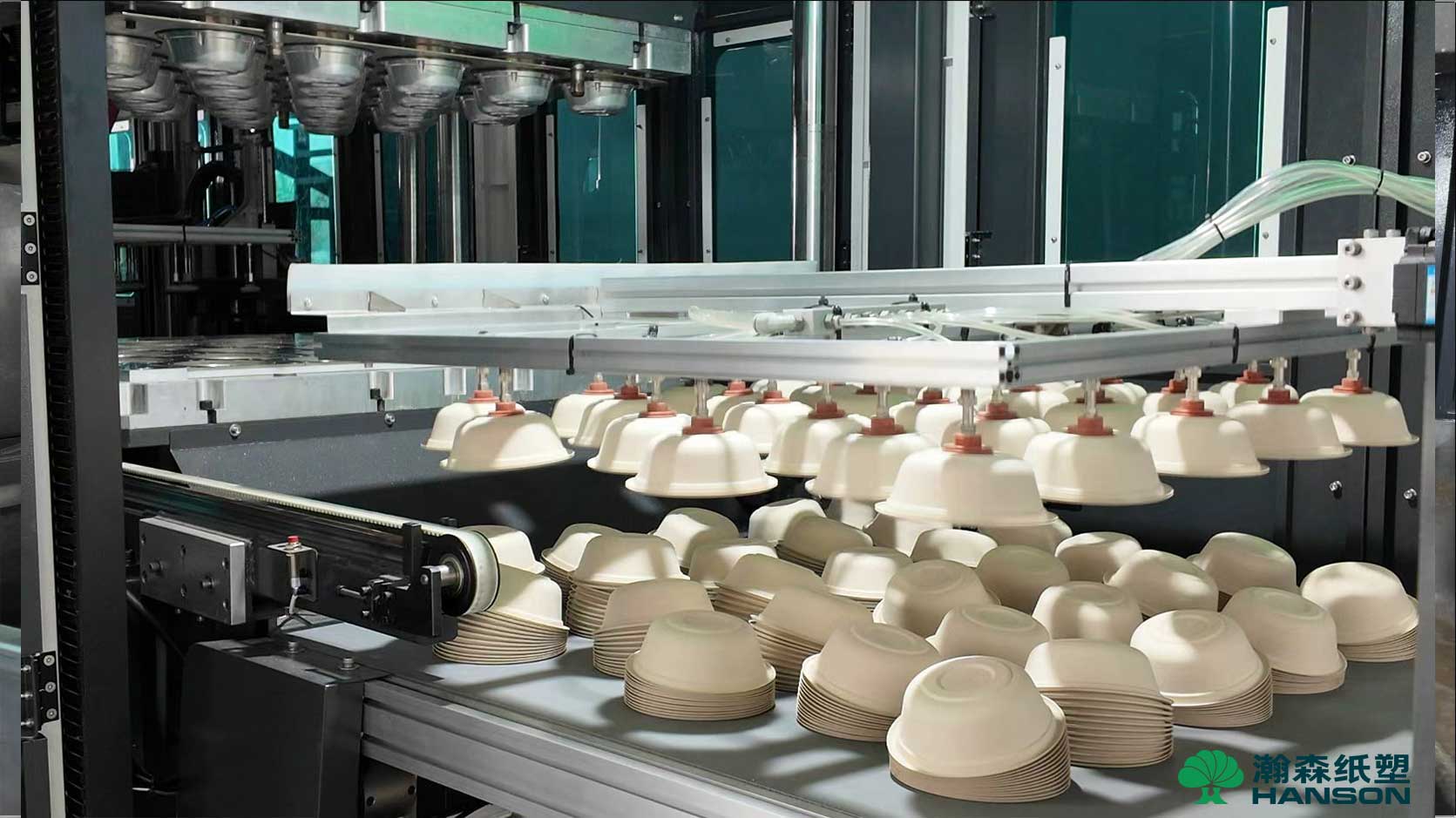
Edge Trimming and Stacking: The product is trimmed to remove waste, then automatically counted and stacked. At this point, the moisture content of the finished product is typically ≤12%.
III. Structure and Mainstream Process Comparison
A highly efficient pulp molding machine operates through the synergy of several key systems. These mainly include:
-
A pulping system comprising a pulper and a blending pool.
-
A forming unit equipped with a vacuum system and a turnover mechanism.
-
A hot-pressing unit equipped with heating plates and a pressure system.
-
A post-processing control cabinet responsible for trimming and stacking.
In terms of core forming and drying processes, the industry is currently divided into two mainstream techniques: “Wet Press” and “Dry Press”:
| Process Type | Core Process Characteristics | Suitable Products & Scenarios |
| Wet Pressing | After the wet blank is formed, it is directly transferred into a hot press mold for high-temperature drying and shaping (in-mold drying). | Ideal for products requiring strict dimensions and high precision, such as high-end eco-friendly lunch boxes and premium mobile phone/electronic inserts. |
| Dry Pressing | After the wet blank is formed, it is first dried in a drying tunnel or naturally air-dried, and then undergoes hot-press shaping (out-of-mold drying). | Ideal for products requiring high load-bearing and cushioning properties, such as egg trays and standard industrial shockproof pallets. |
IV. Why is Everyone Paying Attention to Pulp Molding Machines?
The application range for molded pulp products is incredibly broad, spanning food packaging, e-commerce logistics, medical consumables, electronic and home appliance inserts, and even agricultural seedling trays. Its soaring popularity is inseparable from the following core advantages:
-
Absolutely Eco-Friendly: The products are fully degradable, achieving genuine “plastic-free” environmental protection.
-
Superior Performance: Molded pulp products not only offer excellent cushioning but are also very convenient for stacking and transportation.
-
Policy Dividends: They perfectly align with current national policy orientations, such as the “bamboo instead of plastic” initiative, presenting massive development potential.
V. Enterprise Buyer’s Pitfall Avoidance Guide
If your enterprise is preparing to introduce a pulp molding machine, be sure to keep a close eye on the following four key points when making a purchase:
-
Look at the Product Type: For producing lunch boxes, prioritize a high-speed wet press machine; for premium industrial packaging, a fully automatic industrial packaging machine is recommended.
-
Look at the Automation Level: If you are pursuing large-scale mass production, opt for a fully automatic line (Servo paired with PLC); if you want to focus on prototyping and product development, a prototyping production line is sufficient.
-
Look at Capacity Needs: Small machines typically have a capacity of 700–900 kg/24H, while large fully automatic lines can reach 900–1100 kg/24H. Notably, fully automatic tableware production lines like the Hansen pulp molding machine can boast capacities as high as 1100–1300 kg/24H.
-
Look at Material Compatibility: Equipment used for food-grade products must be equipped with 304 stainless steel and food-grade mesh molds. If you are only producing standard industrial pallets, regular carbon steel will suffice.
Conclusion:
Today, as environmental protection becomes an unstoppable trend, the pulp molding machine is more than just a piece of industrial equipment; it is a vital engine propelling the packaging industry toward sustainable development. Understanding the pulp molding machine means grasping the future wind direction of the green packaging sector.