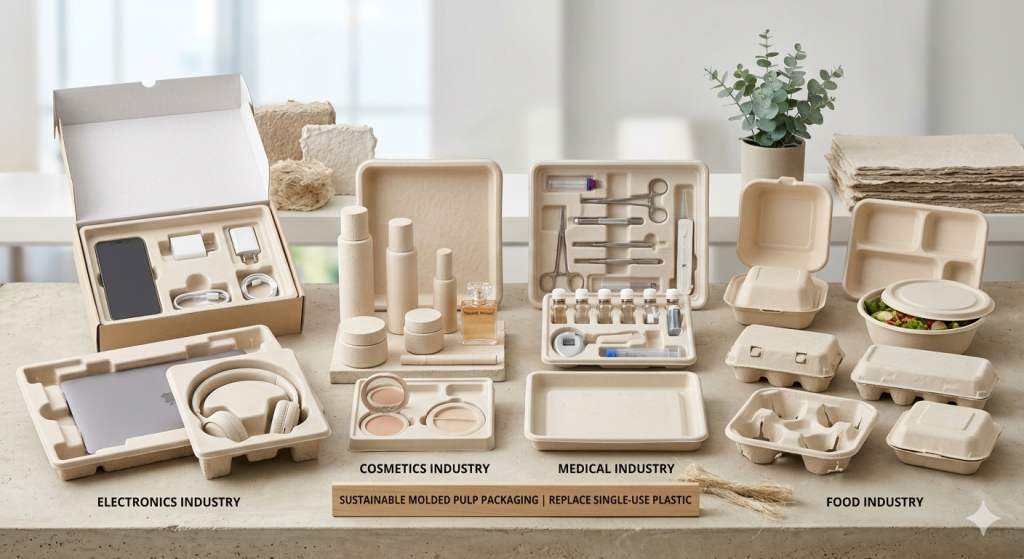
As global industries accelerate their transition toward a circular economy, molded pulp (also known as molded fiber) has emerged as a cornerstone of sustainable packaging. Once primarily associated with simple egg cartons and cup carriers, molded pulp has undergone a radical technological evolution. Today, it stands as a premium, high-performance alternative to single-use plastics across diverse sectors, including consumer electronics, cosmetics, food service, and medical devices.
From Traditional to Advanced: The Technological Leap
The development of molded pulp can be categorized by its manufacturing processes and product finishes, reflecting decades of engineering advancements:
1. Thick-Wall and Transfer Molded Pulp (Dry Pressing)
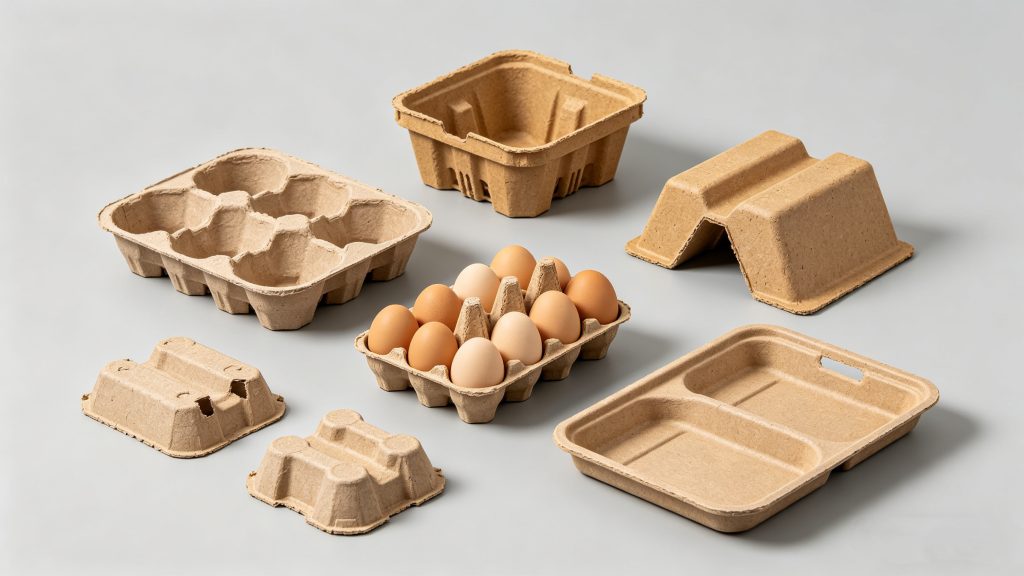
Historically, the industry relied on traditional transfer molding (often referred to as dry pressing). Utilizing recycled paperboard or post-consumer waste (PCW), this process creates thick-walled products with excellent cushioning properties and shock absorption. These are still widely used today for industrial packaging, edge protectors, and heavy-duty shipping solutions.
2. Thermoformed Molded Fiber (Wet Pressing)
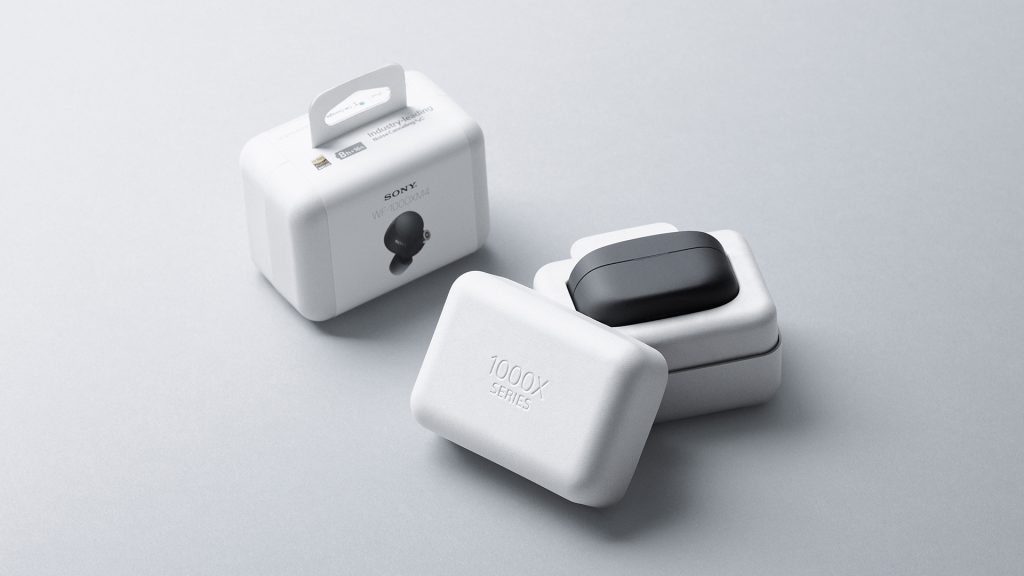
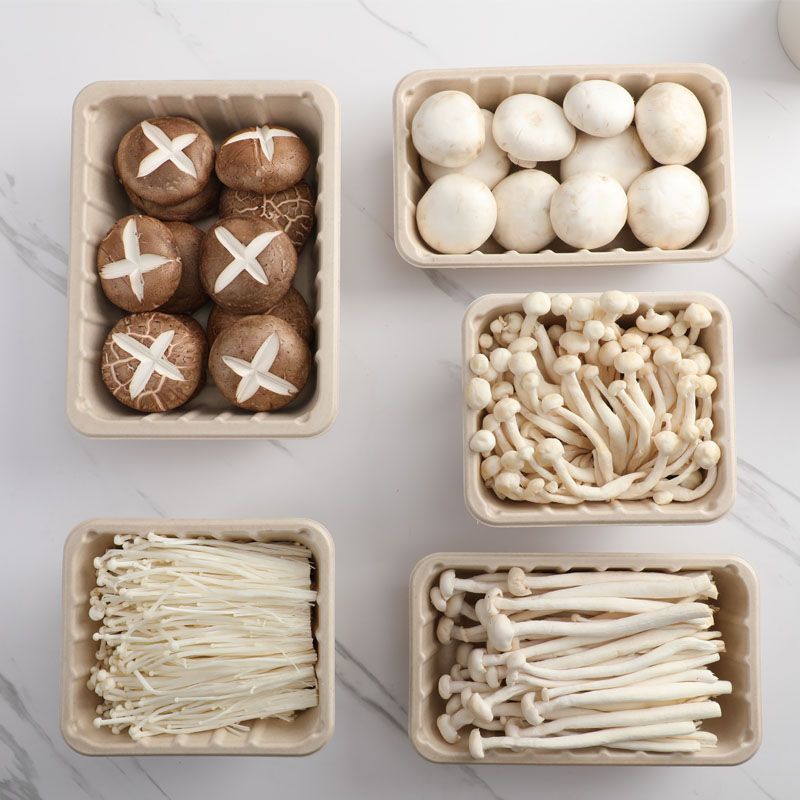
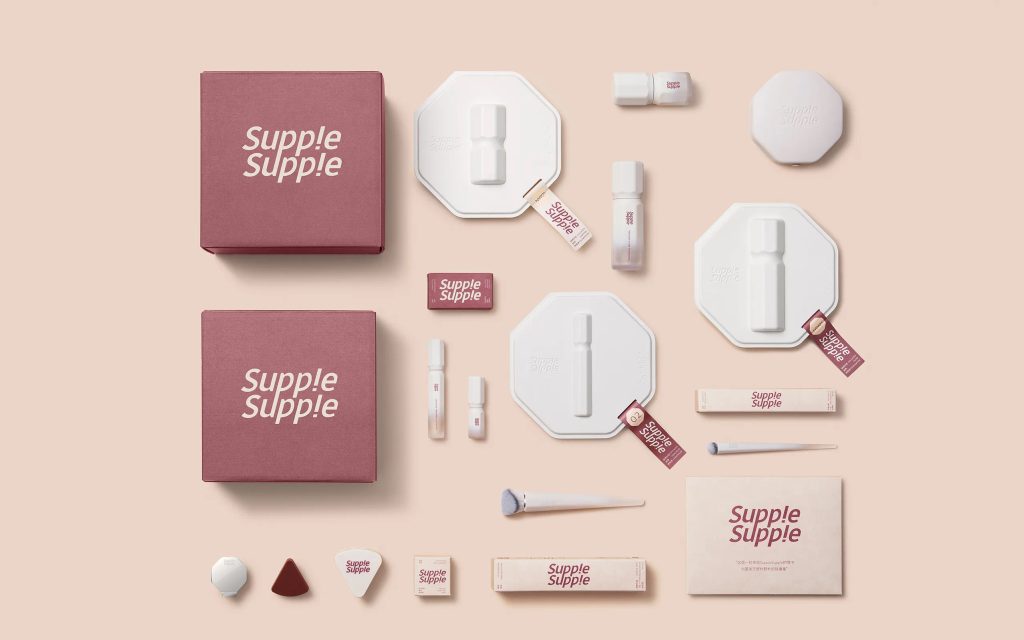
The true game-changer in the industry’s development is the advent of thermoforming technology (wet pressing). By using heated molds to press and dry the fiber directly in the mold cavity, manufacturers can produce thin-walled, smooth-surfaced, and dimensionally accurate packaging. This high-end molded pulp rivals the aesthetic appeal of thermoformed plastics (like PET or PS), making it the preferred choice for premium unboxing experiences in smartphones, cosmetics, and luxury goods.
Expanding Raw Material Horizons
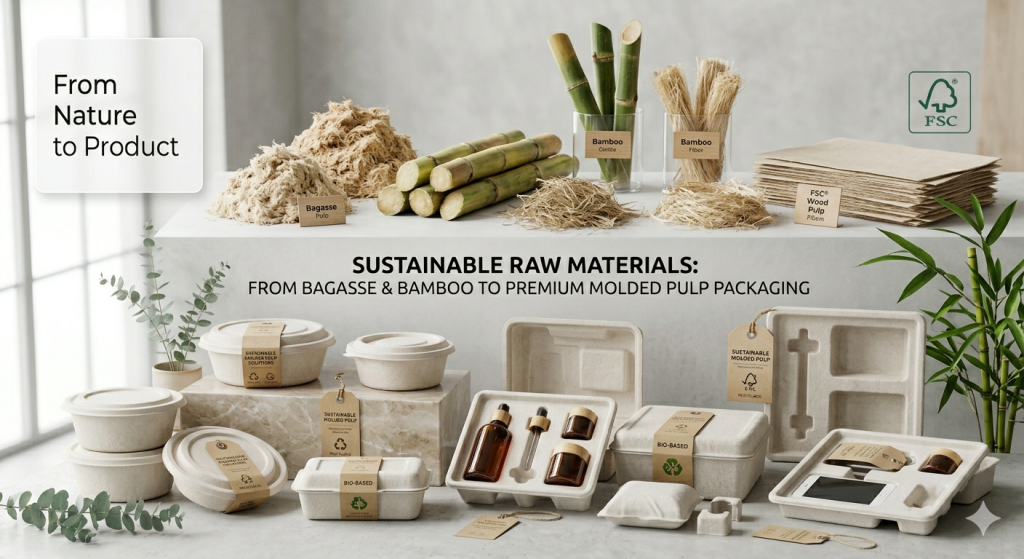
In the past, recycled newsprint or corrugated boxes were the standard. Today, the molded pulp industry leverages a wide array of fast-growing, renewable virgin fibers to meet specific structural and aesthetic requirements:
-
Bagasse (Sugarcane fiber): Offers a brilliant white finish and is excellent for food-grade applications.
-
Bamboo Fiber: Provides superior tensile strength and structural integrity.
-
Wood Pulp (FSC-Certified): Ensures premium surface smoothness and reliable sourcing.
Industry Trends and Future Innovations
As we look to the future, the development of molded pulp is being driven by stringent environmental regulations (such as plastic bans) and evolving consumer expectations. Key trends include:
-
PFAS-Free Solutions: With growing concerns over “forever chemicals,” the industry is actively shifting toward PFAS-free oil and water repellents for food contact packaging, ensuring 100% safety and compliance.
-
True Circularity: Molded pulp products are inherently biodegradable, compostable, and easily recyclable within existing paper waste streams. They leave a significantly lower carbon footprint at their end-of-life (EOL) compared to EPS (Expanded Polystyrene) or EPE foams.
-
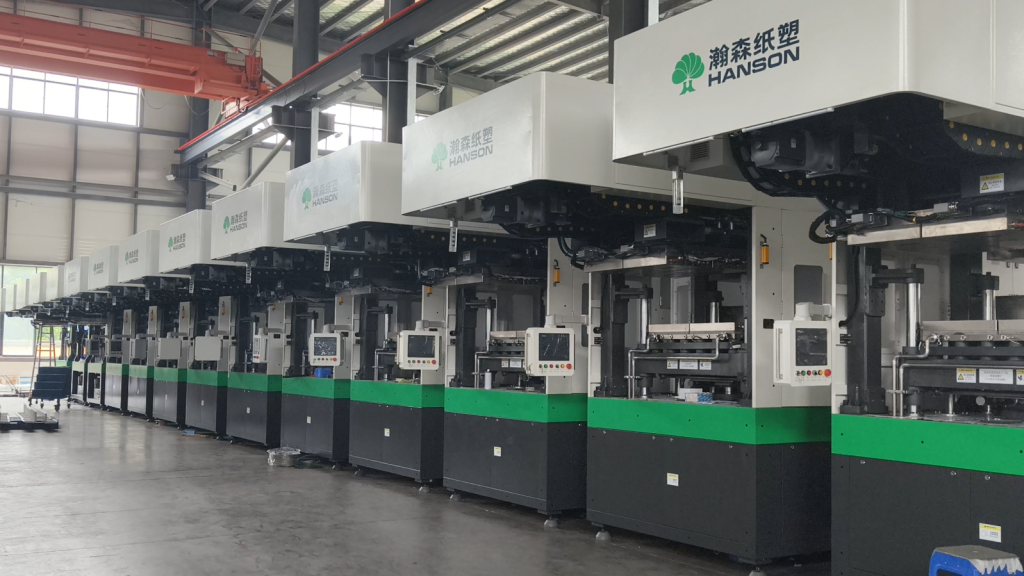
Smart Automation: The integration of robotics and automated trimming/punching processes is increasing production efficiency, lowering costs, and ensuring the precision required for complex packaging designs.
Partner with Us for Sustainable Packaging Solutions
The transition from plastic to molded fiber is no longer just a trend—it is a business imperative. At Hanson Pulp Molding, we specialize in designing and manufacturing cutting-edge molded pulp packaging tailored to your brand’s unique needs. From structural engineering to mass production, we help you reduce your environmental impact without compromising on quality or performance.
[Contact Hanson Pulp Molding today] to explore how our custom molded pulp solutions can elevate your packaging strategy.