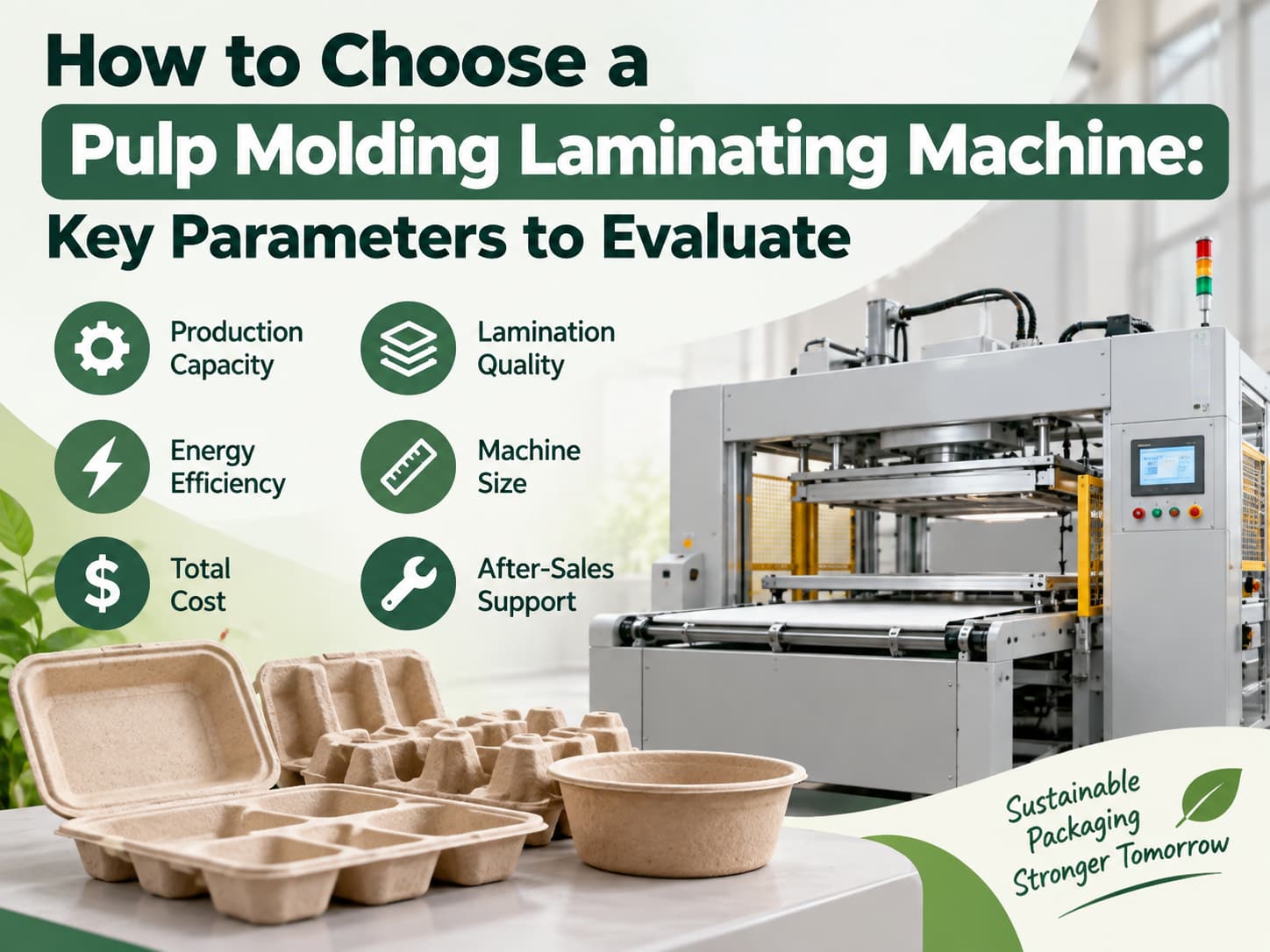
When investing in post-processing equipment for molded fiber packaging, calculating the exact return on investment is critical. A common question buyers ask when evaluating a pulp molding laminating machine is: “What is the exact daily output?”
However, stating a fixed daily production volume...
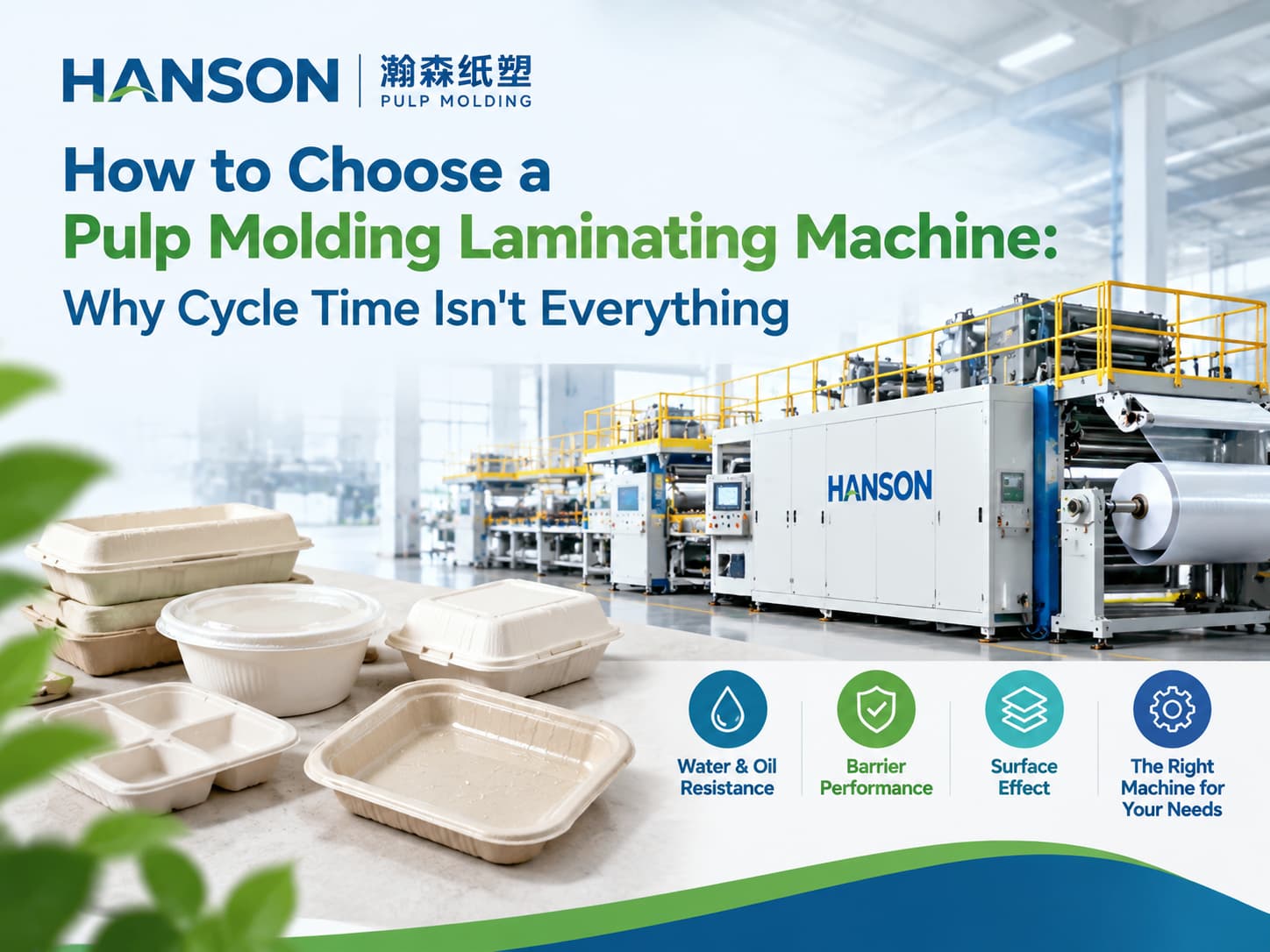
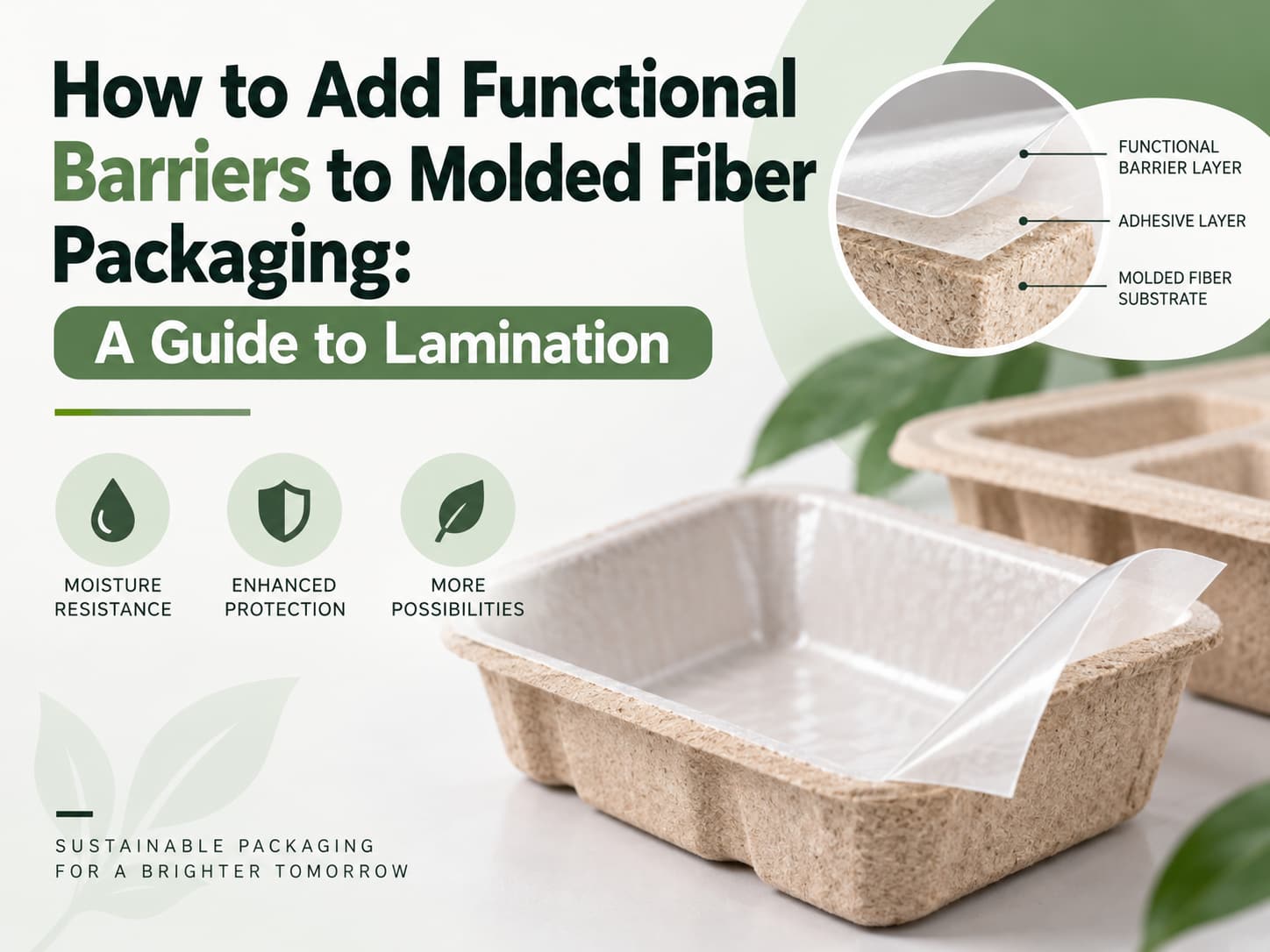
When molded pulp products require enhanced waterproof, oil-proof, or barrier properties, lamination serves as a highly effective post-press solution. The process utilizes a thermal press mechanism to apply film onto molded pulp substrates, fulfilling specific functional requirements.
For buyers evaluating...
The global shift toward sustainable packaging is creating new opportunities for molded fiber products.
But turning a pulp molding idea into stable mass production requires much more than purchasing a single machine.
Factory planning, pulp preparation, forming technology, molds, drying and hot pressing,...
When molded fiber packaging needs enhanced water, oil, or gas barrier properties, lamination is often a highly effective post-processing solution. Whether you are producing premium food service disposables, medical packaging, or industrial protective packaging, selecting the right equipment is critical...
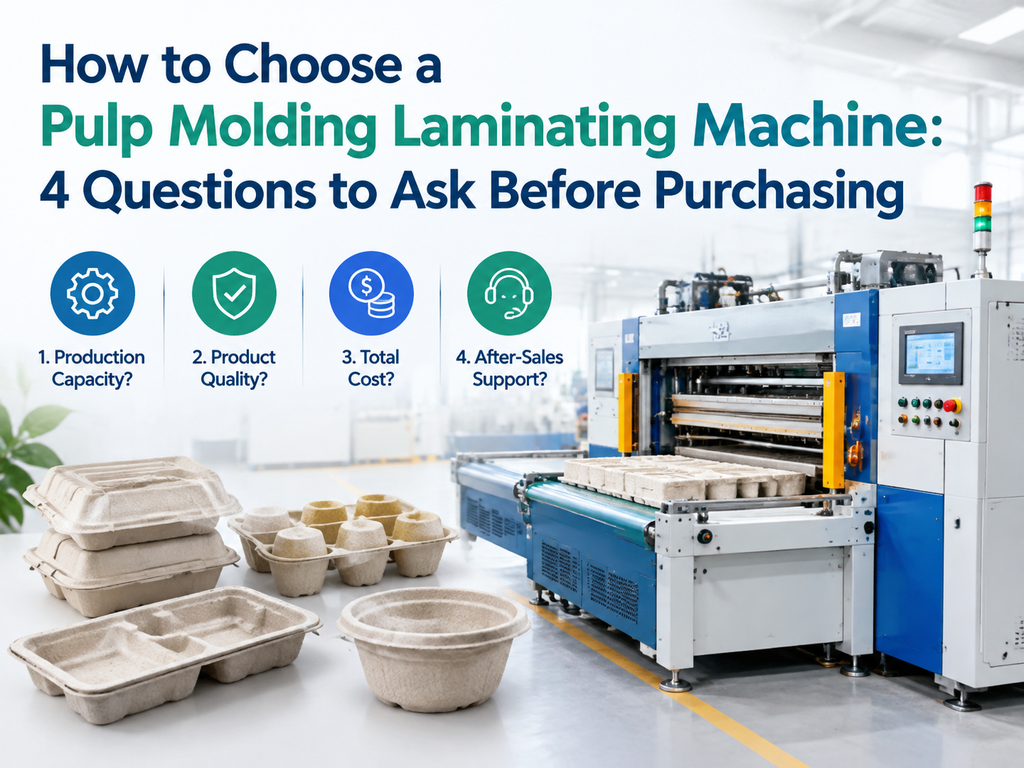
When molded fiber packaging requires enhanced waterproof, oil-proof, barrier properties, or specific surface finishes, lamination is a viable post-processing solution to evaluate. However, when selecting a pulp molding laminating machine, many buyers focus exclusively on equipment price or theoretical...
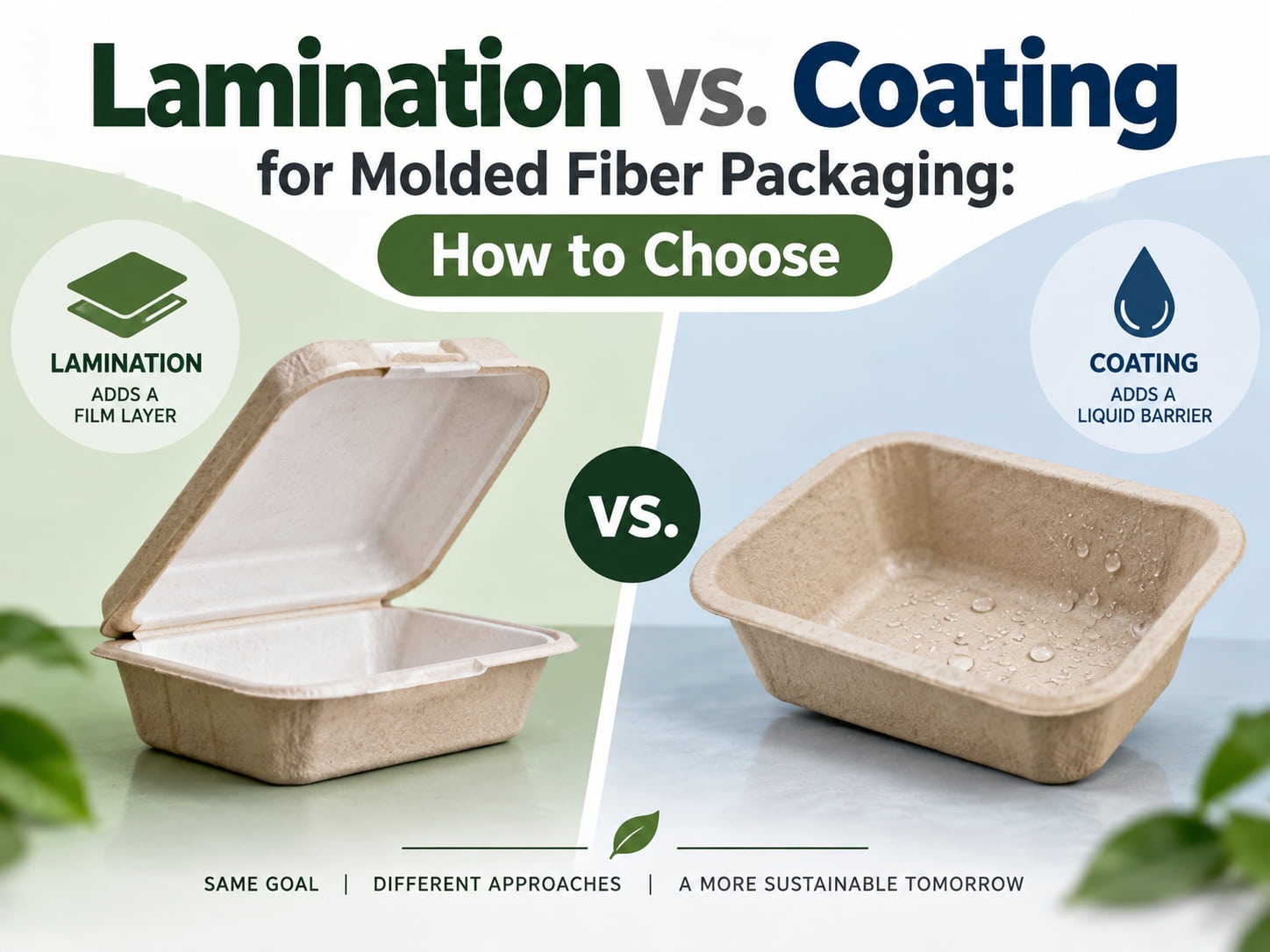
When molded pulp products require enhanced waterproof, oil-proof, or high-barrier properties, standard in-pulp sizing is often insufficient for demanding applications like holding hot oil or long-term liquid storage. In these scenarios, post-processing surface treatments such as coating and lamination...
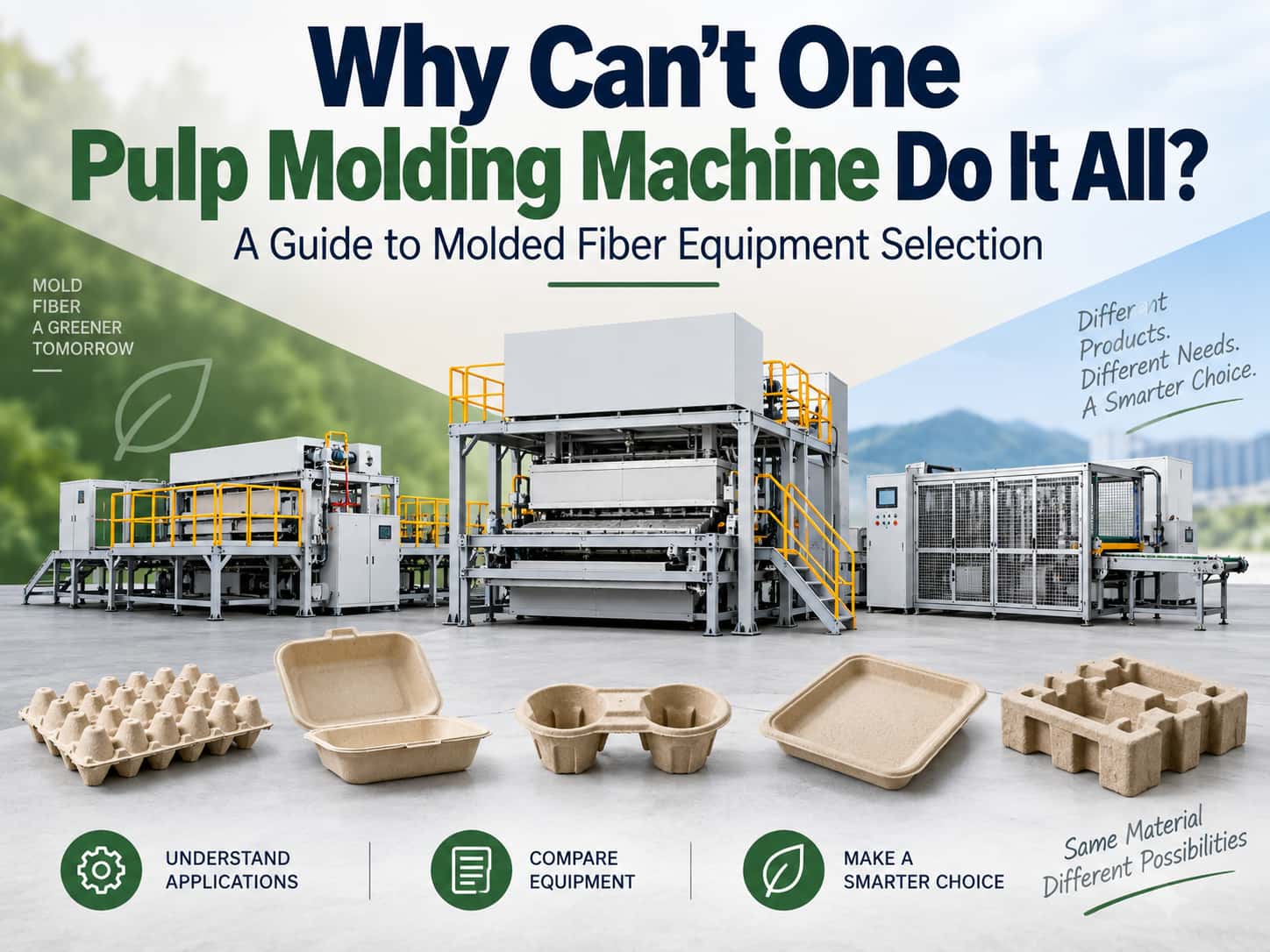
When planning a new molded fiber project, many investors ask a seemingly practical question: “Can I buy just one pulp molding machine, swap the molds, and use it to produce food plates today, smartphone packaging inserts tomorrow, and egg trays the day after?”
In theory, the core principle...
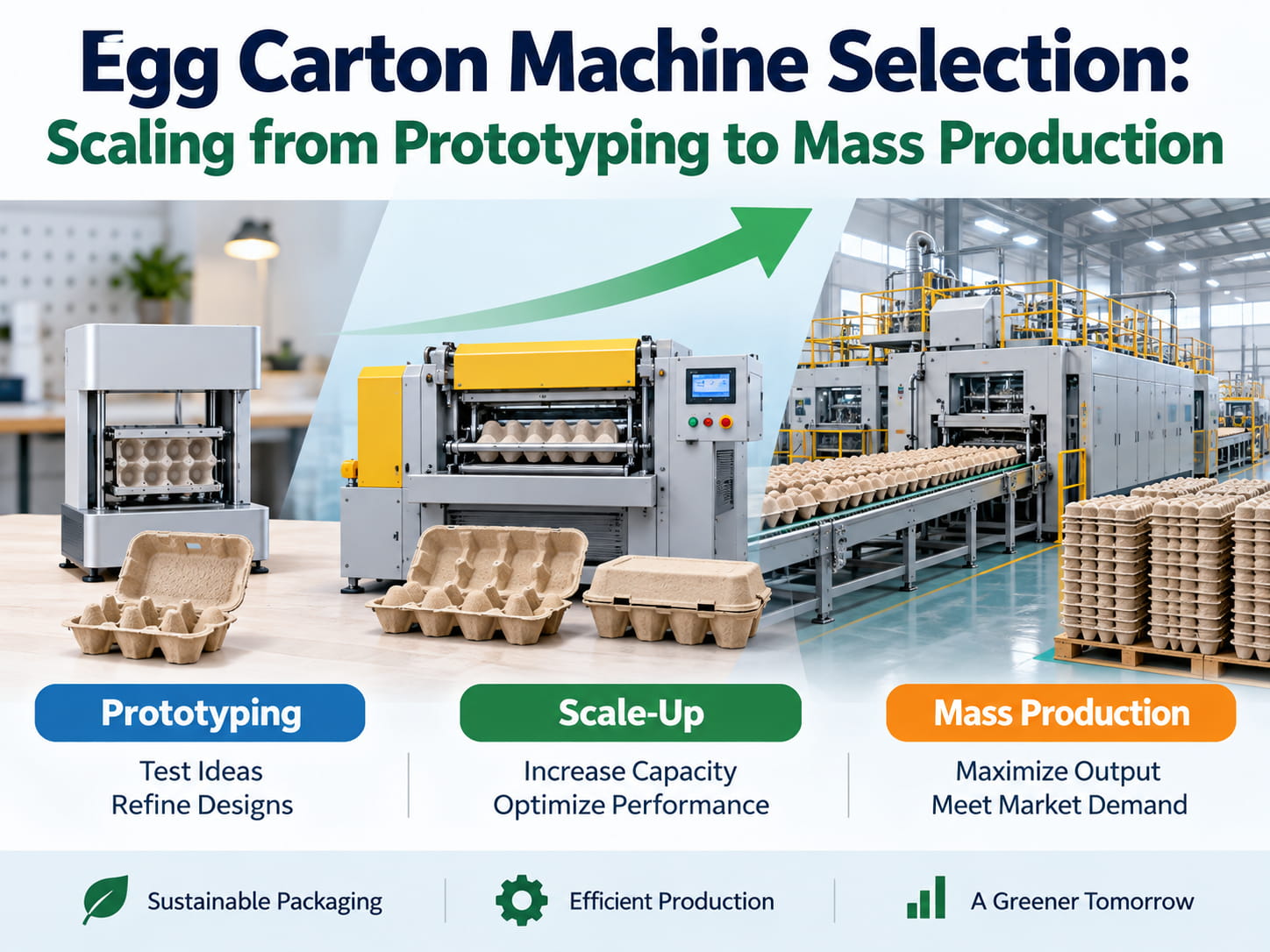
In the molded fiber industry, manufacturing a perfect prototype of an egg carton is a relatively straightforward process. However, consistently producing hundreds of thousands of uniform, cost-effective, and highly protective egg cartons every day requires a completely different engineering approach....
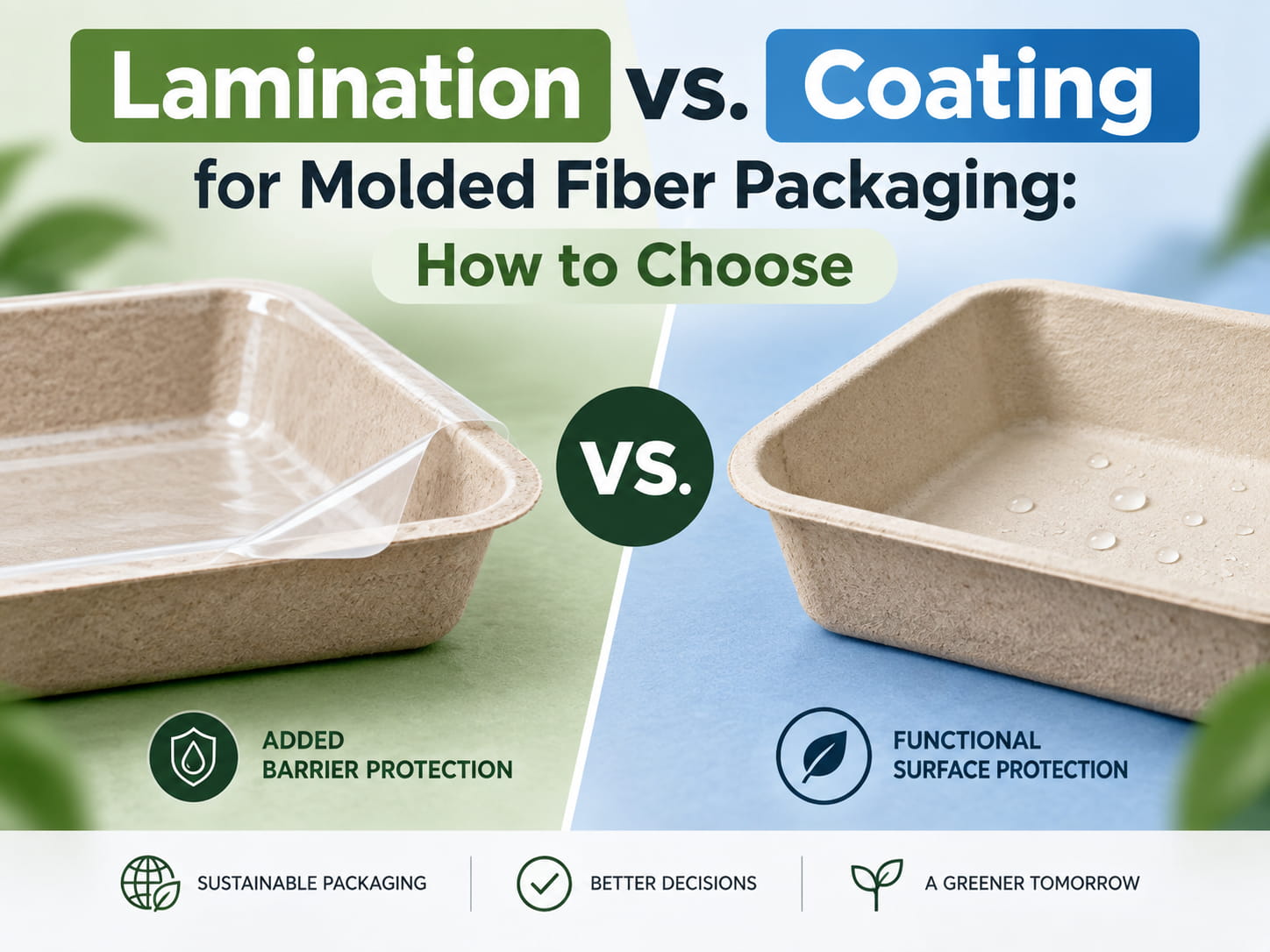
When molded pulp products require enhanced waterproof, oil-proof, barrier, or specific surface properties, the forming process alone is often insufficient. Choosing the right post-processing method is critical. Currently, lamination and coating are the two primary surface treatment solutions in the molded...
As molded fiber packaging expands into high-end food service, medical applications, and premium retail, standard cushioning properties are no longer sufficient. When products require strict waterproof, oil-proof, or advanced gas-barrier performance, manufacturers must upgrade their production by introducing...