
As biodegradable packaging continues to expand across food delivery, retail, institutional catering, and overseas packaging markets, more customers are turning their attention to pulp molded plates, food containers, bowls, and other eco-friendly tableware products.
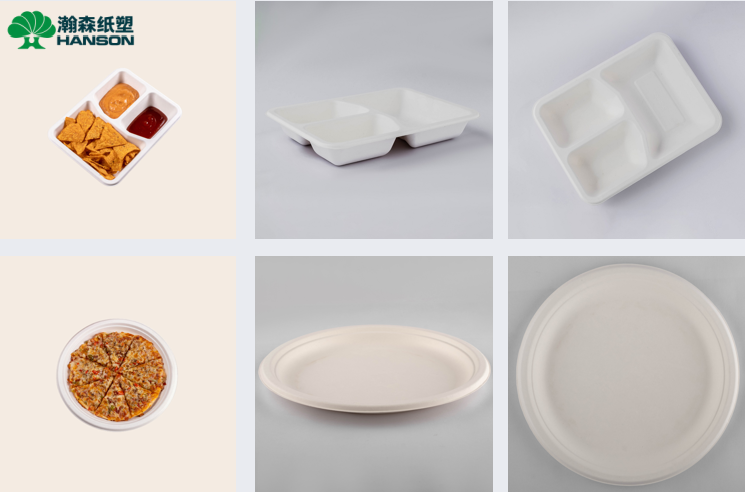
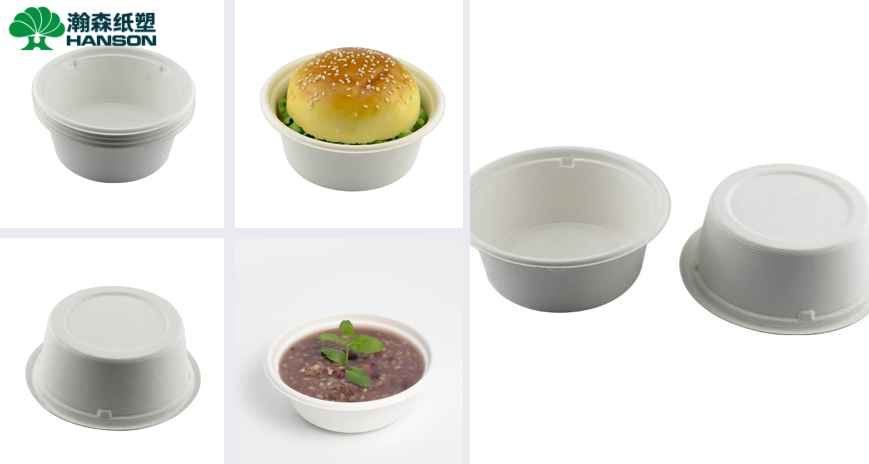
For companies preparing to enter the pulp molding industry, one of the most common questions is:
What equipment is required for a fully automatic pulp molded tableware production line?
Pulp molded tableware production is not simply a matter of purchasing a forming machine. Product type, target production capacity, level of automation, raw material solution, number of mold cavities, downstream processing methods, and factory conditions all have an impact on the configuration of the entire production line.
1. Pulping System
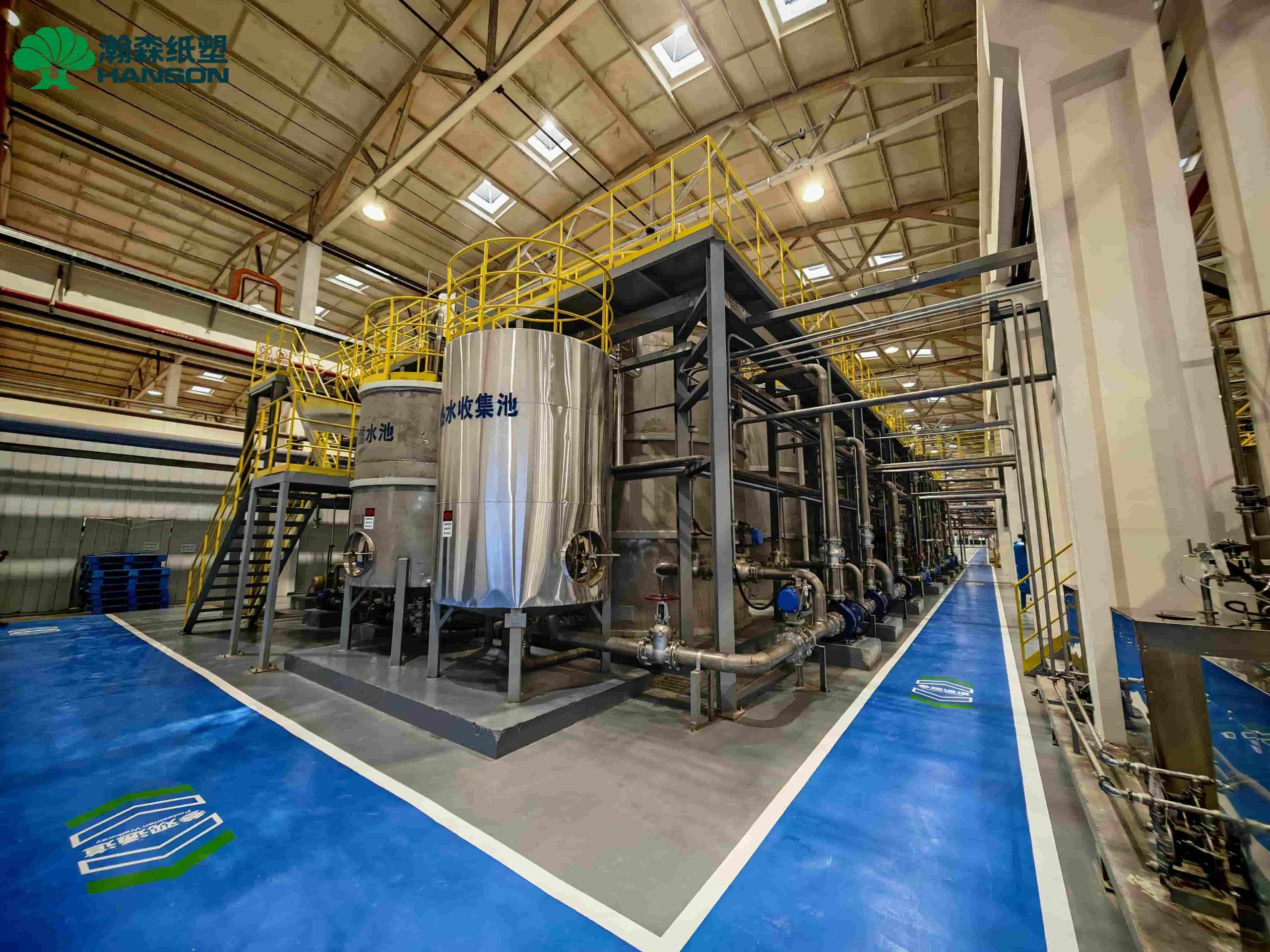
The production of pulp molded products begins with processing paper pulp or plant fiber raw materials into pulp suitable for forming.
A typical pulping process may include:
- Raw material preparation
- Pulping
- Pulp blending
- Pulp storage
- Pulp transfer
- Pulp consistency control
The stability of the pulp directly affects product basis weight, appearance, forming performance, and subsequent hot-pressing quality.
Therefore, when selecting a pulp molding equipment manufacturer, it is important to consider not only the forming equipment, but also whether the pulping system is properly matched to the product requirements and production process.
2. Pulp Molding Forming Equipment
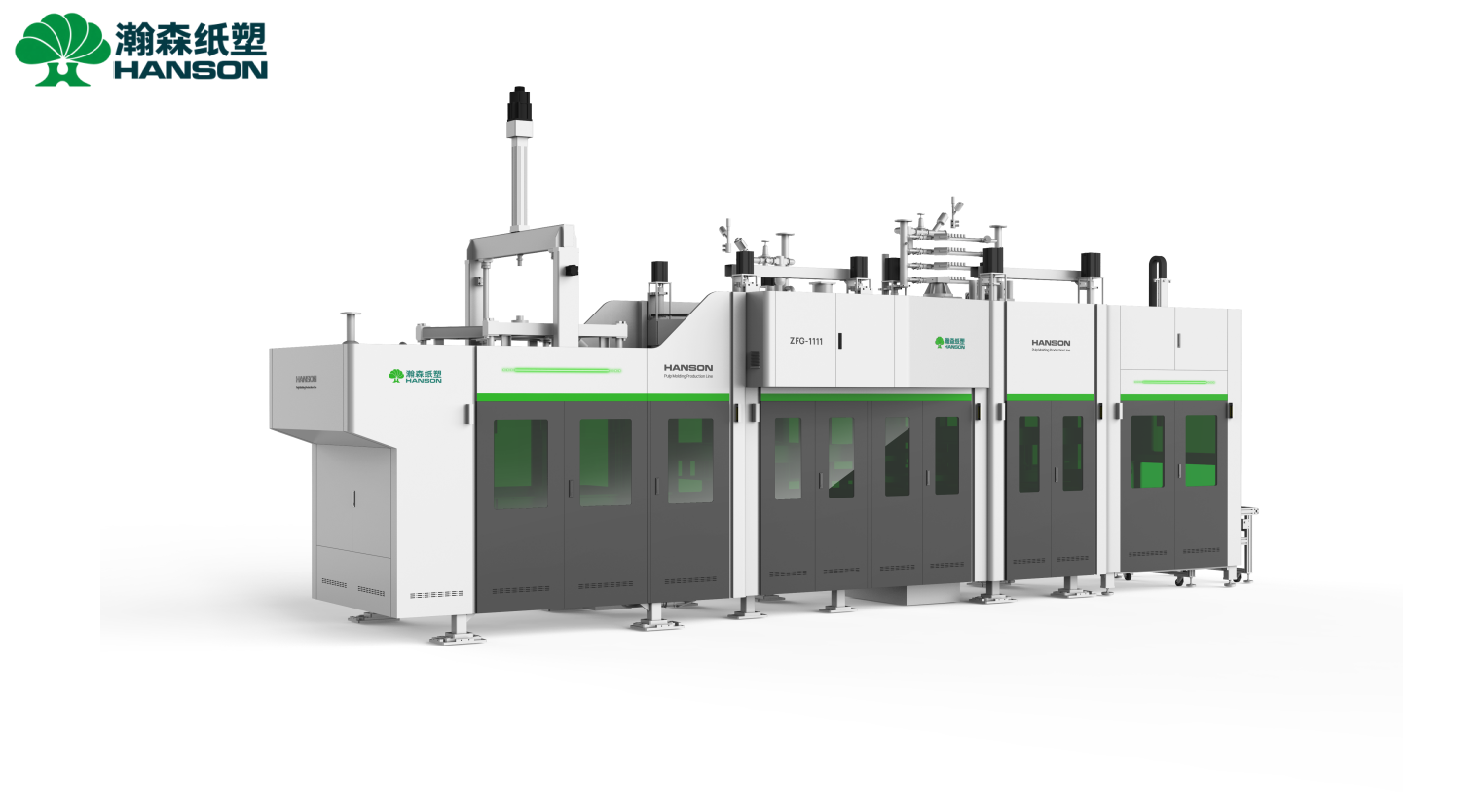
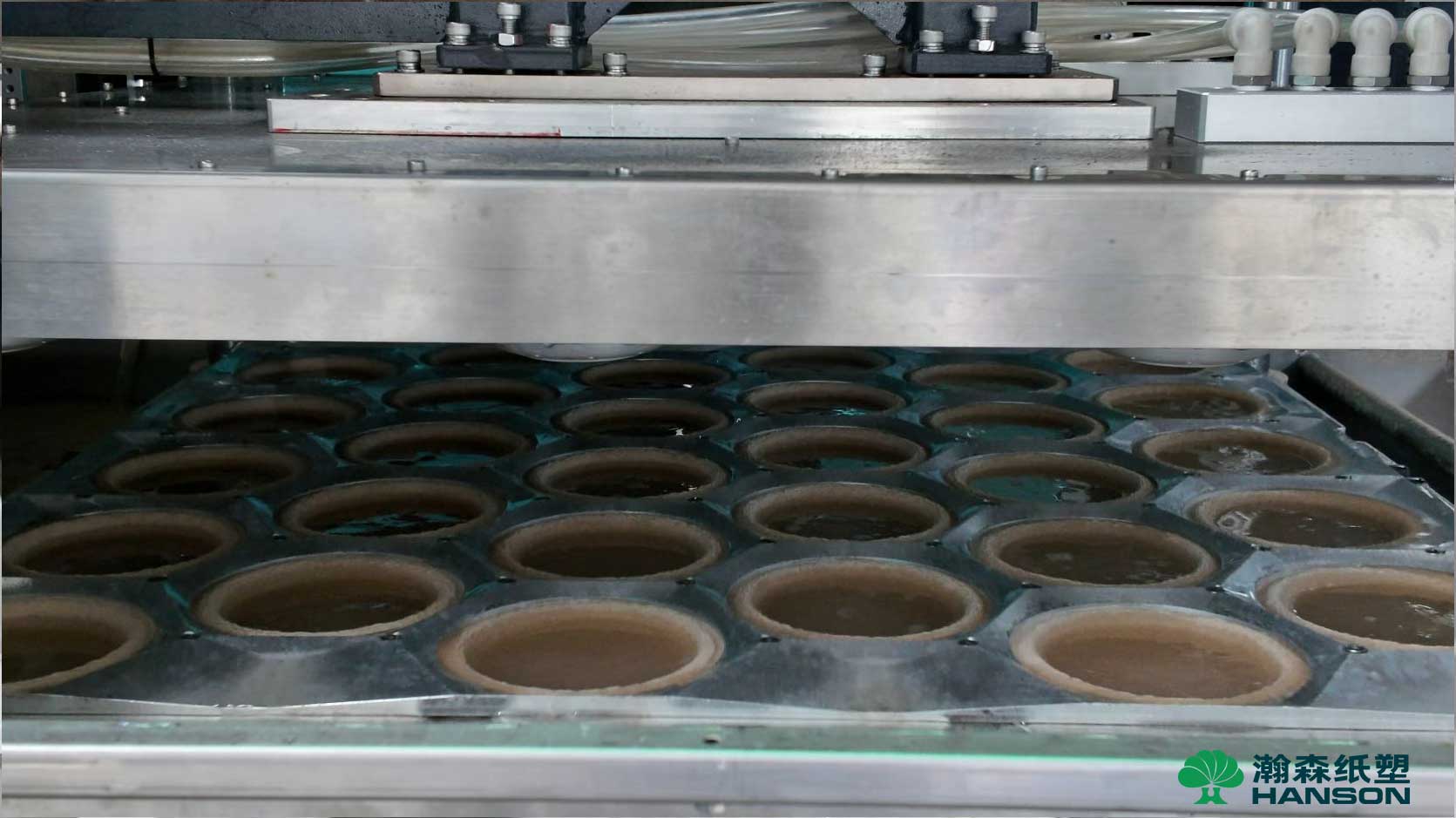
The forming machine is the core part of the production line.
After the pulp enters the machine, the mold completes pulp suction, dewatering, transfer, and initial forming to produce wet molded blanks. Different products have different requirements for forming efficiency, dewatering performance, transfer stability, and automation.
For plates, food containers, bowls, and premium molded tableware products, particular attention should be paid to:
- Forming stability
- Consistency of wet blanks
- Product basis weight control
- Mold transfer performance
- Appearance quality after hot pressing
- Continuous production capability
Manufacturers can select an appropriate level of automation based on the target products and required production capacity.
3. Hot Pressing and Edge Trimming
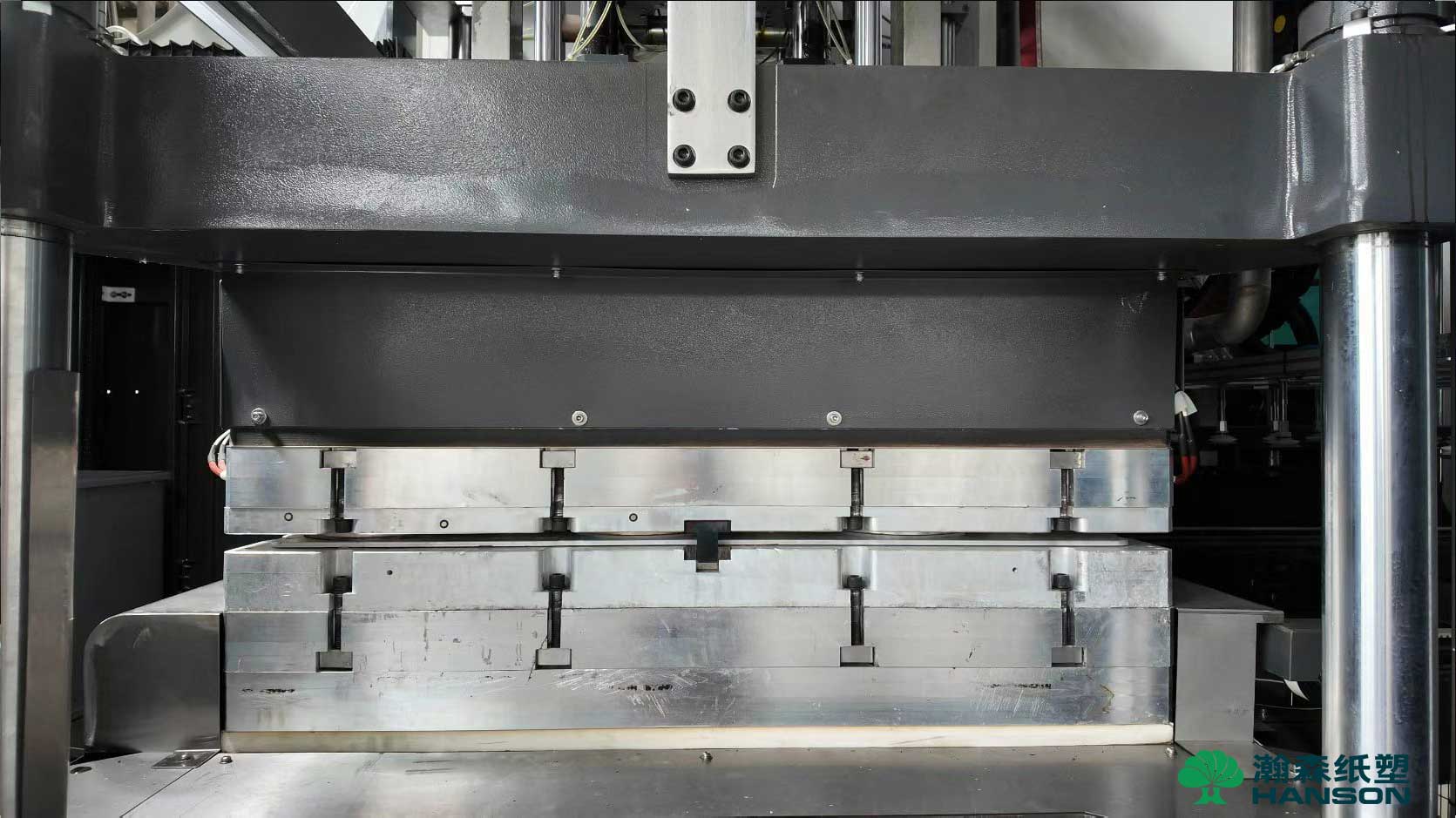
After wet blanks are formed, they need to undergo hot pressing and shaping.
The hot-pressing process has a direct impact on the product’s appearance, flatness, strength, and dimensional stability. Some products also require further edge trimming to improve the consistency of the finished product edges.
For premium tableware projects, hot pressing and edge trimming should not be considered as completely independent processes. They need to be planned together with the forming equipment, mold design, and downstream automation.
4. Stacking, Inspection, and Packaging
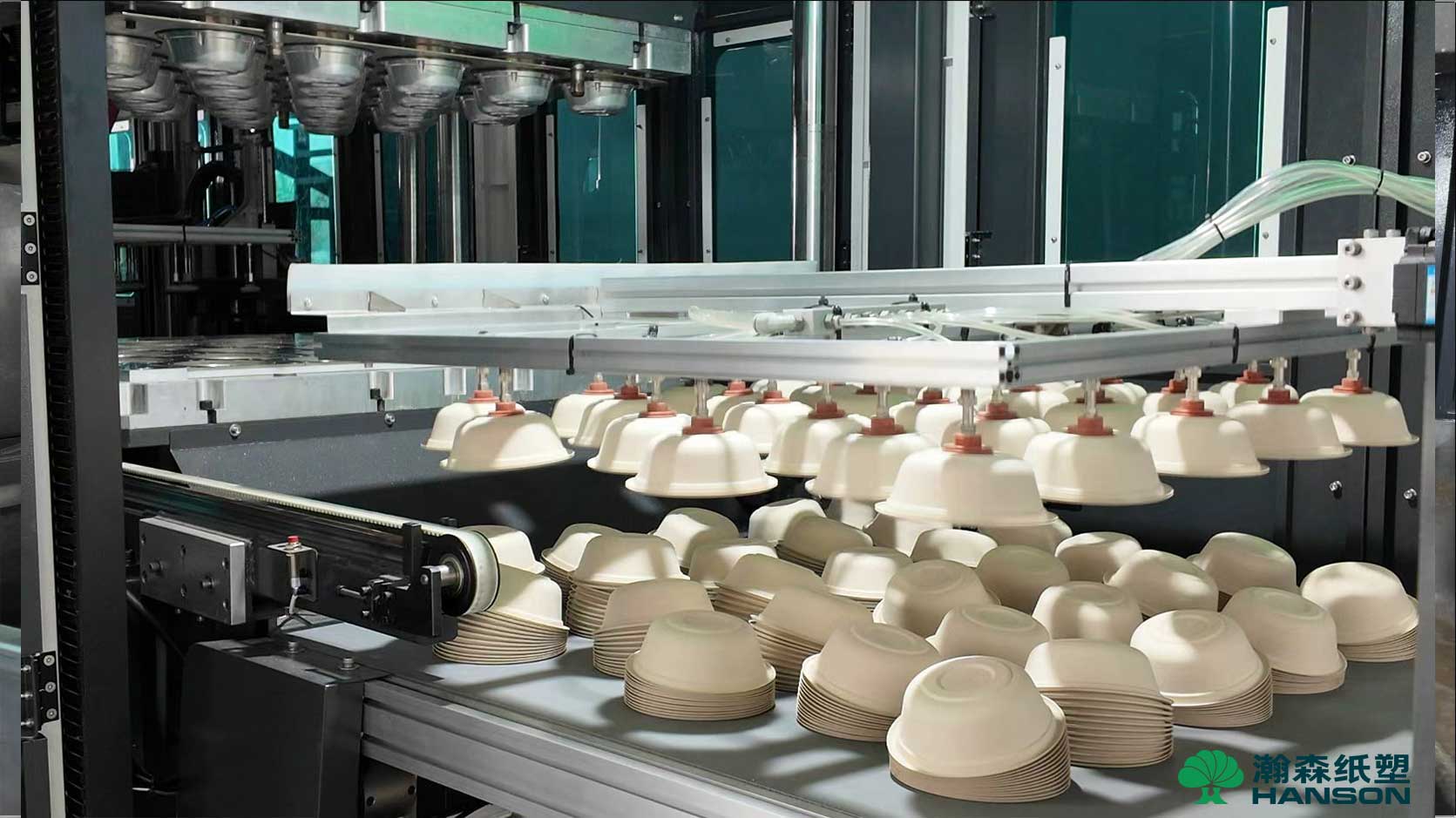
As pulp molding factories continue to improve their level of automation, downstream processes are becoming increasingly important.
Depending on the product type and production capacity, the production line can be further equipped with:
- Automatic stacking
- Counting
- Visual inspection
- Edge trimming
- Automatic packaging
- Finished-product conveying
Properly configured downstream automation can reduce repetitive manual operations while improving production cycle efficiency and product consistency.
5. Mold and Product Development
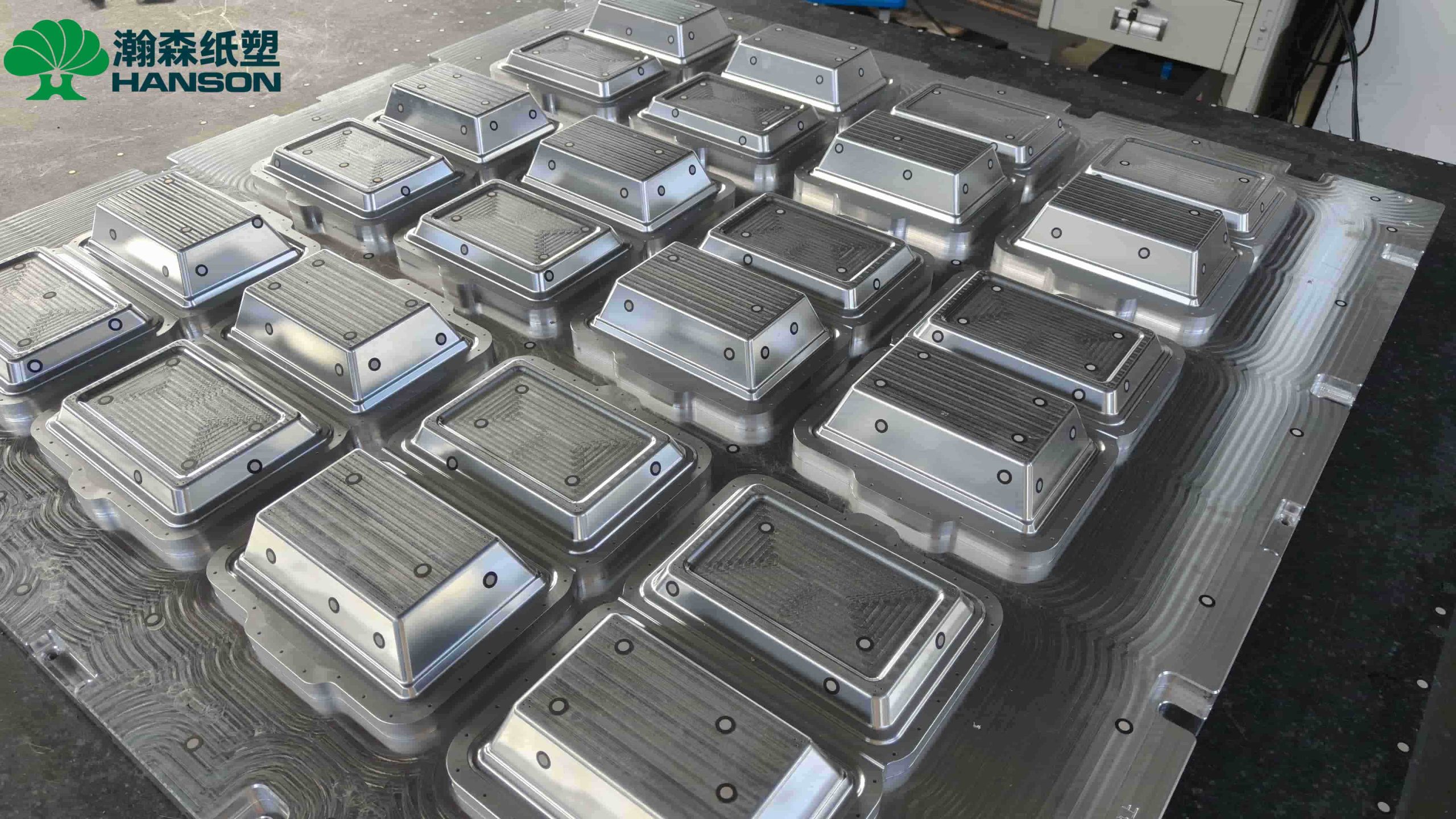
Whether a pulp molded tableware production line can achieve smooth mass production also depends on mold design and product processing technology.
When the same production line is used for different products, the mold structure, number of cavities, forming method, and downstream process integration may all vary.
Therefore, before purchasing equipment, it is recommended to clarify the following:
- What products are you planning to manufacture?
- What are the dimensions and basis weight of each product?
- What is the expected production capacity?
- What raw materials will be used?
- Are automatic edge trimming, inspection, and packaging required?
- Are product samples, drawings, or application references available?
6. How to Choose a Pulp Molded Tableware Production Line?
When selecting a manufacturer of biodegradable tableware equipment, it is not recommended to compare suppliers based solely on the price of an individual machine.
More importantly, you should evaluate whether the manufacturer can provide a complete solution covering products, production capacity, pulping systems, forming equipment, molds, downstream automation, and factory conditions.
Hanson Pulp Molding provides support for pulp molding projects, including turnkey plant planning, pulping systems, forming equipment, molds, downstream automation, and project implementation support.
If you are planning an eco-friendly tableware project, premium molded tableware production line, or complete pulp molding plant, contact us to discuss your product requirements and equipment solution.