In pulp molding projects, customers often face a common question:
Should they choose fully automatic pulp molding equipment or a conventional forming machine?
The difference is not simply a matter of which one is “more advanced” or “less advanced.” Instead, the right choice depends on the product type, production capacity, and factory conditions.
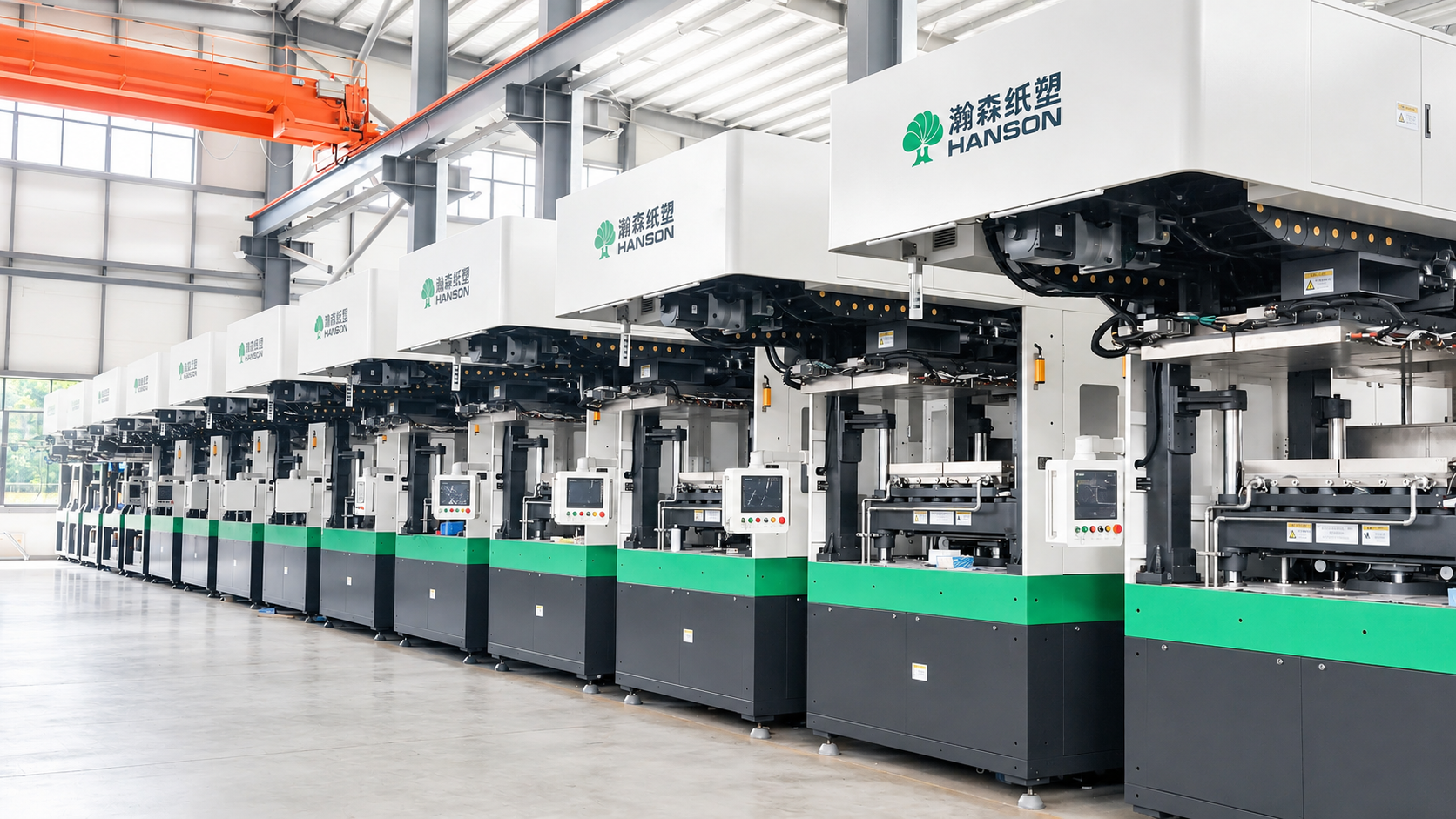
1. What Does a Conventional Pulp Molding Forming Machine Mainly Do?
A conventional pulp molding forming machine mainly focuses on the formation of wet molded products.
Through processes such as pulp suction, dewatering, and transfer, the machine forms pulp into an initial wet product. Subsequent processes, including hot pressing, trimming, stacking, and packaging, may require separate equipment or additional manual operations.
The main advantages of conventional forming machines include:
- Relatively flexible configuration
- Flexible approach to initial investment
- Suitable for products with relatively simple processing requirements
- Can be upgraded step by step according to factory requirements
However, when more downstream processes are required, the need for manual handling and production management also increases.
2. What Are the Key Features of Fully Automatic Pulp Molding Equipment?
Fully automatic pulp molding equipment places greater emphasis on the continuous integration of different production processes.
Depending on the product and production line configuration, the equipment can integrate or connect processes such as:
- Forming
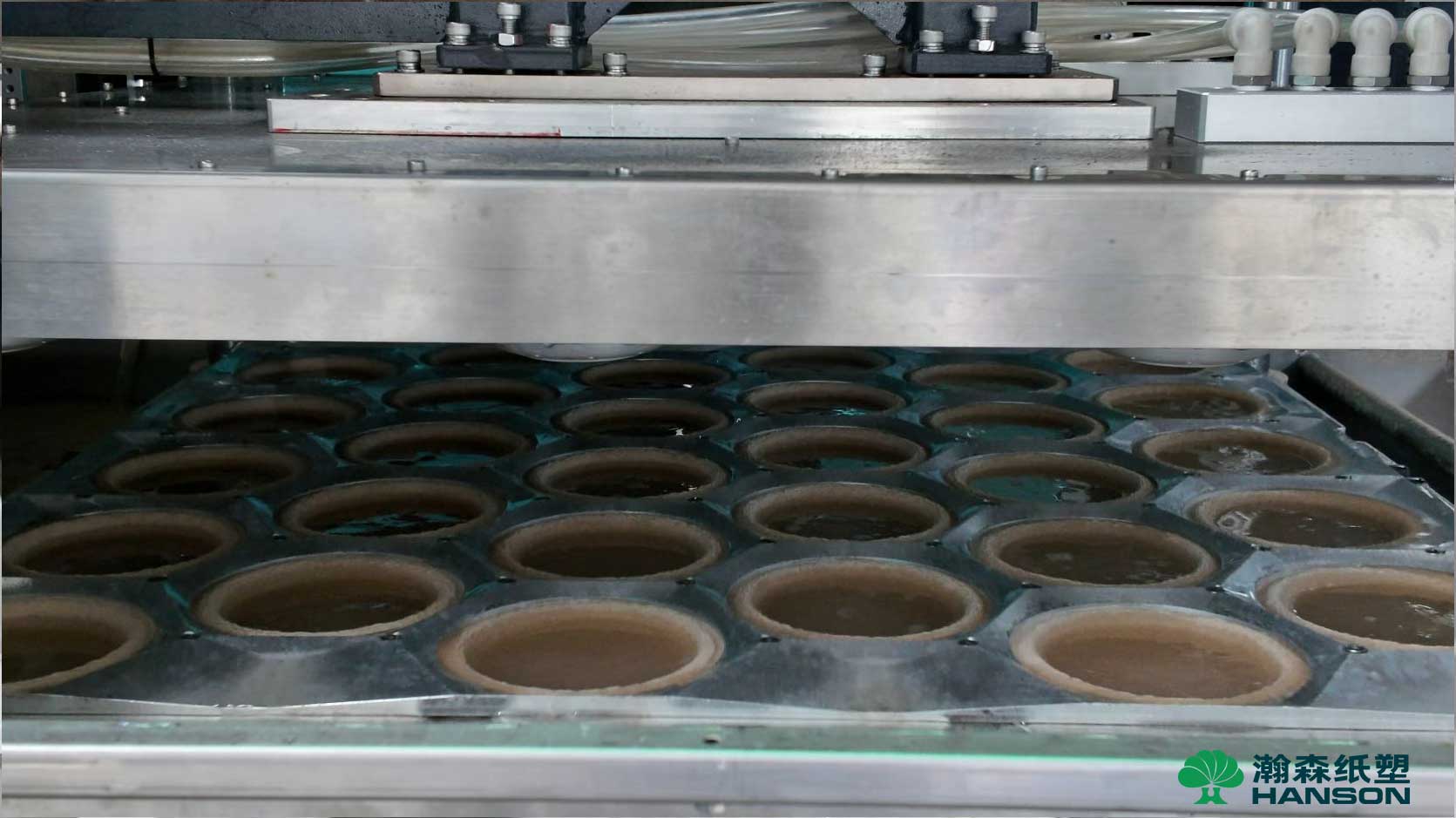
- Hot pressing
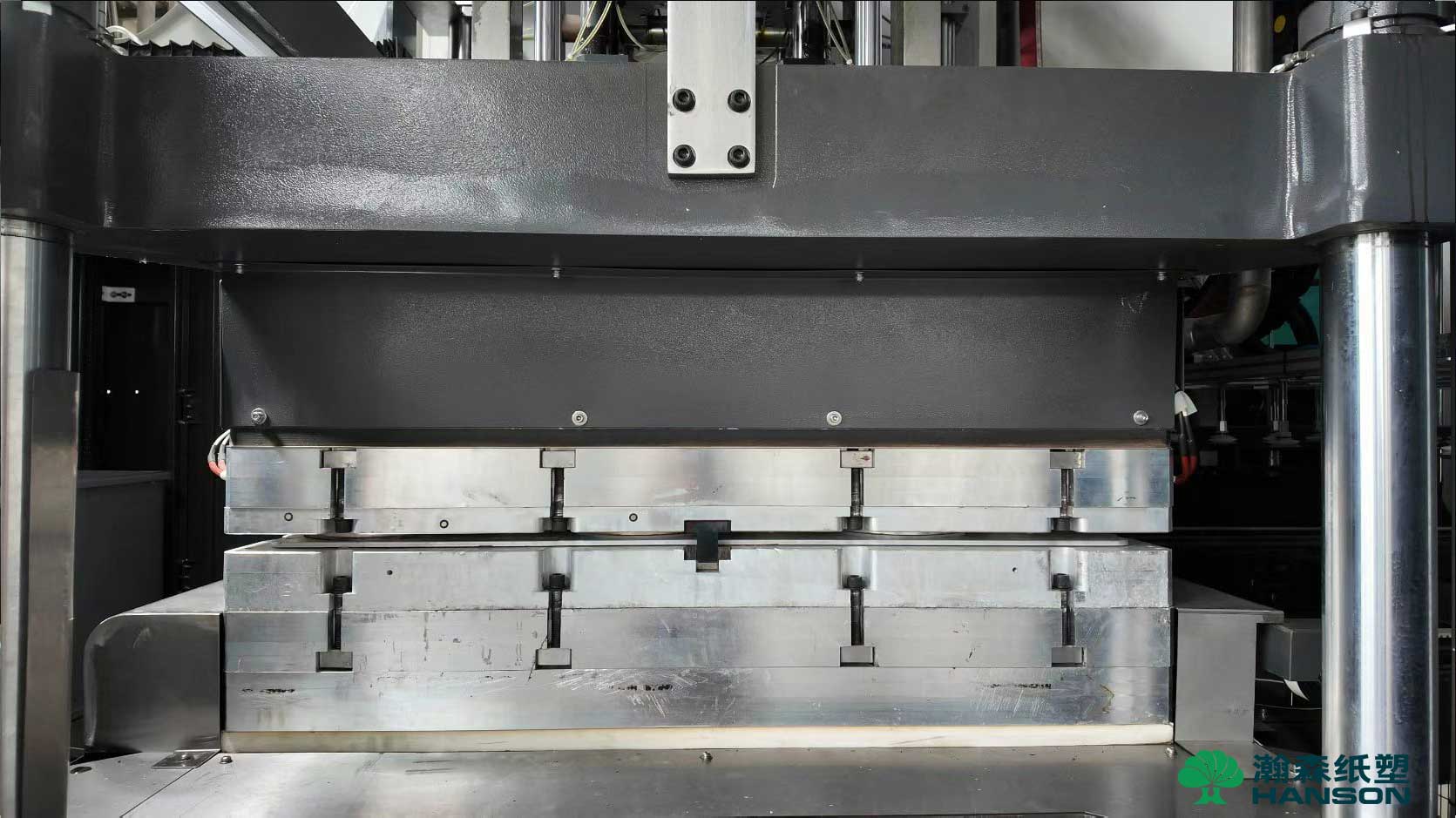
- Trimming
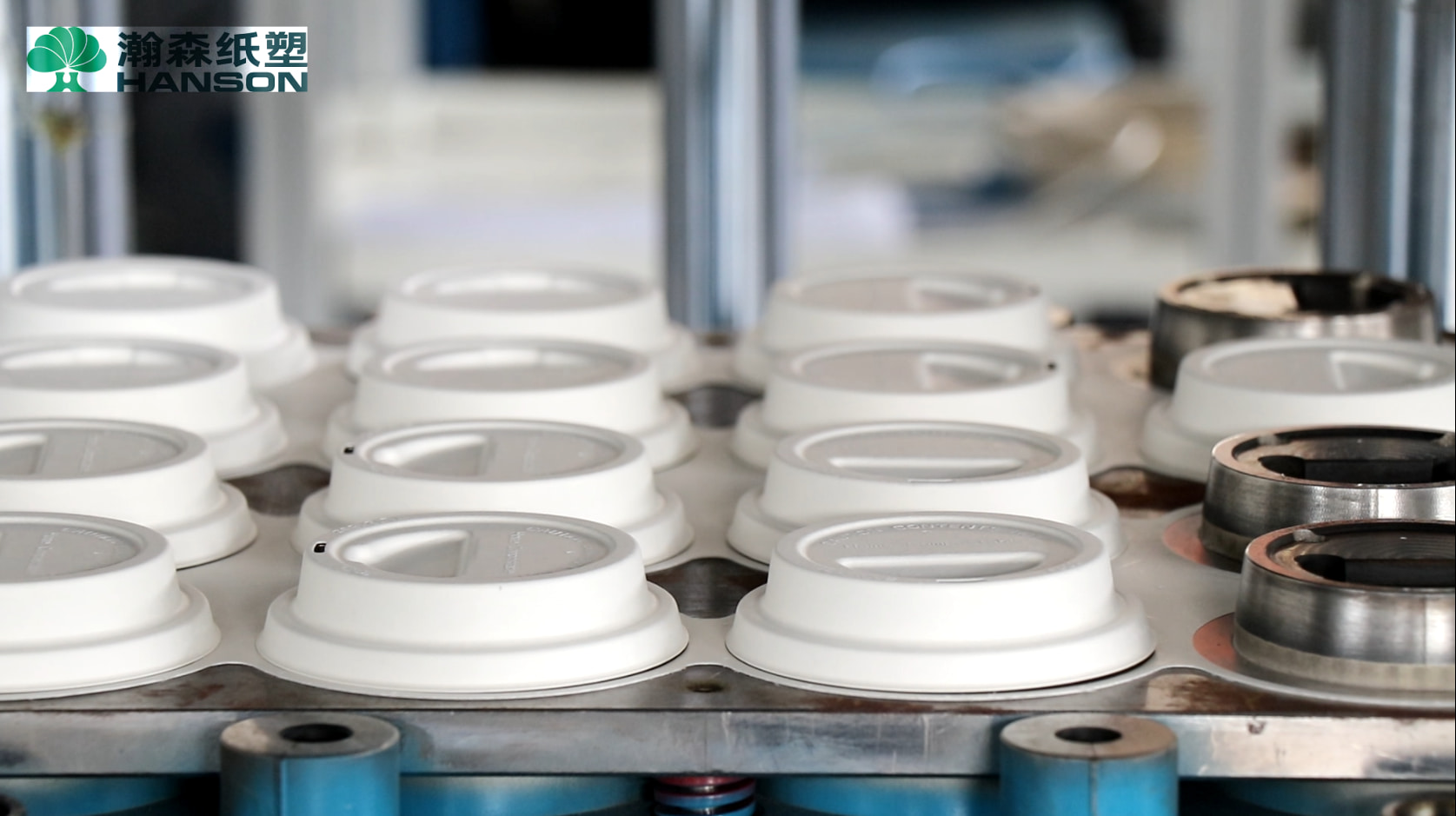
- Stacking
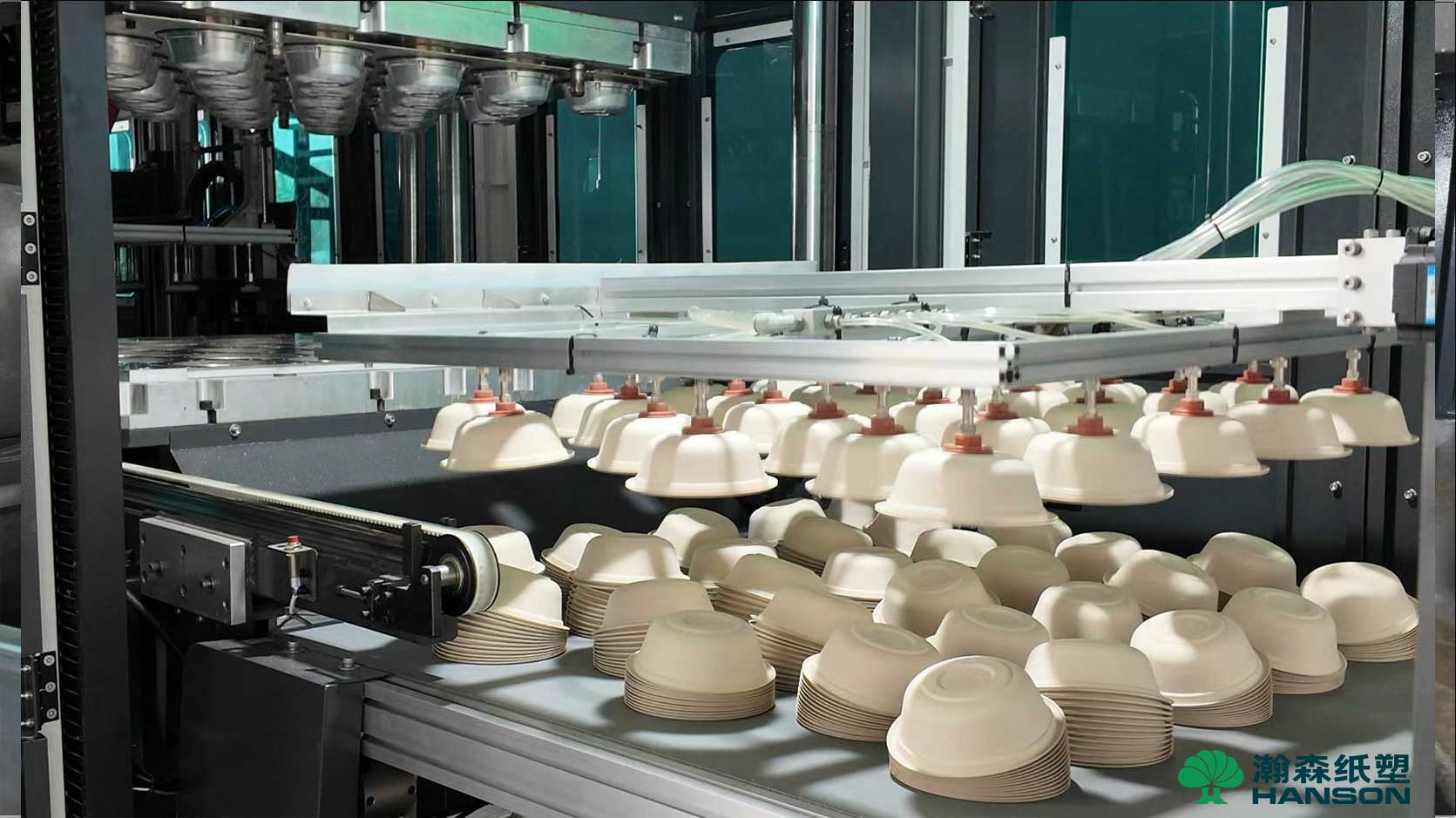
- Inspection
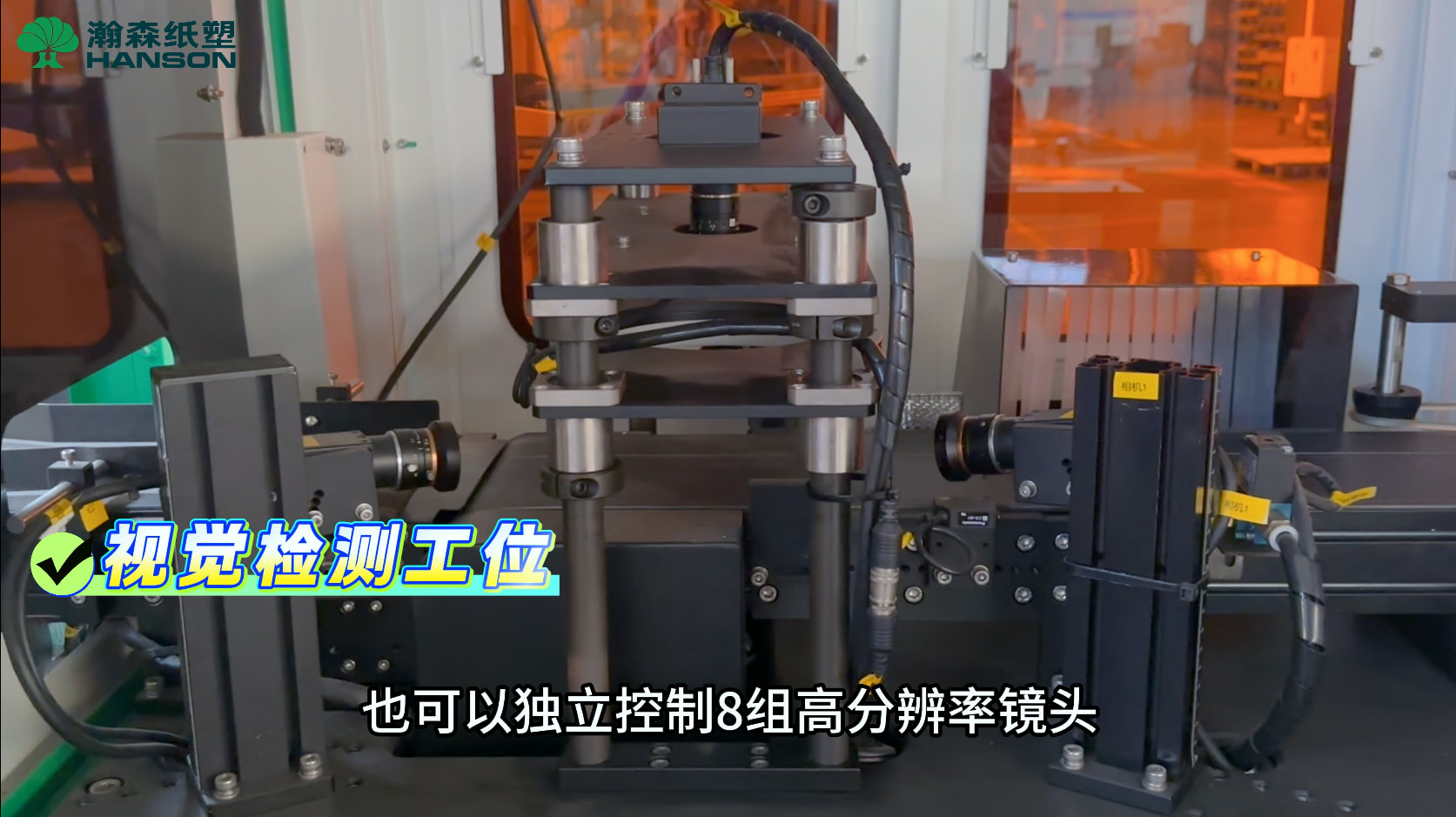
- Counting
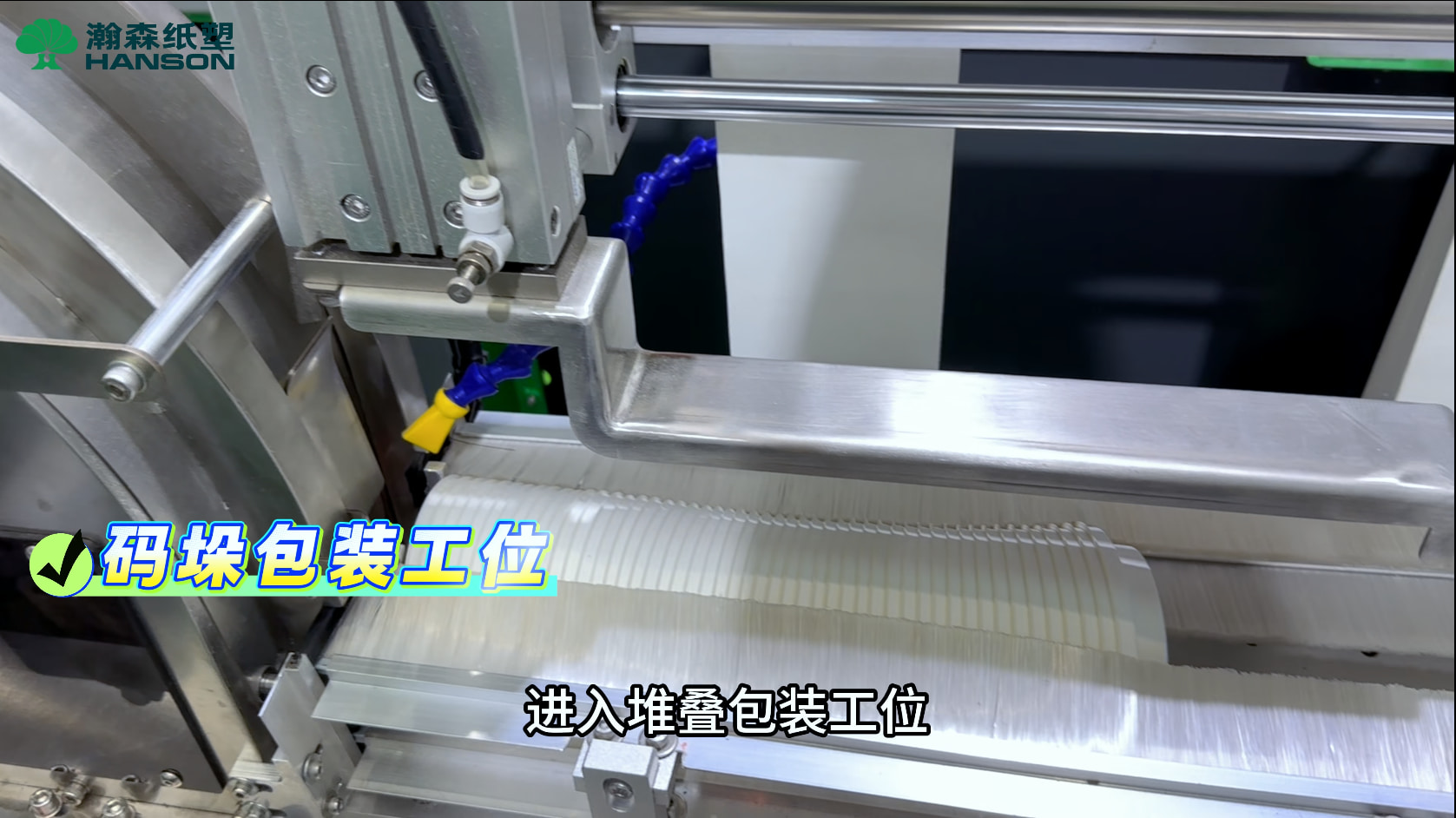
- Packaging

The core value of fully automatic pulp molding equipment is not simply reducing the number of workers. More importantly, it helps improve production cycle consistency and coordination between different processes.
3. What Are the Main Differences Between the Two?
1. Different Methods of Process Integration
Conventional equipment may require manual handling between processes or separate machines to connect different production stages.
Fully automatic equipment places greater emphasis on matching the production cycles of upstream and downstream processes, helping reduce intermediate waiting time and repetitive operations.
2. Different Labor Requirements
Generally, the higher the level of automation, the lower the dependence on manual operators during production.
At the same time, highly automated equipment places higher requirements on production planning, equipment commissioning, and operator training during the early stages of a project.
3. Different Product Adaptability
Different products have different equipment requirements.
Products with a high degree of standardization and stable production volumes are generally more suitable for a higher level of automation.
For projects with frequent product changes or products that are still in the development stage, a more flexible equipment configuration may be a better choice.
4. Different Investment Approaches
Conventional forming machines are generally more suitable for projects that plan to invest and upgrade in stages.
Fully automatic equipment is more suitable for projects that have a clear target for stable, high-volume production and require an integrated production solution from the beginning.
4. How Should You Choose?
Before purchasing pulp molding equipment, buyers can first consider the following questions:
- Is the product type already confirmed?
- What is the expected annual production volume?
- Is continuous mass production required?
- What is the current labor configuration of the factory?
- Is automation required for the downstream processes?
- Does the product need to be changed frequently?
- Is there a plan for future production expansion?
The selection of pulp molding equipment should not be based on a single machine alone. Instead, it should be evaluated based on the requirements of the entire production line.
Hansen Pulp Molding can provide equipment and production line planning recommendations based on the customer’s product type, target production capacity, factory conditions, and automation requirements.