Investing in a molded fiber egg box project involves much more than simply comparing the prices of forming machines. Unlike standard protective egg trays, egg boxes (or egg cartons) feature structural hinges, locking mechanisms, and exterior display surfaces. This requires a comprehensive production approach that connects forming, dewatering, drying, hot pressing, and stacking.
Before purchasing a molded fiber egg box machine, industrial buyers should thoroughly evaluate the following five conditions to ensure a stable and profitable commercial production setup.
1. Product Structure and Process Route Evaluation
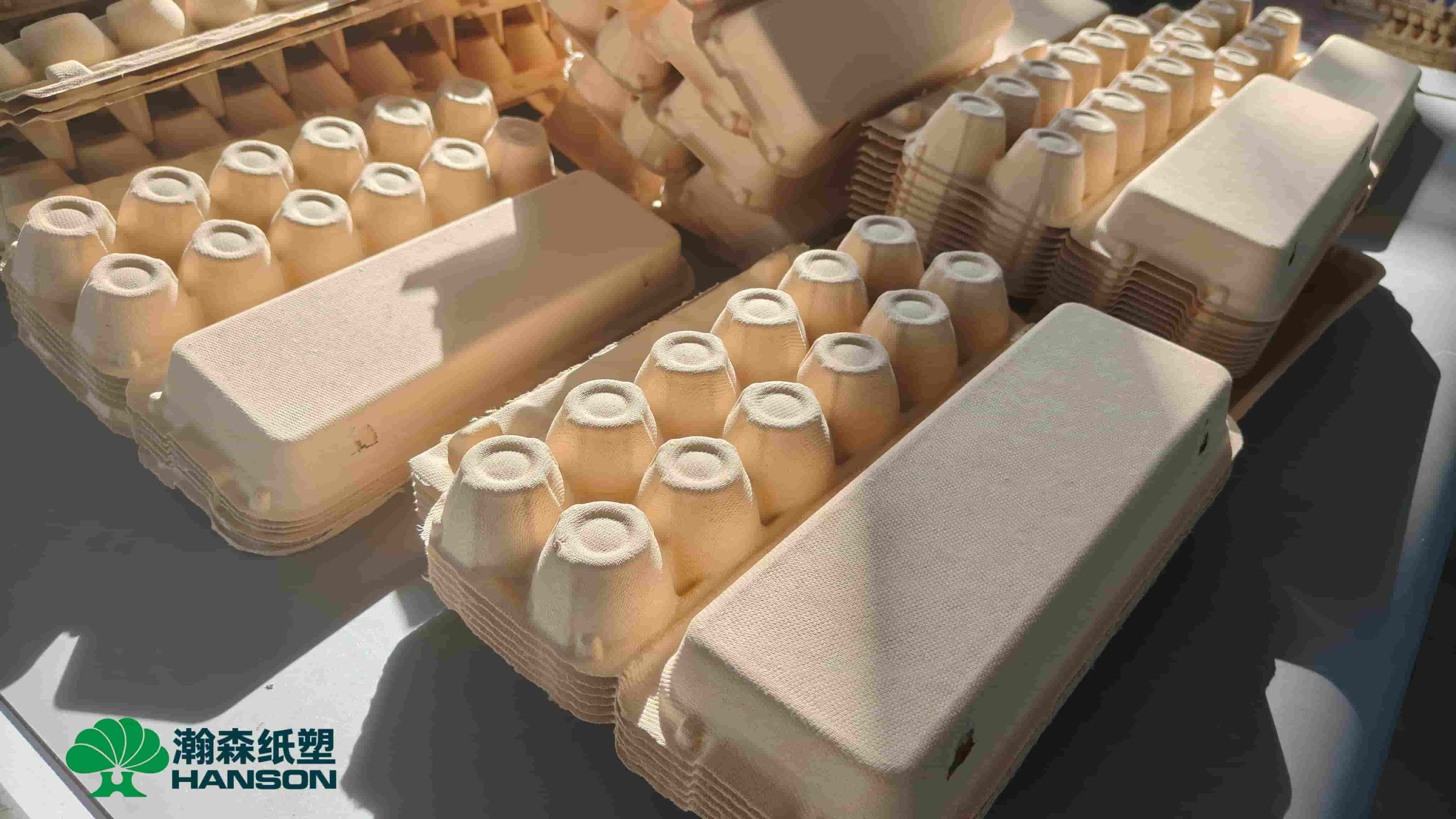
Egg boxes generally fall under transfer molded or dry press pulp molding applications. However, because an egg box requires its upper and lower lids to close securely via hinges and locks, dimensional stability is far more critical here than in standard heavy-duty transport trays.
When planning your equipment purchase, you must decide whether the product requires secondary processing. A standard wet-forming and drying process might leave the carton with slight warpage. To achieve tight closures and a smoother surface, the production line must integrate hot pressing after the drying phase.
2. Pre-Dewatering and Drying Energy Efficiency
The core challenge of pulp molding is efficiently removing water from the fiber. The wet preform contains a massive amount of moisture immediately after vacuum forming. If all this water is left for the tunnel dryer to evaporate, the thermal energy consumption will skyrocket.
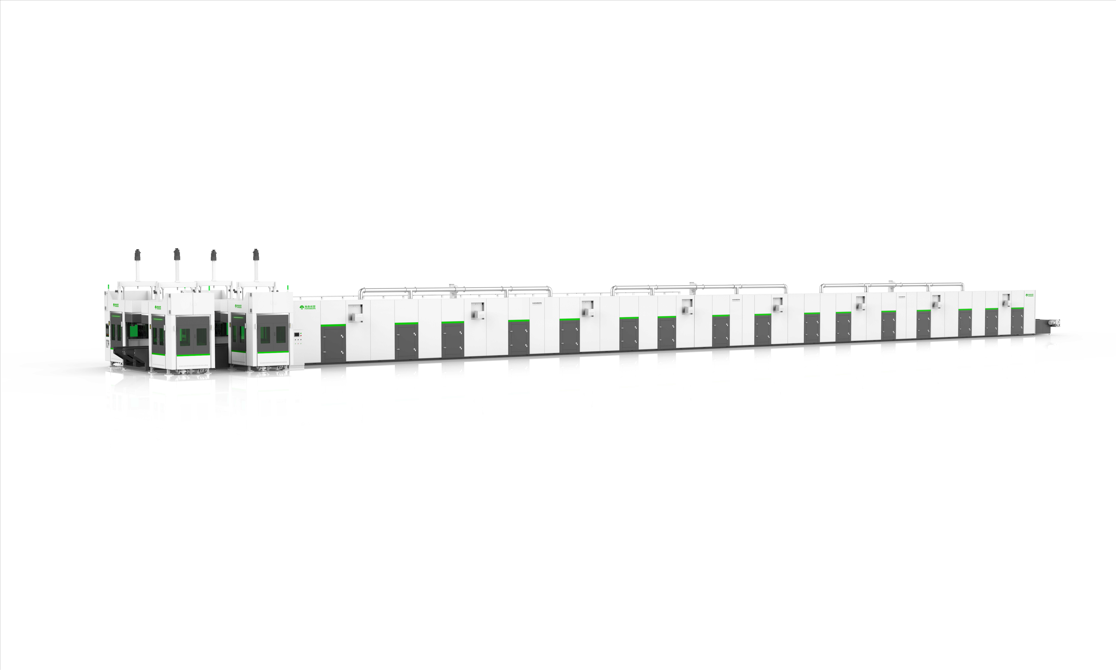
Advanced solutions, such as the automatic dry-press pulp molding production line designed by Hanson Pulp Molding, integrate a cold pressing (pre-dewatering) station right between forming and drying. This crucial step physically squeezes out excess water, significantly reducing the moisture content before the wet preform enters the double-layer tunnel dryer. Not only does this cut down gas and electricity consumption, but it also minimizes product deformation and reduces scale buildup on the tooling, extending maintenance cycles.
3. Hot Pressing for Dimensional Stability
As fiber dries, it naturally shrinks and can warp. For an egg box, a warped hinge means the carton will not close properly.
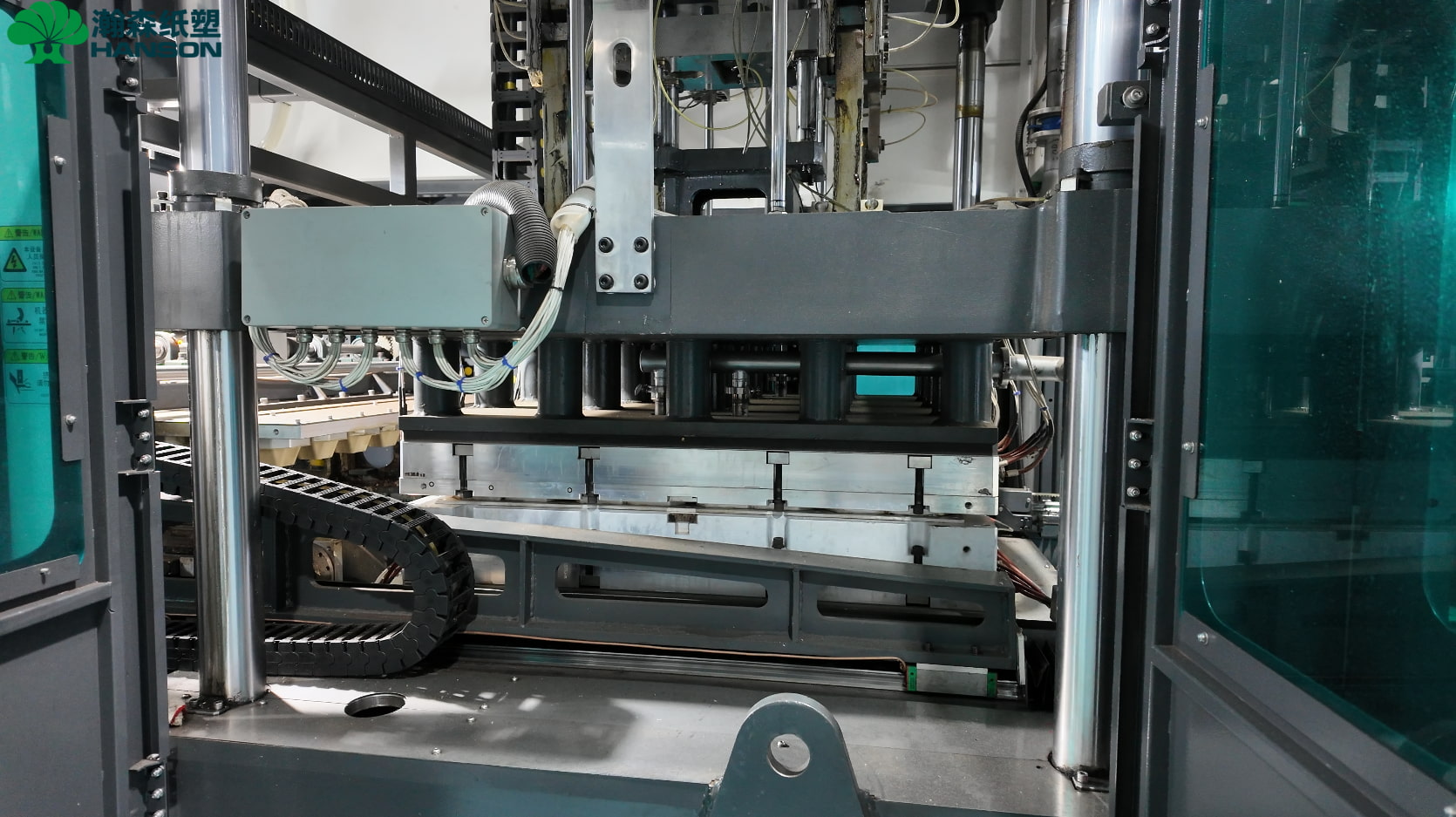
By applying controlled temperature and pressure in a hot press mold, the egg box is reshaped and solidified. The Hanson Pulp Molding dry-press line features servo-driven hot pressing stations integrated directly into the system, utilizing automated transfer mechanisms to move the product from the dryer seamlessly into the press. This ensures dimensional accuracy, enabling the cartons to meet retail packaging standards.
4. True Production Capacity and Tooling Configurations
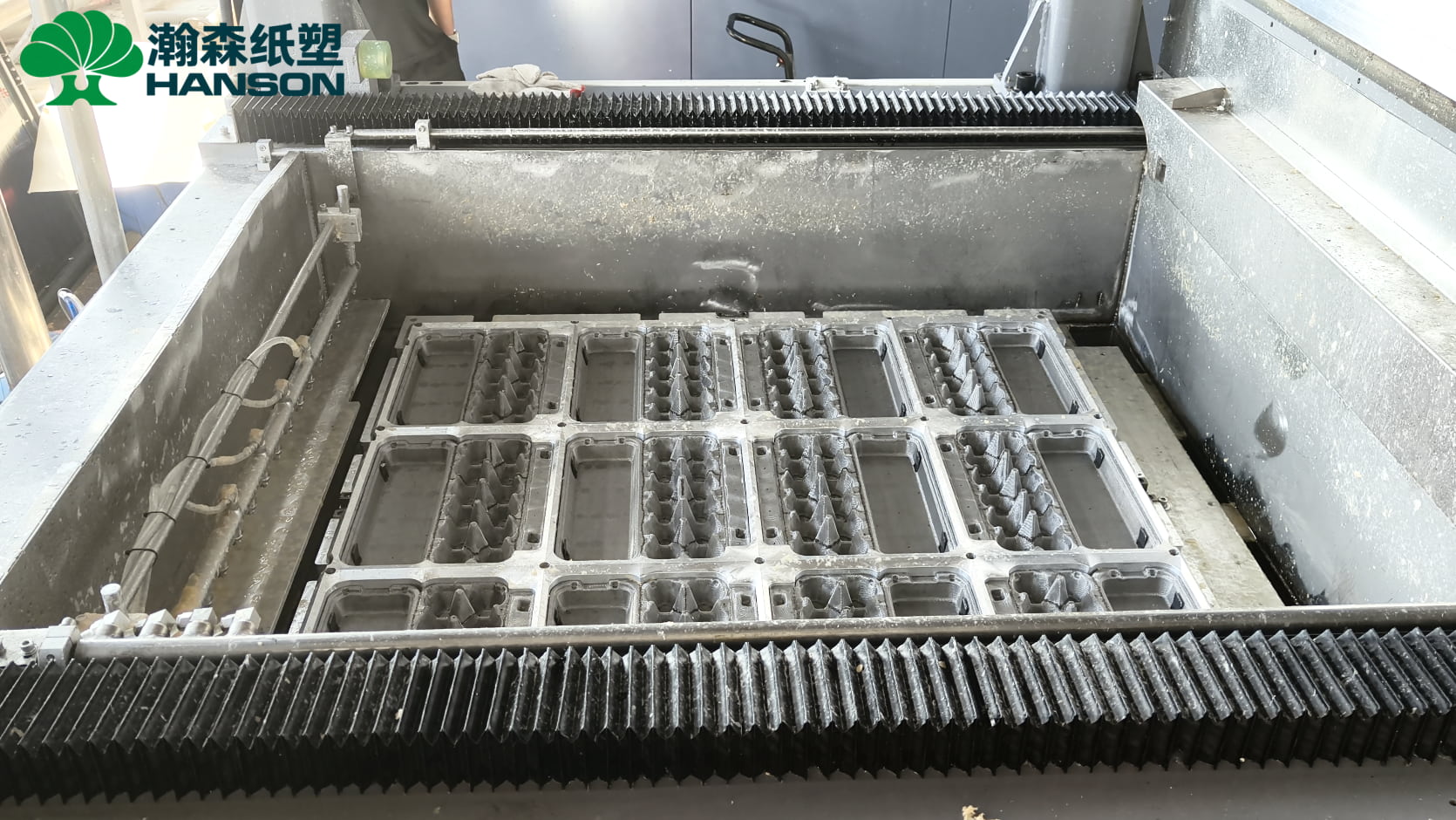
A common mistake in equipment procurement is calculating daily output based solely on theoretical cycle times. True actual output is influenced by the product’s weight, dimensions, the number of mold cavities, the dryer’s evaporation capacity, and the overall plant uptime.
For example, a heavier egg box requires more fiber per cycle, which demands more dewatering time and increases the drying load. Hanson Pulp Molding configures the tooling and equipment parameters based on specific product geometry and weight to provide accurate output projections, ensuring that the machine’s capacity matches your business model.
5. Plant-Wide Synergy: Pulping and Post-Processing
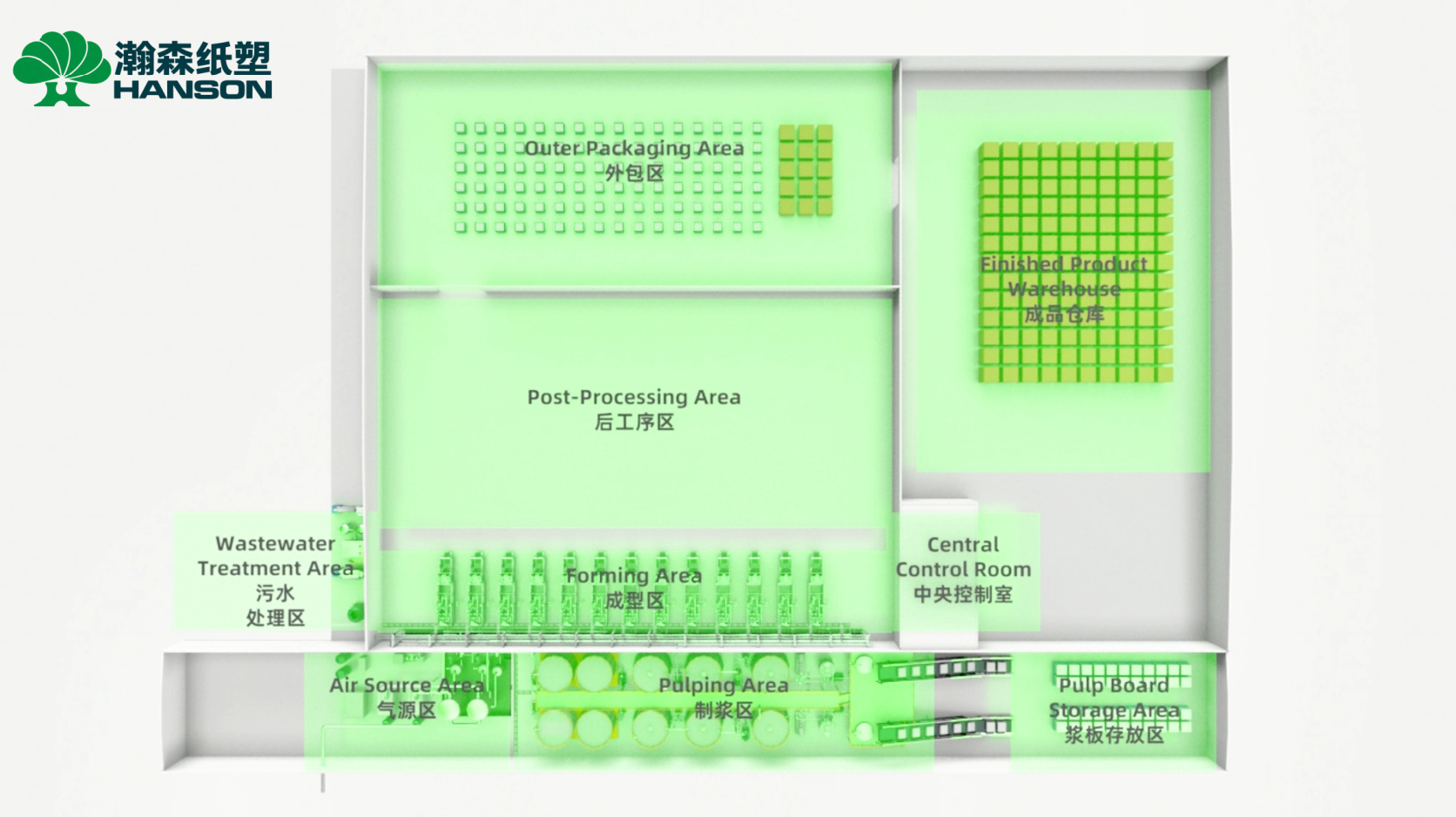
A high-speed forming machine is useless if it outpaces its pulping system. The pulp preparation system must deliver a consistent slurry concentration to ensure product uniformity across every batch. Furthermore, post-processing steps like automated stacking and packaging must be synced with the main line to prevent bottlenecks.
As a specialist in turnkey pulp molding solutions, Hanson Pulp Molding evaluates the entire production flow—from raw material pulping to the final stacking stage—ensuring that utilities, tooling, and machinery function as one cohesive unit.
Conclusion
Purchasing a molded fiber egg box machine requires analyzing the product’s functional needs—such as hinges and closure stability—and matching them with the right process sequence. A well-designed production line incorporating pre-dewatering, energy-efficient drying, and precision hot pressing will yield higher-quality cartons while keeping operational costs under control.
FAQ
Why is cold pressing (pre-dewatering) necessary for an egg box production line? Cold pressing removes excess moisture from the wet preform before it enters the dryer. This reduces thermal energy consumption, prevents excessive heat deformation, minimizes scale buildup on the tooling, and improves the overall uptime of the production line.
Will changing the mold affect the daily output of the machine? Yes. Different molds change the number of cavities and the total weight of fiber processed per cycle. A heavier product takes longer to dewater and dry, which alters both the cycle time and the actual daily production volume.
Does an egg box machine require a hot pressing station? Typically, yes. Because egg boxes feature hinges and locking mechanisms, hot pressing after the drying stage helps to reshape the carton, control natural fiber shrinkage, and ensure that the lid closes securely and accurately.
Commercial Support
If you already have a product sample, 3D drawing, product dimensions, or target daily capacity, Hanson Pulp Molding can help evaluate the molding process, tooling, and equipment configuration for your project.
WhatsApp: +86 15920604830
Email: linchuangcheng@hspulpmolding.com