
Bamboo Pulp Molding Mold Development: Key Material Adaptation Checks Before Tooling
Cutting aluminum or steel for bamboo pulp molding molds directly from a 3D product file often leads to costly rework during sampling. Because bamboo pulp differs from bagasse or softwood pulp in fiber stiffness, drainage resistance, and thermal pressing response, tooling teams must verify pulp formulation, target molding process, surface and additive requirements, and machine specifications before freezing mold design.
When mold engineering aligns with how bamboo fibers dewater and consolidate, factories achieve cleaner surfaces, steadier cycle times, and far fewer trial modifications.
How Bamboo Fiber Behavior Shapes Dewatering and Surface Finish
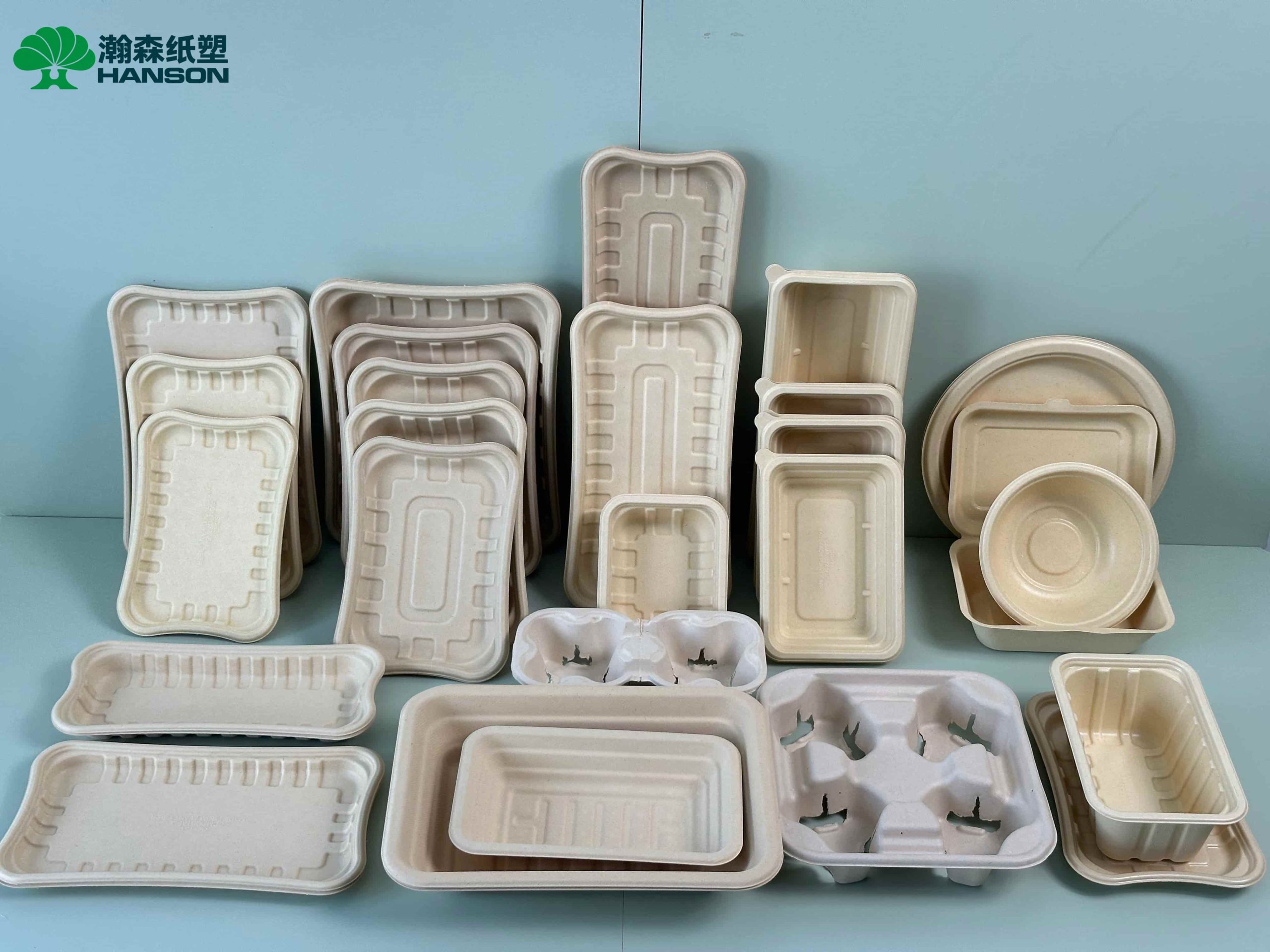
In commercial molded fiber production, bamboo pulp is commonly used for wet-press tableware, food containers, and smooth-surface protective inner trays—applications with very different structural logic from dry-press egg trays. Two fiber-driven interactions sit at the center of tooling performance:
-
Fiber-to-dewatering synergy: Bamboo fiber morphology, refining degree, and blend ratios directly govern drainage resistance across the forming screen. If vacuum hole distribution and wire mesh specifications do not match the pulp’s drainage speed, the wet preform can carry uneven moisture into the hot press, resulting in thin corners, uneven wall density, or localized weak spots in deep cavities.
-
Fiber-to-surface synergy: During wet-press thermoforming, fiber stiffness, spring-back tendency, and steam release determine final smoothness, embossing clarity, and edge cleanliness. Insufficient draft angles, tight corner radii, or poorly balanced venting increase friction during demolding—triggering fiber fuzzing, scuff marks, water stains, or sticking.
Because raw bamboo pulp varies by origin and pulping method, tooling design should rely on confirmed pulp samples and production conditions rather than generic assumptions or fixed textbook parameters.
Four Material and Process Inputs to Lock Before Tooling Starts
Before releasing drawings to CNC machining, product developers and tooling engineers should confirm four baseline inputs in writing:
-
Pulp Grade and Blend Formula: Specify unbleached versus bleached bamboo pulp, pure bamboo versus blends (such as bamboo-bagasse or bamboo-wood pulp), and incoming pulp format. Blend changes shift both wet-web strength and hot-press consolidation behavior.
-
Product Application and Structural Boundaries: Clarify whether the part is wet-press food packaging or a smooth industrial tray. Lock down smooth-side versus mesh-side orientation, rib geometry, logo embossing depth, and trimming method (in-mold trimming or secondary die cutting).
-
Additives and Appearance Standards: For foodservice items using water- or oil-repellent additives or sizing agents, inform the mold maker early. Chemical additives affect demolding release behavior and residue buildup on hot-press surfaces, influencing surface finishing and cleaning schedules.
-
Press and Auxiliary Compatibility: Provide mounting dimensions, platen size, heating method, vacuum capacity, and target cycle expectations so the tooling matches actual press constraints.
Aligning Mold Engineering With Bamboo Pulp Production
Once material inputs are fixed, molded fiber tooling design must balance uniform suction with consistent hot-press contact:
-
Drainage hole layout and wire mesh wrapping: Hole diameter and spacing should be tuned across flat faces, deep sidewalls, and tight transitions to keep suction uniform. Proper mesh selection and tight mesh wrapping help maintain efficient dewatering while keeping screen marks controlled on the textured side.
-
Draft angles, radii, and pressing clearance: Generous transition radii and practical draft angles reduce demolding drag on stiffer bamboo fibers. On the hot-press side, uniform cavity clearance and clean vapor escape paths are critical to preventing blisters, burn marks, or uneven compaction.
Bridging pulp behavior, machine setup, and precision tooling requires cross-functional engineering. Through Hanson Pulp Molding’s mold and tooling services, a dedicated mold division with 10 senior designers—and 500 pulp molding molds manufactured to date—reviews product geometry alongside pulp and press conditions before machining begins. Key fabrication stages such as high-speed CNC machining (up to 24,000 rpm), 3D scanning inspection, precision drilling, wire mesh wrapping, and assembly are controlled to hold consistent pressing clearance and surface finish. Service scopes also follow clear equipment pathways: new molds built for Hanson equipment include product development, full tooling manufacturing, trial molding verification, and mass production support; new molds built for third-party equipment cover product development, full tooling manufacturing, and mass production support aligned with the customer’s press specifications.
Troubleshooting Bamboo Pulp Trials Without Blaming the Mold First
When sampling trials show thin corners, warping, sticking, or rough edges, modifying metal should never be the first reaction. Troubleshoot variables in this order, validating every adjustment on the live press:
-
Pulp and slurry preparation: Verify slurry consistency, refining degree, blend stability, and chemical additive dosing.
-
Process parameters: Check suction time, vacuum level, hot-press temperature, pressing pressure, and dwell time against actual wet-blank moisture.
-
Equipment condition: Inspect platen parallelism, heating uniformity across zones, and vacuum/air-blow stability.
-
Mold and mesh status: Check for clogged mesh pores, blocked drainage holes, uneven surface buildup, or local clearance deviations.
-
Post-processing: Review trimming die alignment, cooling/stacking fixtures, and ambient humidity control.
If you are planning a bamboo pulp molding project, share your product CAD files, intended pulp blend, and press specifications with Hanson Pulp Molding before cutting tooling to review material adaptation risks and streamline your path to stable production.
FAQ
Q1: Do we need different mold designs when switching between 100% bamboo pulp and a bamboo-bagasse blend? Yes, the blend should be confirmed before tooling design is finalized. Switching pulp ratios changes drainage resistance, wet-web strength, and hot-press compression behavior. A vacuum hole pattern and wire mesh chosen for a blended slurry may dewater unevenly or leave heavier mesh impressions when run with pure bamboo pulp. If dual formulations are planned, inform the tooling team upfront so drainage and draft design can accommodate both.
Q2: If bamboo pulp parts stick to the hot-press mold or show surface fuzzing, is the mold finish always at fault? No. While rough cavity surfaces or tight draft angles can contribute to scuffing and sticking, slurry and process issues are equally common root causes. Fluctuations in refining degree, oil-repellent additive levels, excessive mold temperature, or insufficient steam venting frequently trigger sticking and fuzzy surfaces. Always check slurry preparation and hot-press parameters before polishing or altering cavity dimensions.
Q3: Can Hanson Pulp Molding manufacture bamboo pulp molds for non-Hanson molding machines? Yes. For customers operating third-party machines, Hanson Pulp Molding’s tooling services cover product development, complete mold design and manufacturing, and mass production support. Before design begins, your team provides press platen drawings, mounting layouts, stroke limits, heating/vacuum configurations, and product files so the molds integrate directly with your existing line.
Preparing a new bamboo pulp packaging program? Submit your 3D part files, target pulp formulation, and press interface specifications to Hanson Pulp Molding for a pre-tooling design and material adaptation review. Contact details: [+86 15920604830].