
When molded fiber parts split at the corners or tear along deep sidewalls during hot press molding, the hot-pressing mold is usually the first suspect. In practice, cracking is rarely caused by the tooling alone. It is typically the combined result of product geometry stress, uneven wet-blank moisture, mismatched molding temperature and pressure, and mold clearance or platen alignment issues. Pulling a mold off the press for immediate rework without isolating the root cause wastes production time and can compromise mold closing precision.
1. Product Design Factors: Corner Stress and Uneven Thickness
Unlike injection molding—where molten resin flows freely into tight corners—wet-press pulp molding relies on dewatering and compressing fibrous wet-blanks under heat and pressure. Two design flaws frequently trigger cracking:
-
Tight Corner Radii and Insufficient Draft: Sharp inner or outer radii combined with near-vertical sidewalls (low angle demoulding or zero demoulding zones) subject fibers to excessive shear and tensile stress during mold closing, causing predictable splits along corner transitions.
-
Abrupt Wall Thickness Variations: Deep ribs, steep steps, or sudden transitions between the base and sidewalls create uneven thickness during pulp suction. During hot pressing, thick sections over-compress while thin sections remain under-pressed, creating uneven shrinkage that cracks the part upon mold opening or stripping.
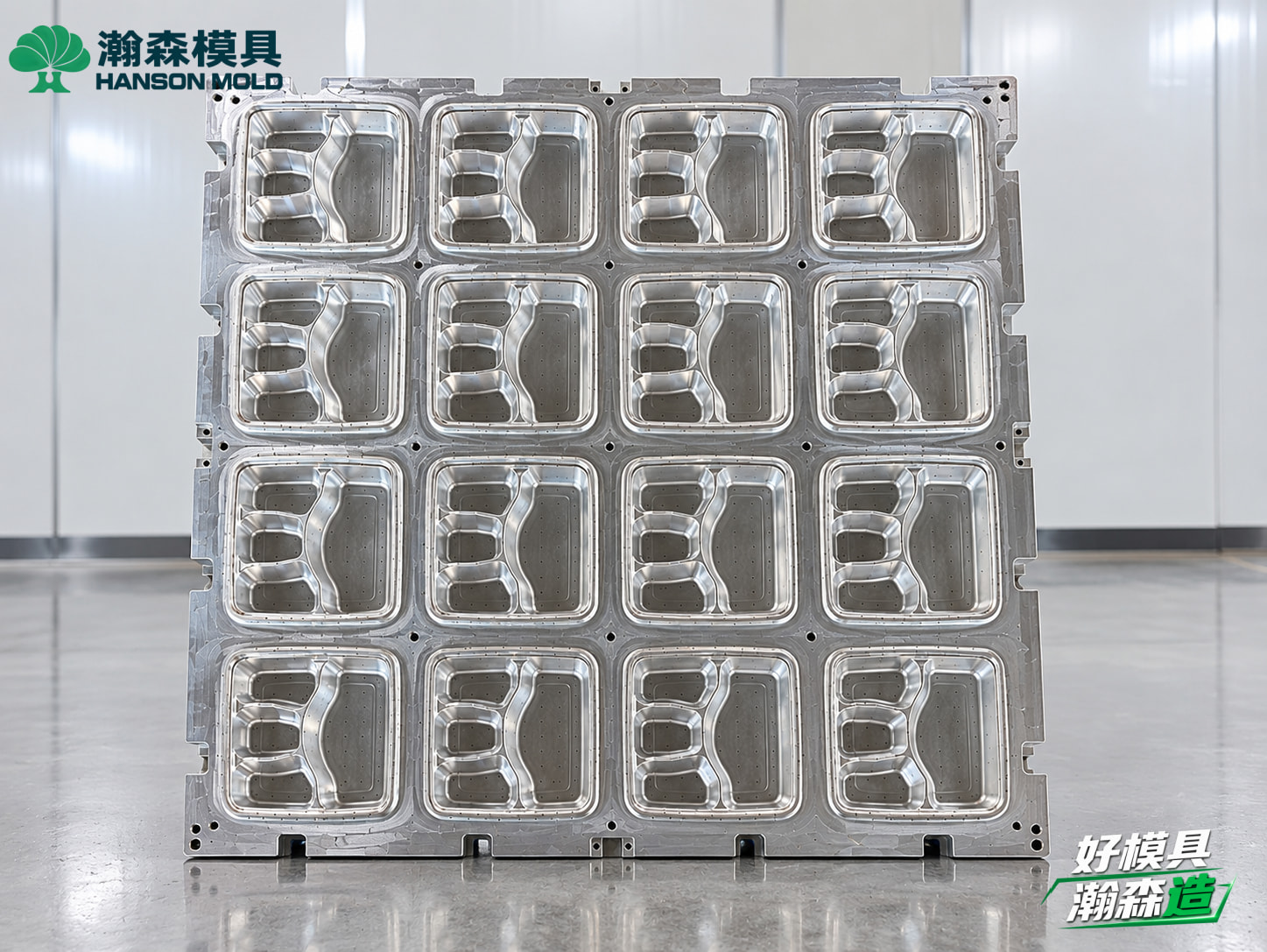
2. Pulp Formulation and Process Parameters: Moisture, Temperature, and Pressure
Before modifying metal, verify the wet-end and thermoforming window. A large share of sudden cracking episodes traces back to process drift:
-
Moisture of the Wet Preform: Standard wet-blanks typically enter the hot press at roughly 60%–80% moisture content depending on fiber blend and part GSM [Verification required]. If vacuum dehydration on the suction mold or pressing on the transferring mold is uneven, wet pockets flash into steam at mold closing. When exhaust paths cannot vent that vapor fast enough, steam pressure blows open the fiber matrix. Conversely, an overly dry wet-blank loses fiber flexibility and fractures under compression.
-
Fiber Length and Beating Degree: An excessive ratio of short fibers, improper beating degree, or fluctuating pulp consistency lowers wet strength, causing the preform to tear under normal pressing and demoulding loads.
-
Molding Temperature and Pressure: Overheating the hot-pressing mold scorches surface fibers, making them brittle before core moisture escapes. Excessive molding pressure or an overly aggressive closing speed tears the wet-blank before fibers can compact evenly.
3. Mold Structure and Equipment Alignment: Clearance, Exhaust, and Parallelism
If product geometry and process settings fall within spec, focus on the physical interface between the tooling and the forming machine:
-
Mold Clearance and Closing Height: If the mold gap between upper and lower cavities does not match target part thickness, overly tight zones shear fibers while loose zones wrinkle and split. Thermal distortion over extended runs or loose clamp screws can also shift the effective closing height.
-
Blocked Mesh and Exhaust Channels: Damaged or clogged mesh on the suction mold creates localized thin spots in the wet-blank. Fouled micro-vents or gas chamber plates in the hot-pressing mold trap water vapor and cause steam-induced cracking.
-
Platen Parallelism and Uneven Load: Out-of-level platens or unsynchronized hydraulic cylinders create uneven clamping force across the mold layout—typically showing up as repeated cracking in specific cavities while adjacent cavities run clean.
Isolating these overlapping variables requires looking at process, machinery, and tooling as one system. Hanson Pulp Molding’s dedicated tooling team—backed by 10 senior designers, high-speed CNC machining (up to 24,000 rpm), and 3D scanning inspection—approaches crack diagnostics by mapping cavity-by-cavity wet-blank weight discrepancies against actual 3D-scanned mold clearances before cutting metal. Whether supporting new tooling projects or retrofitting existing molds on non-Hanson machines, aligning tooling tolerances with actual press conditions is the fastest way to stabilize yield rate.
4. Shop-Floor Troubleshooting Sequence: 5 Steps to Isolate the Cause
When cracking interrupts continuous production, work from fast, low-cost checks to invasive tooling modifications (always confirm final parameter changes through on-site trials):
-
Map the Defect Pattern: Check whether cracking occurs across all cavities or only in specific positions. Whole-mold cracking points to pulp consistency, beating degree, or global temperature/pressure; single-cavity cracking points to local mesh blockage, vacuum loss, mold clearance, or platen tilt.
-
Weigh and Inspect Wet-Blanks: Pull unpressed wet-blanks from both good and bad cavities to compare weight, thickness uniformity, and moisture distribution.
-
Adjust Pressing Speed and Exhaust Timing: Slow down the final pressurization ramp, verify uniform heating across platen zones, and confirm adequate steam exhaust dwell.
-
Check Press Mechanical Condition: Verify platen parallelism with a spirit level, inspect guide pins for wear, and review vacuum and air pressure gauge readings.
-
Inspect and Modify Tooling: Only after clearing steps 1–4 should you pull the mold for 3D scanning verification of mold clearance, exhaust hole cleaning, or controlled rework of corner radii and venting.
FAQ
Q1: Why does hot-pressing cracking happen in only one cavity of a multi-cavity mold? Isolated single-cavity cracking rarely indicates a plant-wide pulp or heating issue. Start by inspecting that specific cavity’s suction mold mesh for clogging or tears, and check its vacuum line for flow restrictions that cause uneven wet-blank thickness. Next, verify the hot-pressing mold clearance, exhaust micro-holes, and whether platen tilt or worn guide pins are causing localized uneven clamping pressure.
Q2: Can we eliminate hot-pressing cracks solely by modifying the mold without changing product dimensions? Sometimes, depending on the root cause. If cracking stems from tight mold clearance, plugged steam exhaust channels, or rough cavity surfaces hindering mold release, precision CNC rework, venting upgrades, or polishing can resolve it. However, if the part design contains extreme sharp corners, abrupt wall thickness transitions, or unsupported zero-draft walls, tooling edits alone will only reduce scrap; minor radius adjustments or fiber blend tuning will still be needed.
Q3: Can existing molds running on non-Hanson forming machines be evaluated and retrofitted for cracking issues? Yes. Existing molds operating on third-party equipment can undergo diagnostic evaluation using defect samples, cavity comparison records, and 3D scanning to identify clearance wear, thermal distortion, or inadequate venting, followed by targeted mold optimization and mass-production support. Note that in-house press trials at the tooling facility are not guaranteed for non-Hanson equipment and should be confirmed during project scoping.
Dealing with persistent cracking, cavity-to-cavity yield loss, or tooling clearance drift on your wet-press line? Share your defect photos, 3D part files, and current molding temperature/pressure logs with Hanson Pulp Molding’s tooling team for a structured tooling evaluation and optimization plan. [+86 15920604830]