
During the delivery and acceptance phase of pulp molding tableware equipment, buyers must look beyond theoretical specifications and evaluate real-world production metrics. The theoretical cycle time of a machine does not directly translate to the actual output of a facility. To ensure a turnkey pulp molding project delivers the expected return on investment, plant operators should evaluate the equipment based on actual mass production standards.
When conducting equipment acceptance for bagasse tableware machines, these four core metrics must be systematically verified.
1. Actual Daily Production Capacity vs. Theoretical Cycle Time
A common pitfall during equipment acceptance is focusing solely on the theoretical cycle time. However, the ultimate output of a pulp molding project is influenced by a combination of cycle time, product weight, number of mold cavities, yield rate, and the actual uptime of the machine.
-
Pcs/Day and Tons/Day Conversion: The capacity must be calculated based on the specific product being tested. The same cycle time will yield vastly different tonnages when producing a heavy clamshell versus a lightweight plate.
-
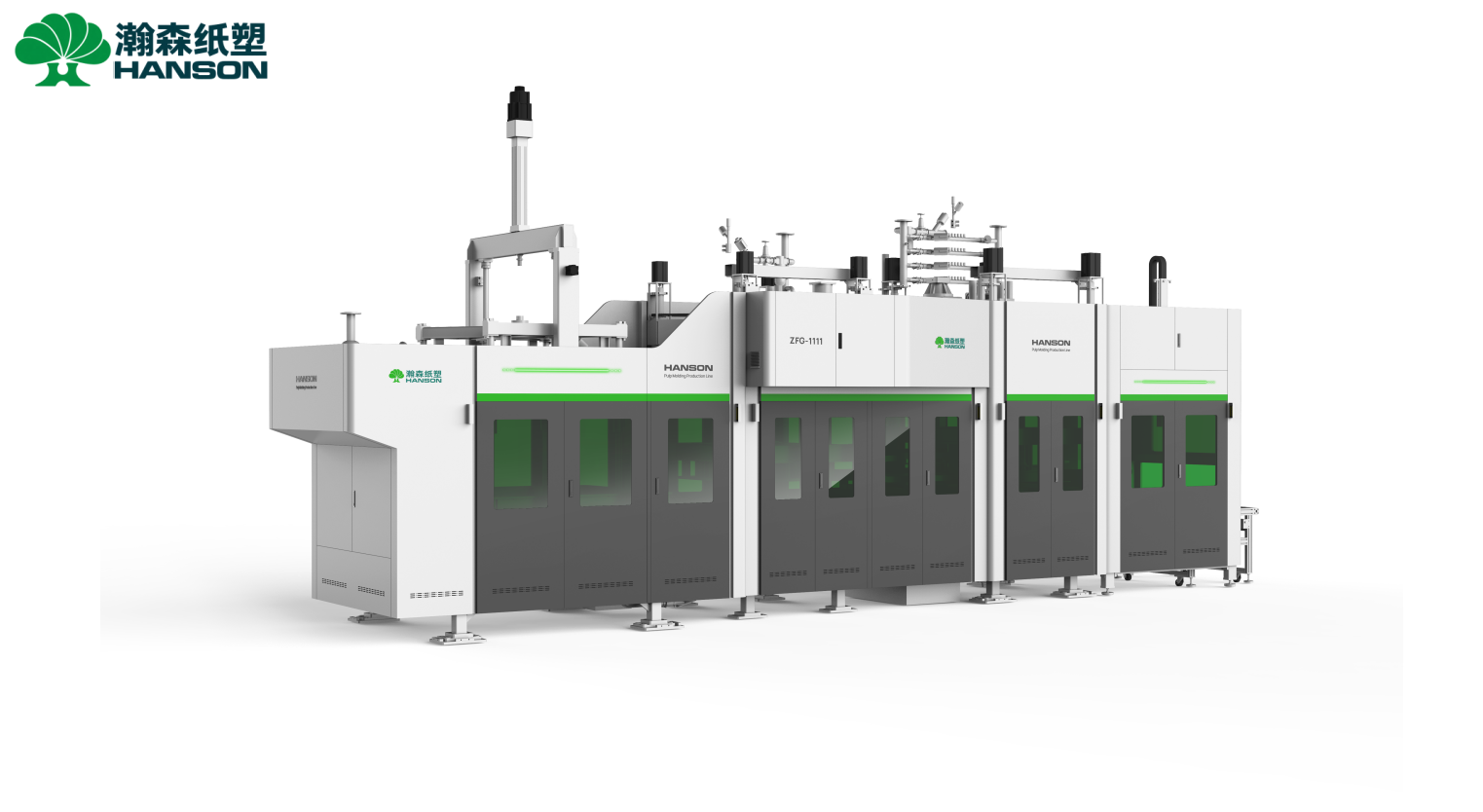
Continuous Production Stability: The equipment should be tested under full load in continuous operation. For instance, the Hanson Pulp Molding ZFG-1111 wet-press pulp molding tableware machine can achieve a daily output of over 1.8 tons, and under specific product conditions, it can reach approximately 2 tons/day.
-
Tooling Synergy: Adding more mold cavities only works if the forming area, vacuum dewatering capacity, and hot-press thermal load are perfectly balanced.
2. Comprehensive Energy Consumption (Electricity Consumption per Ton)
A machine with a lower installed power rating does not automatically mean it is energy-efficient. The only commercial metric that matters during acceptance is the electricity consumption per ton—the total energy required to produce one ton of qualified products.
-
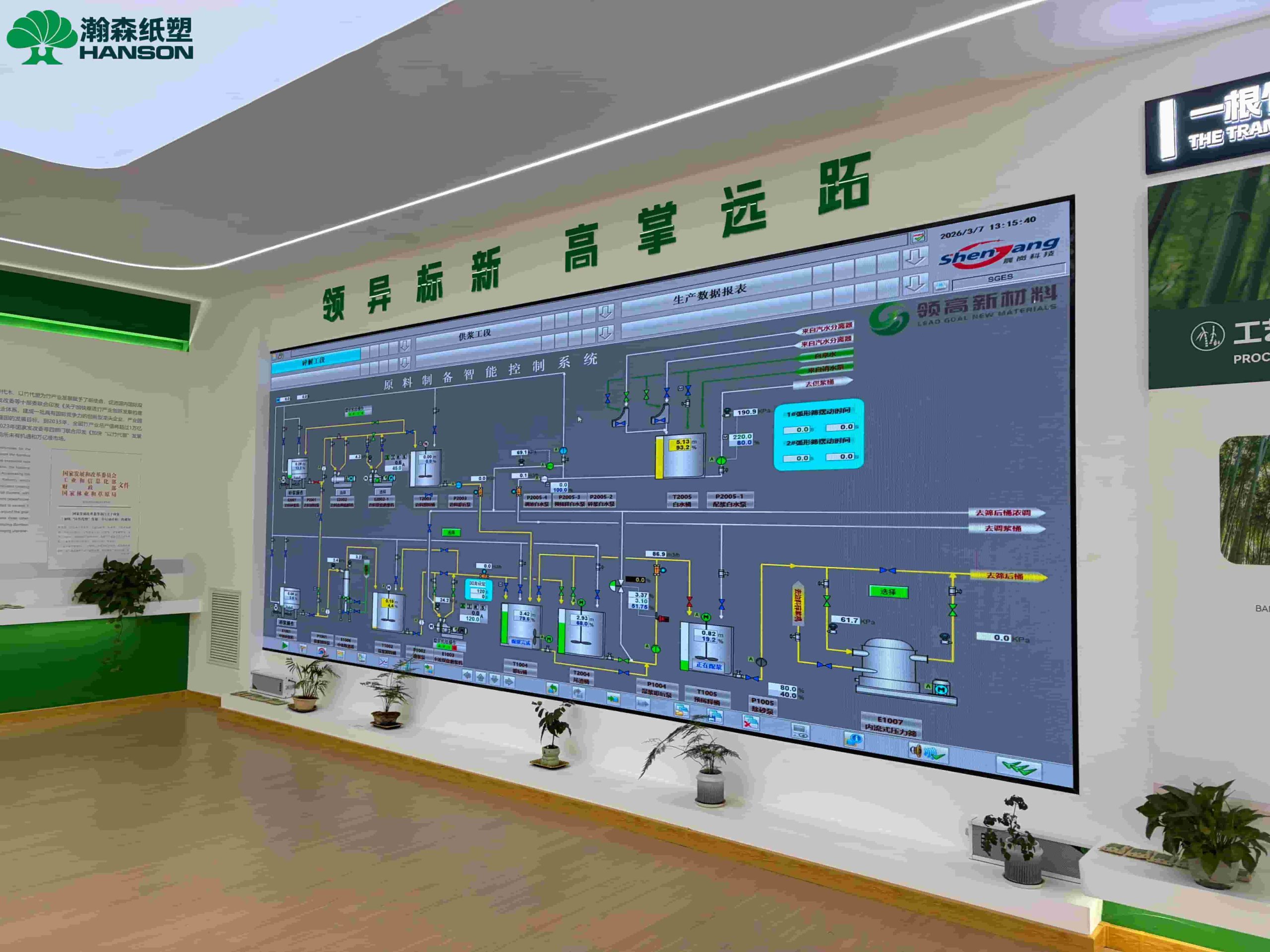
Defining the Energy Boundary: When evaluating a wet press molded fiber machine, the energy calculation must encompass forming, hot pressing, vacuum systems, and essential utilities.
-
Hot Press Efficiency: In wet-press processes, maintaining uniform temperature across the hot press molds is critical. Under appropriate production configurations, Hanson Pulp Molding equipment designed for tableware production can achieve an electricity consumption of <1,800 kWh per ton.
3. Wet Preform Moisture Content and Dewatering Efficiency
The moisture content of the wet preform is a critical, yet often overlooked, acceptance metric. The more water the wet preform carries into the hot-pressing stage, the more thermal energy is required to evaporate it, which directly extends the hot-press cycle and increases energy consumption.
-
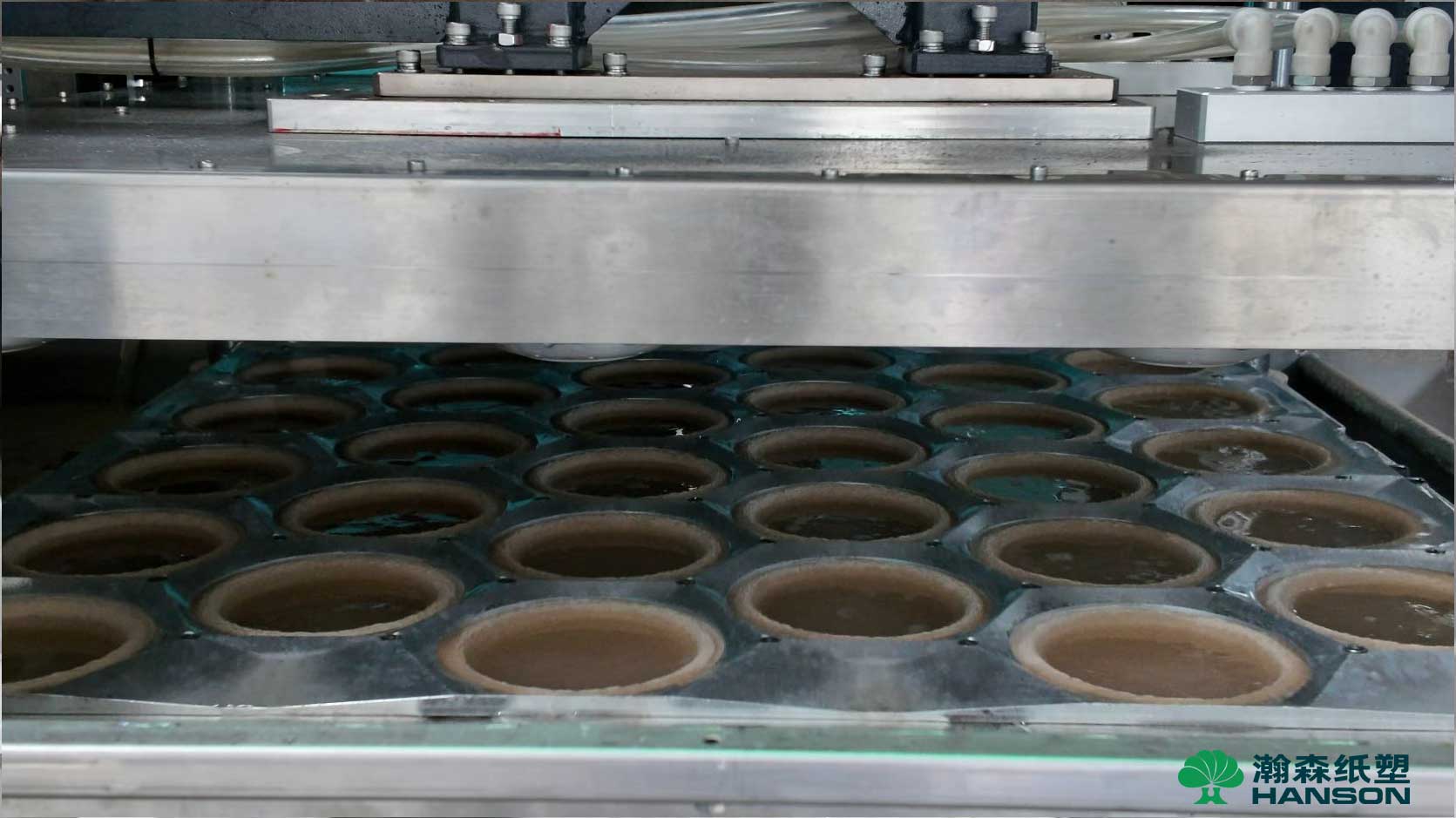
Vacuum Dewatering Performance: The acceptance process must include moisture testing of the preform immediately after forming. Under suitable process conditions, the forming system from Hanson Pulp Molding can maintain the wet preform moisture content at <60%.
-
Transfer Stability: The dewatered wet preform must retain enough strength for mechanical transfer. If the moisture is too low, the product may crack; if too high, it may deform. Dewatering efficiency must always be balanced with transfer stability.
4. Post-Processing Automation and Tooling Synergy
If a molded fiber tableware equipment line has a high forming capacity but is bottlenecked by manual trimming and stacking, the overall plant capacity will remain limited. For high-volume production, integrated post-processing automation is a primary acceptance criterion.
-
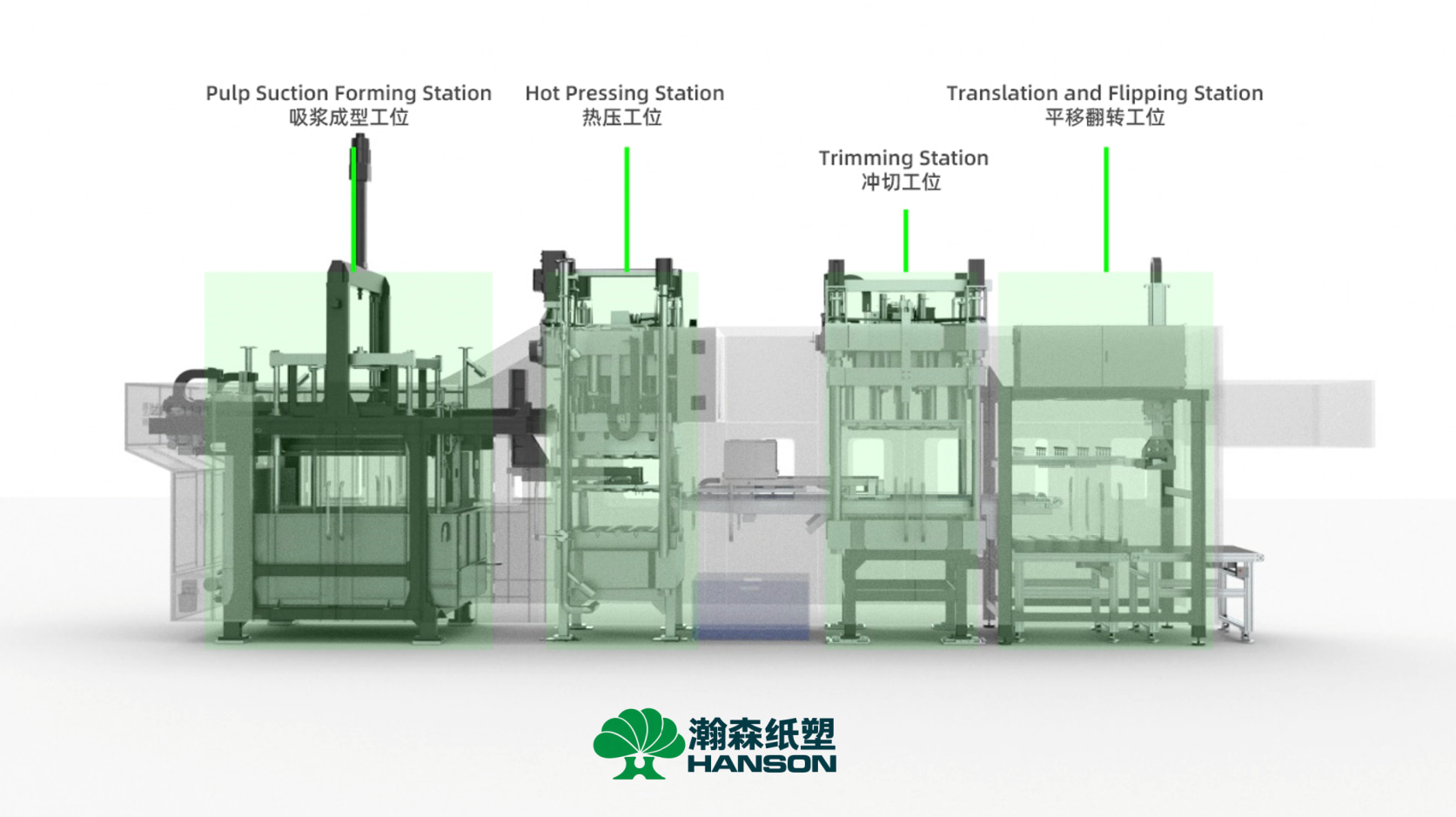
Process Integration: Advanced tableware equipment minimizes manual intervention. The Hanson Pulp Molding ZFG-1111 integrates forming, hot pressing, trimming, and stacking within the same machine, significantly reducing material handling time.
-
Trimming Accuracy and Stacking Continuity: The trimming station must deliver clean edges without tearing or misalignment. Furthermore, the automatic stacking unit must be tested at maximum speed to ensure continuous and neat collection.
FAQ
Why does the daily production capacity differ when producing different products on the same machine? Different products vary in weight, dimensions, mold cavities, forming complexity, and dewatering requirements. Heavier or more complex items require longer forming and hot pressing times, which naturally changes both the piece count and the total tonnage output per day.
Why can’t I judge energy efficiency solely by the installed power? Installed power indicates the maximum theoretical load of the machine, not its operational efficiency. The true cost indicator is electricity consumption per ton of qualified product. A machine with low installed power but poor uptime and high defect rates will ultimately consume more energy per finished product.
Is molded fiber tooling considered part of the equipment acceptance process? Absolutely. The mold dictates not only the product’s shape but also drainage efficiency, dewatering speed, and hot-press quality. The synergy between the forming equipment and the tooling is what ultimately determines both the capacity and the product consistency.
Conclusion
Successfully launching a pulp molding plant goes beyond plugging in a single piece of equipment. It requires the seamless integration of pulping, forming, hot pressing, tooling, and post-processing automation. By establishing rigorous acceptance metrics based on actual output and energy consumption, investors can ensure their production lines are commercially viable from day one.
If you already have a product sample, 3D drawing, product dimensions, or a target daily capacity, Hanson Pulp Molding—as a turnkey specialist—can help evaluate the molding process, tooling, and equipment configuration for your project.
WhatsApp: +86 15920604830
Email: linchuangcheng@hspulpmolding.com