Unlike standardized tableware, industrial packaging inserts are usually customized around specific products.
Whether a molded fiber insert is suitable for mass production depends not only on its appearance, but also on its structure, support performance, assembly, transportation, and production process.
Therefore, before officially purchasing production equipment for a premium industrial packaging project, it is generally recommended to develop and test product prototypes first.
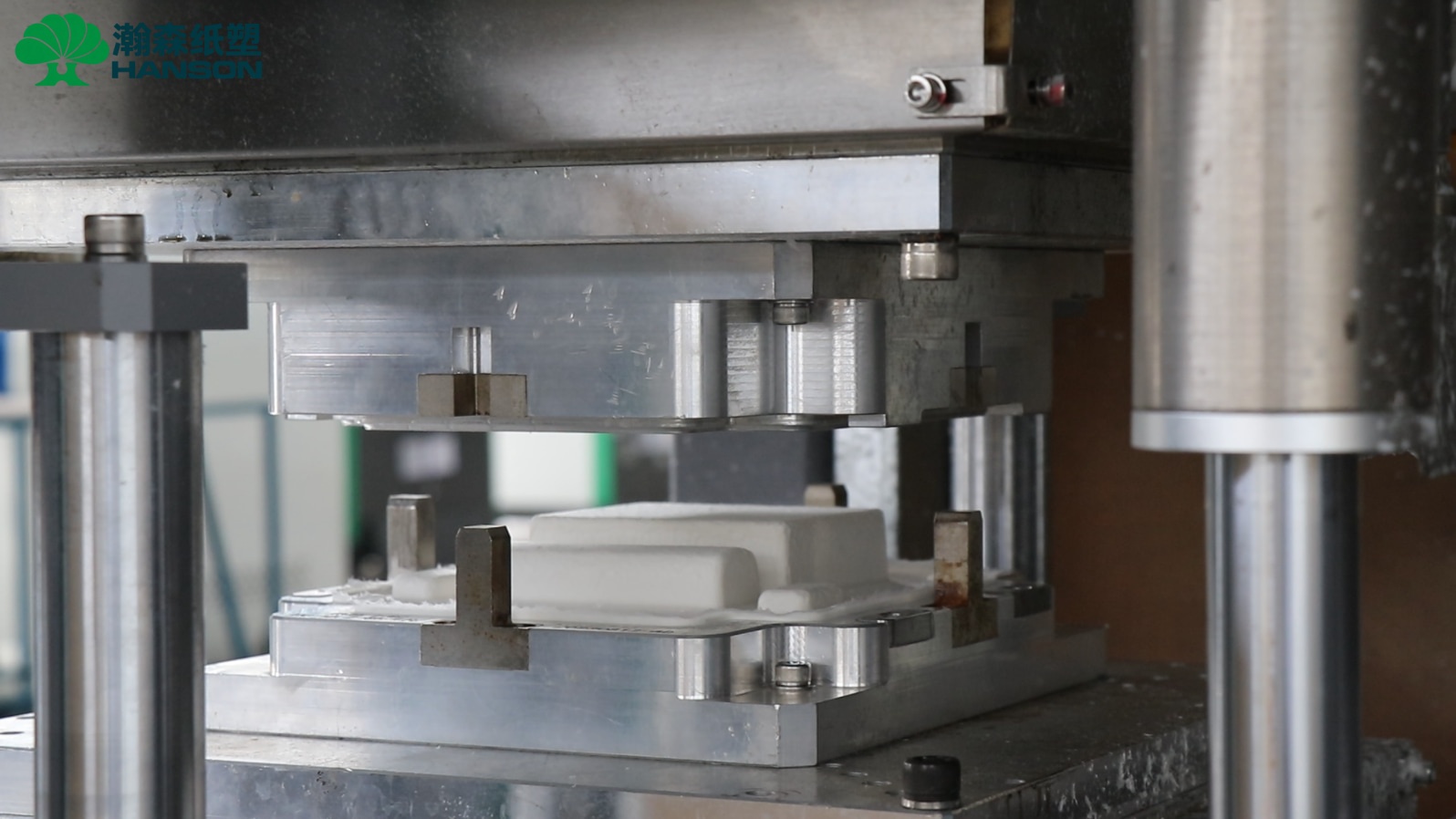
1. Prototyping Helps Validate the Packaging Structure
The most important function of a molded fiber insert is to protect the product.
Design drawings can show the structural concept, but physical prototypes allow customers to determine whether:
- The product can be placed securely
- The insert prevents excessive movement
- Vulnerable areas are adequately protected
- The packaging space is properly utilized
- The outer carton is compatible with the insert
- The product can be easily placed and removed
If structural problems are identified, modifications during the prototyping stage are usually less costly than making changes after mass production has started.
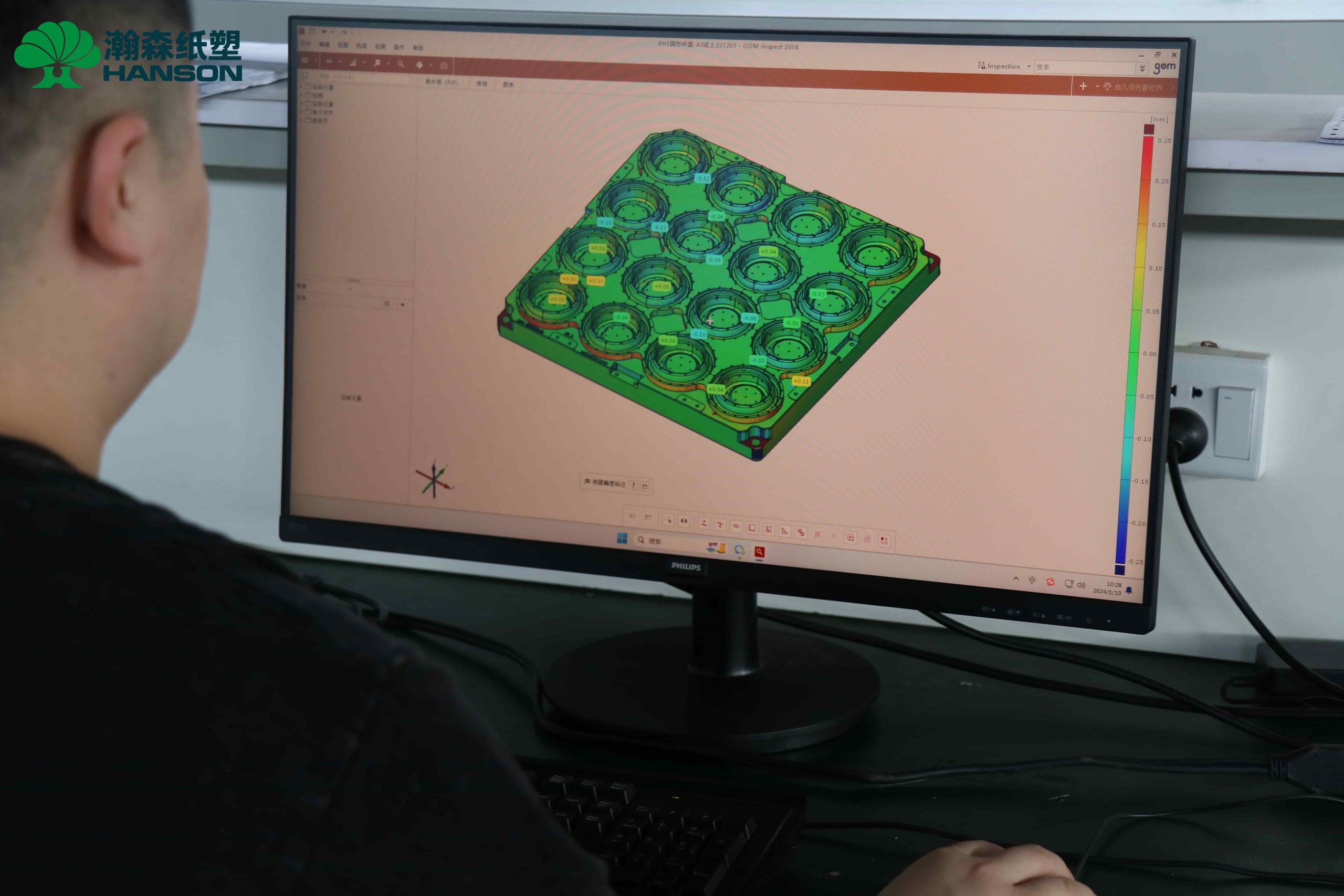
2. Prototyping Helps Verify the Appearance
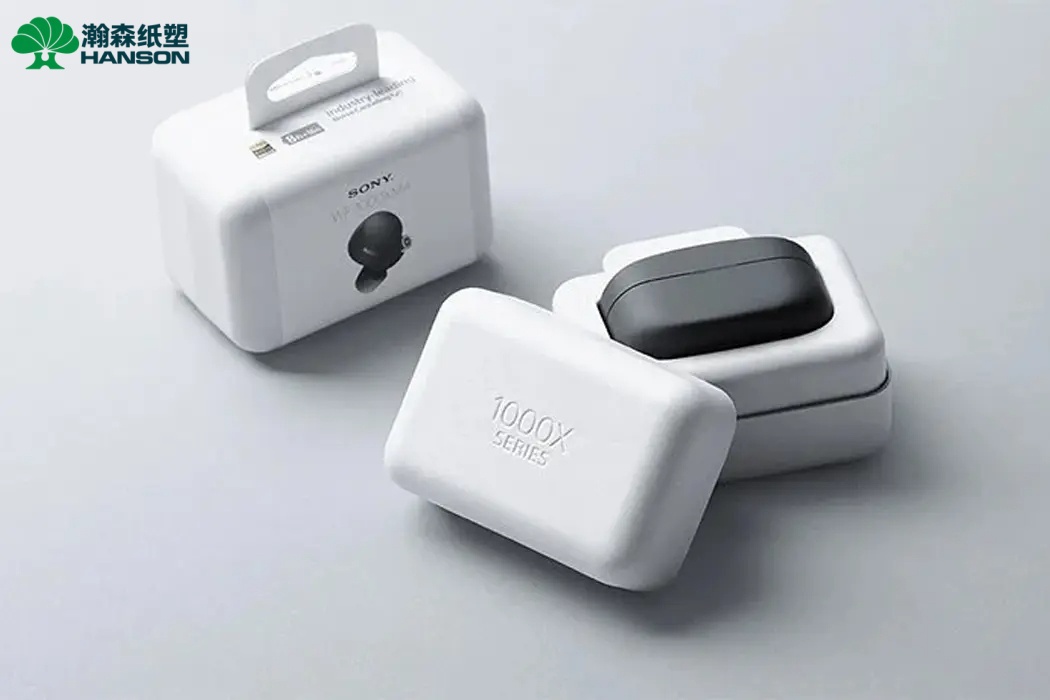
For premium industrial packaging projects, the packaging itself is also part of the brand experience.
Customers usually pay attention to:
- Surface texture
- Edge quality
- Color
- Forming completeness
- Product thickness
- Logos or embossed details
- Overall unboxing experience
Prototyping allows customers to confirm the appearance of the finished product in advance and helps prevent unexpected appearance issues during mass production.
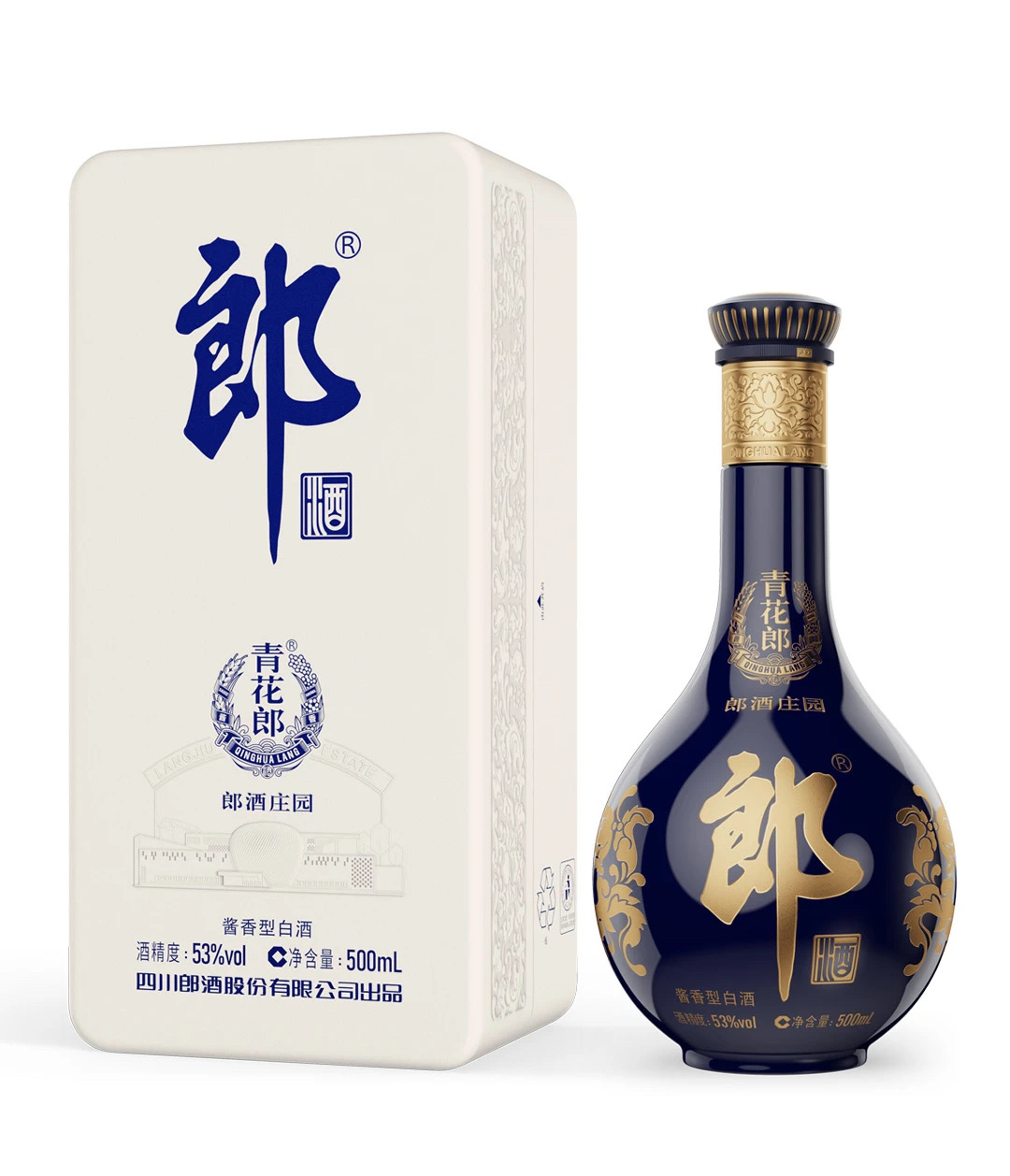

3. Prototyping Helps Validate the Mold and Production Process
Whether a product can be manufactured successfully does not depend solely on the design drawing.
The following factors also need to be verified:
- Whether the pulp is suitable for the product
- Whether dewatering is smooth and stable
- Whether the wet blank can be transferred reliably
- Whether deformation occurs after hot pressing
- Whether demolding is smooth
- Whether the edges require further adjustment
- Whether the product weight is appropriate
These factors need to be progressively verified through prototypes and actual production trials.
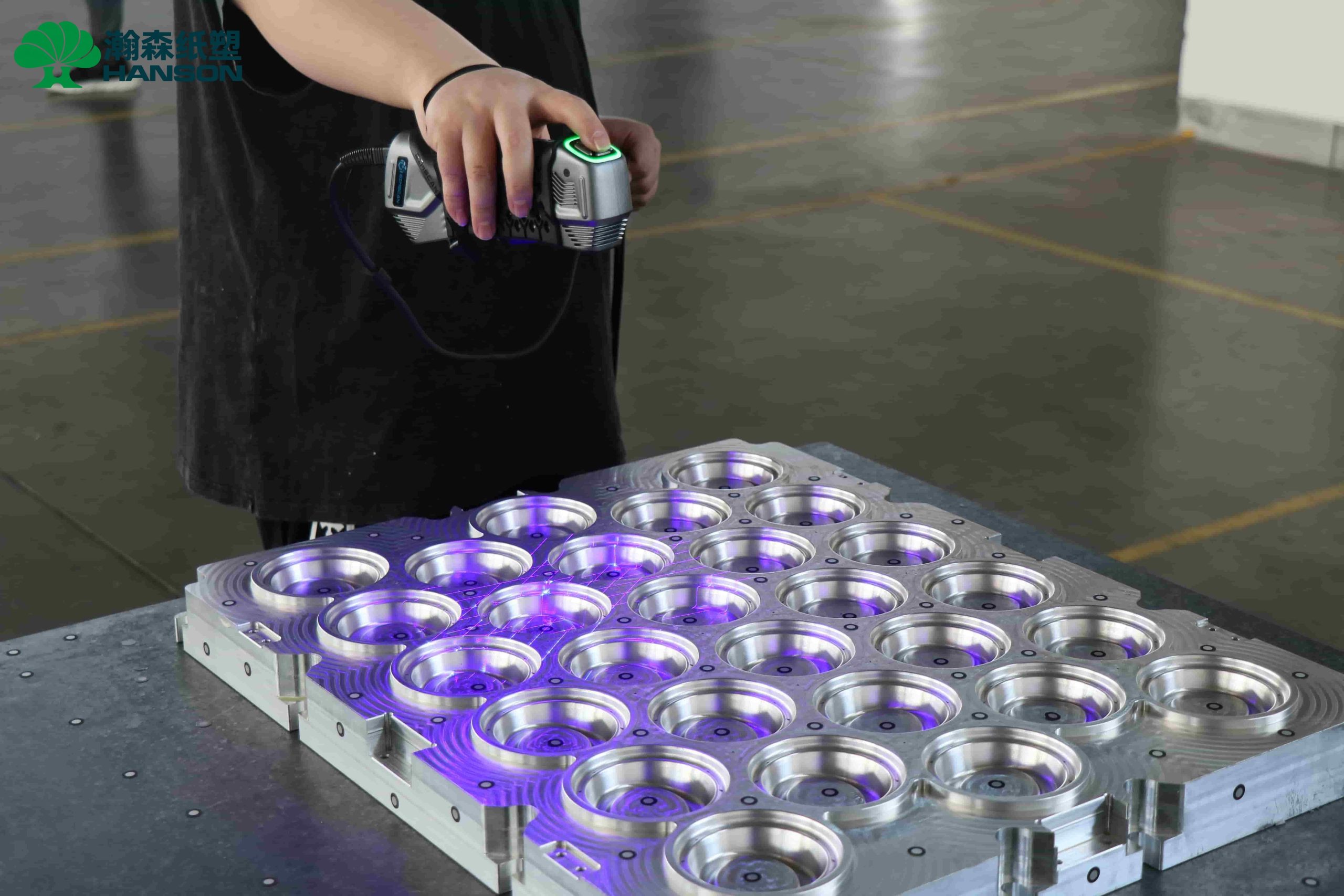
4. Prototyping Helps with Mass Production Equipment Planning
Once the prototype has been completed, customers can make more accurate decisions regarding:
- Number of mold cavities
- Required equipment quantity
- Forming cycle time
- Hot-pressing configuration
- Secondary processing requirements
- Unit product cost
- Mass production method
For premium industrial packaging projects, prototyping is not an additional step. It is an important foundation for mass production planning.
5. What Should Be Considered from Prototype to Mass Production?
A recommended project development process is:
Product requirement communication → Structural design → Product prototyping → Packaging testing → Mold optimization → Small-batch validation → Mass production equipment configuration
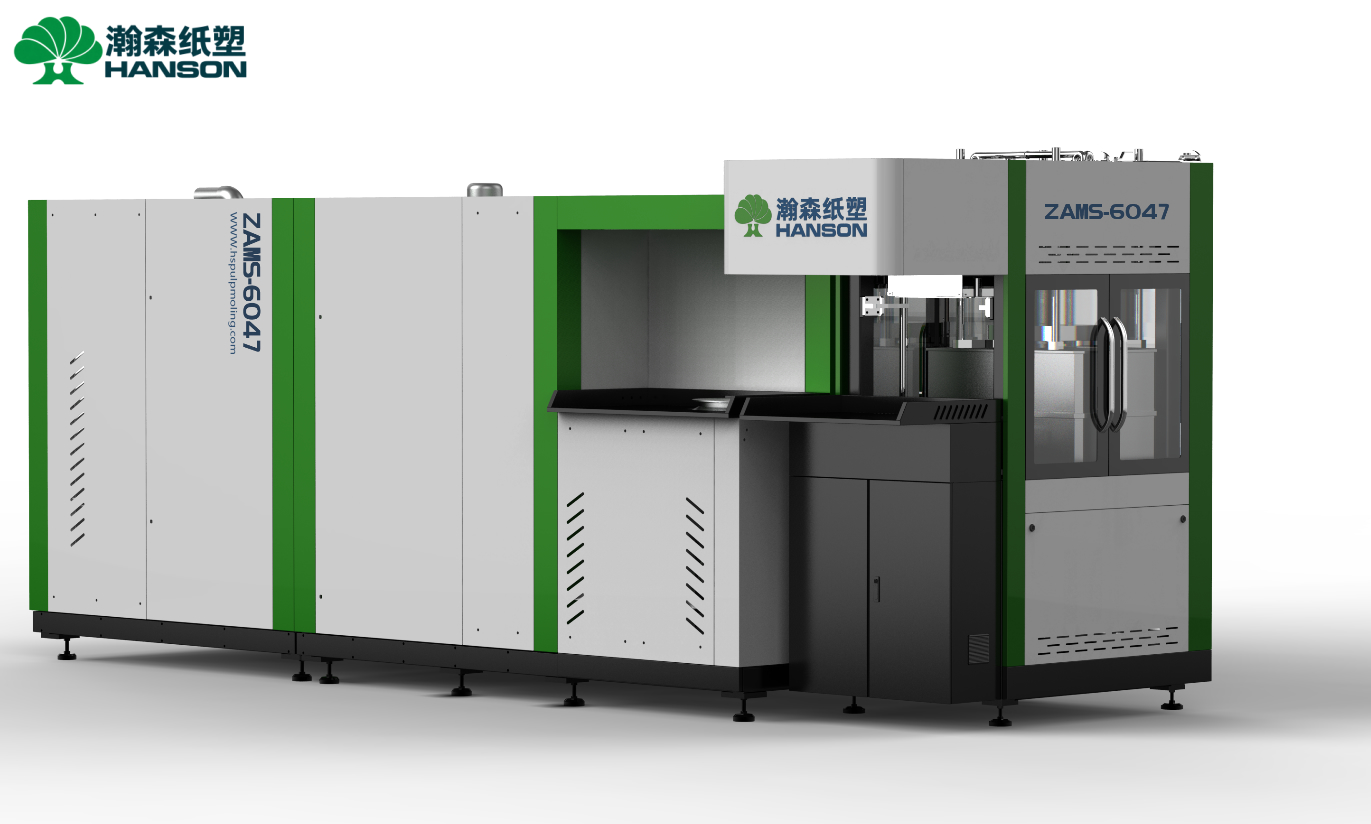
Hansen Pulp Molding provides integrated support for premium industrial packaging projects, covering product development, mold design, prototype validation, forming equipment, and mass production support.
If you have industrial packaging requirements for electronics, electrical appliances, liquor bottles, or other products, feel free to contact us to discuss your packaging solution.