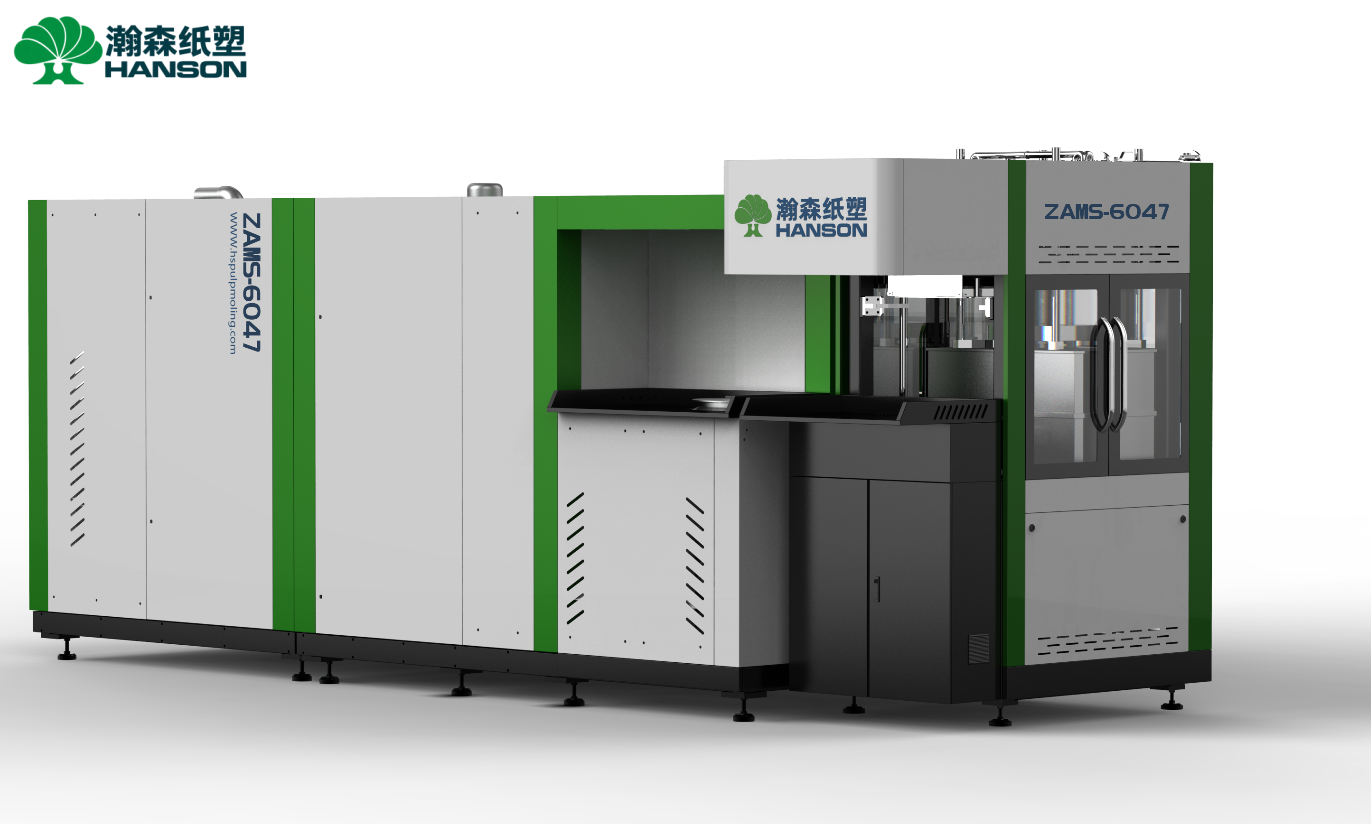
For many investors entering the molded fiber industry, the journey begins with product definition, material testing, and sample making using dedicated prototyping equipment, such as the Hanson Pulp Molding ZAMS-6047. Prototyping verifies that a product can be successfully formed and demolded. However, transitioning from a successful prototype to stable commercial mass production is a significant leap.
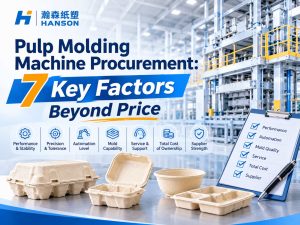
At this stage, choosing the right pulp molding equipment is no longer just about buying a single machine with the fastest cycle time. It requires a systemic evaluation of the product’s geometry, required precision, target daily capacity, and automation level.
Condition 1: Define the Product and the Process Route First
The golden rule of equipment selection is that the end product dictates the process, which in turn dictates the machine. Buyers must first confirm the physical properties and functional requirements of the product.
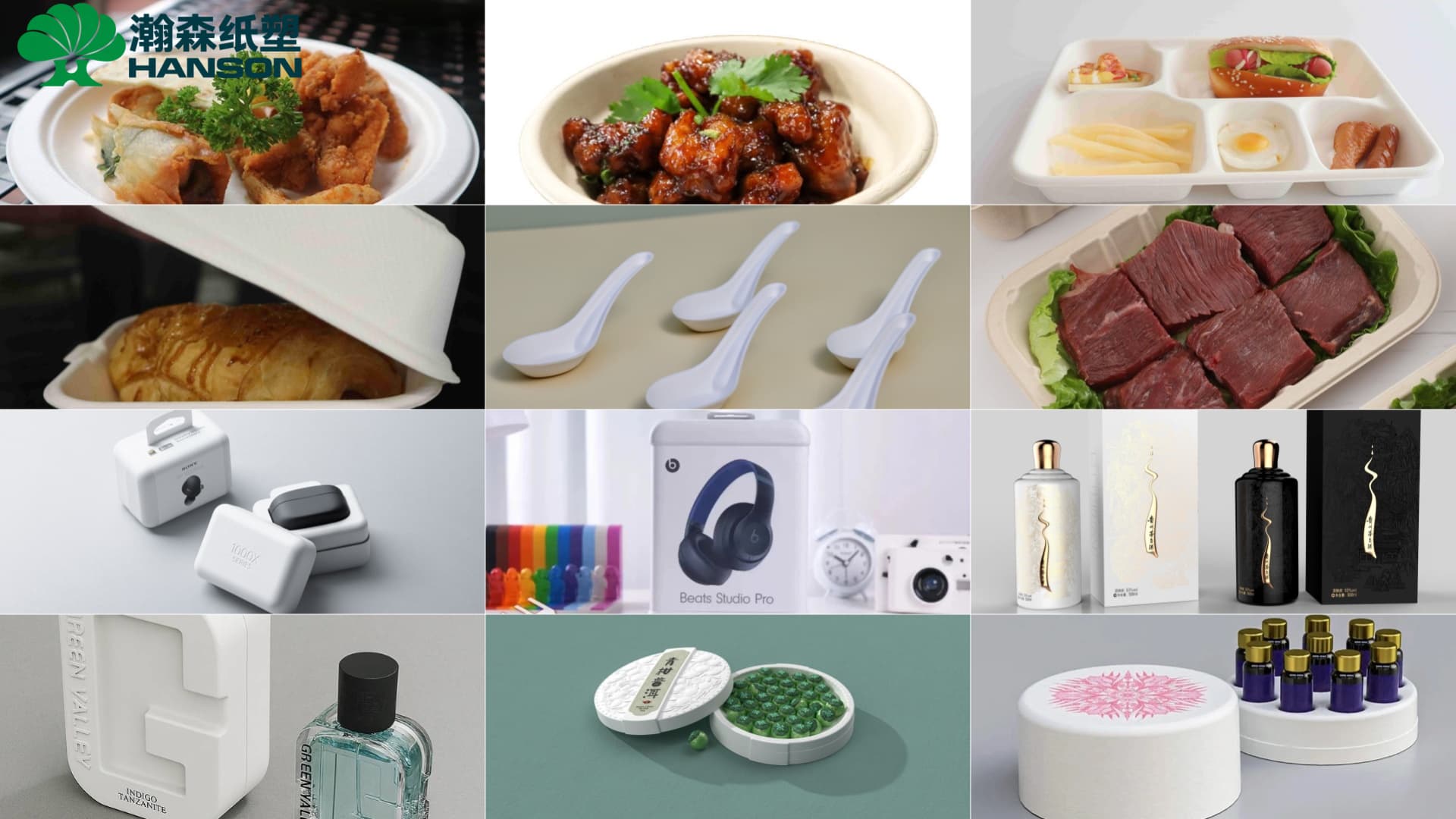
Wet Press (Thermoformed Fiber) Process If your goal is to produce premium industrial molded fiber packaging (such as smartphone inserts and high-end cosmetics packaging) or foodservice products (like plates, bowls, and clamshells), surface smoothness and dimensional accuracy are critical. These products typically utilize the wet press process (often referred to internationally as Type 3 Thermoformed Fiber). In this process, the wet preform is pressed and dried directly within heated molds. Equipment configured for this route, such as the ZAP-9585 for industrial inserts or the ZFG-1111 for tableware, focuses heavily on in-mold drying efficiency and precise pressure control.
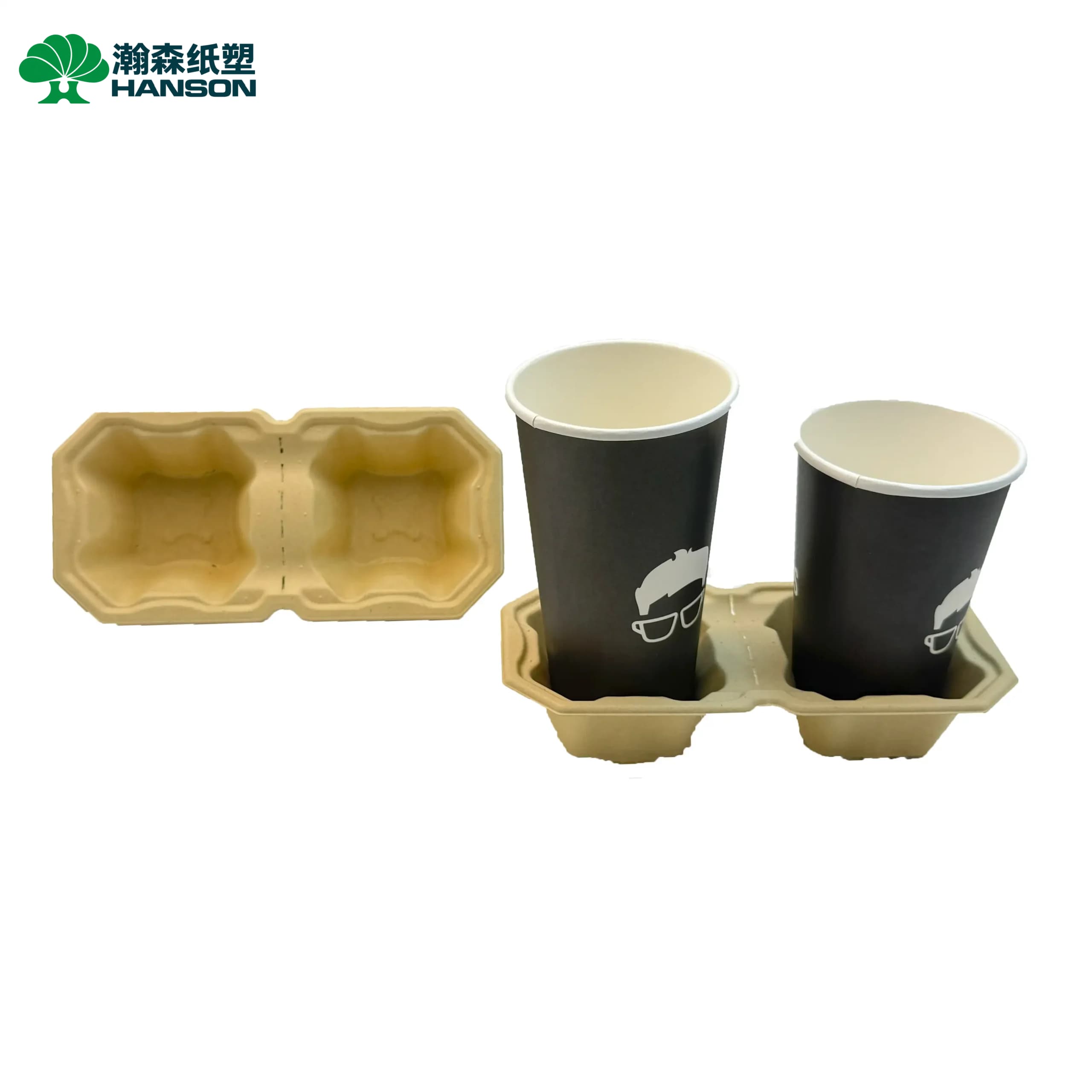
Dry Press and Transfer Molded Process If the project involves heavy-duty protective packaging, egg cartons, or cup carriers, the primary goals are cushioning, structural protection, and cost-effective high-volume production. These products generally rely on dry press or transfer molded routes, where the wet product is formed and then transferred to a separate drying tunnel before any final reshaping. For instance, a Hanson Automatic Dry-Press Pulp Molding Production Line utilizes cold pressing (pre-dewatering) followed by tunnel drying to maximize line efficiency and reduce moisture content before drying.

Condition 2: Tooling and Actual Production Capacity
When calculating capacity for full-scale production, theoretical cycle times printed on an equipment brochure are insufficient. Actual daily output is influenced by a combination of factors:
-
Product Weight and Dimensions: Heavier products require more fiber, longer dewatering times, and extended hot-pressing or drying durations.
-
Mold Configuration: Molded fiber tooling is not merely a shaping accessory; it fundamentally affects drainage efficiency, wet preform moisture content, and product consistency. A high number of cavities may yield more pieces per cycle, but it must be balanced against the forming area, vacuum capacity, and thermal limits of the machine.
-
Yield Rate and Downtime: Mold changes, maintenance, and machine uptime strictly govern the actual commercial output.
Condition 3: Post-Processing and Automation Integration
A high-speed forming machine can quickly create a bottleneck if post-processing is not adequately configured.
-
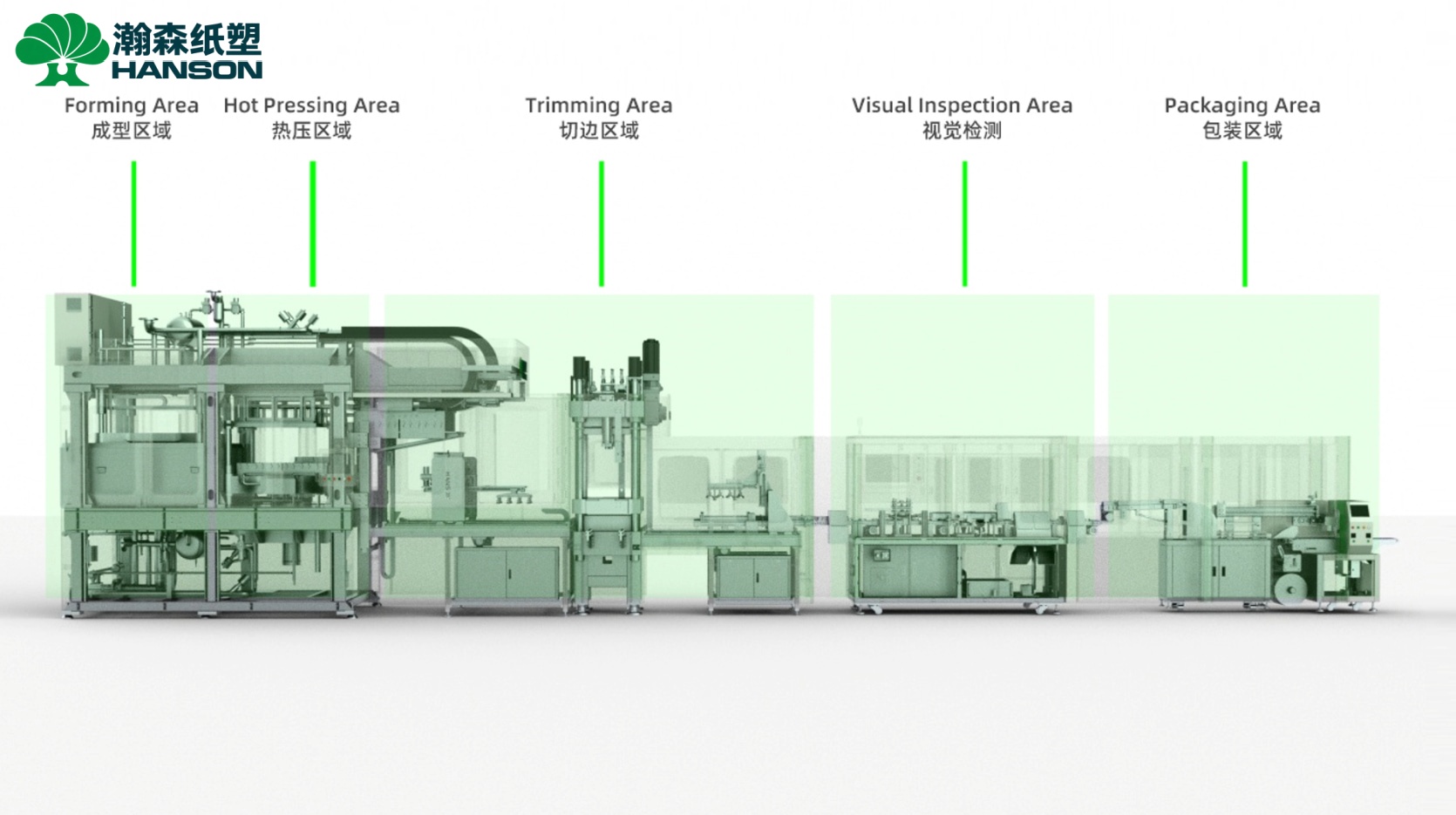
For products like molded fiber cup lids, the production line must integrate precise trimming, machine vision inspection, and automatic packaging. Hanson’s ZAKS-9595 configuration handles these steps automatically to sustain an output of up to 100,000–120,000 lids per 24 hours under appropriate production conditions.
-
If your tableware or industrial packaging requires barrier performance against water and oil, your mass production configuration should factor in secondary processing automation. This could include an automatic rotary spray coating line (like the HXT-24) or a molded fiber lamination machine to ensure the end products meet commercial functional standards without driving up labor costs.
Hanson Pulp Molding: A Turnkey Specialist for Your Project
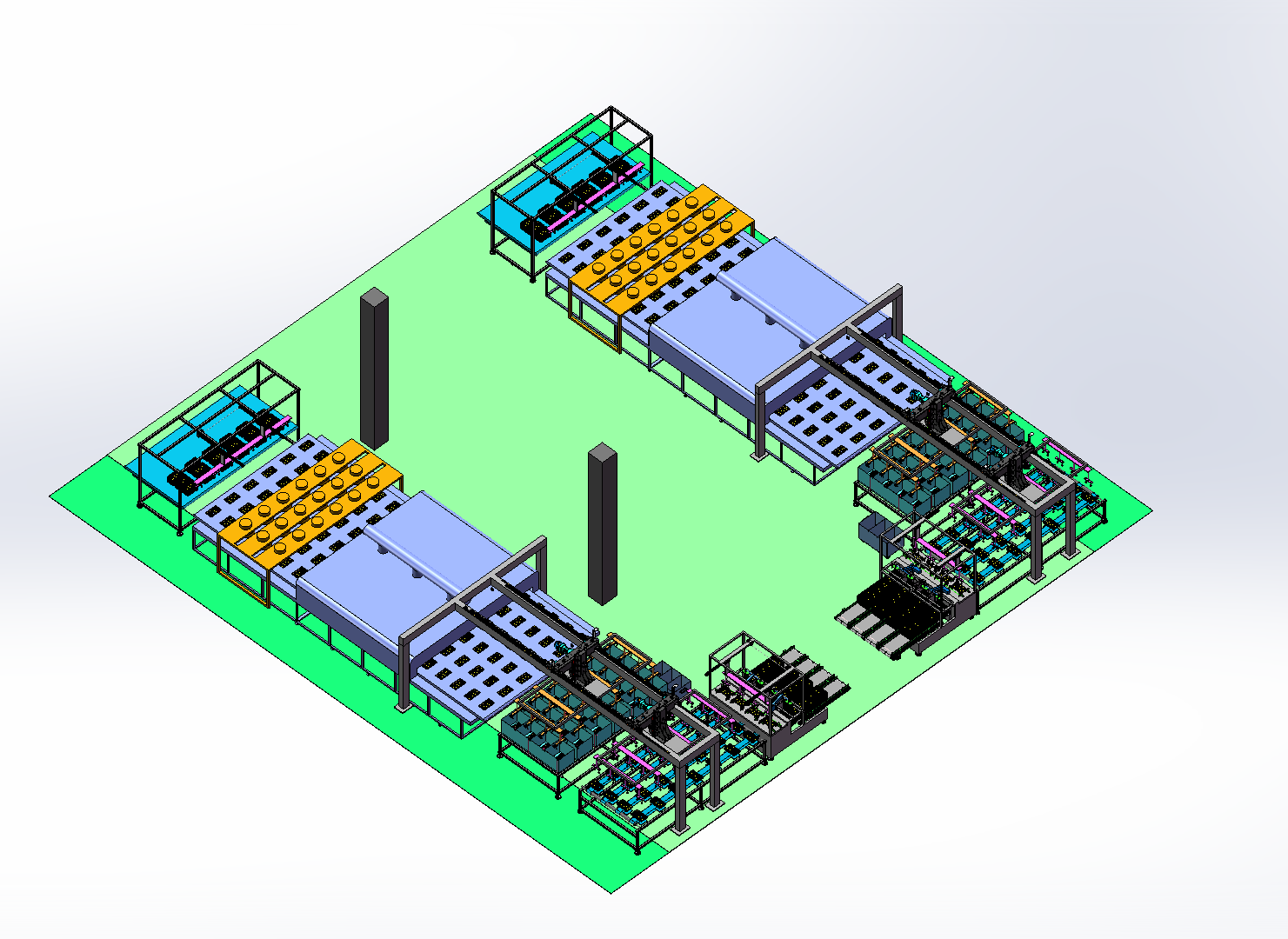
Building a reliable production line means integrating pulping, forming equipment, tooling, utilities, and automation into a cohesive manufacturing environment. As a specialist in turnkey pulp molding solutions, Hanson Pulp Molding approaches equipment configuration by looking at the entire factory ecosystem. From initial product development and plant planning to equipment manufacturing and on-site production ramp-up support, Hanson ensures that your mass production targets are met with stable, well-coordinated technological solutions.
FAQ
Can I use the same pulp molding machine for both tableware and industrial packaging? While technically possible in some limited scenarios, it is highly discouraged for optimal mass production. Tableware equipment is optimized for high capacity, lower unit energy consumption, and continuous automation. Premium industrial molded fiber packaging machines are designed to prioritize extreme dimensional accuracy, complex geometries, and superior surface quality. Utilizing dedicated machines tailored to the product type yields better economic returns and stability.
Why shouldn’t I just look at the machine’s cycle time when calculating ROI? Theoretical cycle time does not equal actual daily production capacity. True production volume and subsequent ROI depend on the product weight, the number of mold cavities, the required drying/hot-pressing time, product yield, and the overall uptime of the factory.
Do I need an automated post-processing line? The level of automation should match your business model and product requirements. For small-batch, highly customized items, manual or semi-automatic finishing might suffice. However, for high-volume products (like cup lids) or products requiring consistent barrier coatings, investing in post-processing automation like trimming stations or spray coating lines is essential to maintain product consistency and control labor costs.
Conclusion
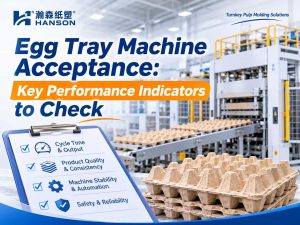
Transitioning a molded fiber project from a successful prototype into full-scale mass production is a critical investment phase. Selecting the right pulp molding equipment goes far beyond matching a budget to a machine model. It requires a clear definition of the product’s functional requirements, a deep understanding of wet press versus dry press dynamics, meticulous mold engineering, and forward-thinking post-processing integration. By establishing strict procurement criteria based on actual manufacturing realities, investors can build resilient, highly efficient production lines.
If you already have a product sample, 3D drawing, product dimensions, or a target daily capacity, Hanson Pulp Molding can help evaluate the appropriate molding process, tooling, and equipment configuration for your project.
WhatsApp: +86 15920604830
Email: linchuangcheng@hspulpmolding.com