When molded pulp products need enhanced water resistance, grease resistance, barrier properties, or improved surface aesthetics, the molding process alone may not fully meet the end-use requirements. In these scenarios, post-processing solutions are necessary, and lamination stands out as a highly effective method to upgrade product performance.
Why Apply Lamination to Molded Pulp?
The microstructure of molded pulp consists of an intertwined fiber network. While in-pulp sizing agents can alter surface tension for basic water and oil repellency, they have limitations under extreme conditions. Lamination solves this by applying a dense, continuous film over the molded fiber substrate via a heat-pressing process.
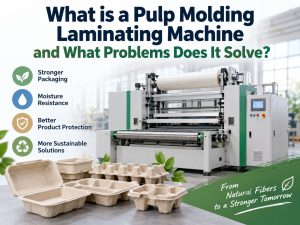
This additional physical layer addresses three primary packaging challenges:
- Ultimate Leak & Grease Resistance: For packaging that holds heavy grease, hot soups, or highly penetrative liquids for extended periods, the laminated film creates a physical barrier that prevents moisture and oil from compromising the fiber base.
- Gas Barrier and Sealability: Certain food packaging (such as fresh meat trays or Modified Atmosphere Packaging – MAP) requires a barrier against oxygen and moisture transmission to extend shelf life. Lamination not only provides this barrier but also creates a surface compatible with top-sealing films.
- Surface Performance Enhancement: Industrial packaging for sensitive electronic components requires a highly smooth, dust-free, and non-abrasive surface. Lamination significantly improves surface integrity and tear resistance.
Which Products Are Most Suitable for Lamination?
Lamination is not necessary for every molded fiber item. Evaluating whether to add a pulp molding laminating machine depends heavily on the specific application. Ideal product categories include:
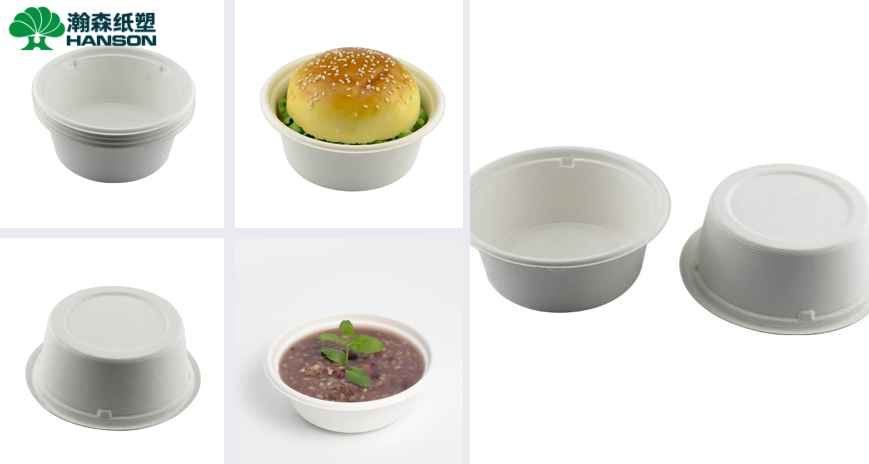
- Premium Food Service Containers: Bowls and multi-compartment takeout boxes designed for heavy oils or hot liquids.
- Fresh Food & Meat Trays: Trays requiring MAP capabilities and reliable top-sealing to maintain freshness.
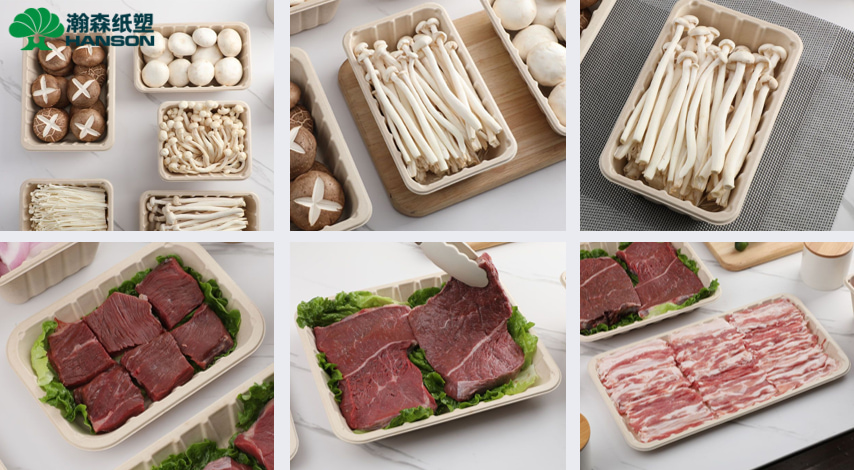
- High-End Industrial Protective Packaging: Cushions and trays that require zero dusting and scratch-free contact with delicate parts.

- Extended Shelf-Life Packaging: Any food-contact product requiring stringent oxygen and moisture vapor transmission rates.
Process Integration and Equipment Selection
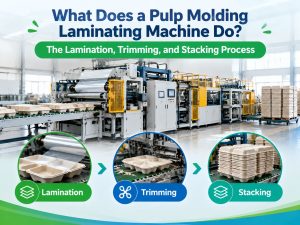
If lamination aligns with your product goals, the next step is evaluating the process and equipment configuration. Modern pulp molding lamination lines have evolved to offer high levels of post-press automation.
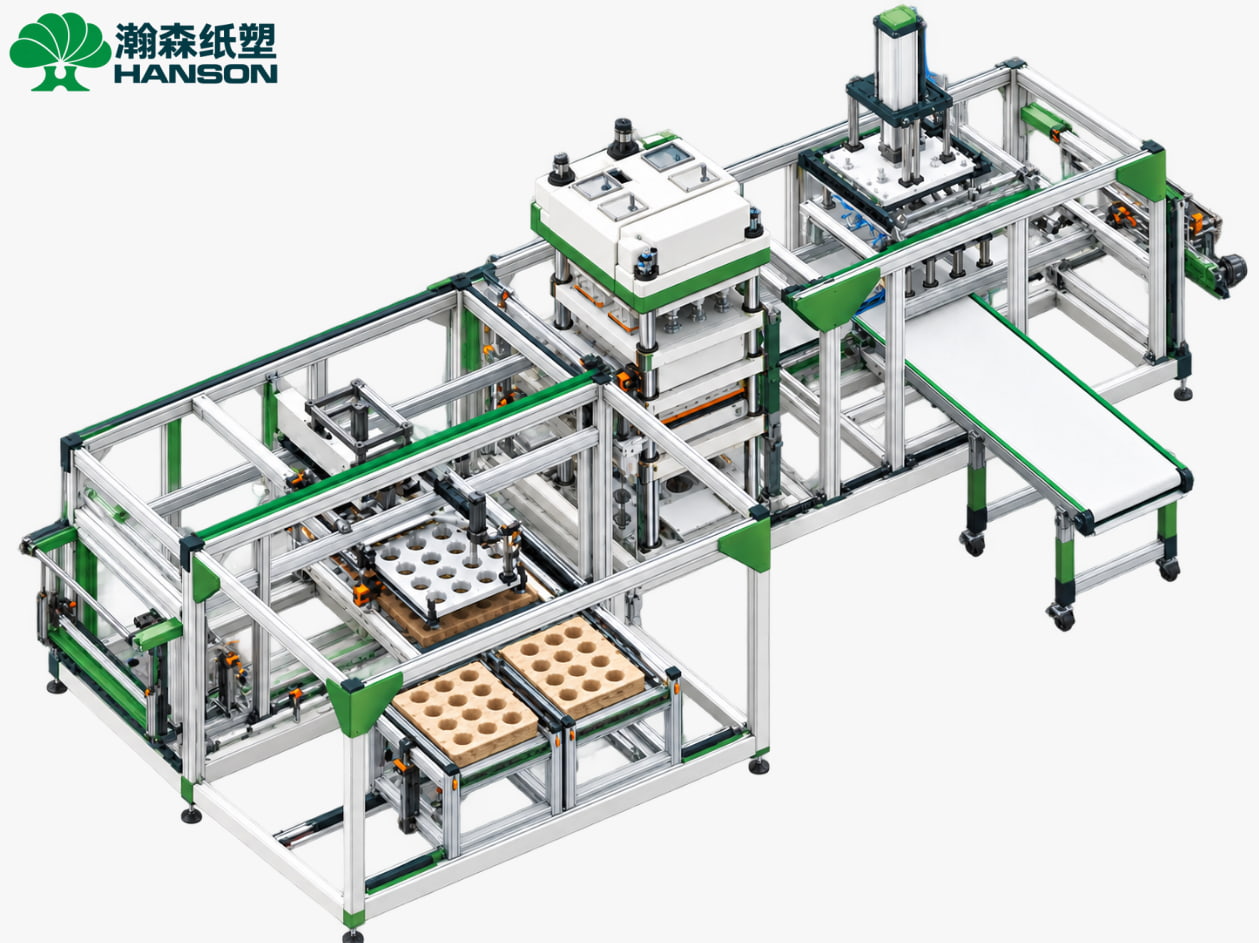
For instance, the Automatic Pulp Molding Laminating Line developed by Hanson Pulp Molding integrates the entire post-processing workflow: film unwinding, lamination, trimming, and product stacking. The equipment is highly versatile regarding materials, compatible with a range of films including PE, PET, PLA, PBAT, PP, and EVOH.
When selecting equipment, it is crucial to match the machine specifications with your product dimensions and capacity needs. The Hanson Pulp Molding laminating machine features a 1100 × 1100 mm mold platen and can accommodate a maximum product height of 80 mm. To ensure precise motion control and uniform pressure, both the lamination and trimming stations are servo-driven, featuring an 80-ton trimming force and electric heating systems. With a lamination cycle of 15 seconds per mold, the system is designed to coordinate lamination and trimming efficiently, reducing manual handling and improving overall line efficiency.
Next Steps for Your Project
If you are evaluating lamination for a molded pulp product or considering adding a lamination process to an existing production line, send Hanson Pulp Molding your product photos, dimensions, film requirements, and target performance. Our team can help evaluate the process and recommend a suitable equipment configuration for your specific manufacturing needs.