Driven by global plastic-reduction initiatives, the demand for premium industrial molded fiber packaging—such as smartphone inserts, wearable device packaging, and high-end cosmetics trays—is growing rapidly. Recognizing this opportunity, many packaging manufacturers are looking to invest in new production lines.
However, producing a high-precision molded fiber insert is fundamentally different from manufacturing standard egg trays or basic takeout containers. Buyers often apply the wrong criteria when selecting premium industrial molded fiber packaging equipment, leading to poor surface finishes, dimensional warping, and products that fail to meet strict brand standards.
Before you configure a production line for high-end applications, it is crucial to avoid these four common purchasing misconceptions.
Misconception 1: Applying “Tableware Machine” Logic to Premium Packaging
One of the most frequent mistakes is evaluating a premium packaging machine solely based on its maximum daily output (tonnage) or cycle time. While this logic is perfectly suited for wet-press tableware projects (where high capacity and energy efficiency are key metrics), it can lead to failure in the premium industrial packaging sector.
Premium molded fiber inserts prioritize surface quality, dimensional precision, product consistency, and the ability to form complex structures (such as small radii and deep cavities). If a manufacturer blindly pursues the fastest forming speed, they may not allow adequate time for the wet preform to properly dewater and set within the hot-press mold, resulting in severe warpage. For premium packaging, process control and quality consistency must always take precedence over raw speed.
Misconception 2: Assuming the Machine Alone Determines Surface Quality
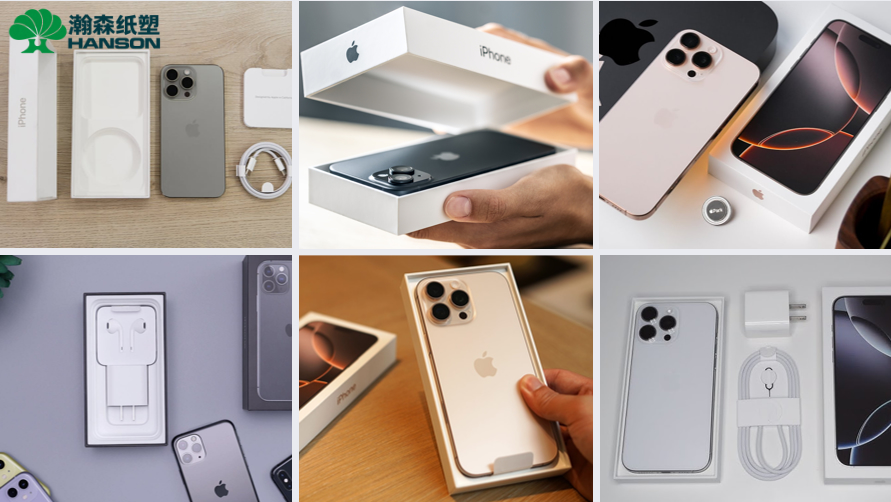
Some investors believe that buying the most expensive forming machine guarantees a flawless, smooth molded fiber surface. In reality, the final quality of premium packaging is the result of a coordinated system: Equipment + Tooling + Process + Pulp Formulation.
The precision of molded fiber tooling plays an indispensable role. The mold directly affects drainage, wet preform transfer, and hot-pressing performance. If the hot-press mold’s surface treatment or venting design is suboptimal, the product will not achieve the dense, smooth finish required by consumer electronics brands.
As a turnkey specialist, Hanson Pulp Molding develops equipment and tooling synergistically. For instance, the Hanson Pulp Molding ZAP-9585 machine integrates forming and hot-pressing processes and features a dynamic pulp replenishment system. This system optimizes the pulp state during forming, significantly enhancing the uniformity and surface quality of high-precision products.

Misconception 3: Jumping from a 3D Drawing to Mass Production
When transitioning a plastic blister pack design into a molded fiber insert, you cannot simply copy the 3D drawing and immediately order a full set of mass-production molds and large-scale equipment.
Plant fibers naturally shrink as moisture is removed during the drying and hot-pressing stages. An unverified plastic-like structure may suffer from poor draft angles and unpredictable dimensional changes. The correct approach is to proceed through product development and prototyping first.
Hanson Pulp Molding recommends utilizing prototyping equipment (such as the ZAMS-6047) to validate the material formulation, test mold demolding, and optimize structural shrinkage before finalizing the commercial production line. Verifying the process on a small scale is the most effective way to eliminate massive investment risks.
Misconception 4: Overlooking Post-Processing Automation
A premium molded fiber insert is not finished as soon as it leaves the hot press. High-precision packaging requires exact edge trimming and strict visual inspection to meet tight assembly tolerances.
If your forming machine operates rapidly, but trimming and inspection are handled manually, these post-processing steps will quickly become the bottleneck of the entire plant. Integrating servo-driven punch cutting and machine vision inspection into your production line planning ensures that edge quality is flawless and continuous automated production is maintained without artificial delays.
FAQ
1. Why is the wet-press process preferred for smartphone and electronics packaging? Premium electronics packaging requires extremely high surface quality and dimensional accuracy. In the wet-press (or thermoformed fiber) process, the wet preform is transferred directly into a heated mold, where it is pressed and dried simultaneously. This yields a much smoother, denser surface and better structural detail than traditional dry-press methods.
2. Can I use the same machine for both food packaging and premium industrial inserts? While both may utilize wet-press technology, their core production objectives differ. Tableware equipment (like the Hanson Pulp Molding ZFG-1111) is engineered for high-volume production and energy efficiency. Conversely, premium industrial molded fiber packaging equipment (like the ZAP-9585 or ZAD series) is tailored for precise process control, complex mold accommodation, and strict dimensional tolerances. Dedicated equipment is highly recommended.
3. Why does the tooling (mold) impact the actual production capacity? The mold dictates not only the product’s shape but also the number of cavities, the drainage efficiency, and the forming/hot-pressing time. Even if two machines have identical mechanical parameters, differences in mold design will lead to variations in the actual cycle time, product weight, and ultimate daily capacity.
Conclusion
Purchasing a premium industrial molded fiber packaging line requires far more than comparing machine speeds and prices. Successful high-end projects depend on a deep understanding of product structures, precision tooling, and synchronized post-processing automation. By prioritizing prototyping and process control over raw mechanical output, manufacturers can reliably produce the high-quality molded fiber inserts that top global brands demand.
CTA
If you have a 3D drawing, a product sample, or specific quality requirements for your premium molded fiber packaging project, Hanson Pulp Molding can evaluate the tooling, process, and equipment configuration to ensure stable commercial production.
WhatsApp: +86 15920604830
Email: linchuangcheng@hspulpmolding.com