
When sourcing a molded pulp tooling supplier, procurement teams often focus heavily on raw material choices, CNC machining precision, and the initial quotation. However, the molded fiber manufacturing process is highly dynamic. A mold that looks geometrically flawless on a workstation can quickly reveal issues such as uneven pulp distribution, demolding failures, or localized thermal deformation when exposed to real-world pulp consistencies, intense vacuum suction, and high-heat pressing.
A truly capable molded fiber tooling manufacturer does not just deliver a set of metal blocks; they deliver a verified production solution. Without comprehensive trial run verification and on-site debugging support, the hidden costs of integrating a new mold during the initial mass production phase can easily surpass the initial tooling investment.
Precision Machining vs. Dynamic Production: The Trial Run Gap
The critical difference between molded pulp tooling and standard plastic injection molding is the presence of numerous non-standard variables. Regardless of how accurate the 3D design and CNC processing are, factors like the friction of the wire mesh, the fluid dynamics of different slurry formulations (bagasse, bamboo, or wood pulp), and high-temperature thermal expansion will dictate product quality.
-
Vacuum Distribution and Water Drainage: The forming process heavily relies on vacuum efficiency. The layout of drainage holes and the craftsmanship of the wire mesh on the mold surface dictate water removal. These factors cannot be validated purely via engineering drawings. A physical trial run is mandatory to observe the wet part’s forming status and moisture content distribution.
-
Thermal Expansion and Interference Check: In dry-press and especially wet-press processes (used for high-quality tableware or custom packaging), molds remain closed under high temperatures (150°C-200°C). Minute thermal expansions can lead to tooling interference, excessively tight clamping, or tearing of the forming mesh. Trial molding exposes these thermal interference points early.
-
Demolding Efficiency: Is the draft angle sufficient? Will the air blow-off sequence eject the product without distortion? The trial production phase is the only reliable way to evaluate sticking issues and optimize the layout of air blow holes.
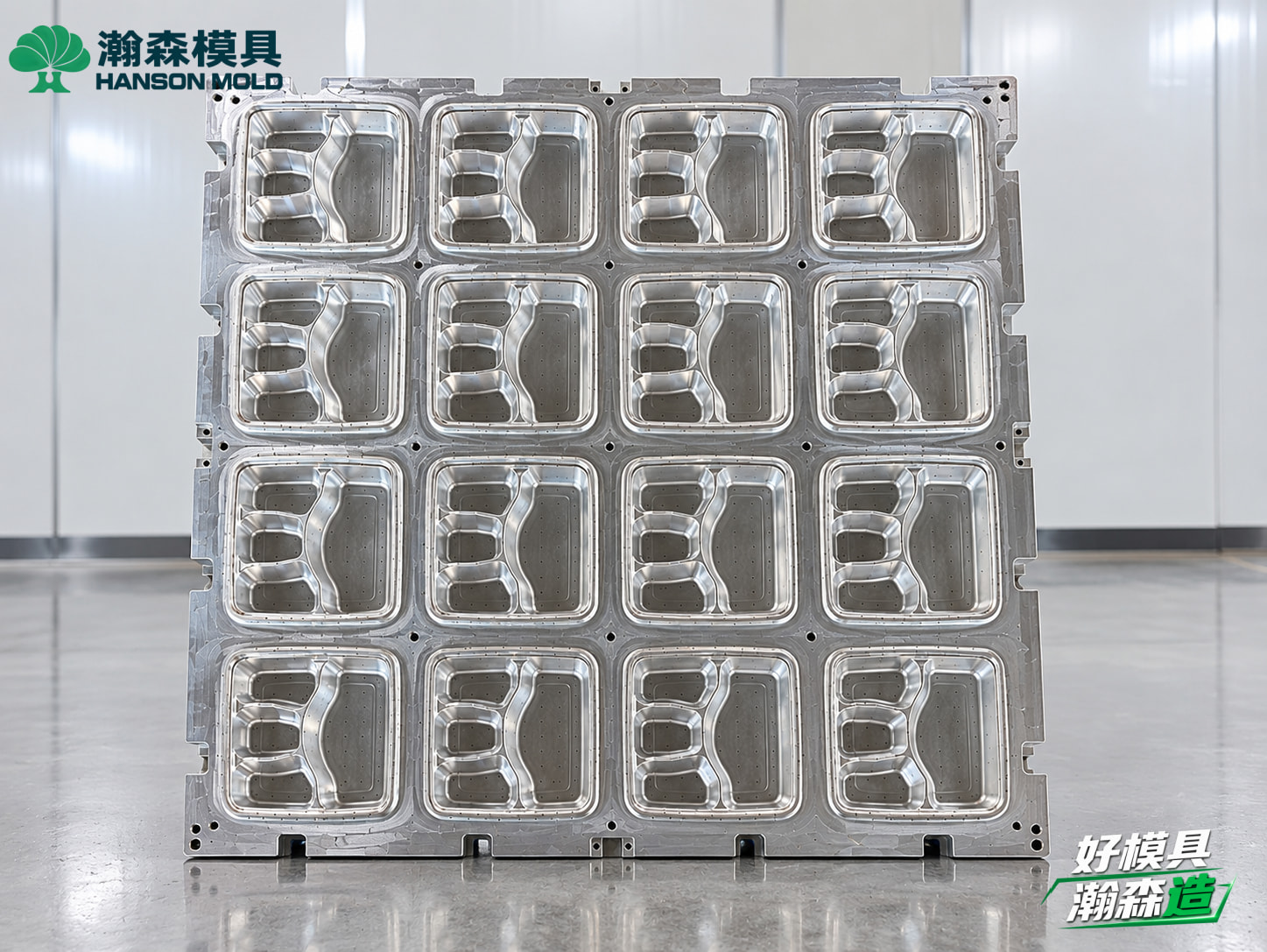
What Does Proper Tooling Acceptance Look Like?
Inexperienced mold makers often pack and ship the tooling immediately after CNC machining and assembly, offloading all trial-and-error costs onto the packaging factory. A professional molded pulp tooling supplier, however, implements a rigorous Factory Acceptance Test (FAT) protocol backed by detailed acceptance records.
Tooling acceptance should never rely solely on static dimensional measurements. At Hanson Pulp Molding, our standard acceptance process involves simulated production runs prior to shipment. We provide clients with comprehensive trial records, which typically include:
-
First Article Inspection (FAI): Data regarding the sample’s weight, wall thickness, overall dimensions, and structural integrity.
-
Process Parameter Logs: Recommended settings for vacuum pressure, hot-pressing temperature, dwell time, and air blow pressure derived during the successful trial run.
-
Tooling Operation Status: Notes on clamping smoothness, mesh condition post-pressing, and whether demolding requires manual intervention.
With well-documented acceptance records, buyers can accurately forecast mass production feasibility before the tooling even arrives at their facility, drastically reducing machine downtime.
Rectification Response and On-Site Support: Securing Stable Production
Even if a mold passes the supplier’s internal trial runs, transitioning it to the client’s forming machines can introduce new variables. Discrepancies in machine platen parallelism, clamping force, or central vacuum efficiency can cause unexpected defects. This is where a supplier’s rectification turnaround and on-site engineering support become invaluable.
1. Rapid Troubleshooting and Rectification If burrs, uneven wall thickness, or demolding jams occur, an experienced tooling team can rapidly diagnose the root cause—whether it is a slurry formulation issue, a machine calibration error, or a tooling clearance defect. If tooling modification is required, the supplier must have the agility to provide rapid localized CNC adjustments or mesh repairs.
2. On-Site Engineering Dispatch For highly complex custom shapes, premium tooling suppliers dispatch engineers directly to the client’s plant. These experts assist the local machine operators in installing the molds, tuning clamping parameters, and synchronizing air ejection timing until the line consistently outputs qualified products.
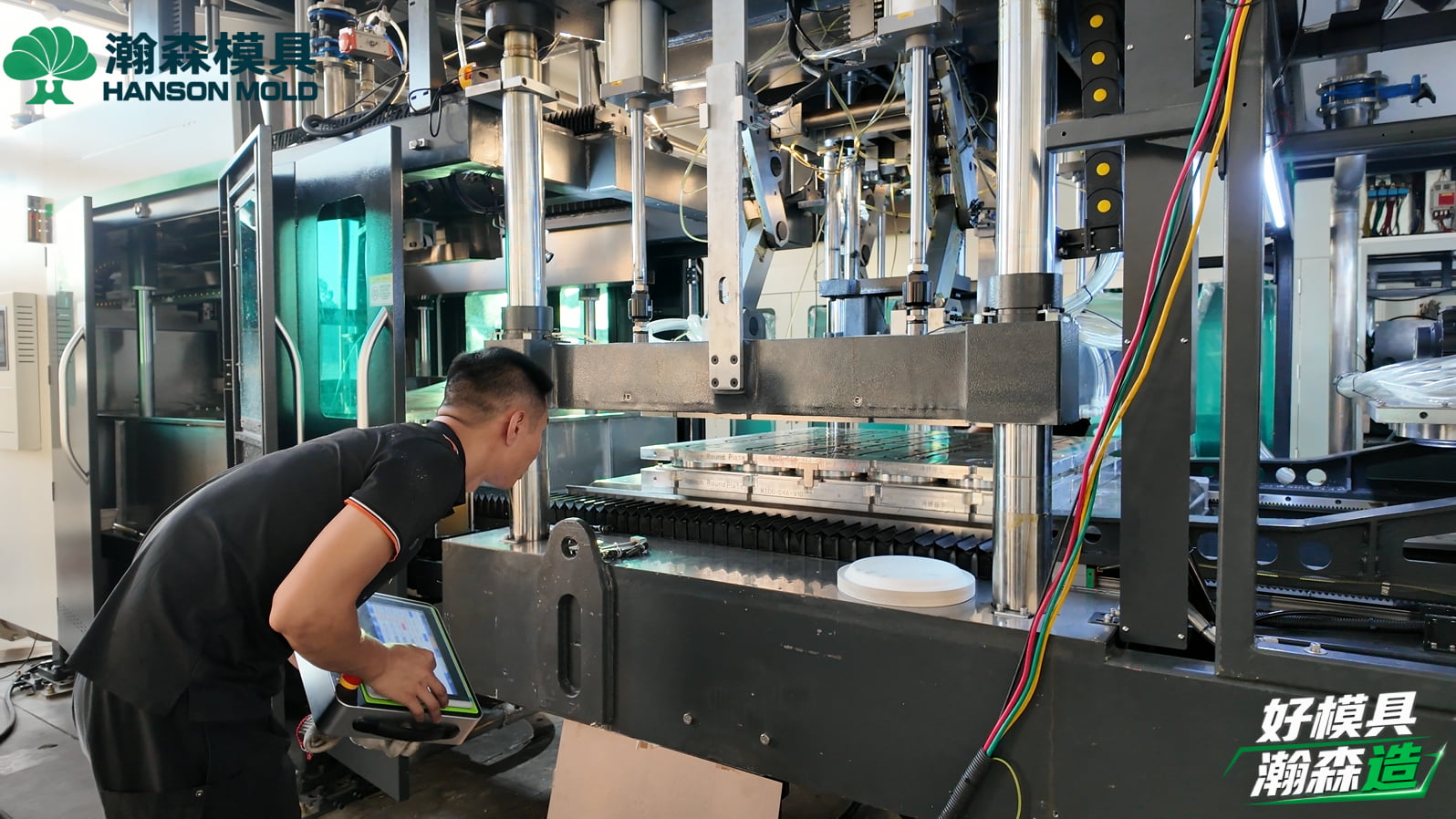
Hanson Pulp Molding: Bridging Tooling and Equipment
In the molded fiber industry, tooling acts as the crucial bridge connecting your process logic with your forming equipment. Relying on an independent mold division and the experience of having manufactured 500 pulp molding molds to date, Hanson Pulp Molding deeply understands how tooling behaves in diverse production environments.
Whether you are developing a new product utilizing “New Tooling + Hanson Equipment” or require tooling optimization for non-Hanson forming machines, we offer end-to-end support—from initial design and assembly to pilot runs and on-site mass production support. When choosing a molded pulp tooling supplier, look beyond basic machining capabilities. Ensure your partner has the process expertise to support you through the critical final mile of mass production.
-
FAQ 1: Why does a molded fiber mold work perfectly during the supplier’s trial run but produce flash/burrs on our machines? Answer: This is usually due to differences in platen parallelism, clamping force, and vacuum levels between the supplier’s trial machine and your production equipment. This highlights the importance of on-site debugging support, where engineers can micro-adjust tooling clearances and machine balance to eliminate flash and pulp leakage in your specific environment.
-
FAQ 2: What essential acceptance records should I request from a tooling manufacturer before shipment? Answer: Beyond basic material certifications and 3D drawings, you should mandate a “Tooling Trial Acceptance Report.” This must include First Article Inspection (FAI) dimensional/weight data, optimal process parameters (temperature, vacuum, dwell time), and a clear evaluation of demolding ease. Static measurements cannot guarantee dynamic production success.
-
FAQ 3: If we use non-Hanson forming machines, can Hanson still provide tooling modifications and production support? Answer: Yes. We provide comprehensive tooling customization and mass production support for non-Hanson equipment. Once the mold arrives at your facility, our technical team can assist in troubleshooting interferences between the tooling, pulp slurry, and your specific machine parameters to ensure stable operations.
-
Are you struggling with new molded fiber molds that fail to achieve stable mass production? Contact Hanson Pulp Molding today for a comprehensive tooling evaluation and expert on-site pilot run support. [+86 15920604830].