
When a molded pulp product exhibits an incomplete fill during the wet-forming stage—such as missing edges, uneven corners, or unfilled deep cavities—it immediately impacts your overall yield rate. The primary rule for troubleshooting this defect is to observe the repeatability of the missing material’s location.
If the short shot consistently appears in the exact same spot on the exact same cavity, the issue is highly likely related to the suction mold design or a localized mesh anomaly. Conversely, if the incomplete fill appears randomly across different cavities or results in an irregular thinness across the entire plate, you should focus your investigation on the pulp supply system and process parameters.
The Core Troubleshooting Tree: Defect Repeatability
Before altering machine settings or dismantling your tooling, run a 5-to-10-cycle test and follow this logic:
-
Fixed and single location: Isolate the tooling (focus on localized suction hole layout, damaged mesh side, or vacuum leakage in the cavity).
-
Random or irregular locations: Isolate the pulp supply (focus on the pulp basin fluid level, pulp consistency, and agitation).
-
Uniformly thin or widespread missing edges: Isolate the equipment parameters (focus on vacuum system pressure drops and pulp suction time).
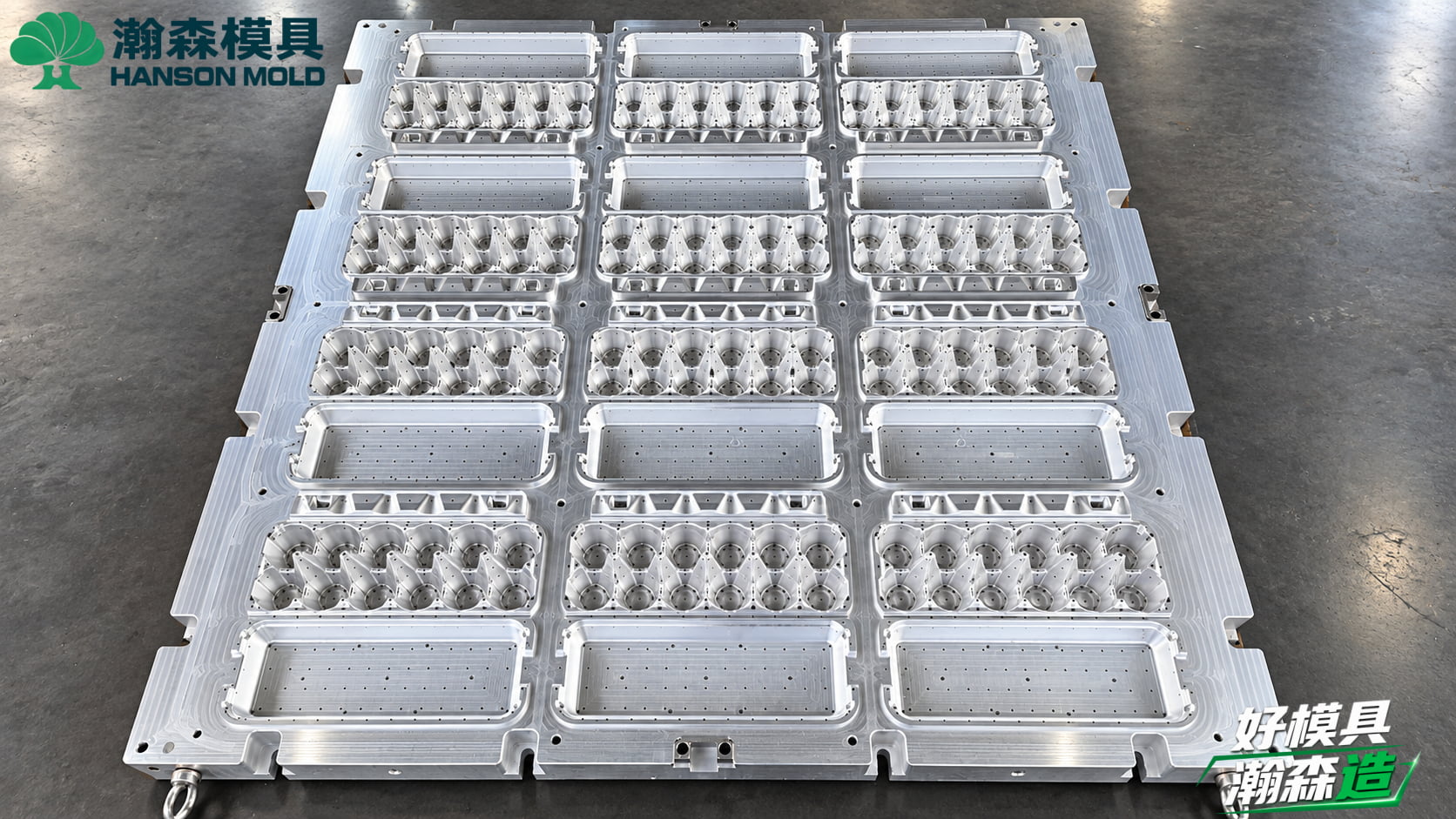
Tooling-Level Causes (Fixed-Location Defects)
When the incomplete fill is pinpointed to a tooling defect, it generally indicates a failure in localized vacuum negative pressure or water drainage.
1. Uneven Suction Hole Distribution
If a deep cavity consistently fails to fill, it is usually because the suction holes in that specific area are insufficient in number or diameter. Low localized permeability means the vacuum cannot attract enough fiber in the allotted time. The mold may require secondary drilling to optimize the drainage structure.
2. Mesh Blockage or Damage
The mesh side of the mold is in direct contact with the pulp. Over extended production runs, fine fibers or undissolved impurities can easily block localized areas of the stainless-steel mesh. If the incomplete fill disappears briefly after tooling cleaning but returns to the exact same spot, the mesh is severely clogged or damaged and must be replaced.
3. Vacuum Leakage in the Tooling Backing
Aging sealing gaskets or micro-cracks in the forming mold holder/base can cause localized vacuum leakage. Consequently, the negative pressure from the system fails to concentrate on the mesh surface, repeatedly causing insufficient fiber accumulation at specific tooling edges.
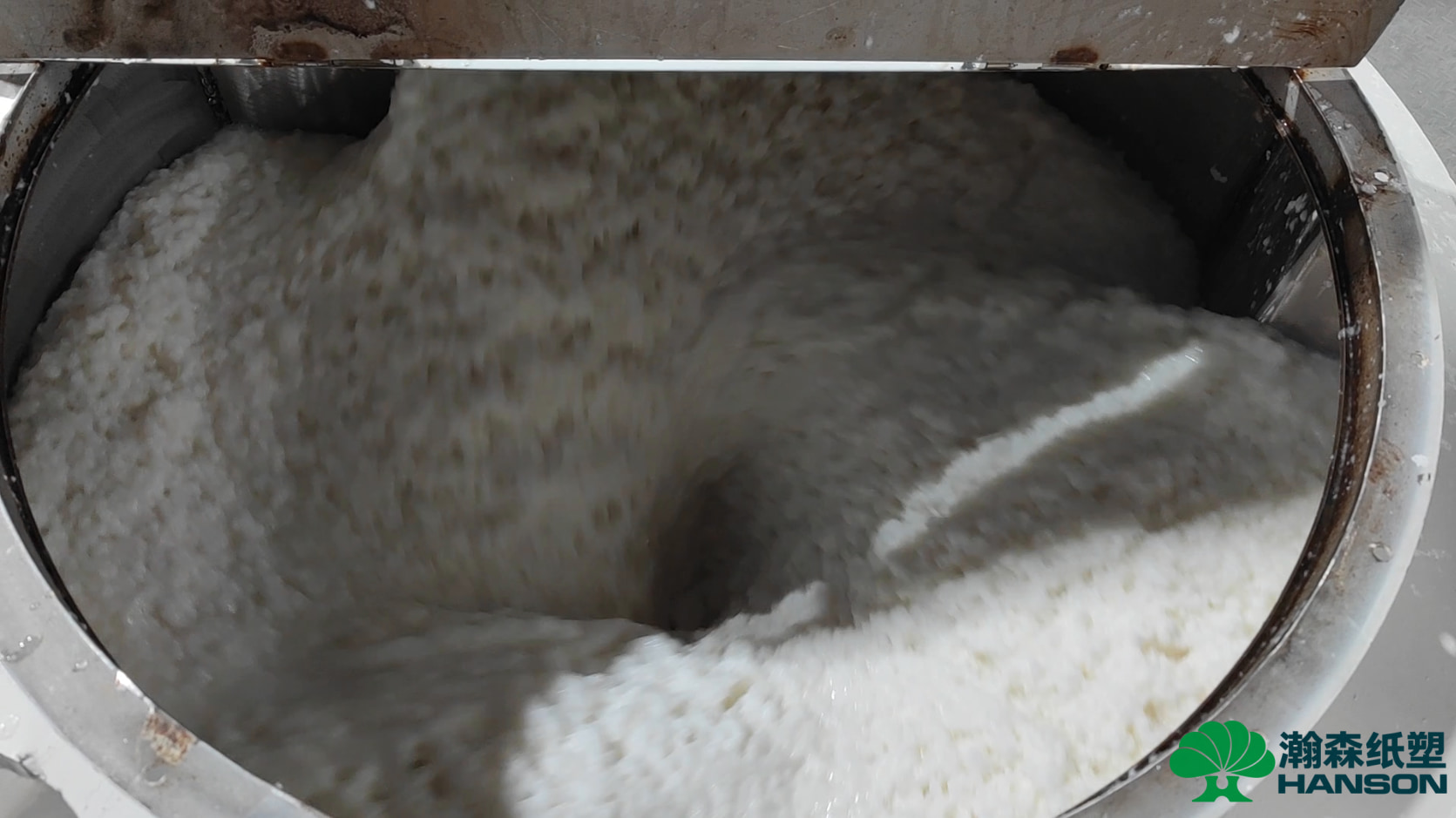
Pulp Supply and Process Causes (Random-Location Defects)
If the incomplete fill “migrates” between different cavities, the mold itself is likely fine. You must inspect the process parameters and pulp preparation.
1. Pulp Basin Level and Agitation Blind Spots
If the fluid level in the pulp basin is lower than the set threshold, the suction mold will not be fully submerged during its downward stroke, directly drawing in air and causing severe missing material at the top edges. Additionally, if there are agitation blind spots in the basin, the pulp and water are not adequately mixed; the mold might pull up water with very low fiber content, causing transparent or missing sections on the product.
2. Deviations in Process Parameters
Accurate quantitative pulp feeding is the foundation of a high yield rate. If the pulp consistency is set too low, or the defined pulp suction time is too short, the accumulated fiber will not reach the target weight, leading to short shots at the most vulnerable edges and transitions.
3. Insufficient Vacuum Pressure
A decline in the main vacuum pump’s extraction rate or water accumulation in the vacuum pipelines prevents the system from rapidly reaching the necessary negative pressure during the suction phase. This will result in thinner walls across the entire batch, often accompanied by random incomplete fills.
Hanson Pulp Molding: Tooling Optimization and Mass Production Support
Once the root cause is identified, executing the fix requires an integrated approach to the mold and machine parameters. With 500 sets of pulp molding molds manufactured to date, Hanson Pulp Molding understands that resolving on-site pain points requires a deep understanding of the synergy between process, equipment, and molds.
For incomplete fill issues occurring on non-Hanson equipment, we offer expert old mold optimization and mass production support. If an old tool suffers from poor vacuum distribution, our 10 senior designers utilize 3D scanning and high-speed CNC machining (up to 24000 RPM) to precisely reconstruct the suction hole arrays. By optimizing the stress release and precision machining steps, we eliminate vacuum dead zones to ensure uniform suction across the mesh side. Please note that all process modifications must be validated by on-site trial runs.
-
FAQ:
-
Q: Will simply increasing the overall vacuum pressure fix a deep-cavity short shot? A: Not necessarily. If the incomplete fill is due to sparse suction holes or a blocked mesh side (a tooling issue), increasing the system vacuum will not help the blocked area. It will only make other sections unnecessarily thick and waste energy. Tooling modification is required.
-
Q: How can I quickly tell if a low pulp basin level is causing the incomplete fill? A: If the missing material consistently appears at the highest elevation of the mold plate (the shallowest submerged point) and is accompanied by an audible air-sucking noise, the fluid level is likely too low. Raising the basin level for the next cycle will confirm this.
-
Q: Can you optimize an existing mold originally made by another manufacturer? A: Yes. We frequently provide old mold optimization and mass production support for non-Hanson equipment. Our engineering team assesses the structural flaws and employs high-speed CNC to correct suction and drainage layouts, swiftly restoring your yield rate.
-
-
Struggling with persistent incomplete fills and low yield rates? Contact Hanson Pulp Molding for comprehensive tooling evaluation and on-site mass production support. [International contact to be confirmed]