
Troubleshooting Weight Fluctuation in Pulp Molding Products: Why Do Weights Vary on the Same Mold?
During continuous pulp molding mass production, identifying significant weight discrepancies across products from the same mold is a common and frustrating challenge. When the weight tolerance of the wet blank or final product exceeds specifications, on-site engineers often default to blaming the mold.
However, product weight instability is a systemic issue. Blindly attributing defects to the tooling can misdirect your troubleshooting efforts. Hanson Pulp Molding recommends a systematic verification process distinguishing between the pulp system, equipment settings, and the mold itself, prioritized from pulp supply to cavity precision.
Step 1: Prioritize Pulp Supply and Consistency
When the weight of all products in a cycle fluctuates universally over time, the pulp supply is the prime suspect.
-
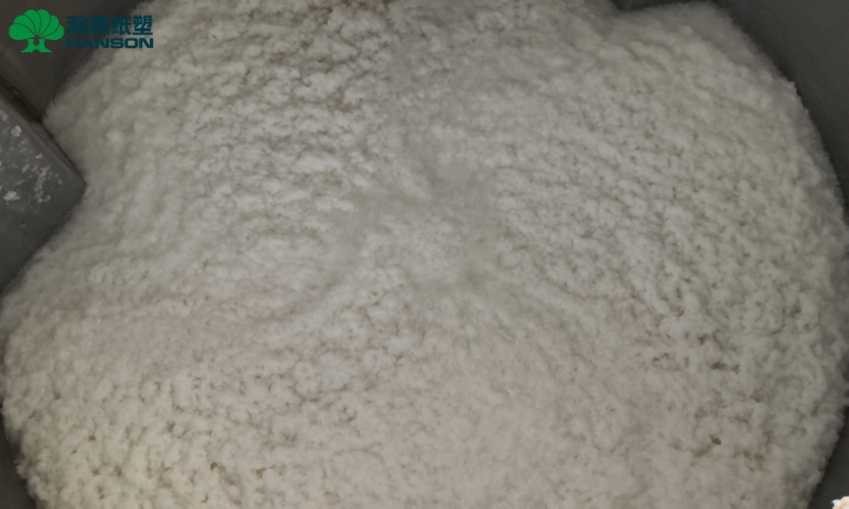
Pulp Concentration: Pulp molding relies on the filtration and deposition of fibers. If the pulp concentration in the supply tank is uneven, higher concentrations result in heavier products, while lower concentrations yield lighter ones. Check the operation of pulpers and refiners first.
-
Cyclic Feeding System: Check if the fluid level in the pulp vat remains dynamically balanced. Any lag in the internal or external cyclic feeding system will cause varying liquid levels during pulp suction, leading directly to weight variations between successive machine cycles.
Step 2: Verify Pulp Suction Time and Vacuum Stability
Once pulp consistency is ruled out, inspect the transient process parameters during the machine’s operation.
-
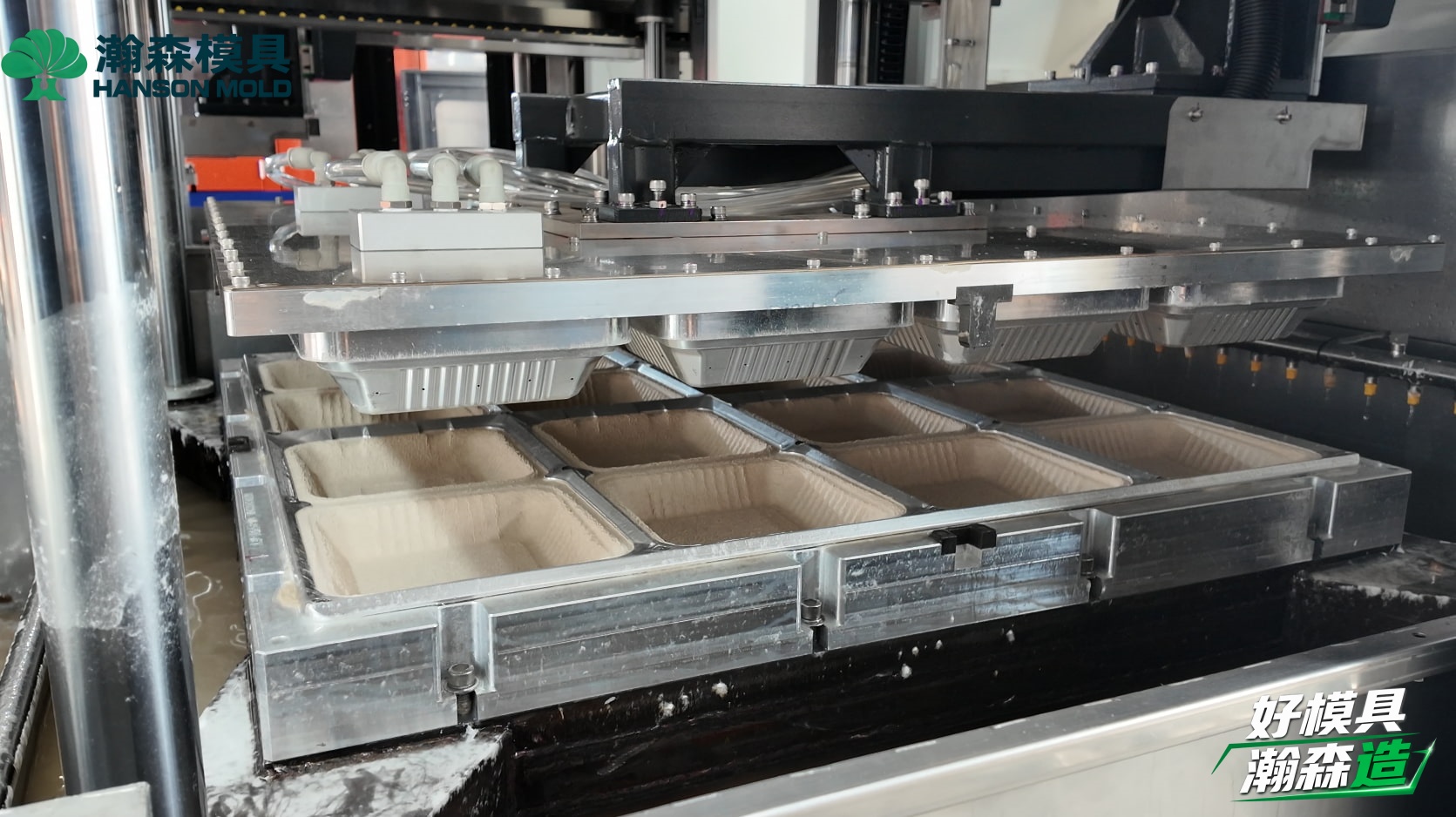
Pulp Suction Time: The longer the suction time, the thicker the fiber deposition, naturally increasing the weight. Ensure there are no mechanical delays in the equipment’s cycle timing.
-
Vacuum System Efficiency: Monitor the pressure gauge on the vacuum station during the suction phase. If there are air leaks in the suction mold base or insufficient instantaneous draw from the vacuum tank, weight tolerance issues will be heavily magnified across different stations on the machine.
Step 3: Inspect Tooling Drainage and Mesh Side Condition
If products from specific cavities consistently weigh less within the same production cycle, restricted drainage is likely causing insufficient effective negative pressure in that localized area.
-
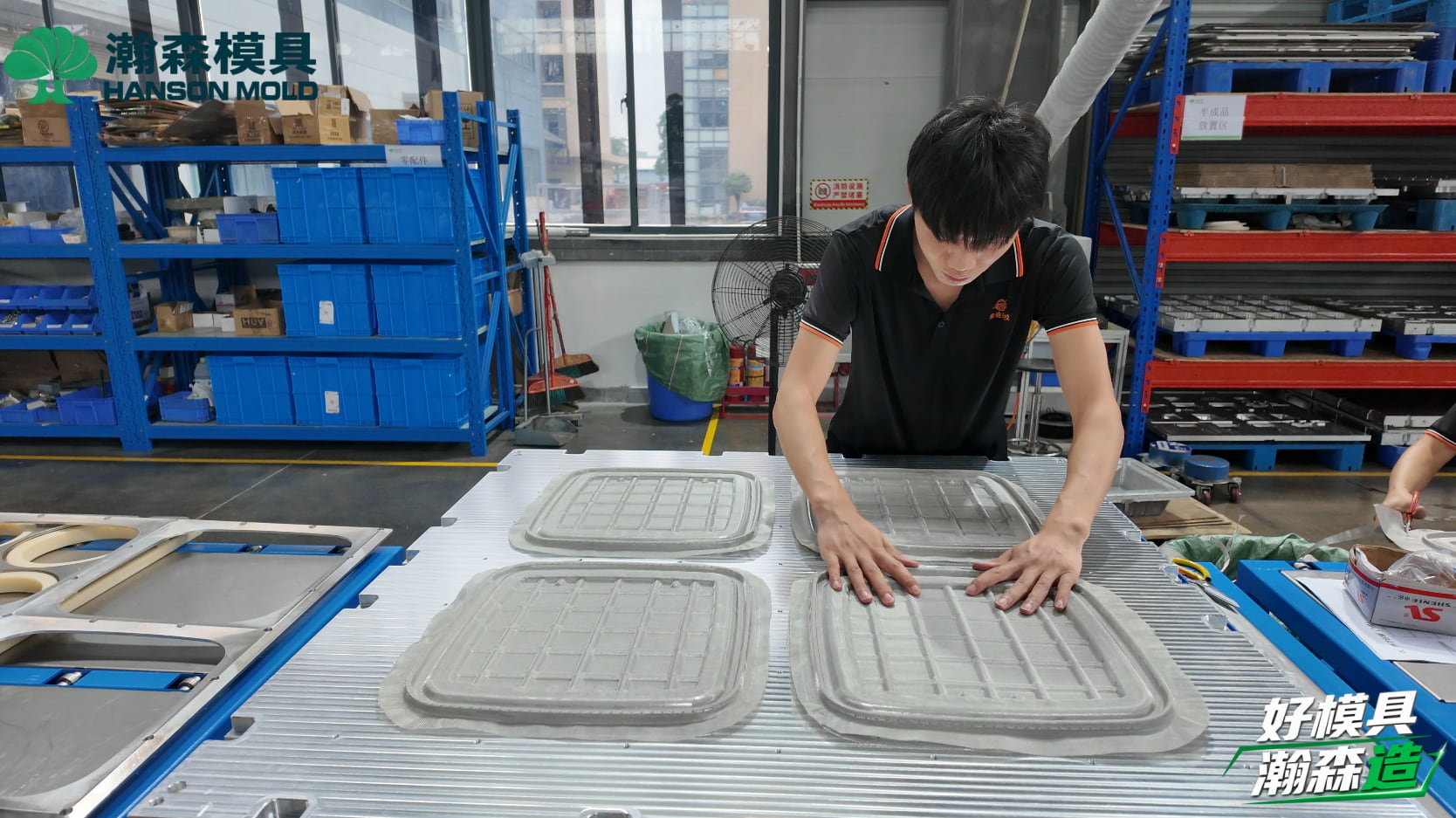
Mesh Blockage: Over continuous cycles, fine fibers or undissolved particles easily clog the mesh side. A thorough cleaning process is required to ensure no localized residues remain due to insufficient water flushing pressure.
-
Wire Mesh Wrapping & Drilling: Inspect the wire mesh wrapping for deformation or displacement. Additionally, if the drilling pattern on the back of the cavity is unevenly distributed, localized drainage will be blocked, directly restricting the pulp suction volume in that specific zone.
Step 4: Assess Cavity Discrepancies and Wear
If blockages are cleared and specific cavities still exhibit weight issues even after replacing the mesh, physical wear or manufacturing tolerances must be evaluated.
-
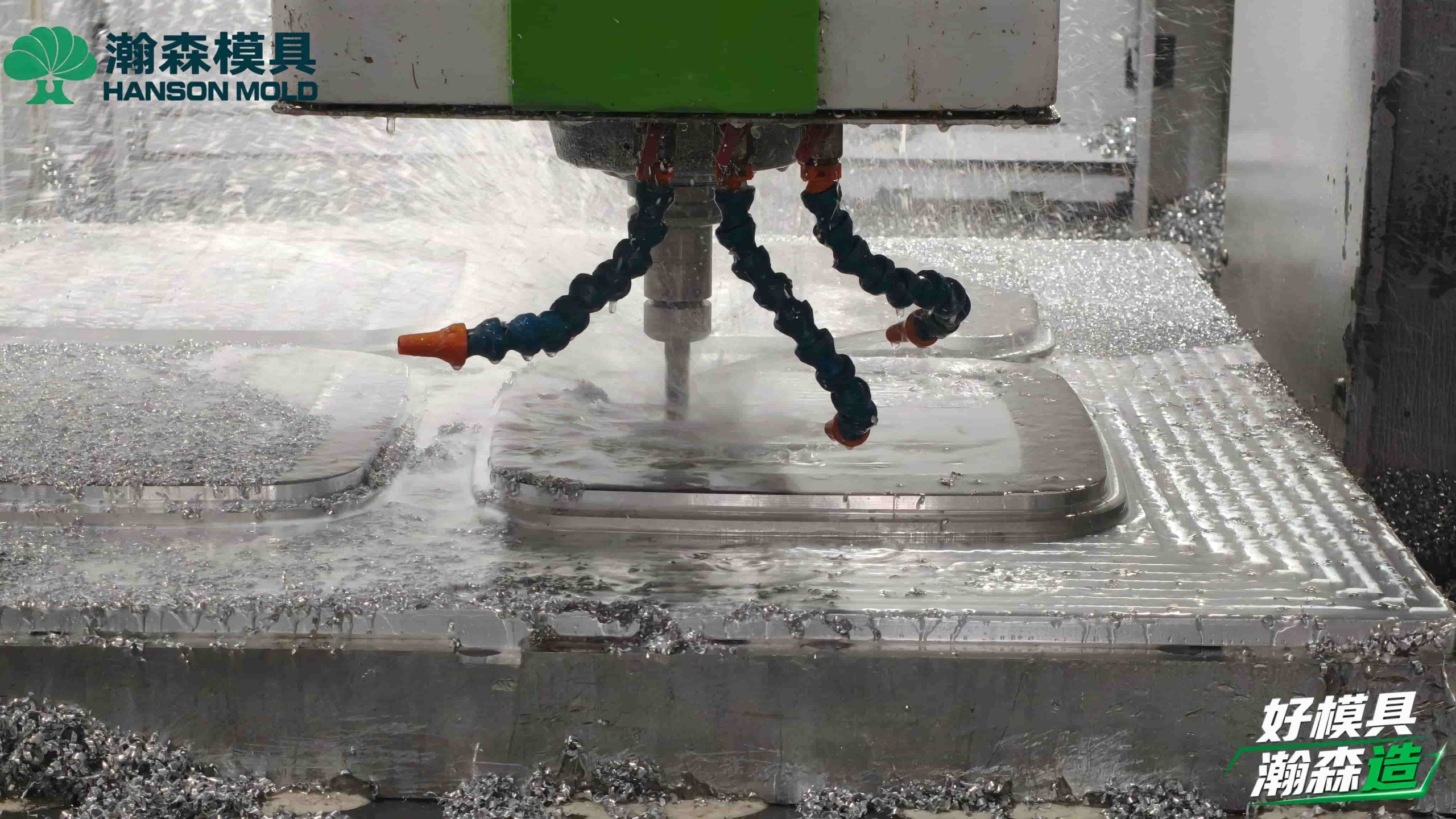
Cavity Geometry Variations: In multi-cavity molds, failure to control geometric tolerances during rough and fine machining will result in slight volume differences between cavities, causing inconsistent individual product weights.
-
At Hanson Pulp Molding, we utilize high-speed CNC machining (up to 24,000 RPM) for precise finishing, followed by rigorous 3D scanning to verify the volume and contour of every cavity. With 500 pulp molding molds manufactured to date, our tooling engineers rely on exact data comparisons during the mold trial stage to ensure weight differences across all cavities remain within an extremely tight tolerance band.
Hanson Pulp Molding: Old Mold Optimization & Mass Production Support
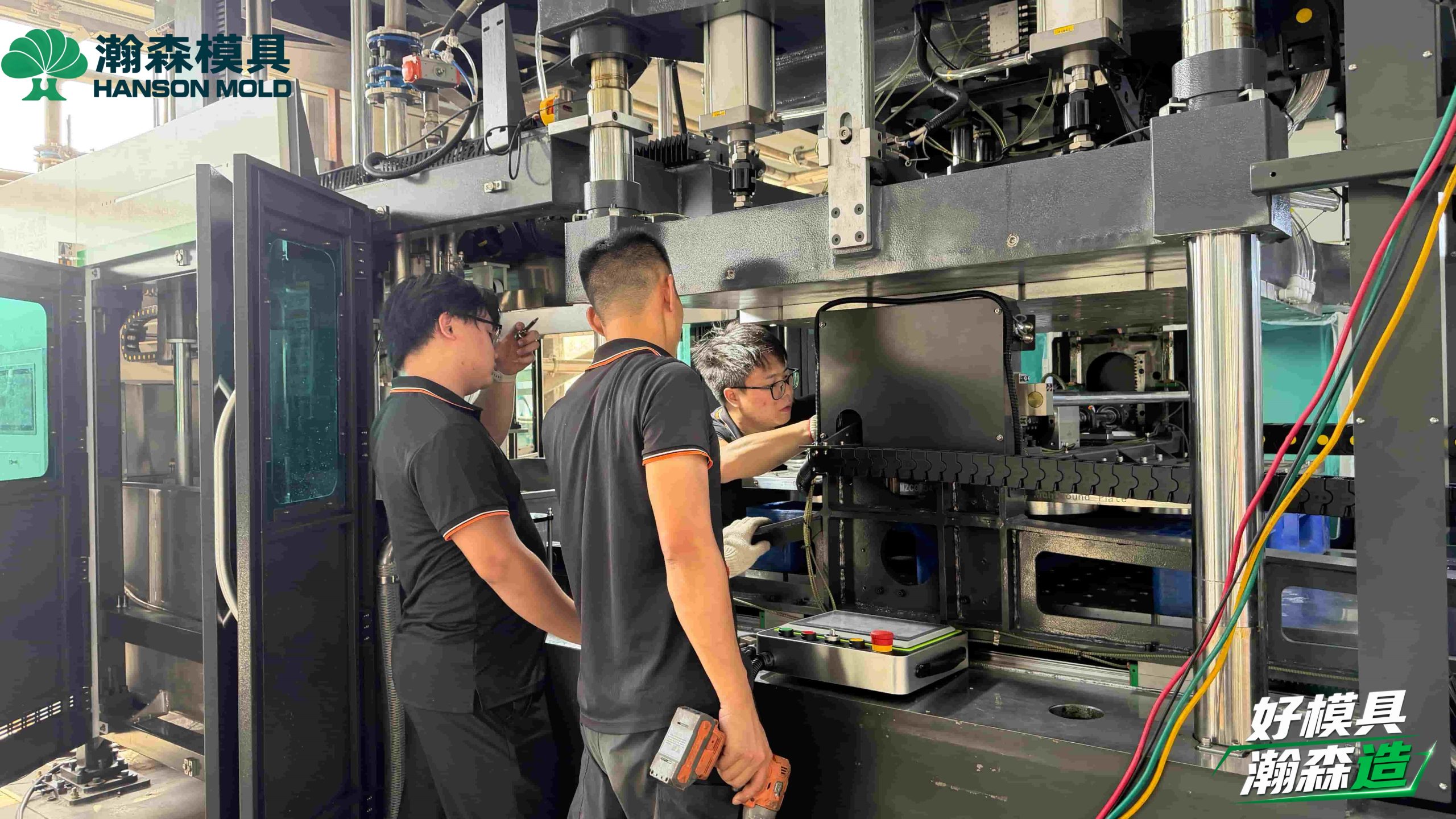
For existing molds running on non-Hanson equipment, early design flaws can often cause weight instability. We provide a complete business path: Old Mold Optimization → Mass Production Support. We don’t just understand tooling; we deeply understand the synergy between the process, equipment, and molds. We can dispatch senior technicians for on-site support, using actual field validation data to stabilize your operations and boost your yield rate.
FAQ
Q1: Why is the product weight normal at startup but starts to drop after a few hours of continuous operation? A1: This is typically related to mesh blockage or a drop in pulp concentration within the cyclic feeding system. Continuous operation causes fine fibers to clog the mesh, reducing suction efficiency. Alternatively, an improperly set return valve can slowly dilute the actual concentration in the pulp vat.
Q2: On the same mold, why are the products from the two edge cavities consistently heavier? A2: Heavier edge products often result from an uneven fluid flow distribution in the molding machine’s vat, causing pulp accumulation at the edges. Alternatively, overly dense drainage drilling behind those specific cavities may create excessive localized suction pressure.
Q3: We adjusted the suction time to fix the weight, but now the product thickness is out of tolerance. Why? A3: Suction time only alters the total fiber deposition. If the closing gap of the hot pressing mold is not adjusted synchronously, the localized density of the product will change. Process adaptation requires coordinated adjustments between forming and hot pressing, which must be validated on-site.
Struggling with uncontrollable weight tolerances? Contact Hanson Pulp Molding for comprehensive tooling evaluation, mold optimization, and on-site support to stabilize your production. [+86 15920604830]