For pulp molding plants managing diverse orders, dealing with a high frequency of mold changes is a practical reality. When purchasing a pulp molding machine, many investors focus heavily on the theoretical cycle time. However, in a multi-product facility, theoretical cycle time does not directly equal actual daily output.
Switching between products of different sizes, weights, and process requirements disrupts continuous production. If you simply evaluate machine specifications without considering process adaptability, tooling synergy, and post-processing, your production efficiency will inevitably drop. The correct procurement logic should always start with defining the product, precision, capacity, and automation requirements, followed by matching the appropriate process (wet press, dry press, or semi-dry press), and finally selecting the equipment.
Why Cycle Time Doesn’t Equal Daily Output in Multi-Product Plants
When a factory frequently switches products, the production line undergoes more than just a mechanical tooling change. A complete system adjustment is required:
-
Pulp Slurry Adjustments: Different product weights and wall thicknesses require changes in pulp consistency and fiber distribution.

-
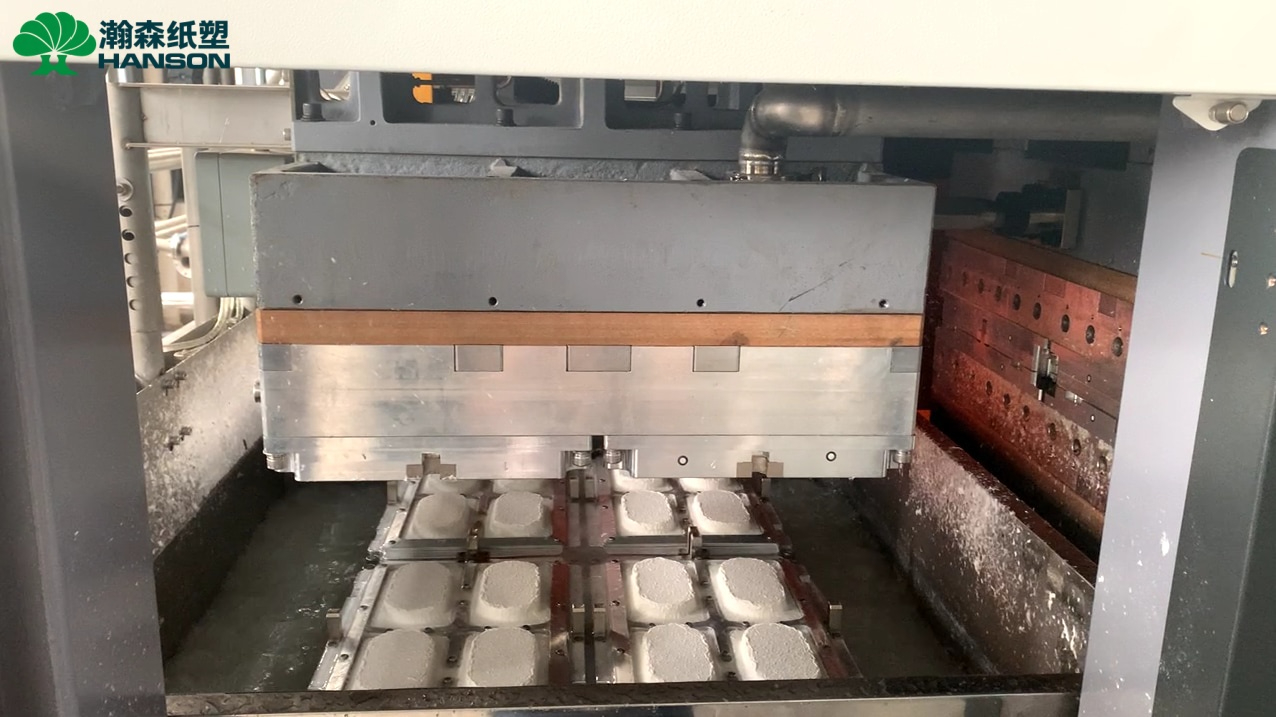
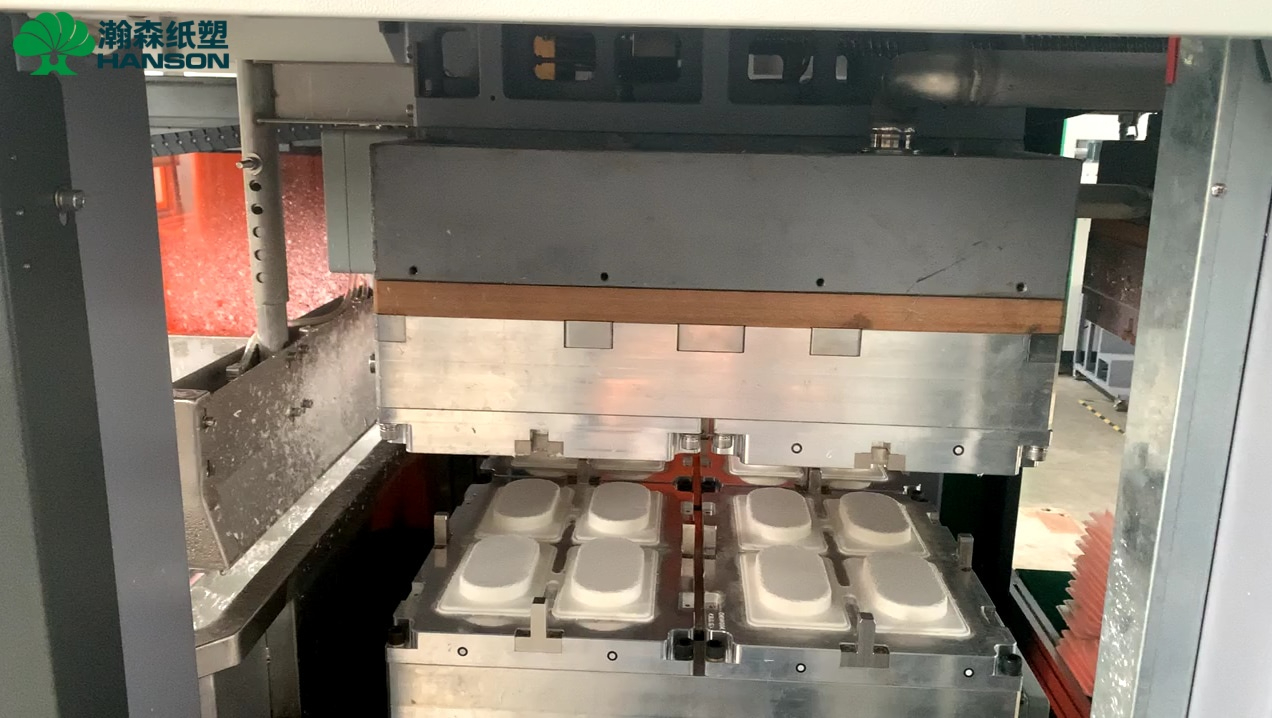
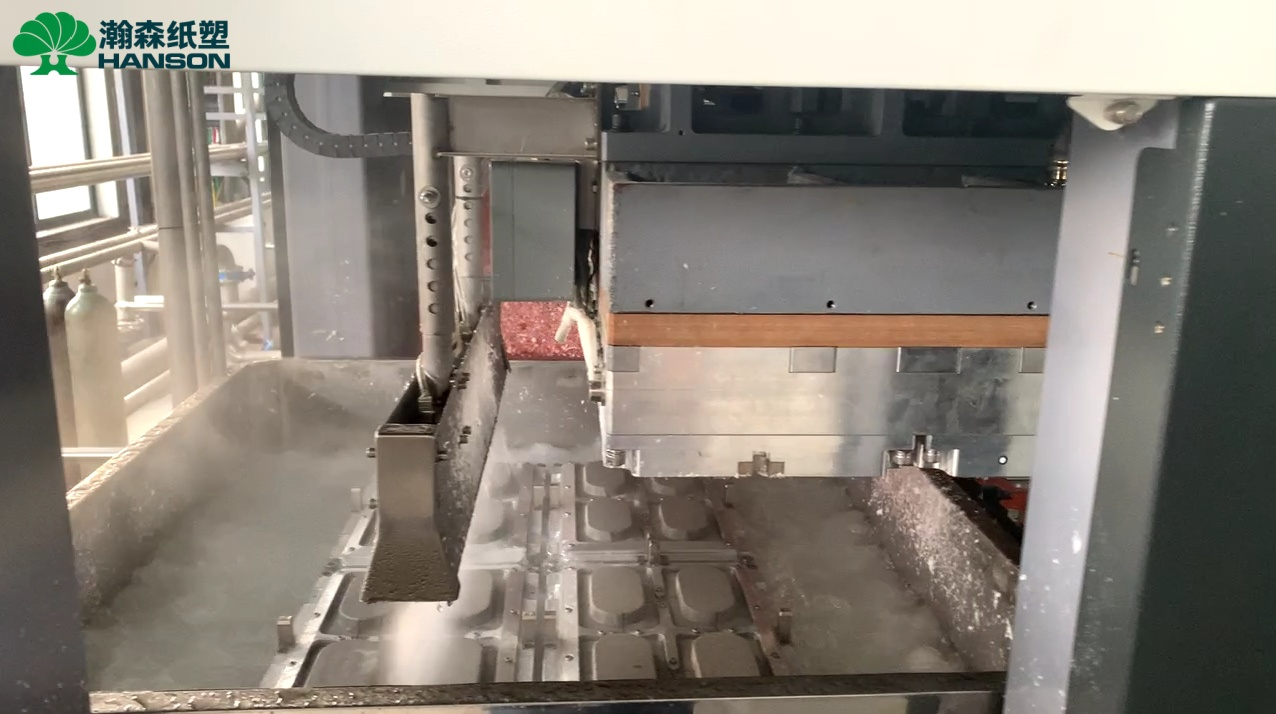
Forming and Hot Pressing Parameters: Heavier or deeper products demand longer forming and hot-pressing times. The actual daily output in tons and pieces will fluctuate significantly when producing different items on the same machine.
-
Wet Preform Transfer: Changes in product depth and mold layout affect dewatering efficiency and the stability of the wet preform during transfer.
-
Post-Processing Bottlenecks: Frequent changeovers affect the steady supply from the pulping system, and secondary operations like trimming and packaging must also be recalibrated to avoid bottlenecks.

Therefore, just because a machine can change molds does not mean it is economically viable to constantly switch between drastically different products.
Key Factors to Consider When Buying a Pulp Molding Machine
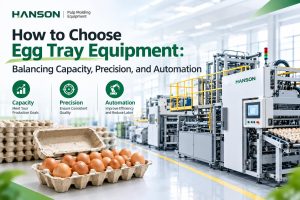
To prevent low equipment utilization caused by high mold change frequencies, buyers should focus on the following evaluation criteria:
1. Define the Product and Process Route (Wet Press vs. Dry Press)
Different products demand distinct manufacturing approaches. For instance, wet press tableware emphasizes high capacity and energy efficiency, whereas premium industrial packaging (like consumer electronics inserts) demands superior surface quality, strict dimensional accuracy, and exceptional product consistency. Trying to use a single pulp molding machine for dry press protective packaging, wet press tableware, and premium industrial packaging often compromises both efficiency and quality. It is crucial to categorize your products and align them with dedicated equipment.
2. Tooling and Equipment Synergy
Molded fiber tooling does more than just shape the product. The forming and hot press molds directly impact dewatering, surface finish, thermal distribution, and demolding stability. In a high-mix production environment, quick-change tooling designs and seamless synergy between the machine’s control system and the mold are critical for minimizing ramp-up time after a changeover.
3. Pulp Preparation and Process Adjustments
Frequent mold changes imply that pulp consumption rates will vary. The pulp preparation system must have flexible consistency and flow controls to prevent the forming machine from idling due to a lack of slurry, or conversely, overproducing pulp. A well-integrated intelligent pulping system accommodates these rapid shifts.
4. Post-Processing Automation Compatibility
A fast mold change on the forming machine is useless if the downstream trimming, vision inspection, and stacking equipment take hours to adjust. Post-processing automation must be highly compatible and capable of matching the changeover pace of the main production line.
Hanson Pulp Molding’s Approach: Dedicated Equipment Matrix and Turnkey Solutions
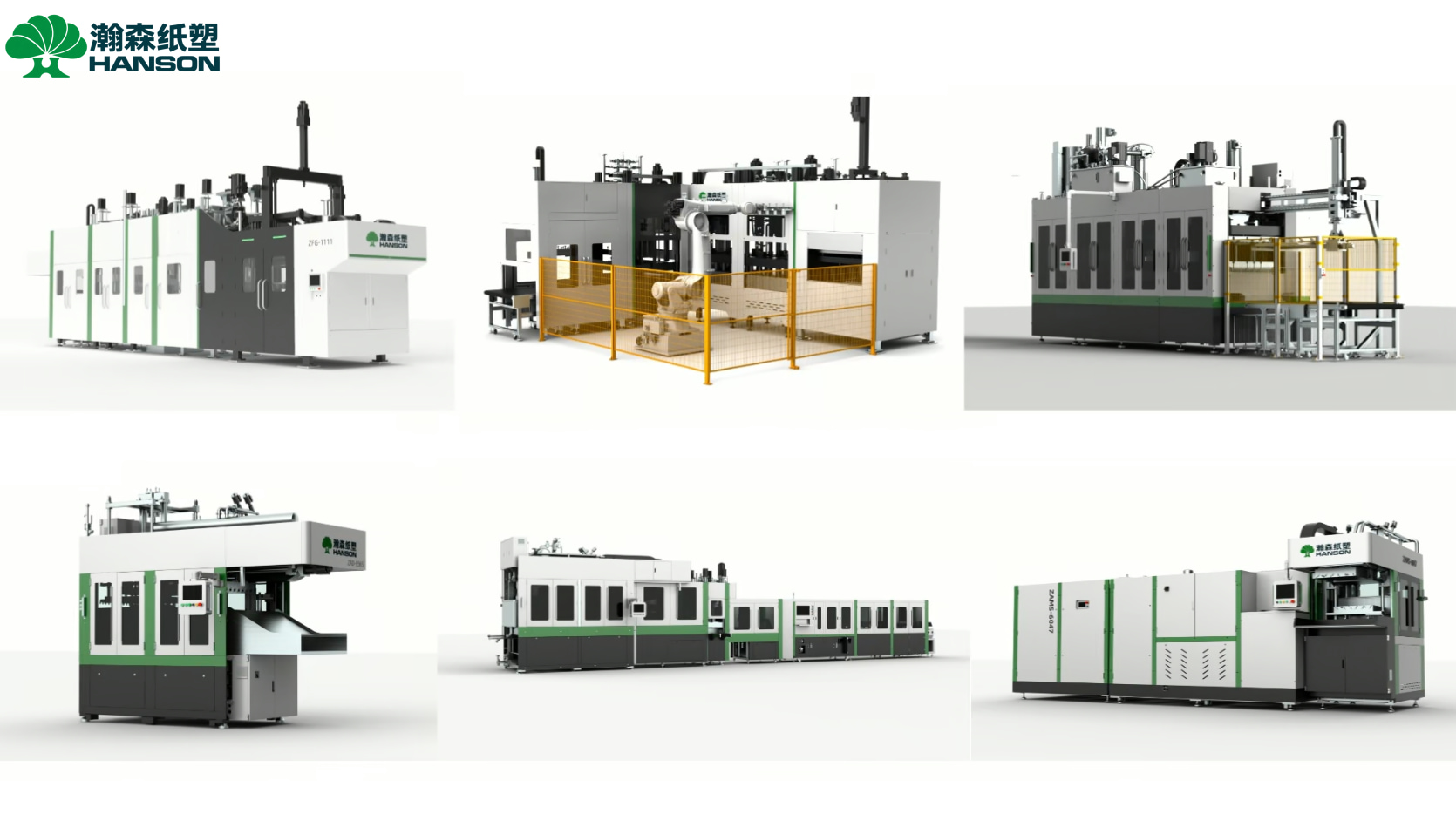
As a specialist in turnkey pulp molding solutions, Hanson Pulp Molding advises against the “one-machine-does-all” mindset. Based on turnkey project experience, Hanson Pulp Molding offers a specialized equipment matrix and process synergy capabilities to address diverse manufacturing needs:
-
Wet Press Tableware: For high-volume items like plates and clamshells, equipment such as the ZFG-1111 and the full-servo ZBG-1111 are designed to optimize high capacity and stable, energy-efficient commercial production.
-
Premium Industrial Packaging: For high-precision applications, the ZAP-9585 machine utilizes dynamic pulp replenishment, catering specifically to strict surface and dimensional requirements.
-
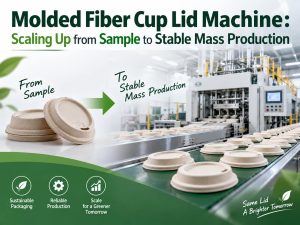
Cup Lids and High-Volume Small Items: The ZAKS-9595 automated production line integrates forming, hot pressing, servo die-cutting, vision inspection, and packaging for continuous, high-efficiency lid manufacturing.
-
Turnkey Plant Integration: Through its 6+1 turnkey service model, Hanson Pulp Molding integrates product development, tooling, pulping, forming equipment, and post-processing automation. This systemic plant planning dramatically reduces the downtime associated with multi-product changeovers and ensures stable mass production.
Conclusion
Handling a high frequency of mold changes tests the flexibility of your entire manufacturing system. Evaluating a pulp molding machine based solely on its theoretical cycle time is insufficient. By defining your product requirements first, selecting the correct process route, and relying on professional tooling and turnkey plant planning, you can effectively manage production fluctuations and secure a stronger return on investment.
FAQ
1. Does changing products on a pulp molding machine only require changing the mold? Not necessarily. While changing the tooling is central, you typically must also adjust the pulp consistency, vacuum duration, hot pressing temperature and pressure, as well as downstream trimming and stacking parameters.
2. Is the daily output the same when producing different products on the same machine? No. Actual production capacity is affected by product weight, number of cavities, and hot pressing time. Both the piece count and the tonnage per day will change when shifting between heavy and lightweight items.
3. Can I use the same machine for tableware and premium industrial packaging? While technically possible, it is not recommended commercially. Tableware production prioritizes output and energy efficiency, while premium packaging demands strict dimensional accuracy and surface quality. Dedicated machines yield better stability and efficiency.
4. Will more mold cavities automatically increase production capacity? Not always. More cavities can increase the units per cycle, but they are limited by the mold area, dewatering efficiency, vacuum distribution, and hot pressing capabilities. The number of cavities must match the machine’s load capacity and the specific product’s requirements.
CTA
If you are planning a multi-product pulp molding project or struggling with downtime due to frequent mold changes, evaluating machine specifications alone isn’t enough. Hanson Pulp Molding can evaluate your project from product development and plant planning to pulping, forming equipment, tooling, and post-processing automation. If you already have product dimensions, 3D drawings, or target capacities, reach out to us to build the right equipment matrix for your facility.
WhatsApp: +86 15920604830
Email: linchuangcheng@hspulpmolding.com