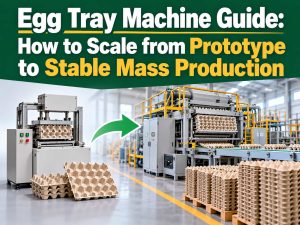
When evaluating pulp molding equipment, one of the most common questions buyers ask is: “What is the cycle time?” It is a prevalent misconception in molded fiber projects to equate a fast theoretical cycle time directly with high production capacity and, consequently, low unit costs.
In reality, theoretical cycle time only represents the mechanical speed limit of the equipment. The true metric that determines the profitability of a pulp molding plant is the comprehensive manufacturing cost per qualified unit. If a machine operates at high speeds but suffers from low yield rates, excessive energy consumption, or creates bottlenecks in post-processing, the actual cost per product will surge, diminishing your market competitiveness.
Establishing a scientific purchasing standard requires evaluating pulp molding equipment comprehensively based on actual daily output, energy control, product consistency, and automation synergy.
The Gap Between Theoretical Cycle Time and Actual Daily Capacity
During the early stages of procurement, buyers often rely on a simple formula to estimate production: (24 hours ÷ Cycle Time) × Number of Cavities × Unit Weight = Theoretical Daily Capacity.
However, once the factory begins commercial production, the actual volume in the warehouse rarely matches this theoretical figure. True stable daily production capacity is constrained by several hidden variables:
-
Equipment Uptime and Maintenance: Machines require downtime for mold changes, mesh cleaning, and routine maintenance. Equipment that maintains a high load with stable operation—without frequent troubleshooting—is what converts a fast cycle time into tangible output.
-
Mold and Process Synergy: Molded fiber tooling dictates more than just product shape. It directly influences fiber retention, drainage efficiency, and the stability of wet preform transfers. If the mold’s drainage design is inadequate, forcing a faster machine cycle will lead to uneven internal moisture, causing product deformation or tearing during hot pressing.
-
Yield Rate: Regardless of how fast the machine runs, if the output consists of defective products, it wastes raw materials, energy, and repulping resources. Actual capacity must always be measured in qualified products.
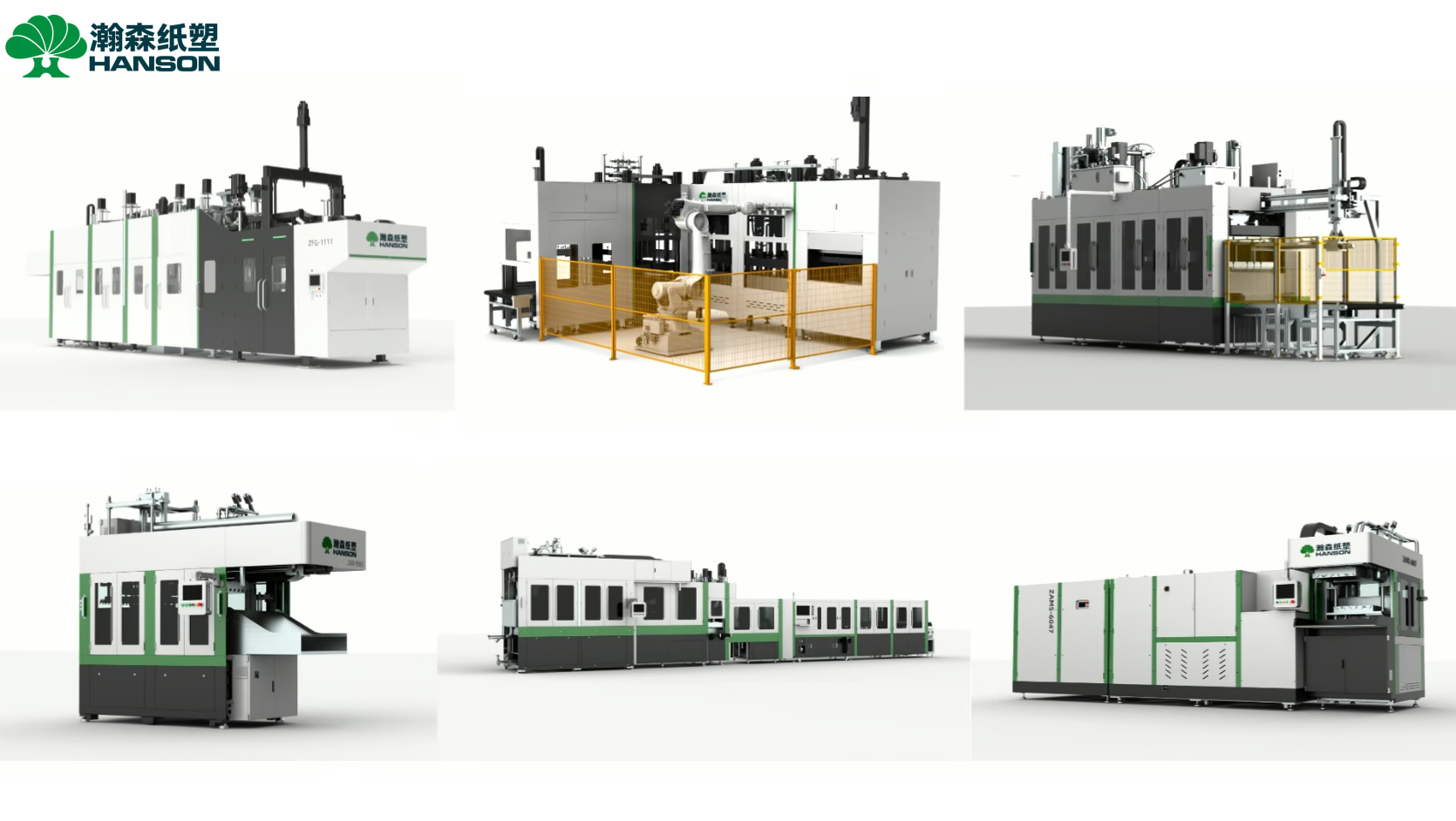
Three Hidden Factors Influencing Unit Cost in Pulp Molding
To dilute the unit manufacturing cost, simply speeding up the machine is not enough. The efficiency of the entire production system is paramount.
1. Electricity Consumption per Ton and Dewatering Efficiency
Pulp molding is fundamentally a process of removing water from plant fibers. Because evaporating water with thermal energy is significantly more expensive than mechanical or vacuum dewatering, the amount of moisture the wet preform retains before entering the hot-pressing or drying stage directly dictates your energy burden.
Therefore, energy evaluation should focus on electricity consumption per ton of qualified product, rather than just the installed power of the machine. Hanson Pulp Molding emphasizes pre-dewatering efficiency in its equipment design. For instance, in wet-press tableware production, through optimized synergy between forming, hot pressing, and mold design, Hanson’s relevant equipment can achieve an electricity consumption of less than 1,800 kWh per ton under appropriate production conditions, fundamentally lowering long-term operational costs.
2. Bottlenecks Between Forming and Post-Processing Automation
If the primary forming machine operates at top speed but the post-processing stages—such as trimming, inspection, and stacking—cannot keep up, the actual output of the entire complete production line will be choked by the slowest link.
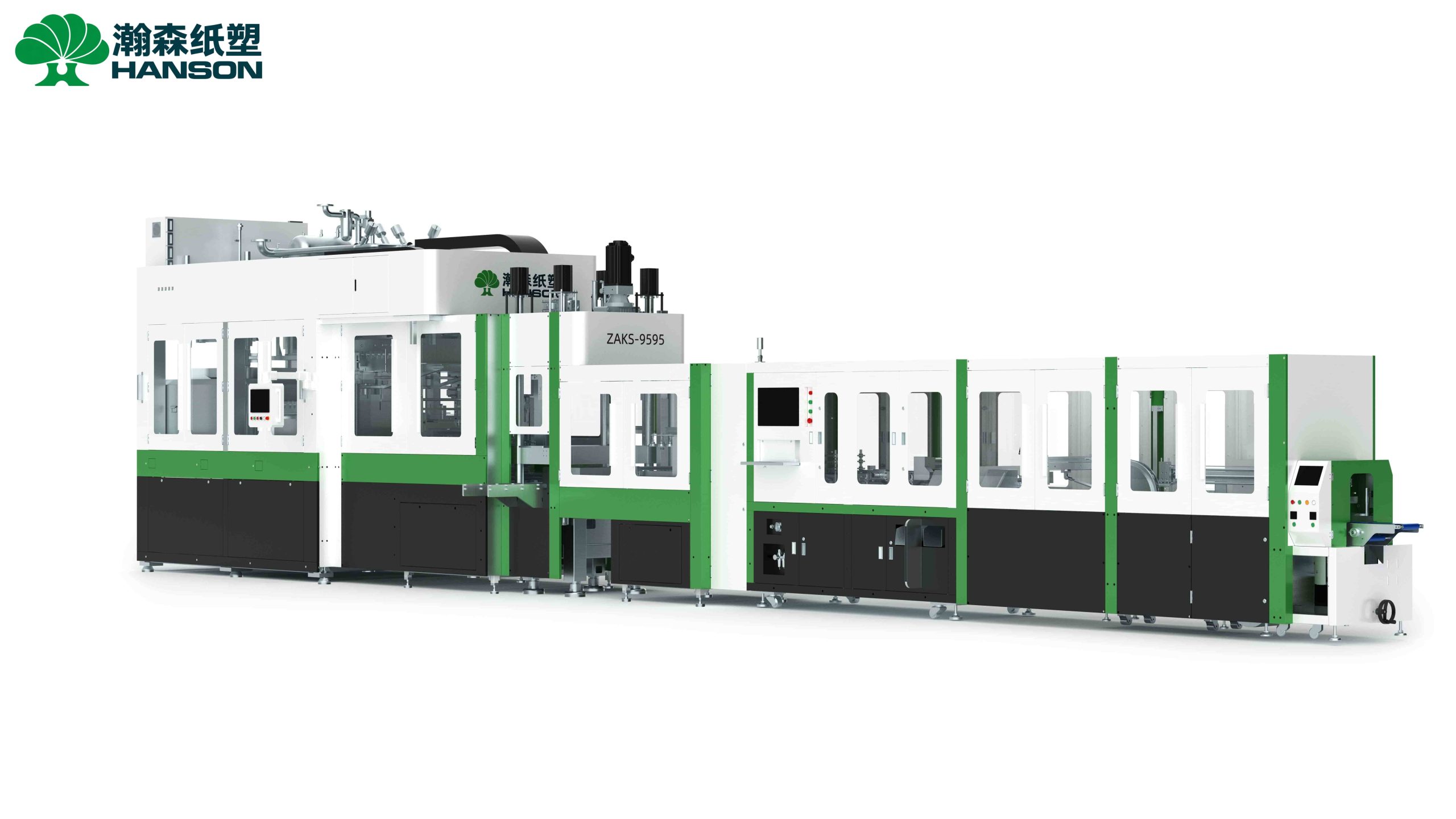
Take molded fiber cup lids as an example. These are high-volume, small-sized products that require extremely precise edge trimming. Relying on manual trimming and visual inspection introduces high labor costs and cannot match the speed of an automated forming machine. Hanson’s ZAKS-9595 automated cup lid production line resolves this by integrating forming, hot pressing, servo-driven punch cutting, machine vision inspection, and automatic packaging into a continuous workflow, enabling highly efficient 24-hour mass production.
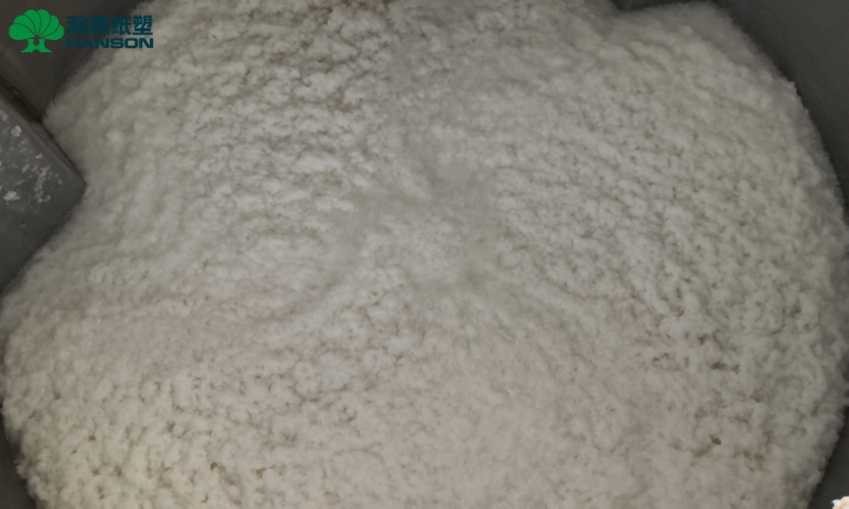
3. Stability of the Pulp Preparation System
The faster the forming equipment, the stricter the requirements for the stability and consistency of the upstream pulp supply. If the intelligent pulping system delivers fluctuating pulp consistencies or poorly dispersed fibers, the high-speed forming machine will continuously produce defective parts with structural flaws or uneven thickness. High-speed production is only commercially viable when the pulp preparation system is perfectly synchronized with the forming equipment.
How to Evaluate the True Cost of a Pulp Molding Production Line
When planning a pulp molding project investment, it is crucial to shift from a “single-machine” mindset to a “complete plant” perspective. When comparing suppliers, do not merely compare cycle times and machine quotes. Instead, clarify the following:
-
Define the Product and Tooling: What are the unit weight and mold cavities? Does the complexity of the product allow the machine to run at its maximum theoretical speed?
-
Standardize Energy Boundaries: When comparing energy consumption data, are you evaluating the same raw materials, moisture content targets, and plant utilities?
-
Calculate Total System Costs: Beyond equipment depreciation, incorporate required labor, expected yield rates, and mold changeover times into your long-term unit cost model.
A highly competitive manufacturing facility relies on the seamless integration of process logic, tooling, forming equipment, and post-processing automation. As a turnkey specialist in pulp molding, Hanson Pulp Molding goes beyond providing standalone machines. By optimizing product development, plant planning, pulping, and equipment configurations, HANSON helps factories control unit costs at the source and achieve stable commercial production.
FAQ
Q: How much can one pulp molding machine produce in a day? A: Actual daily production capacity has no uniform answer because it does not directly equal theoretical cycle time. It is influenced by the unit weight of the product, the number of mold cavities, forming and dewatering time, hot pressing time, yield rate, and equipment uptime. It must be evaluated based on the specific product, molded fiber tooling, and process.
Q: Why does the capacity of the same machine change with different products or molds? A: Different products vary in size, weight, draft angles, and drainage difficulty, which alters the number of cavities that can fit on the mold plate. Additionally, thicker or heavier products require longer forming and dewatering times. Therefore, both the daily piece count and tonnage output will change when the same machine produces different products.
Q: Does a lower machine power rating mean it is more energy-efficient? A: Not necessarily. Energy efficiency should be evaluated by “electricity consumption per ton” of qualified products. If a machine has a low installed power rating but suffers from long cycle times and poor yield rates, the energy consumed per qualified unit might actually be higher.
Q: Does higher automation always mean lower unit costs? A: Automation effectively reduces manual intervention and increases production consistency, which helps dilute costs in large-scale manufacturing. However, the level of automation must align with the project’s commercial model, considering local labor costs, order volumes, frequency of product changeovers, and the factory’s maintenance capabilities.
Conclusion
Pulp molding manufacturing is a systemic engineering endeavor. The theoretical cycle time of pulp molding equipment is merely a surface-level metric. Yield rates, energy efficiency, tooling performance, and smooth integration with post-processing are the core factors that truly determine unit costs. When selecting equipment, investors should move past the “speed-only” blind spot and evaluate the true value of a production line based on the comprehensive manufacturing cost of the final product.
If you already have a product sample, 3D drawing, or target daily capacity, these details can be used to evaluate the molding process, mold configuration, and equipment setup. Whether you are planning a new pulp molding plant or optimizing existing production, HANSON can evaluate the project from product development to turnkey plant planning, helping you achieve stable and cost-effective commercial production.
WhatsApp: +86 15920604830 Email: linchuangcheng@hspulpmolding.com