When investing in a molded fiber packaging project, the initial cost of a pulp molding machine is often the most scrutinized figure. However, focusing solely on the equipment’s price tag can lead to costly operational bottlenecks, low yield rates, and excessive energy bills once mass production begins.
Pulp molding is a complex system engineering process. The efficiency of a production line relies heavily on the synergy between pulp preparation, forming, dewatering, hot pressing, and post-processing automation. For buyers evaluating equipment suppliers or planning a new pulp molding plant, here are seven critical factors to evaluate beyond the initial machine price.
1. Actual Daily Output vs. Theoretical Cycle Time
Many buyers attempt to calculate production capacity by simply looking at the machine’s theoretical dry cycle time. However, this mathematical approach is often disconnected from the realities of mass production.
The actual daily output of a pulp molding machine is determined by a combination of the product’s weight, dimensions, the number of mold cavities, forming and hot pressing times, and the overall machine uptime. Producing heavy, thick-walled items will inherently require longer dewatering and heating cycles compared to lightweight tableware. Therefore, capacity should always be evaluated based on the specific product design and mold configuration, rather than empty machine speeds.
2. True Energy Consumption per Ton
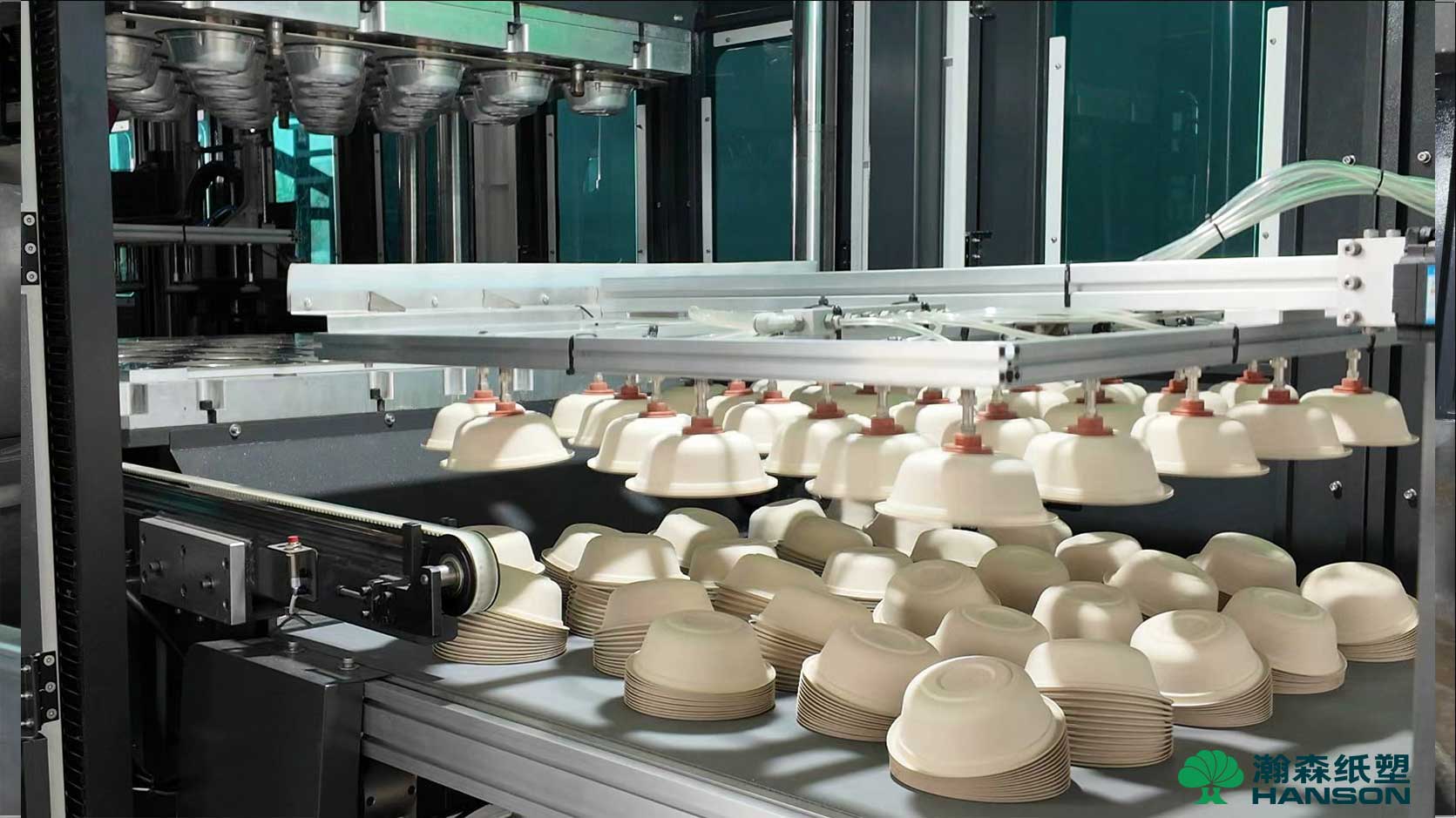
Molded fiber production is an energy-intensive process, primarily because large volumes of water must be removed through vacuum dewatering and thermal evaporation. When comparing equipment, do not merely look at the nameplate installed power; evaluate the actual energy consumption required to produce one ton of qualified products.
Efficient dewatering at the forming stage reduces the moisture content of the wet preform, which directly lowers the thermal energy required during hot pressing or drying. For instance, under appropriate production conditions, Hanson Pulp Molding’s ZFG-1111 tableware machine features optimized forming and heating controls designed to achieve electricity consumption of less than 1,800 kWh per ton. Energy efficiency must be compared using the same product specifications and system boundaries.
3. Tooling and Process Synergy
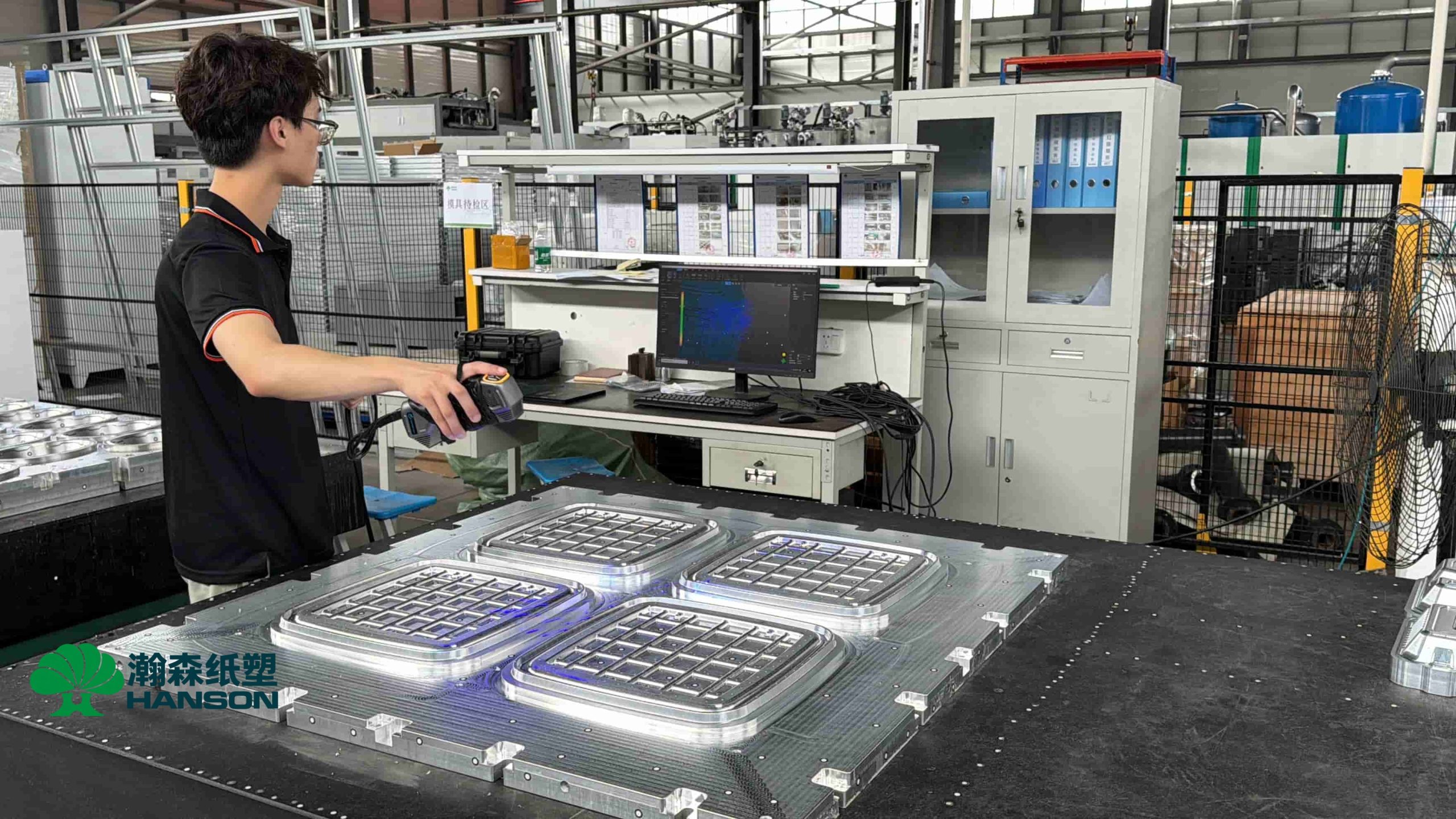
The forming mold and press tool do more than just shape the product; they are critical to water drainage, wet preform transfer, dimensional accuracy, and surface smoothness. Many issues attributed to “poor machine performance”—such as warping, uneven thickness, or surface defects—stem from mismatched mold designs and forming parameters.
Two identical machines can yield drastically different production volumes and quality levels if their tooling designs differ in mesh configuration, draft angles, or steam venting. A reliable equipment manufacturer must possess robust mold design capabilities to ensure the tooling works seamlessly with the machine’s operational rhythm.
4. Post-Processing Automation Bottlenecks
If a forming machine operates at high speeds but the subsequent trimming, inspection, and packaging steps rely on manual labor, the entire line’s output will be bottlenecked by human speed.
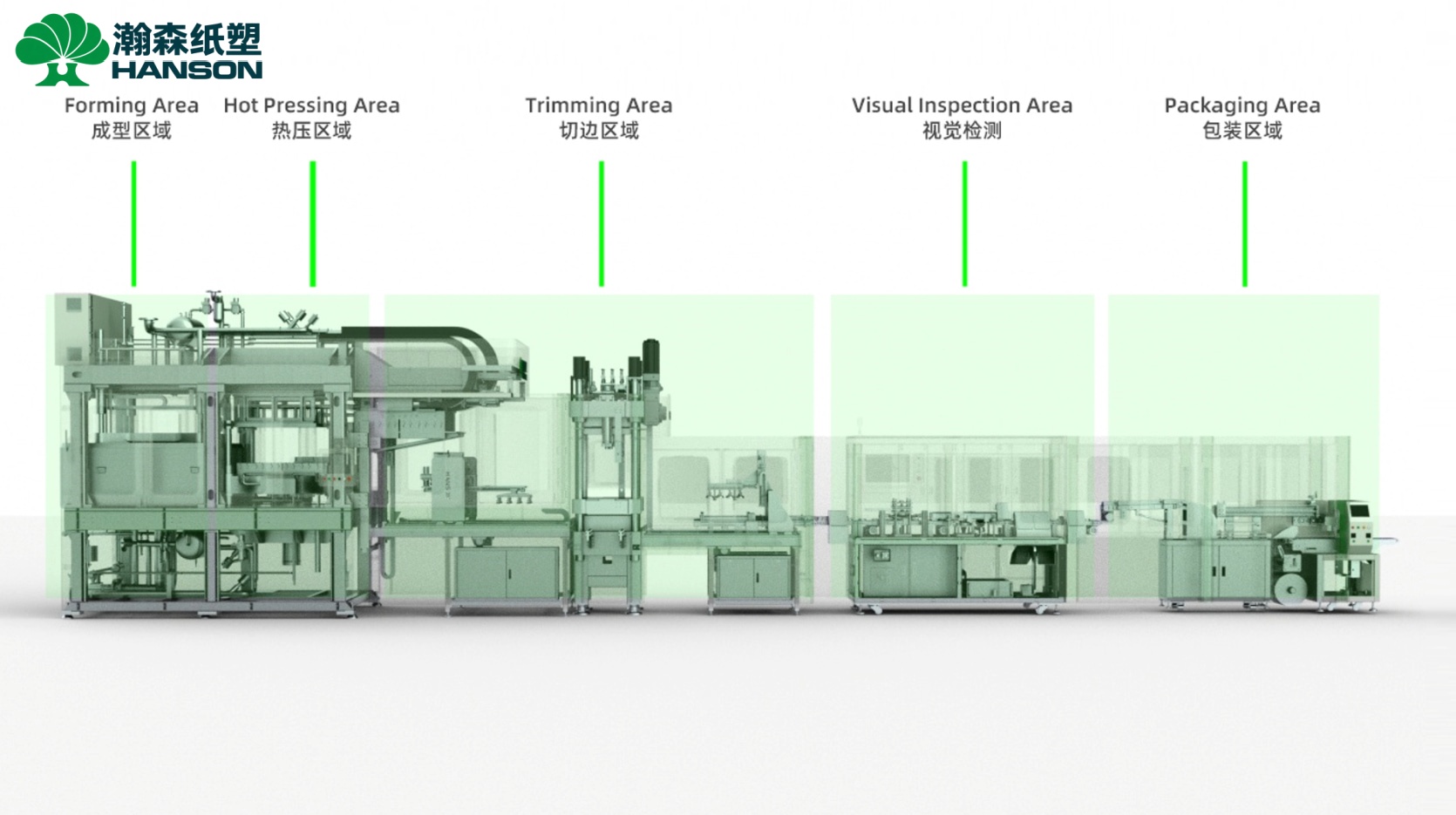
For high-volume products like molded fiber cup lids, automation is non-negotiable. The Hanson Pulp Molding ZAKS-9595 line integrates forming, hot pressing, servo-driven punch cutting, vision inspection, and packaging, capable of producing approximately 100,000–120,000 cup lids per 24 hours under appropriate conditions. Similarly, automatic rotary spray coating lines (like the HXT-24) or lamination machines are vital for tableware requiring moisture and oil barriers. Proper post-processing automation is essential for reducing labor dependency and maintaining production consistency.
5. Pulp Preparation System Consistency
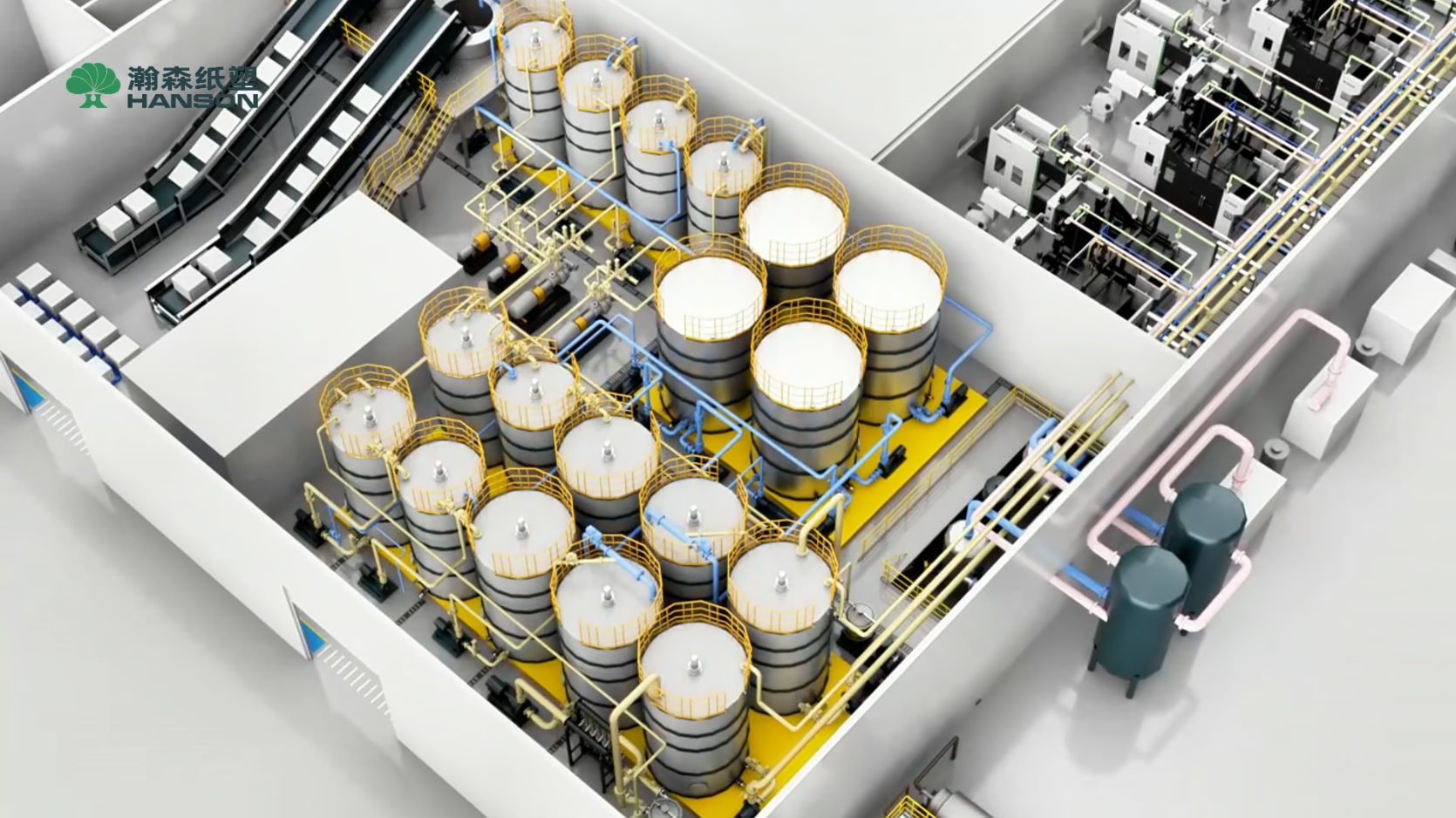
The pulping system is responsible for delivering a consistent, well-dispersed pulp slurry to the forming equipment. Minor fluctuations in pulp consistency or fiber blending can lead to uneven product weights and significant scrap rates.
When sourcing a pulp molding machine, the pulp preparation system must be planned synchronously. An intelligent pulping system ensures stable material feeding, optimizes water recycling, and ultimately dictates the stability of the forming process.
6. Yield Rate and Machine Uptime
The long-term return on investment (ROI) of a pulp molding plant is driven by its consistent yield rate and uptime, not just its peak speed. Unplanned downtime, frequent mold cleaning, extended mold changeovers, and high reject rates will quickly erode profit margins.
For example, incorporating a cold pressing or pre-dewatering station in dry-press production lines can reduce wet preform moisture before it enters the tunnel dryer, which helps minimize mold scaling, prolongs maintenance intervals, and boosts overall plant uptime. Buyers must evaluate equipment based on its track record for stable commercial production rather than short-term demonstrations.
7. Production Ramp-Up and Engineering Support
The delivery of the machine marks only the beginning of a pulp molding project. Bridging the gap from machine installation to stable mass production requires extensive process tuning, operator training, and yield optimization.
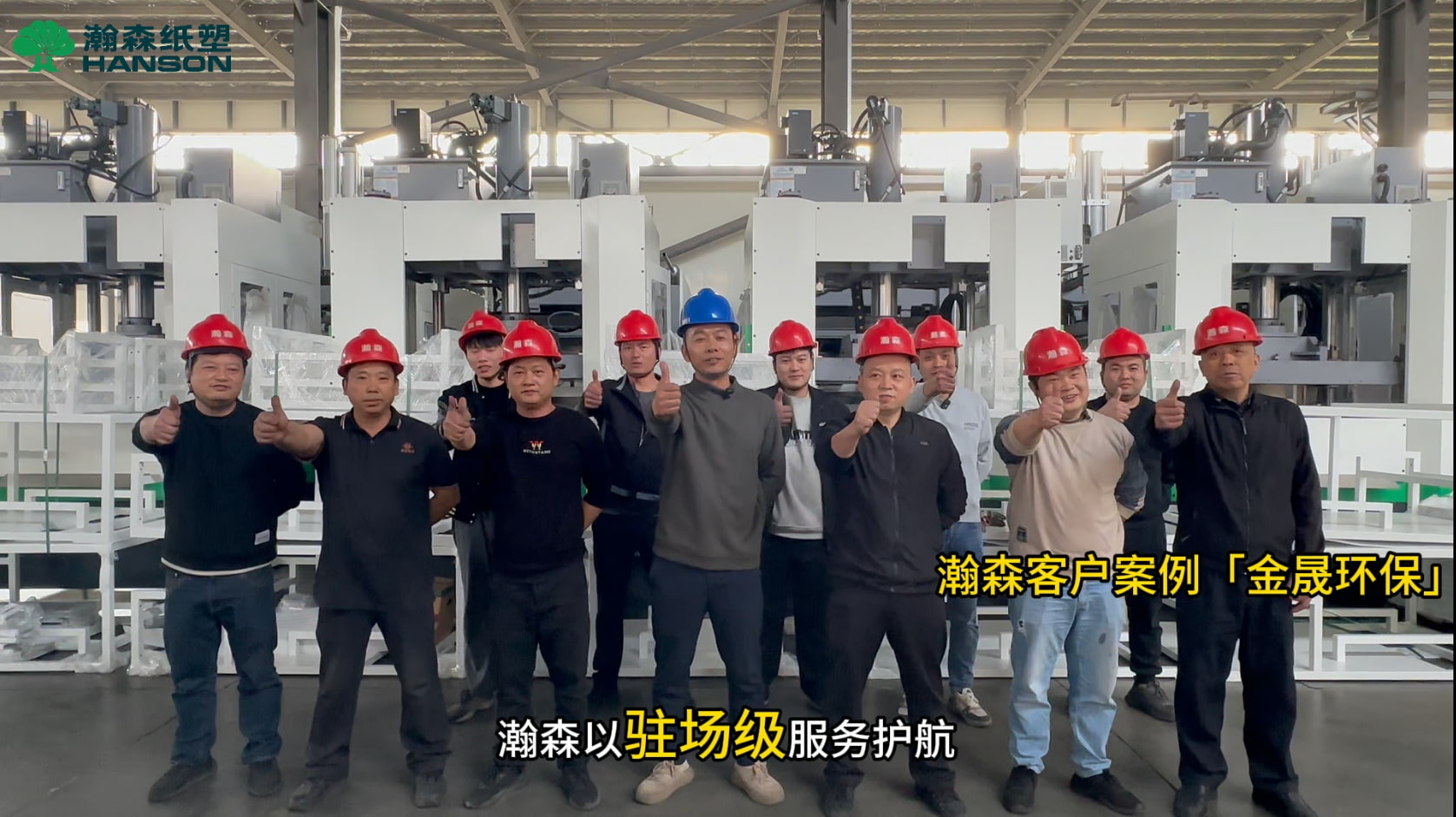
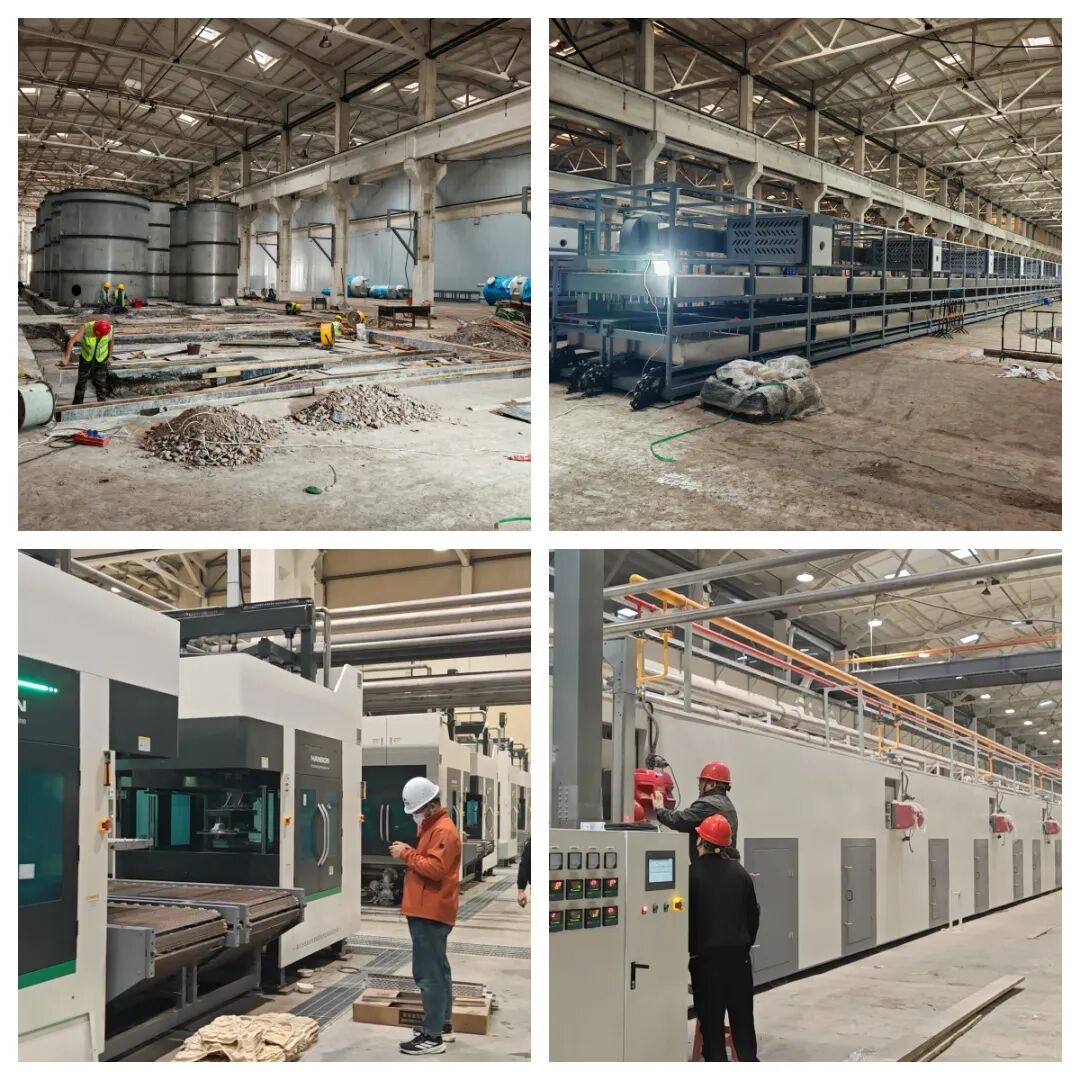
This is especially critical for companies transitioning from plastic packaging to molded fiber. As a specialist in turnkey pulp molding solutions, Hanson Pulp Molding provides comprehensive support ranging from product development, plant planning, and tooling, to on-site production ramp-up support, ensuring the factory reaches its target capacity smoothly.
Conclusion
Procuring a pulp molding machine involves much more than comparing initial price quotes. The true cost of production is determined by the synergy between the product design, molds, actual capacity, energy efficiency, and post-processing automation. By establishing strict evaluation criteria across these technical parameters and partnering with a capable turnkey solution provider, investors can secure long-term profitability and consistent product quality for their molded fiber projects.
FAQ
1. Why shouldn’t I calculate capacity using only the machine’s cycle time? Theoretical cycle time does not account for the product’s weight, mold cavities, actual dewatering needs, mold changeovers, and equipment uptime. Capacity should always be evaluated based on a specific product’s molding and hot pressing requirements.
2. How can I accurately compare the energy consumption of different machines? To make an accurate comparison, you must evaluate the electricity consumption per ton of qualified products using identical product specifications, moisture requirements, and system boundaries (including utilities and pulping). Comparing nameplate power alone is misleading.
3. What should I prepare before requesting a pulp molding machine quote? Instead of just asking for a machine price, provide the supplier with your target product dimensions, weight, 3D drawings (if available), daily capacity goals, and automation requirements. This allows the supplier to accurately evaluate the necessary tooling, process route, and equipment configuration.
If you are planning a new pulp molding plant or expanding your current production lines, Hanson Pulp Molding can evaluate your project from product development and plant planning to pulping, forming equipment, tooling, post-processing, and production ramp-up based on your specific requirements.
WhatsApp: +86 15920604830
Email: linchuangcheng@hspulpmolding.com