
The core of developing molded pulp inserts for consumer electronics lies in shockproof industrial packaging capability and precise, scratch-free assembly. Unlike standard egg cartons, electronic device packaging requires an exact fit with both the internal device and the external shipping carton. Before selecting a consumer electronics pulp molding mold, buyers must clarify drop test standards and outer box dimensions so that the tooling design can properly absorb impact energy.
1. Core Prerequisites for Consumer Electronics Pulp Insert Development
Before initiating pulp molding product development, purchasing and engineering teams must provide clear parameters to their tooling manufacturer. This foundational step ensures a higher success rate during the first mold trial.
-
Define Drop Test Standards: Electronics generally require specific drop testing (e.g., [Verification required] standard 1-meter or 1.2-meter tests on faces, edges, and corners). The mold must be designed to leave sufficient deformation space for cushioning, rather than simply trying to fix failed tests by blindly increasing the product grammage later.
-
Confirm Outer Box Internal Dimensions: The molded pulp liner acts as a bridge between the device and the box. Tooling engineers must allocate tolerances based on the exact internal length, width, and height of the carton to prevent the insert from jamming or rattling.
-
Surface Smoothness and Scratch Prevention: For consumer electronics with screens or high-gloss finishes, the insert surface must be exceptionally smooth. This requires evaluating the mold’s CNC finishing quality and determining if an additional non-woven bag is needed to prevent micro-scratches from the pulp fiber.
2. Tooling Design for Precise Positioning and Shock Absorption
Once molded pulp deforms under pressure, it rarely bounces back completely. Therefore, the physical geometry of the mold dictates the final protective performance.
-
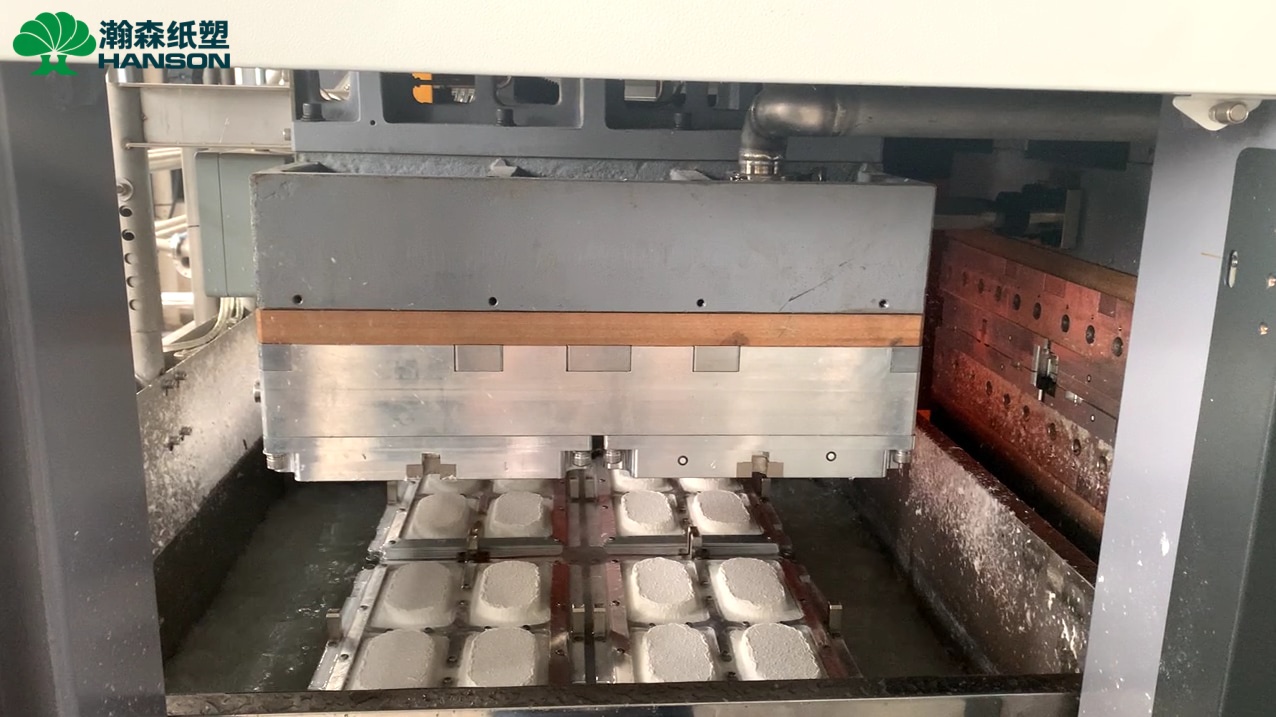
Precise Control of Mold Clearance (Mold Gap): When forming molds and hot-pressing molds mate, the mold clearance dictates the final wall thickness and density of the pulp product. Too much clearance results in a loose, weak cushion; too little leads to over-compression or localized tearing.
-
Reinforcing Ribs and Crush Zones: Superior tooling design incorporates ribs or corrugated structures near the corners or center of gravity of the electronic device. During an impact, these structures intentionally crush to absorb shock, safeguarding the internal device.
-
Appropriate Draft Angles: To ensure the molded pulp insert ejects smoothly from the mold, and that the electronic device can be easily inserted or removed by the end-user, an adequate draft angle (typically [Verification required] 3° to 5°) is vital. Insufficient draft angles cause dragging during demolding, generating unwanted paper dust that contaminates the electronics.
3. Prototyping and Mold Trial Checklist
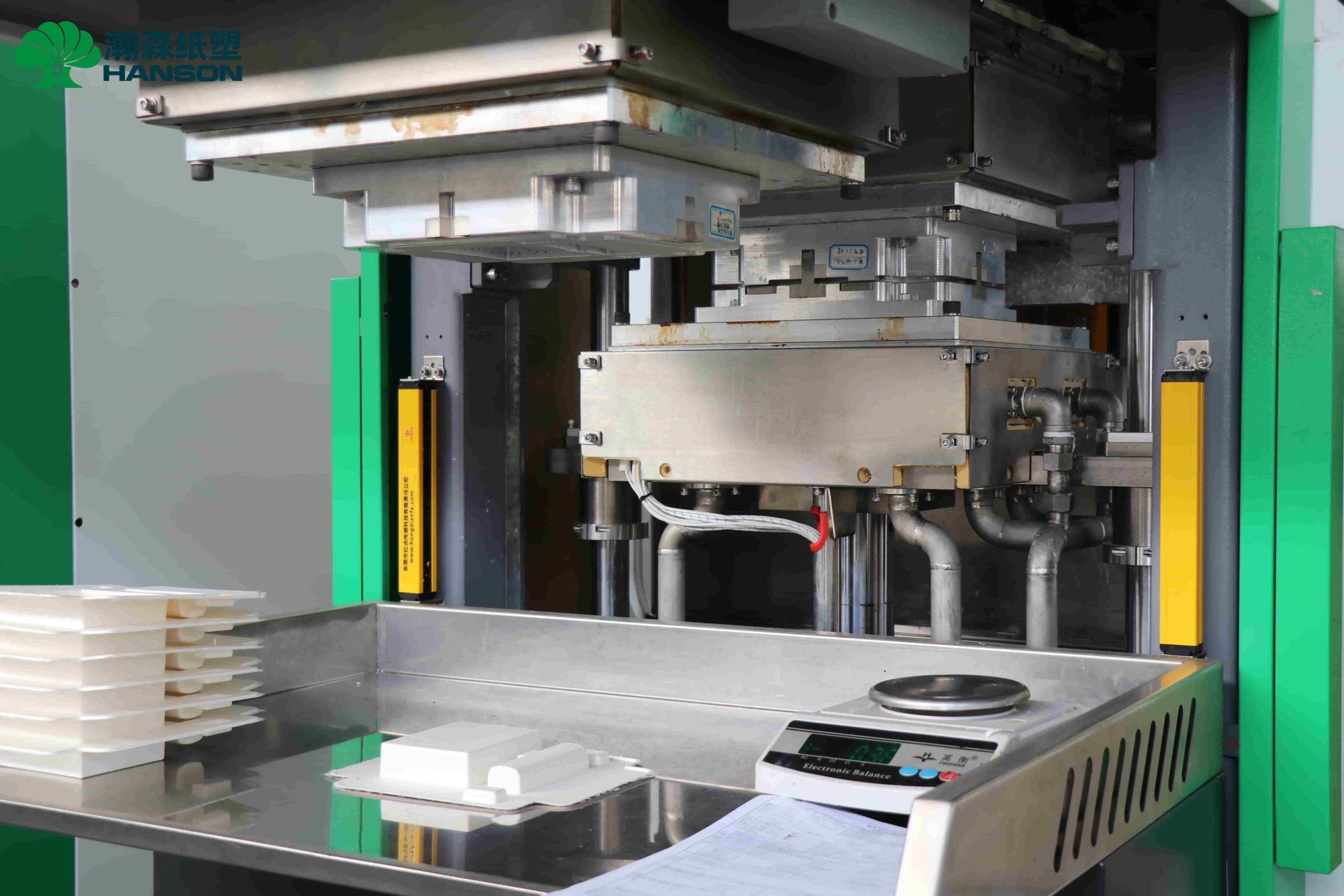
During the prototyping and mold trial phase, cross-verify the mold’s performance with the actual molded samples. Use this practical checklist:
-
Assembly Fit Test: Insert the actual bare electronic device (or a weight-accurate 3D printed dummy) into the sample to check for overly tight or loose fitting.
-
Surface and Aesthetic Check: Inspect the insert for unclear embossed details, rough mesh marks, or missing material on edges.
-
Grammage and Thickness Consistency: Sample products from different mold cavities to ensure weight consistency, which verifies the even distribution of drainage holes and forming mesh on the mold.
4. Troubleshooting Trial Issues: Separating Tooling from Process
During test runs, avoid blaming all deformation or dusting issues strictly on the mold. Follow a “process first, tooling second” troubleshooting priority:
-
High Shrinkage or Deformation: First, verify the pulp slurry ratio (virgin wood pulp vs. recycled paper yield different shrinkage rates) and the drying temperature. If process parameters are correct and warping persists, the mold design may lack necessary drawing ribs.
-
Excessive Edge Flashing (Burrs): Check the closing height on the pulp molding equipment and ensure clamping force is adequate. If the machinery is functioning perfectly, Hanson’s engineers can then inspect the cutting mold edges or parting lines.
5. Hanson Pulp Molding: Engineering Synergy from Design to Mass Production
Hanson Pulp Molding operates a dedicated, independent tooling division. We understand the pulp, the equipment, and the molds, with 500 pulp molding molds manufactured to date. For consumer electronics molded pulp inserts, we offer a complete closed-loop service—from product development and full-set mold manufacturing to mass production support.
Across the 12 key tooling manufacturing nodes, Hanson strictly controls precision. Utilizing high-speed CNC machining (up to 24,000 RPM) paired with 3D scanning inspection, we guarantee precise dimensional accuracy for your electronics packaging molds, drastically reducing rework and accelerating your project launch.
-
FAQ
-
What is the typical lead time for consumer electronics molded pulp insert prototyping? From receiving 3D product data and finalizing tooling design to the first mold trial, the typical lead time is around 7 to 15 working days, depending on structural complexity and CNC scheduling.
-
What if the molded pulp insert is too hard and lacks cushioning during the trial? First, check if the slurry composition contains too much short fiber. Second, verify if the Mold Clearance is too tight, causing over-densification during hot pressing. Adjusting the process or modifying the mold cavity space can restore shock absorption.
-
The insert fits too tightly into the shipping box. Is the mold dimension wrong? Not necessarily. You must check if the pulp drying shrinkage rate exceeded expectations or if the corrugated box supplier delivered boxes with negative tolerances. It is always recommended to design a safe assembly gap.
-
-
Ready to develop custom molded pulp inserts for your consumer electronics? Contact Hanson Pulp Molding for tooling evaluation and full-set mold services, or reach out for [+86 15920604830] overseas inquiry and sample reviews.