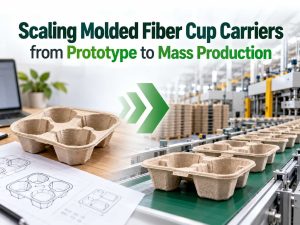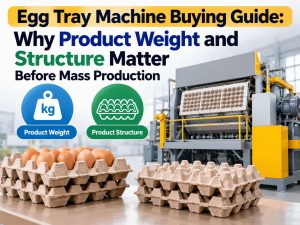
When investing in the molded fiber packaging market, many buyers immediately look for equipment prices based on the product they want to make. However, purchasing a cup carrier machine is not as simple as buying a standard off-the-shelf appliance.
For protective packaging items like 2-cup or 4-cup carriers, jumping straight into ordering a full production line without first conducting proper product definition and prototyping is a high-risk move. It can lead to unmatched tooling, poor dewatering efficiency, low actual output, and severe product deformation.
The Role of Product Definition in Molded Fiber Cup Carriers
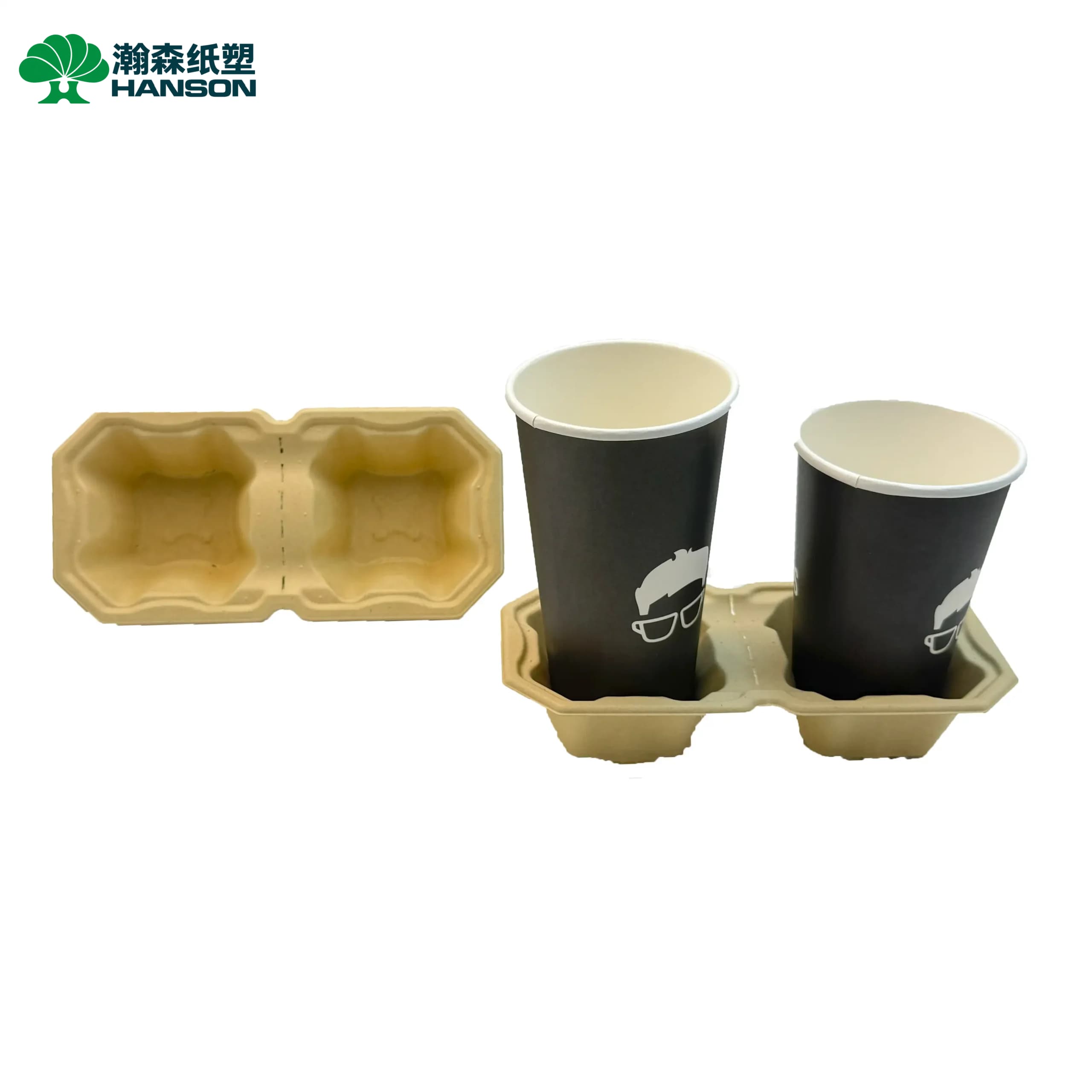
“Cup carrier” is a broad category. Before discussing machine specifications, you must define the exact product you intend to manufacture. This determines your tooling layout, drying requirements, and overall process route.
During the product definition phase, you should clarify:
-
Product Structure: Are you producing a 2-cup carrier, a 4-cup carrier, or a custom deep-cavity protective insert? What are the specific cup diameters and cavity depths?
-
Material Choice: Will you use recycled corrugated cardboard, waste paper, or virgin wood/bamboo pulp? Different fibers have distinct drainage properties and shrinkage rates.
-
Performance Requirements: The primary function of a cup carrier is carrying, fixing, and buffering. It requires specific structural strength and reliable stacking capabilities for cost-effective logistics.
Given these requirements, cup carriers are typically best suited for dry-press or semi-dry-press pulp molding processes, which excel at producing robust, cost-effective protective packaging.
Why Prototyping is a Must Before Mass Production
The transition from a 3D structural drawing to stable commercial production involves numerous process variables. The primary value of prototyping is validating the manufacturing feasibility at a low cost.
First, prototyping tests the tooling draft angles and drainage design. Cup carriers have deep cavities; if the draft angle is incorrect, the wet preform will tear during mold-to-mold transfer. Second, it allows you to test the actual pulp formulation and structural strength, ensuring the carrier won’t bend or break when loaded with heavy beverages. Finally, prototyping verifies the stacking consistency, which is crucial for automated post-processing and reducing storage space.
Validate the product, refine the tooling, optimize the process, and then decide on the mass production equipment.
How to Configure the Right Dry-Press Production Line
Once prototyping is successful, evaluating a cup carrier machine involves analyzing how well the entire production line synergizes across forming, dewatering, drying, and post-processing.
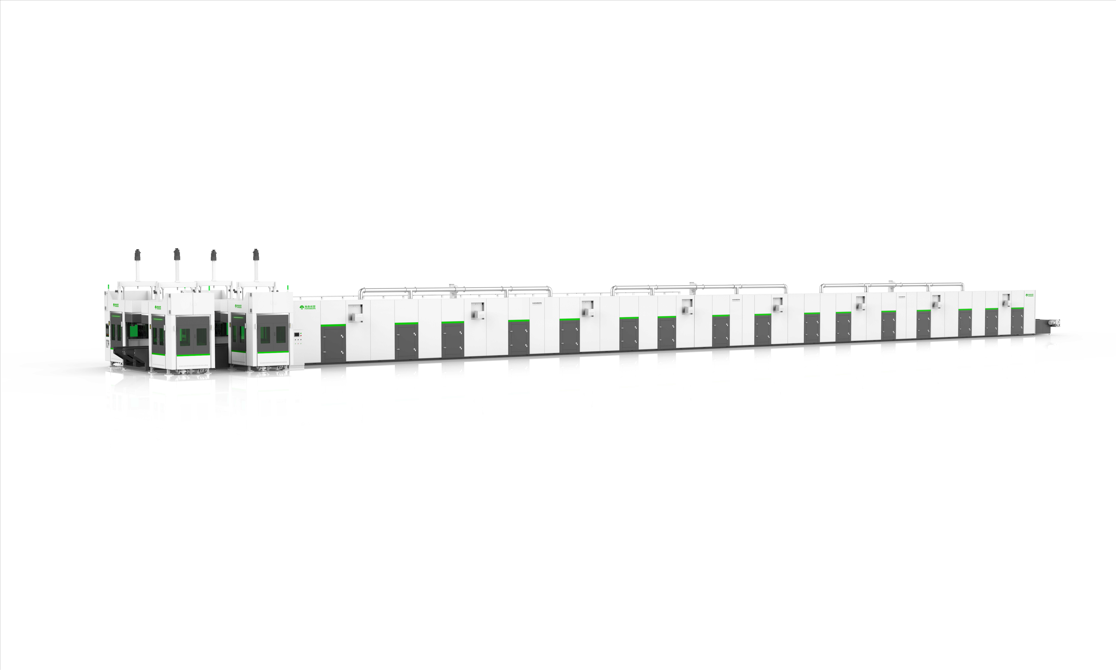
As a turnkey specialist in pulp molding, Hanson Pulp Molding evaluates the final product parameters to configure the appropriate Automatic Dry-Press Pulp Molding Production Line. A well-planned system focuses not only on forming speed but on overall line stability and energy efficiency:
-
Cold Pressing / Pre-Dewatering: Deep-cavity products like cup carriers retain significant moisture after forming. The Hanson dry-press line incorporates a cold pressing station right after suction forming. This step effectively lowers the moisture content before the wet preform enters the tunnel dryer. It significantly reduces drying deformation, lowers energy consumption, and extends tooling maintenance cycles.
-
Drying and Hot Pressing: The pre-dewatered products are transferred by servo-driven truss manipulators into a double-layer double-row drying system, followed by a final hot-pressing station to ensure dimensional stability.
-
Actual Production Capacity: You cannot calculate actual output simply by looking at theoretical cycle times. For example, using Hanson’s automatic dry-press line, producing a 40g 4-cup carrier yields an actual capacity of approximately 18 tons per 23 hours. This figure accounts for product weight, cavity layout, drying efficiency, and equipment uptime.
-
Automatic Stacking: High-volume protective packaging is highly sensitive to labor costs. Seamless automatic transfer, hot pressing, and final automatic stacking are essential to prevent post-processing from becoming a factory bottleneck.
FAQ
What kind of pulp molding machine is used for cup carriers? Cup carriers are primarily protective and carrying packaging, making them ideal for a dry-press or semi-dry-press production route. Hanson’s automatic dry-press line is specifically configured for products like cup carriers and egg cartons. Note: A cup carrier is functionally different from a cup lid, and should not be matched with high-speed cup lid machines like the ZAKS-9595.
Why does a dry-press line need a cold pressing station? Applying cold pressing (pre-dewatering) before the drying stage reduces the moisture content of the wet preform. For deep-cavity products, this minimizes shrinkage and deformation during drying, lowers energy consumption in the tunnel oven, and increases the overall production uptime.
How many cup carriers can a machine produce per day? Actual output depends on the product specifications. For instance, on Hanson’s automatic dry-press pulp molding production line, producing a 40g 4-cup carrier can yield an output of about 18 tons per 23 hours. The precise daily capacity will vary depending on product weight, cavity count, drying efficiency, and facility conditions.
Conclusion
Purchasing a cup carrier machine is not the starting point of a pulp molding project; it is the result of thorough preparation. Following the methodology of “Product Definition → Prototyping → Tooling Validation → Full-Line Configuration” ensures you avoid blind investments. By properly addressing tooling, cold pressing, drying, and automation, your factory will be capable of stable, energy-efficient commercial production.
If you already have a product sample, 3D drawing, or target daily capacity for your cup carrier project, these details can be used to evaluate the molding process, mold configuration, and equipment setup. Hanson Pulp Molding can evaluate your project from product prototyping to pulping, automatic dry-press forming, drying, and post-processing stacking.
WhatsApp: +86 15920604830
Email: linchuangcheng@hspulpmolding.com