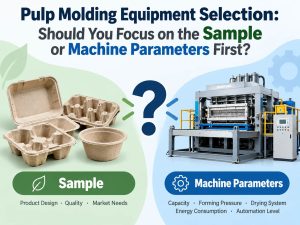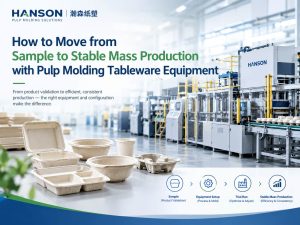
When investors plan to set up a turnkey pulp molding plant, a common misconception is that a single machine can manufacture everything simply by changing the molds. In reality, the engineering requirements for plates, smartphone inserts, egg cartons, and coffee cup lids are entirely different.
Choosing the right equipment means working backward from the final product’s specifications: dimensions, weight, precision, surface quality, and target daily output. In this article, we will break down the fundamental differences between tableware, premium industrial packaging, egg tray/cup carrier systems, and the specialized molded fiber cup lid machine.
1. Pulp Molding Tableware Machine: Maximizing Capacity and Energy Efficiency
Molded fiber foodservice packaging—such as plates, compartment trays, bowls, and clamshell containers—is produced in massive volumes. For these projects, the primary concerns are the daily production capacity, electrical energy consumption per ton of product, and stable mass production.
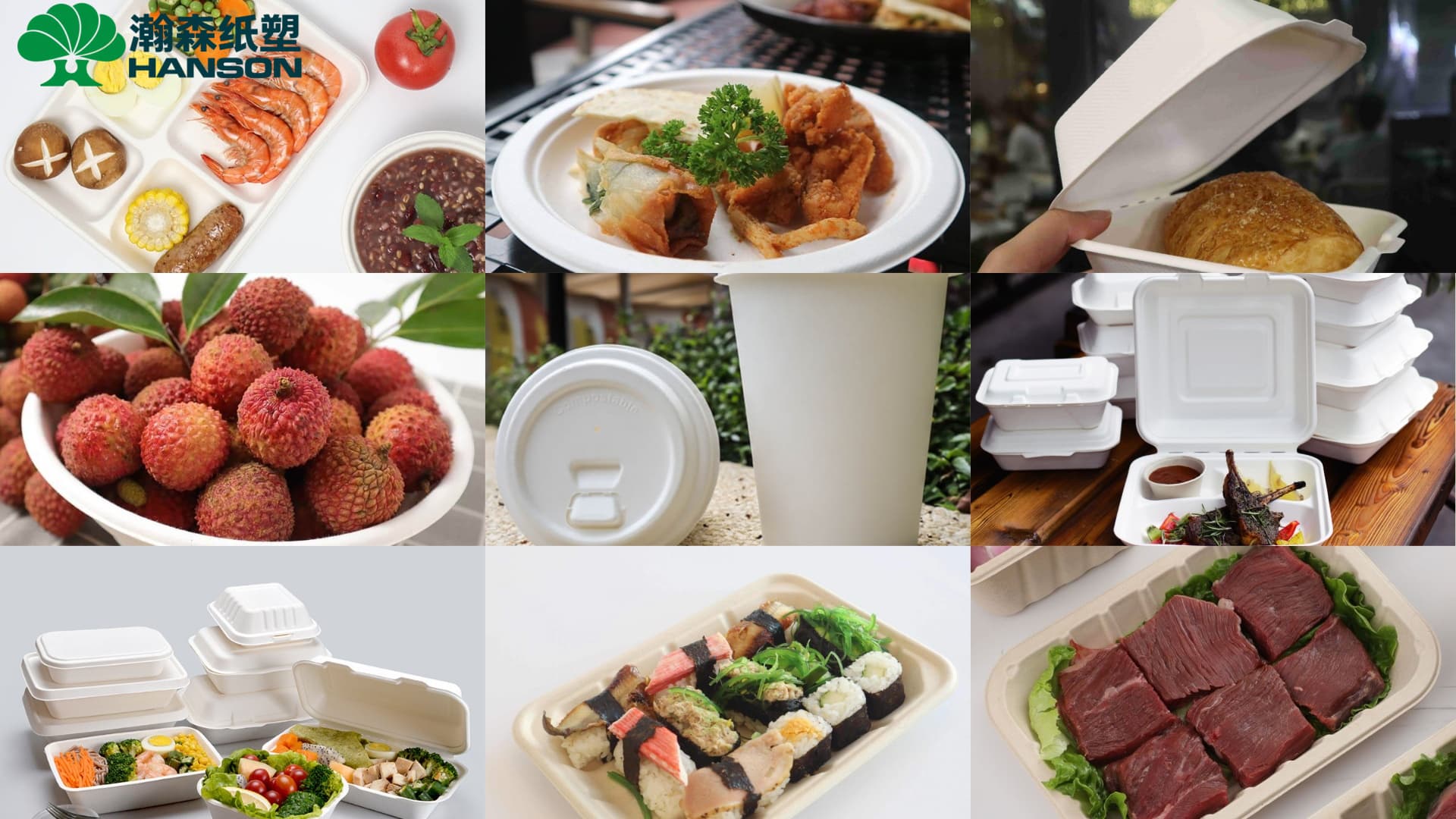
These products are manufactured using a wet press process (often categorized under thermoformed fiber), where the wet preform is pressed and dried directly inside heated molds. To optimize output, modern pulp molding tableware machines often integrate forming, hot pressing, trimming, and stacking within the machine. For example, under appropriate production conditions, the Hanson Pulp Molding ZFG-1111 machine is designed to reach a daily output of over 1.8 tons. In tableware production, matching the pulping system’s output with the forming equipment is critical to avoiding bottlenecks.
2. Premium Industrial Molded Fiber Packaging Equipment: Focusing on Precision and Surface Quality
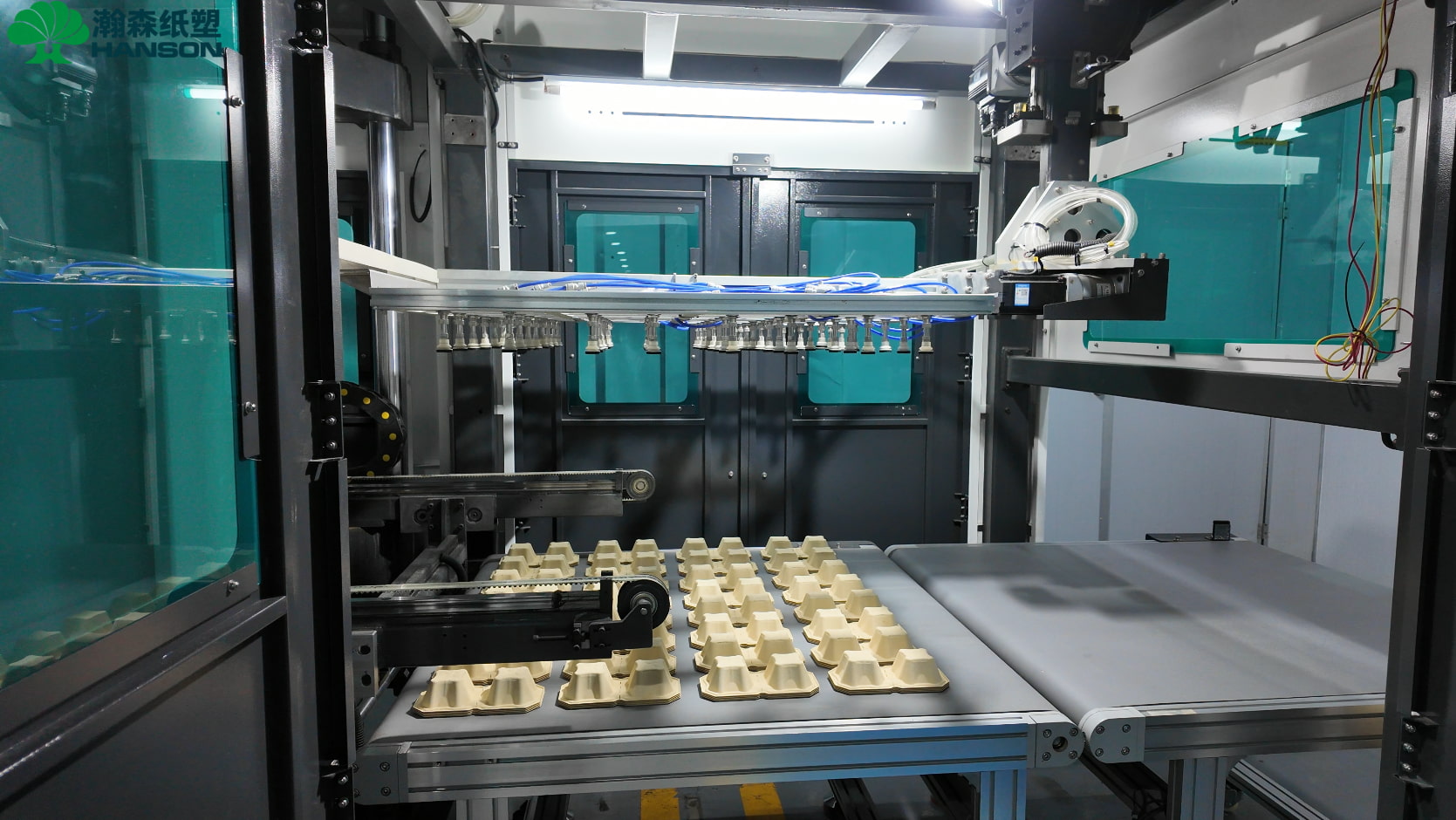
Premium industrial packaging inserts are predominantly used for consumer electronics, smartphones, wearables, and high-end cosmetics. Unlike tableware, where raw speed is prioritized, industrial inserts demand exceptional dimensional accuracy, flawless surface smoothness, and precise draft angles to ensure the product perfectly fits the final retail box.

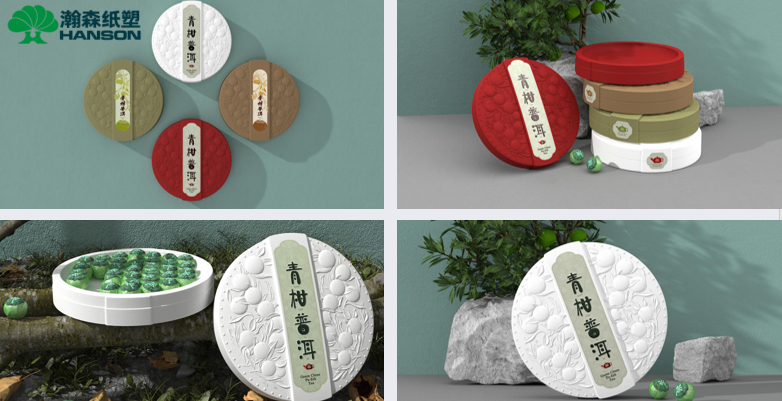
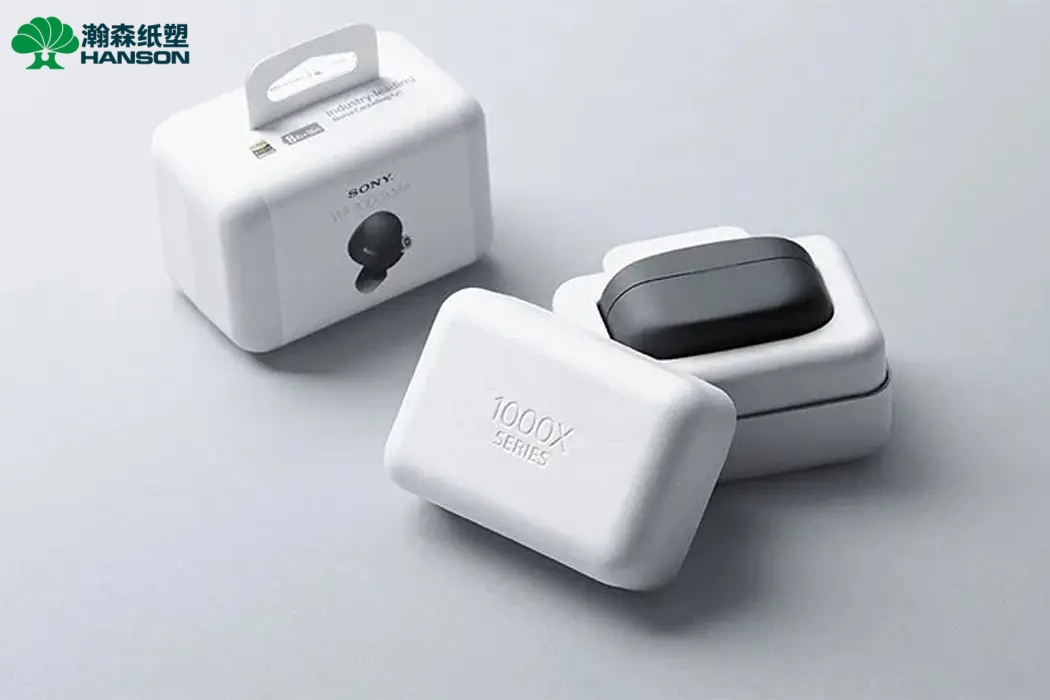
While also utilizing the wet press process, the equipment engineered for this sector (such as the Hanson Pulp Molding ZAP-9585) emphasizes dynamic pulp replenishment and strict pressure control during hot pressing. The tooling (molds) designed for these machines is highly intricate, as inconsistent dewatering or pressure can cause the molded fiber insert to warp. Here, process control and production consistency easily outweigh theoretical cycle times.
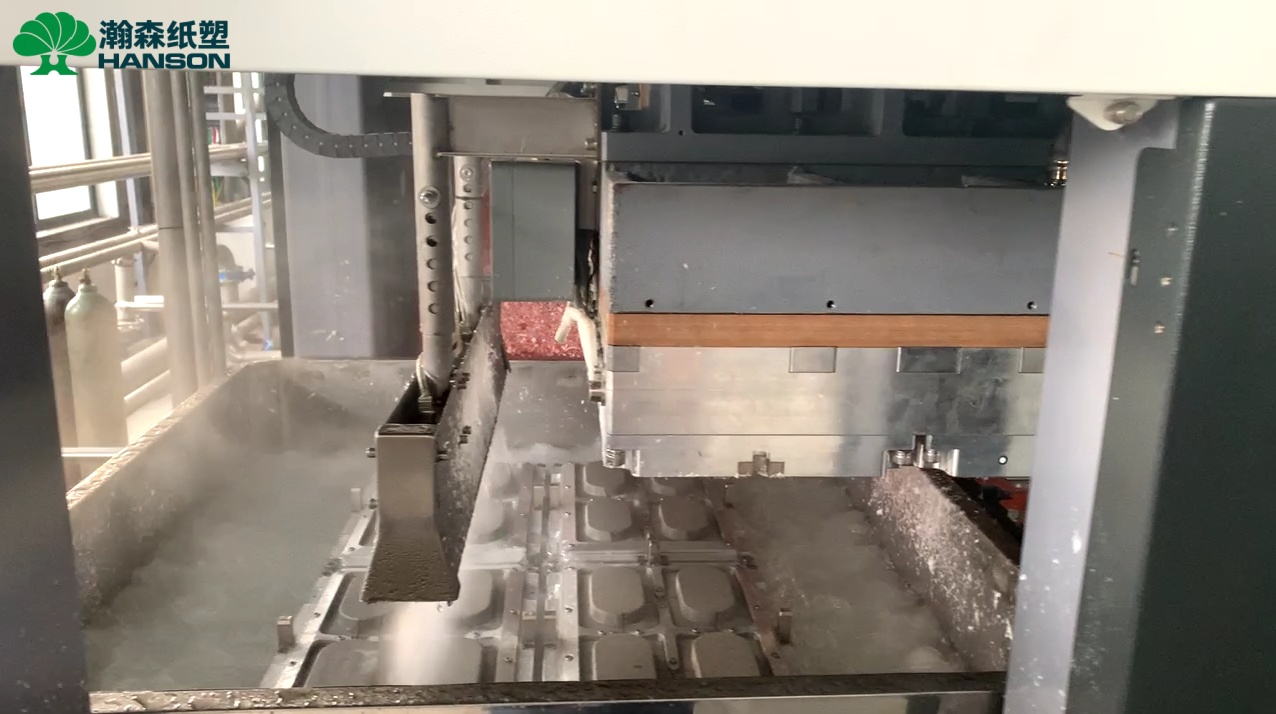
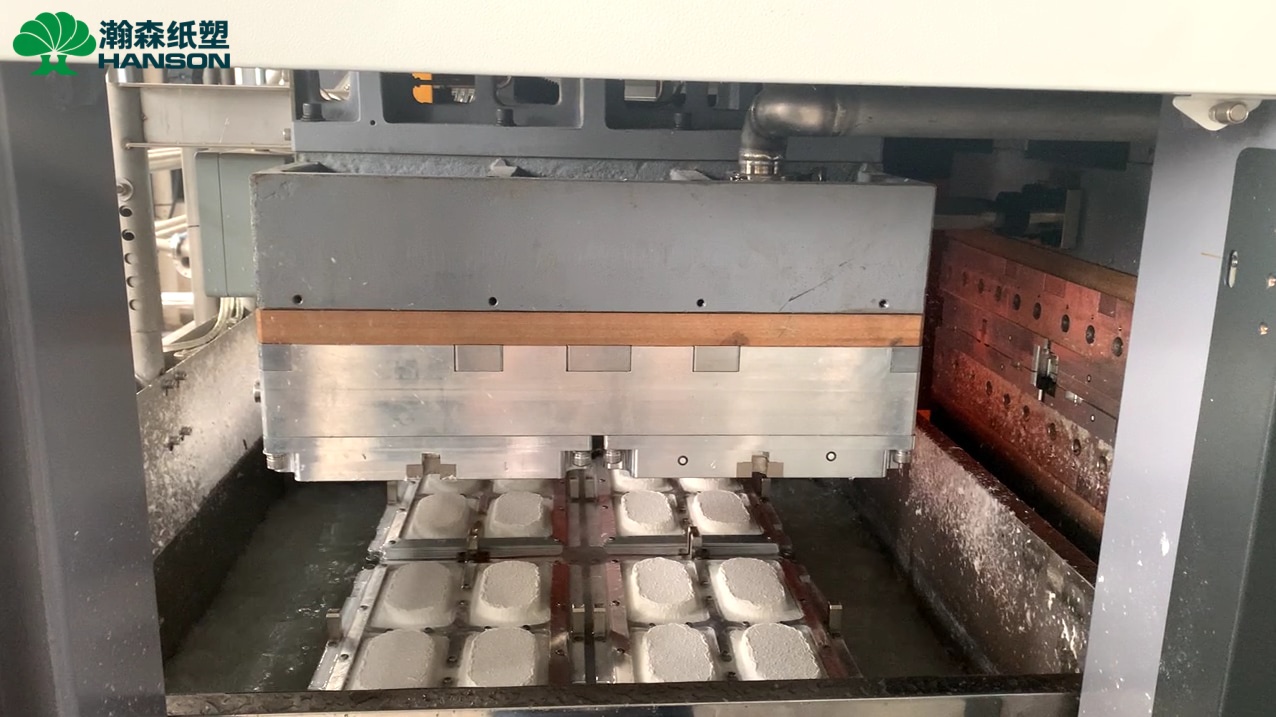
3. Automatic Dry-Press Pulp Molding Production Line: Egg Trays and Cup Carriers
Egg trays, egg cartons, and cup carriers (drink carriers used to hold multiple cups securely) follow a completely different manufacturing logic. These products prioritize cushioning, protection, and cost-effective bulk production over extremely smooth surfaces.
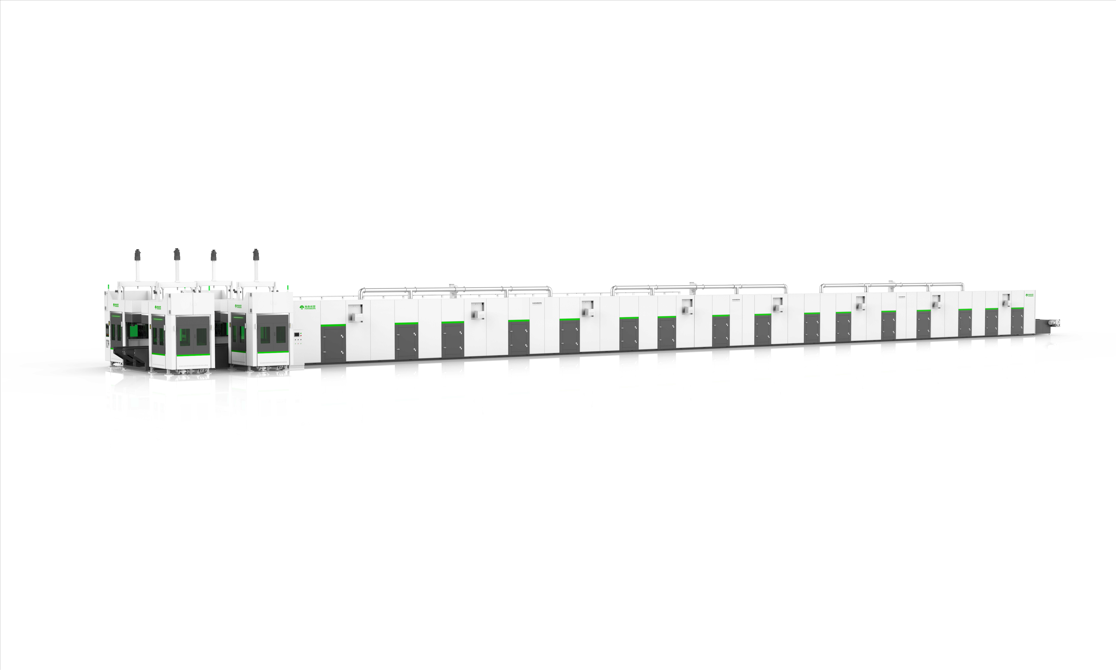
These items are manufactured using an automatic dry-press pulp molding production line. After forming, the wet preforms undergo cold pressing (pre-dewatering) before moving through a large tunnel dryer to remove moisture efficiently. It is crucial for buyers to understand that a Cup Carrier is not the same as a Cup Lid. A cup carrier is a thick-wall or transfer-molded product designed for load-bearing, whereas a cup lid requires high-precision wet pressing.
4. Molded Fiber Cup Lid Machine: High-Speed Automation and Quality Inspection
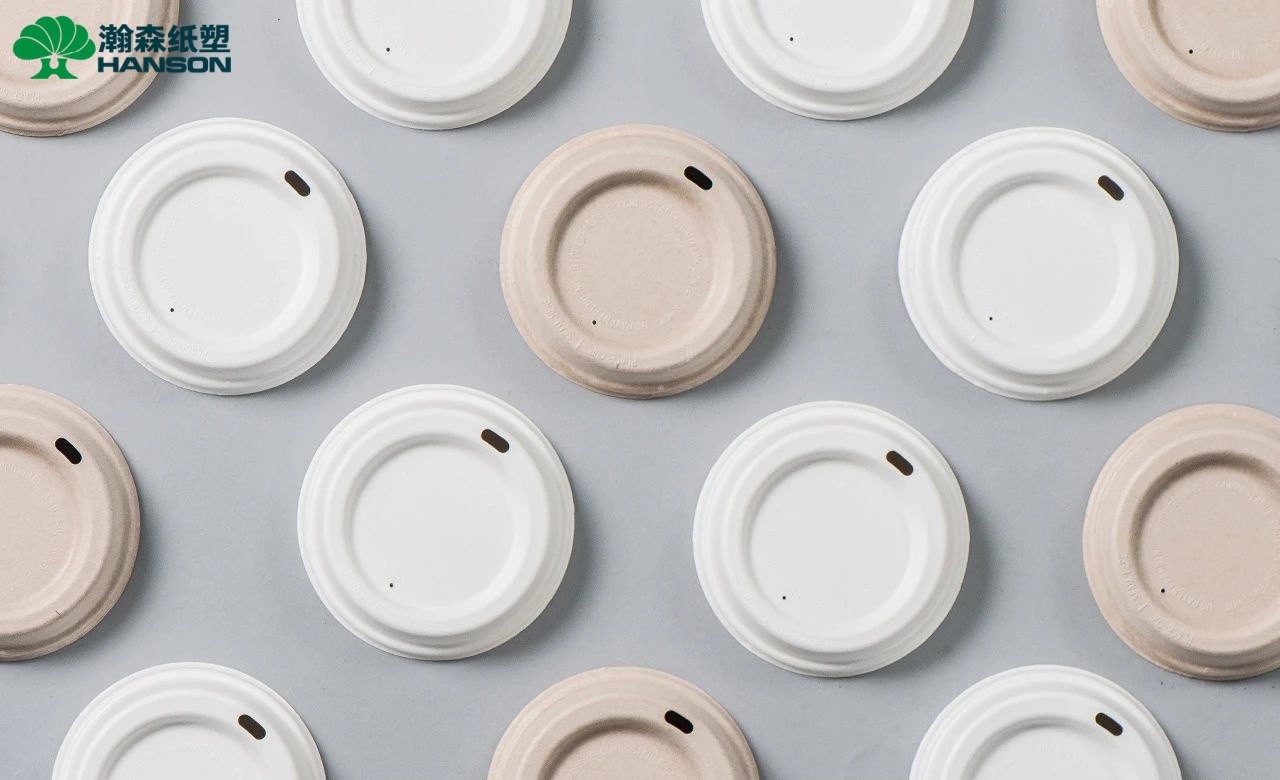
A molded fiber cup lid is a lightweight, small-sized product that carries extremely high functional demands. The lid must feature a precise snap-fit structure and a perfectly sealed edge to prevent liquid leakage.
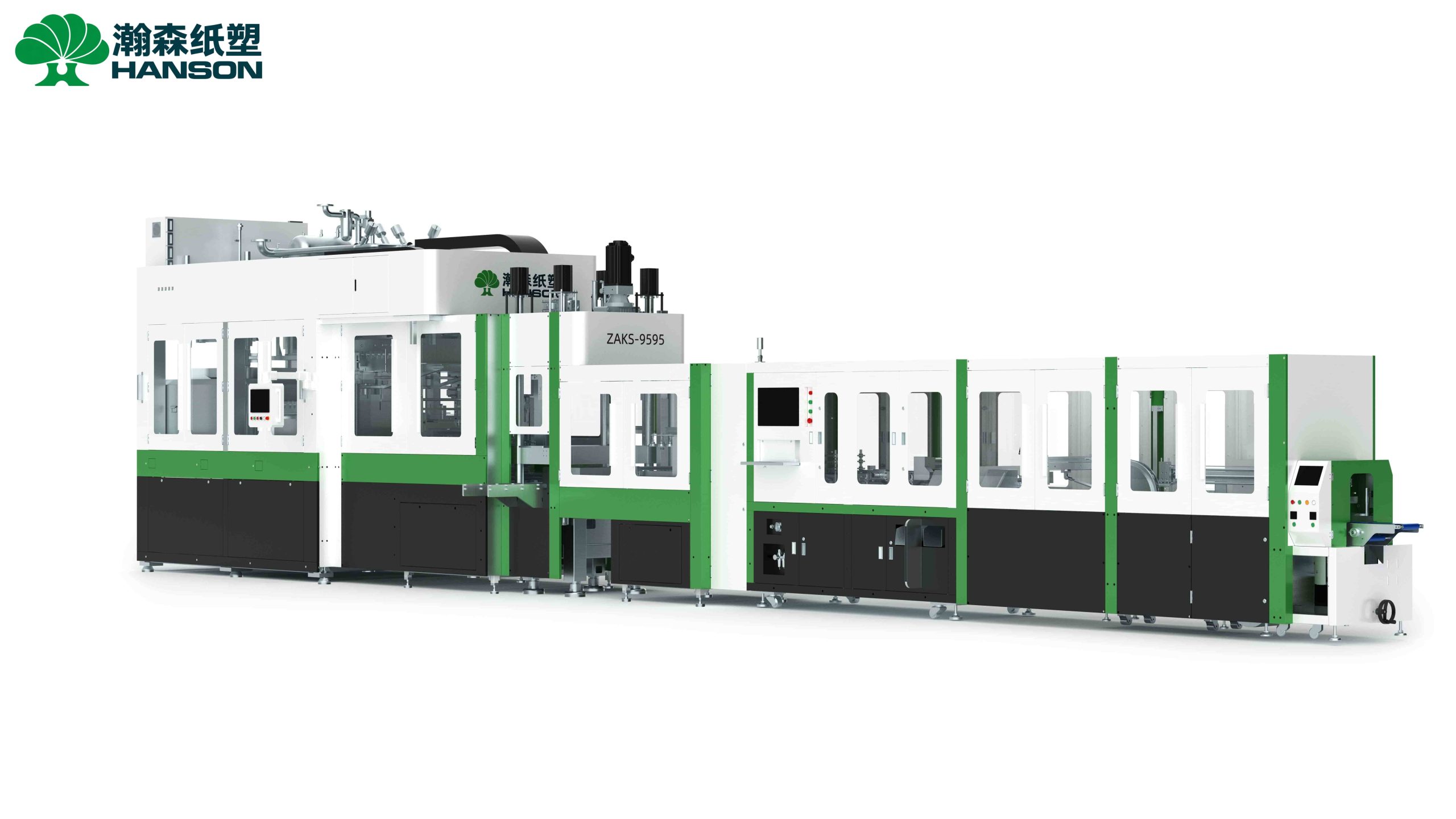
Due to the sheer volume of production and the necessity for zero defects, a standalone forming machine is insufficient. A complete molded fiber cup lid machine must be a fully integrated, highly automated production line. Hanson Pulp Molding provides the ZAKS-9595, which seamlessly integrates forming, hot pressing, servo-driven punch cutting, machine vision inspection, and automatic packaging. Under appropriate production conditions, the ZAKS-9595 can output up to approximately 100,000–120,000 cup lids per 24 hours. The integrated vision inspection system is particularly vital, as it automatically identifies visual defects and verifies dimensional accuracy, a task impossible to maintain efficiently with manual labor.
Conclusion
Understanding your end product is the first and most critical step in evaluating equipment. Tableware machines prioritize tonnage and energy savings; industrial packaging machines focus on surface quality and dimensional stability; dry-press lines are built for bulk cushioning; and the molded fiber cup lid machine requires precise edge trimming, vision inspection, and continuous automation. As a specialist in turnkey pulp molding solutions, Hanson Pulp Molding advises configuring the pulping, tooling, forming, and post-processing automation based directly on the geometry and volume of your specific product.
FAQ
Q: Can I use the same machine to produce both cup carriers and cup lids? A: No. A cup carrier (used to hold drinks) requires bulk load-bearing properties and is produced on an automatic dry-press line. A cup lid requires extremely precise dimensions for a snap-fit seal and is manufactured using a dedicated wet-press molded fiber cup lid machine (like the ZAKS-9595) equipped with vision inspection and servo trimming.
Q: Why is machine vision inspection necessary for cup lids? A: Cup lids are produced in massive quantities at high speeds. Even minor defects on the rim can lead to leaks. Manual inspection is too slow and unreliable for these volumes, making an automated vision inspection system crucial for consistent quality control.
Q: Does a shorter cycle time always mean higher actual production capacity? A: Not necessarily. Theoretical cycle time is only one factor. The actual daily production capacity depends on the product weight, mold cavity layout, hot pressing time, equipment uptime, and whether the post-processing (trimming and packaging) can keep up with the forming speed.
If you already have a product sample, 3D drawing, or a target daily capacity for your beverage packaging project, Hanson Pulp Molding can evaluate the optimal tooling, process, and equipment configuration to bring your idea to mass production.
WhatsApp: +86 15920604830
Email: linchuangcheng@hspulpmolding.com