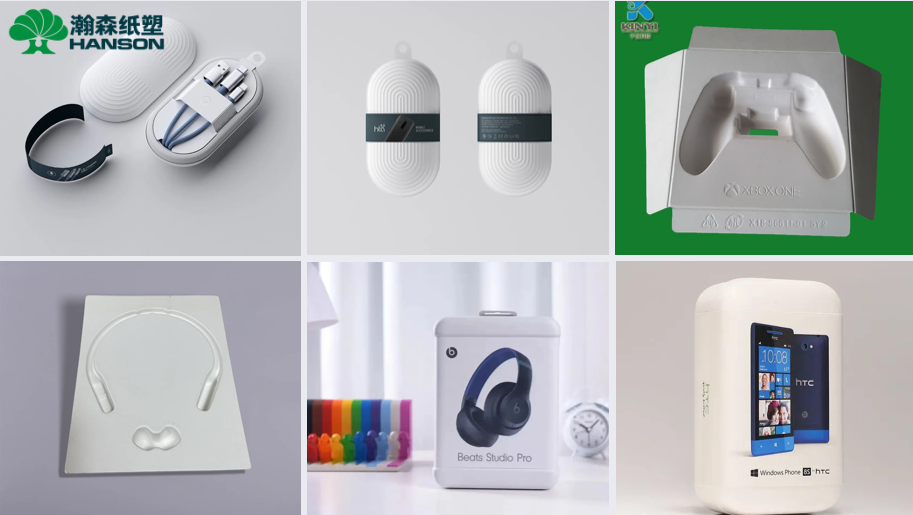
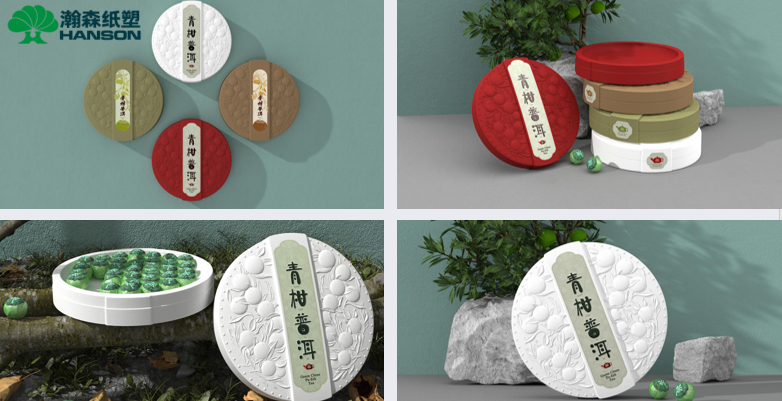
Premium industrial molded fiber packaging, such as smartphone inserts, headphone packaging, and high-end retail packaging, demands a significantly higher standard of quality than traditional protective egg trays. For these high-end applications, achieving a flawless surface finish and strict dimensional accuracy is critical.
When investors and packaging manufacturers evaluate an industrial molded fiber packaging machine, they often face a difficult choice: how to balance production capacity, dimensional accuracy, and the level of automation. Over-prioritizing one aspect can easily compromise the final product quality. This article explores the key factors to consider when configuring your premium molded fiber production line.
The Wet Press Process: Prioritizing Surface Quality and Dimensional Accuracy
To achieve the smooth, refined texture and sharp structural details required for consumer electronics packaging, manufacturers typically rely on the wet press process (also related to Type 3 Thermoformed Molded Fiber).
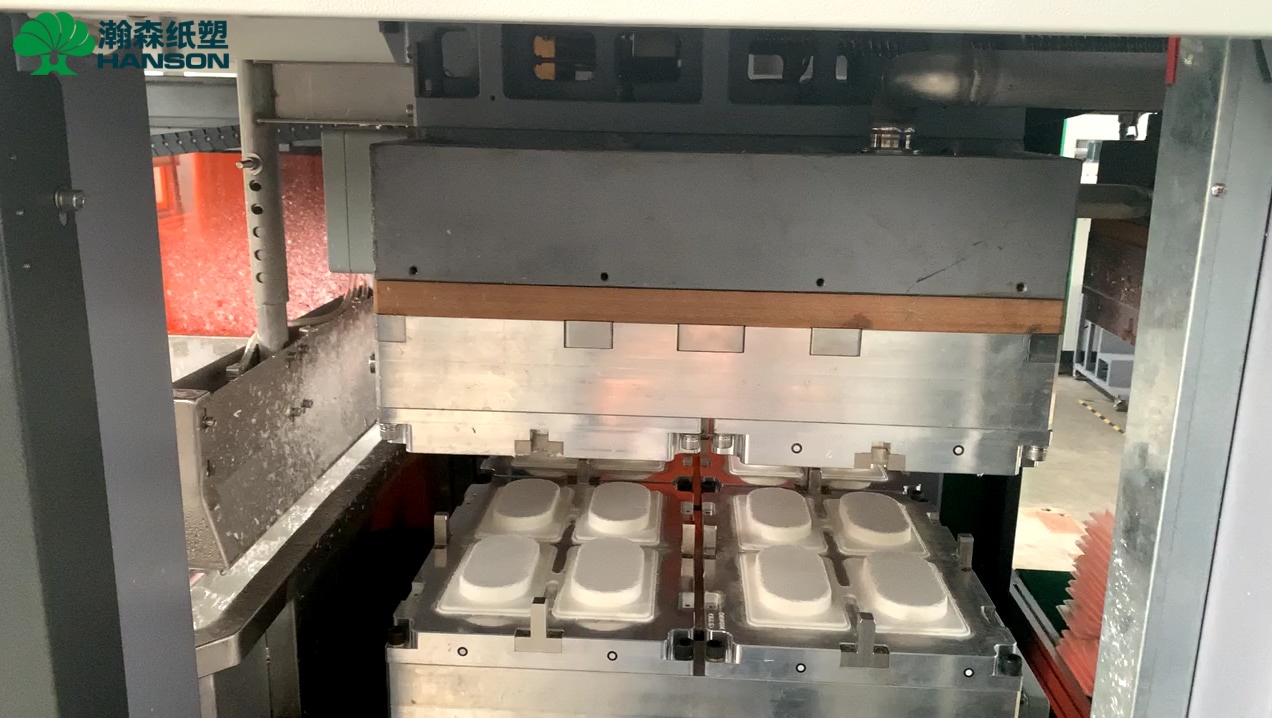
In the wet press process, the wet preform is transferred into a heated mold while still retaining moisture. The product is then pressed and dried simultaneously within the mold cavity. This cure-in-the-mold mechanism tightly controls fiber shrinkage, yielding exceptional dimensional stability and a premium surface finish. Because the product’s final shape is determined entirely during this heated pressing stage, the temperature control capabilities of the machine and the precision of the tooling become the foundation of your production quality.
Trade-off 1: Capacity vs. Accuracy in Premium Inserts
It is natural to want a machine with the shortest cycle time and the highest number of mold cavities to maximize daily output. However, for premium inserts, capacity must be built on a foundation of high yield rates.
Why Cycle Time Is Not the Only Metric
Theoretical cycle time is only one factor affecting actual output. High-quality molded fiber inserts require sufficient hot-pressing time to ensure the material is fully dried and structurally set. Blindly reducing hot-pressing time to speed up the machine cycle can lead to incomplete drying, severe product warpage, or a rough surface finish.
The Impact of Tooling on Product Consistency
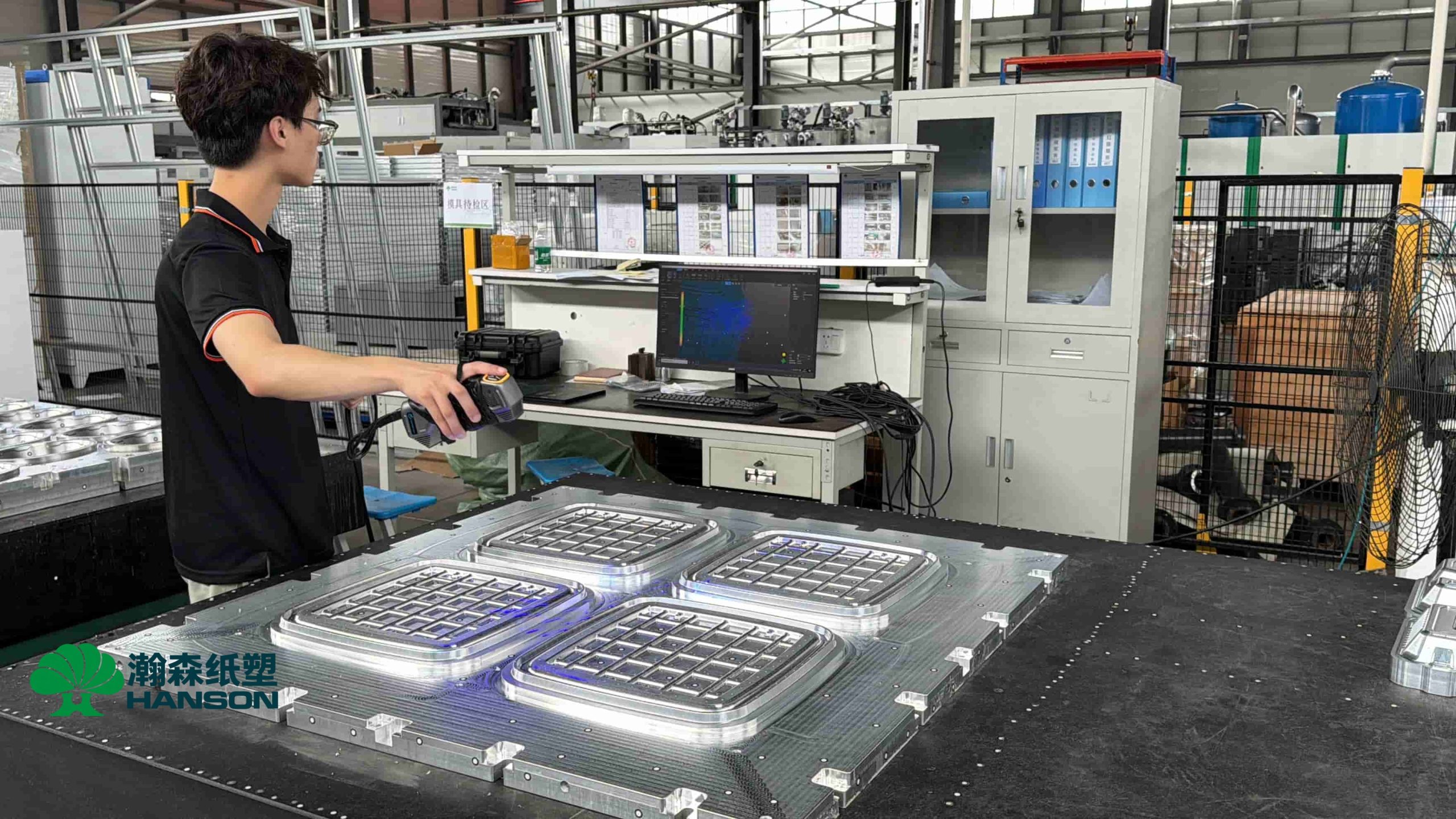
Adding more cavities to a mold does not automatically equate to better productivity. For complex products with deep draws and intricate ribs, an overly large mold area can lead to uneven slurry distribution and inconsistent vacuum dewatering. Furthermore, mold design directly impacts dewatering efficiency, preform transfer, and hot-press consistency. Even with an advanced machine, poorly designed tooling will result in fluctuating product quality.
Trade-off 2: Matching Automation to Your Production Needs
Automation reduces manual labor and improves production continuity, but the level of automation should align with your specific commercial model.
When to Automate and When to Stay Flexible
Consumer electronics often have short product lifecycles, meaning packaging orders are frequently “high-mix, low-volume”. If a production line is too rigidly automated, the frequent mold changes, machine adjustments, and cleaning required for different products can severely reduce the actual operating rate.
Post-Processing Automation for Molded Fiber
For premium industrial packaging, investing in post-processing automation is often highly effective. Precision trimming is usually necessary to ensure the insert fits perfectly inside the outer rigid box. Integrating servo-driven trimming and machine vision inspection into the post-processing stage helps maintain strict quality control without overly complicating the primary forming machine.

Hanson Pulp Molding Solutions for Premium Industrial Packaging
As a specialist in turnkey pulp molding solutions, Hanson Pulp Molding approaches industrial packaging projects by aligning product structure, process control, tooling, and equipment.
To address the specific challenges of premium packaging, Hanson Pulp Molding offers targeted solutions:
-
ZAP-9585 Equipment: Designed specifically for premium industrial molded fiber packaging, the ZAP-9585 integrates forming and hot pressing. It features dynamic pulp replenishment, allowing for precise process control during forming, which is crucial for maintaining surface quality and consistency on complex inserts.

-
ZAD Series: This series is engineered to serve premium high-end packaging clients, focusing heavily on dimensional accuracy, surface finish, and advanced tooling capabilities.
-
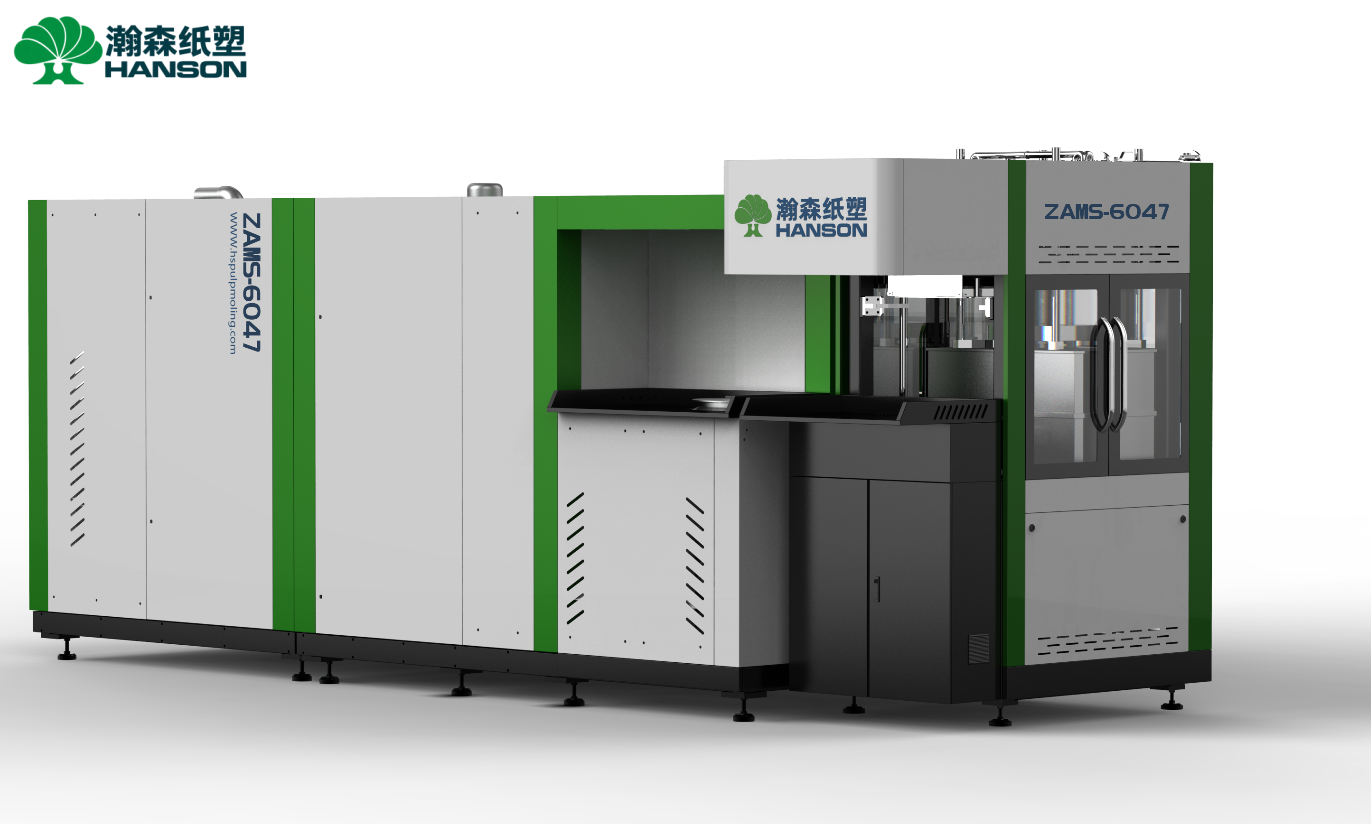
Prototyping and Process Validation (ZAMS-6047): For unverified structural designs or new material tests, Hanson Pulp Molding recommends utilizing the ZAMS-6047 prototyping machine. Validating the mold design and process parameters before investing in mass-production equipment significantly reduces project risk.
In successful projects for high-end packaging clients, the primary focus has consistently been on surface flatness, dimensional tolerance, and batch-to-batch consistency rather than just raw machine speed. Hanson Pulp Molding’s approach ensures that the equipment and tooling work seamlessly together to meet strict international delivery standards.
FAQ
Why is the wet press process better for smartphone packaging inserts? Smartphone packaging requires extremely smooth surfaces, precise structural details (like small radiuses), and strict dimensional tolerances to fit perfectly within the outer box. The wet press process, which presses and dries the product inside a heated mold, provides superior surface finish and dimensional stability compared to traditional independent drying methods.
What is the difference between tableware equipment and industrial packaging machines? Tableware machines generally prioritize high output, large volume production, and unit energy consumption. In contrast, industrial molded fiber packaging machines (like the ZAP-9585) focus heavily on precise forming control, dynamic pulp replenishment, and advanced tooling integration to handle the complexity and strict accuracy requirements of premium inserts.
Why shouldn’t I just buy a machine with the most mold cavities? While more cavities increase output per cycle, they also require a larger mold area, which can lead to uneven slurry distribution, inconsistent dewatering, and uneven pressure during hot pressing. The number of cavities must be carefully balanced against the product’s size, weight, and the machine’s load capacity.
How should I start a new premium molded fiber packaging project? Instead of purchasing a mass-production line immediately, it is advisable to start with product definition and prototyping. Validating the structural design, tooling, and process parameters on a prototyping machine helps resolve potential manufacturing issues before scaling up.
Conclusion
When selecting an industrial molded fiber packaging machine, decisions should not be based solely on theoretical output numbers. Prioritizing extreme capacity or rigid full automation can often lead to a compromise in dimensional accuracy and surface quality. The most effective strategy is to start with the specific requirements of your final product—evaluating its tolerances and finish—and then configure the tooling, process, and equipment accordingly to ensure stable, high-quality mass production.
If you already have a 3D drawing, product sample, or target daily capacity for your premium molded fiber inserts, Hanson Pulp Molding can evaluate the optimal tooling, molding process, and equipment configuration for your project.
WhatsApp: +86 15920604830
Email: linchuangcheng@hspulpmolding.com