For enterprises expanding into molded fiber packaging or traditional plastic manufacturers transitioning to sustainable solutions, purchasing pulp molding equipment is a capital-intensive and highly strategic decision. When visiting a pulp molding machine manufacturer for an on-site audit, it is easy to get distracted by empty machine speeds running in a showroom.
However, a successful turnkey pulp molding plant is a complex system. The equipment must work in perfect harmony with the fiber raw materials, pulping system, tooling (molds), drying/hot-pressing processes, and post-processing automation. As a specialist in turnkey pulp molding solutions, Hanson Pulp Molding recommends that buyers move beyond simply comparing spec sheets and theoretical cycle times. Here is a professional audit checklist to evaluate a supplier’s true manufacturing and project execution capabilities during your site visit.
1. Does the Machine Configuration Map Exactly to Your Target Product?
There is no single “universal” machine that excels at producing every type of molded fiber product. The first step in your audit is to verify if the manufacturer configures the equipment based on your specific product requirements, rather than forcing a standard machine to do an inadequate job.
Different applications demand entirely different equipment logic:
-
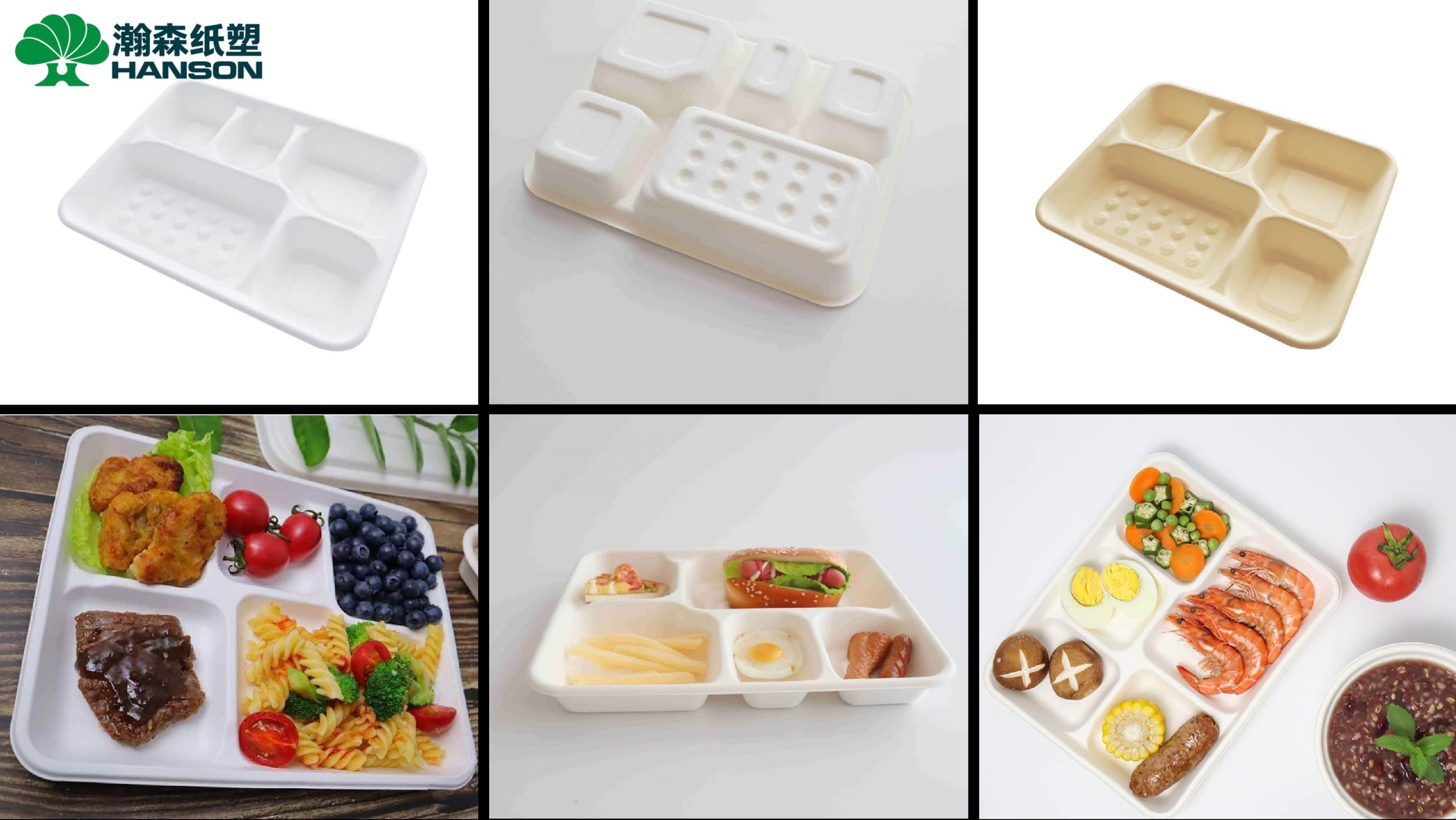
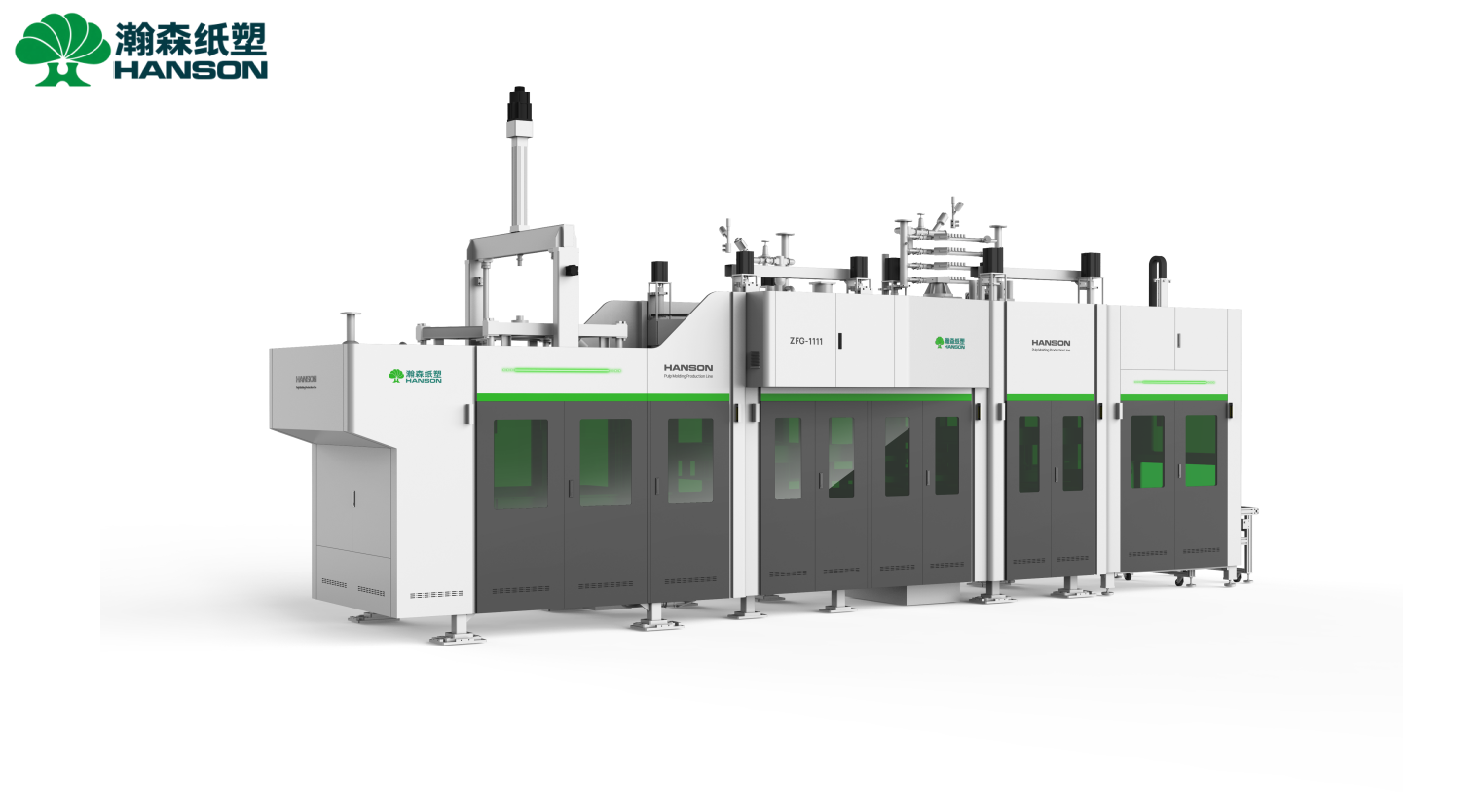
Molded Fiber Foodservice Packaging (Plates, Bowls, Clamshells): These products require massive, stable output and strict energy consumption control. During the audit, evaluate the synergy between the forming and hot-pressing stations. For example, Hanson Pulp Molding’s ZFG-1111 and the full-servo ZBG-1111 are dedicated machines for wet press tableware, capable of reaching up to 1.8 tons/day per machine under appropriate production conditions.

-
Premium Industrial Molded Fiber Packaging (Consumer Electronics Inserts): High-end electronic packaging prioritizes exceptional surface smoothness, strict dimensional accuracy, and complex structural consistency. Evaluating pressure control and dynamic pulp replenishment—capabilities featured in the Hanson ZAP-9585 machine—is critical here.


-
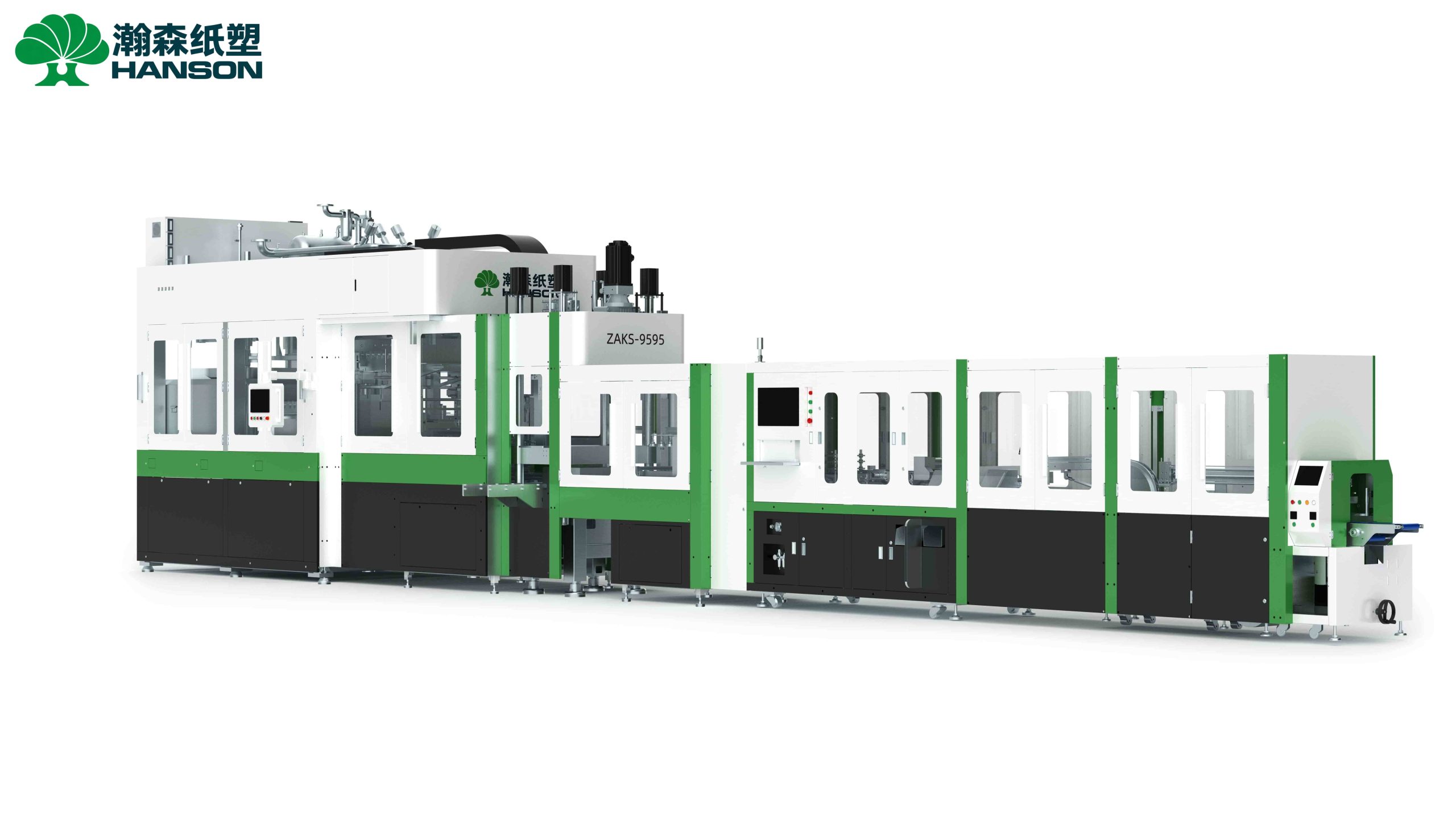
Molded Fiber Cup Lids: Producing cup lids is a high-volume, precision-dependent process. The focus should be on continuous automation. The Hanson ZAKS-9595 automated line integrates forming, hot pressing, servo-driven punch cutting, machine vision inspection, and automatic packaging to secure a stable daily output of 100,000–120,000 pcs/day (24H).
A reliable supplier will ask for your product drawings, dimensions, and target capacity before recommending a machine.
2. Evaluate the Synergy Between Tooling (Molds) and the Molding Process
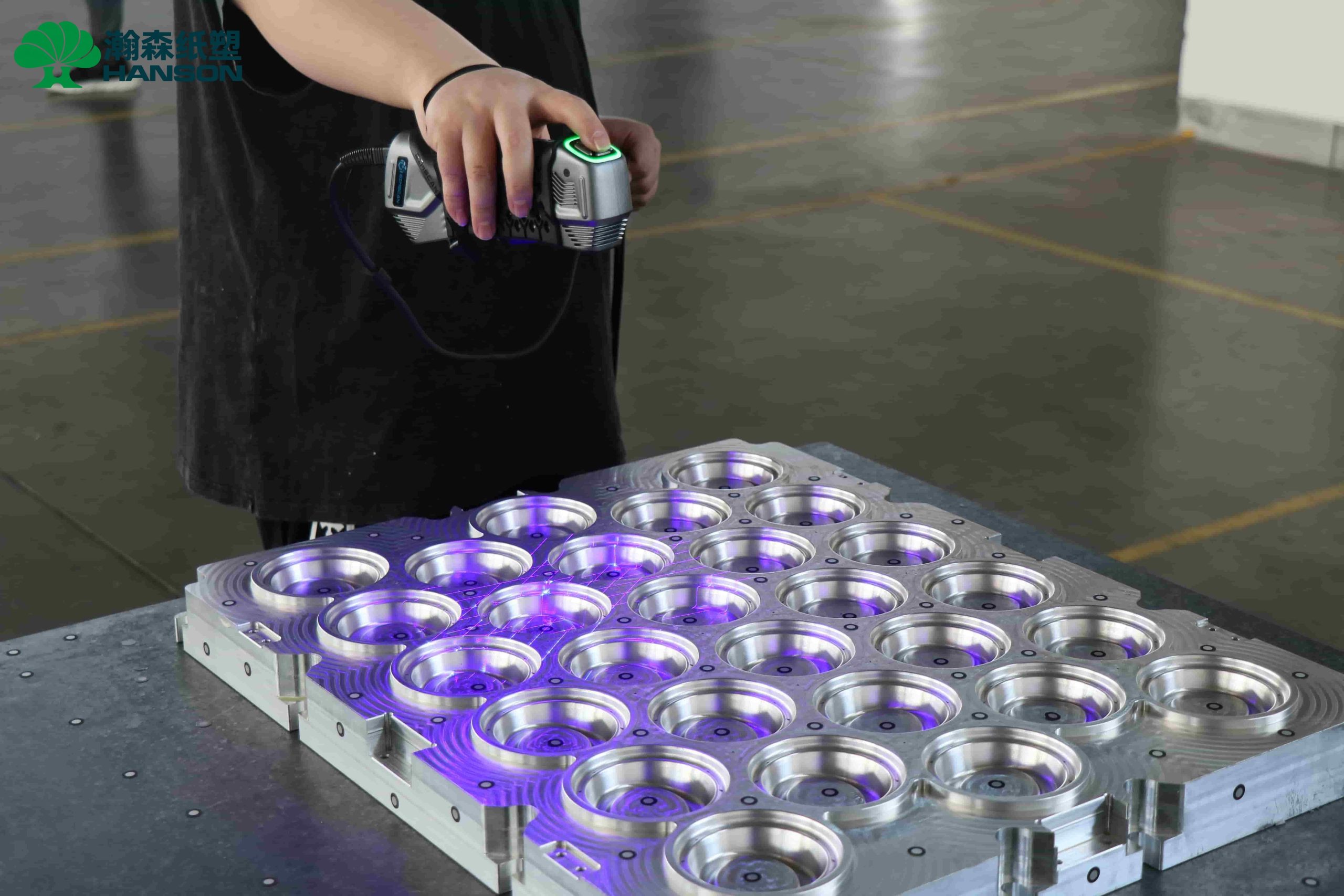
Molded fiber tooling is far more than just a shaped block of metal; it actively participates in forming, dewatering, wet preform transfer, and hot pressing.
If two machines have identical mechanical specifications, but the forming mold has an inferior drainage design, the wet preform will enter the hot-pressing stage with a higher moisture content. This significantly increases the required hot-pressing time and inflates energy consumption per ton of product. During your visit, inspect the manufacturer’s tooling capabilities. Hanson Pulp Molding approaches equipment design with the philosophy that product structure, mold design, and machine parameters must be developed concurrently to achieve optimal surface quality and production consistency.
3. Verify Actual Production Capacity vs. Theoretical Cycle Time
A machine running dry at high speeds in a showroom does not guarantee identical performance in your factory. Theoretical cycle times are just one variable.
To accurately assess capacity during your audit, verify the following:
-
How many cavities can the mold hold for your specific product’s size and weight?
-
What is the equipment’s actual uptime? How long does it take to change molds or perform maintenance?
-
What is the expected yield rate once cutting and trimming are factored in?
Real-world B2B equipment reliability requires long-term production validation. For instance, before committing to a massive overseas facility involving hundreds of machines, Jialian Technology conducted approximately 4 months of rigorous testing on Hanson equipment. Similarly, Gaoyi Packaging has completed 8 repeat purchases of premium industrial packaging machines based on sustained production performance. These real-world milestones are far more valuable than theoretical calculations.
4. Assess Turnkey Capabilities: Pulp Preparation and Post-Processing Automation
No matter how fast a forming machine operates, the actual output of a turnkey pulp molding plant is bottlenecked by its slowest process.
-
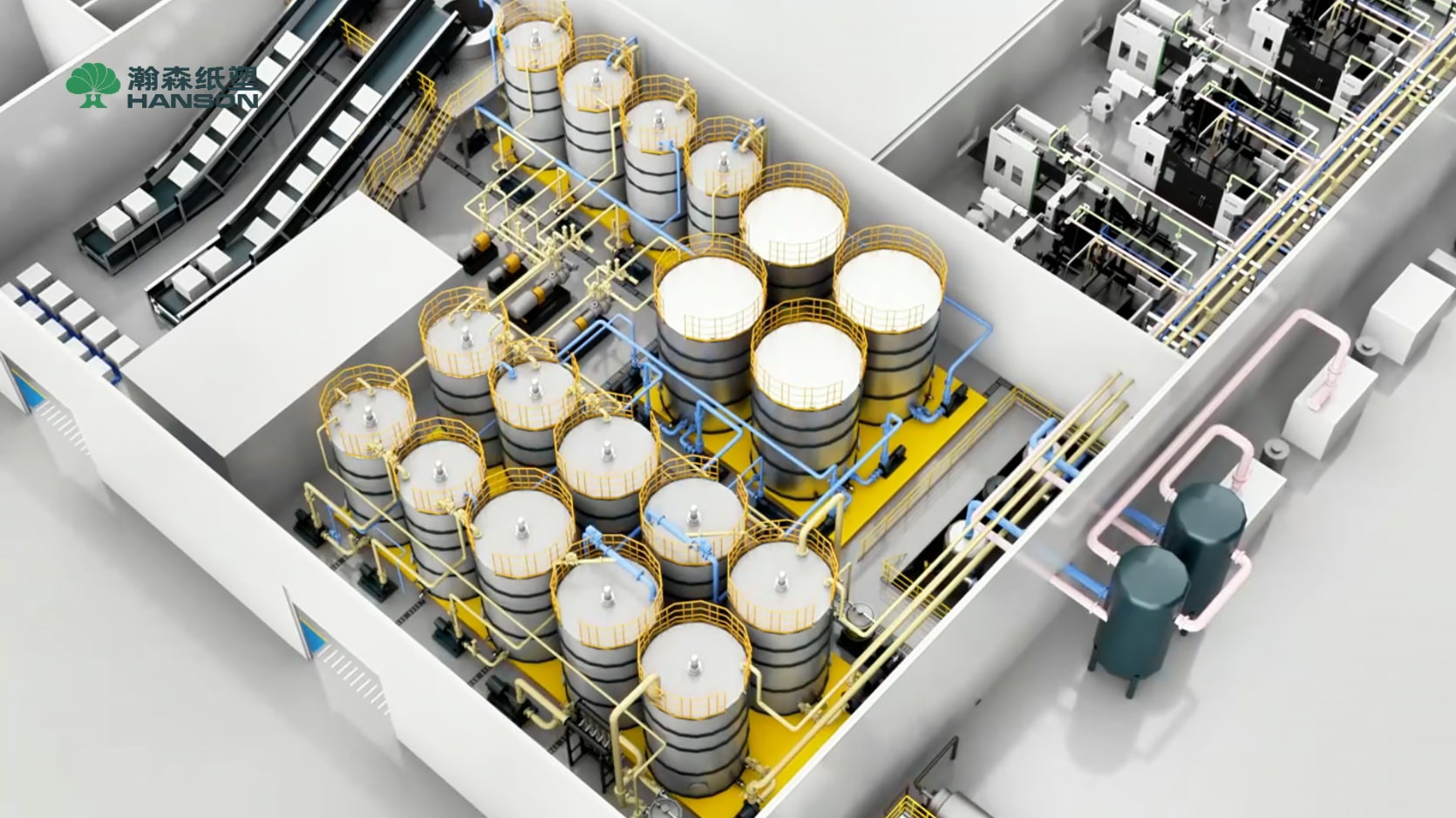
Intelligent Pulping Systems: If the pulping system delivers inconsistent pulp consistency, the final molded fiber products will suffer from uneven weight and thickness. Evaluate the supplier’s ability to design stable pulping systems. In the Yongfa Printing project, Hanson optimized pipe routing, flow control, and pulp consistency to ensure stable raw material delivery and better energy utilization.
-
Post-Processing Automation: Especially for high-volume products, relying on manual labor for trimming, inspection, and stacking is economically unviable. Verify the manufacturer’s integration of secondary processing automation to ensure continuous, seamless production.

5. Prototyping Capabilities for New Product Development
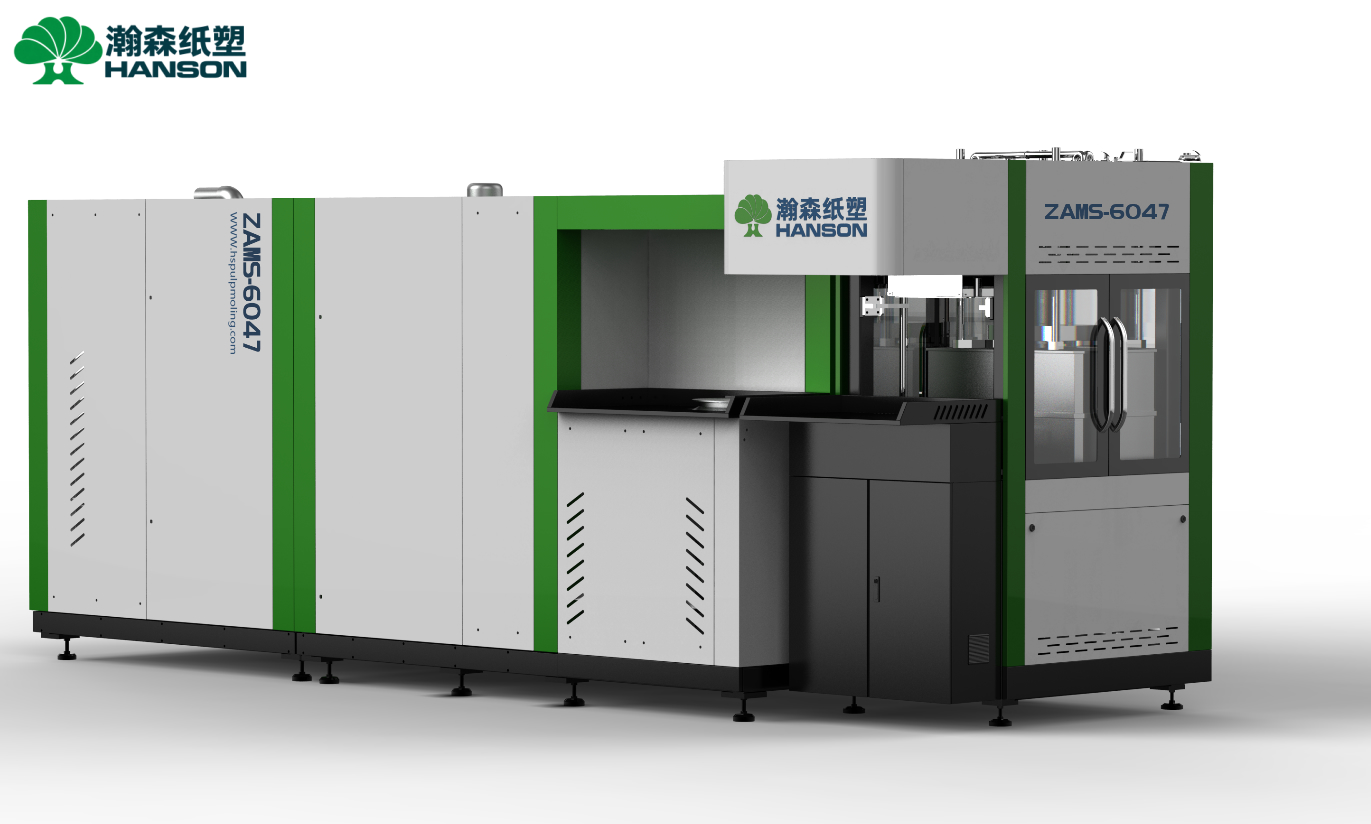
If you are entering the market with an entirely new product structure or testing alternative plant fibers, jumping straight into large-scale equipment procurement is highly risky. Ask if the manufacturer offers a pulp molding prototyping machine (like the Hanson ZAMS-6047). Validating the material, process, and mold design on a prototyping setup minimizes commercial risk before you invest in mass production equipment.
FAQ
1. How do you calculate the actual daily capacity of a pulp molding machine? Theoretical cycle times alone cannot determine daily capacity. Actual production depends on the product’s weight, dimensions, the number of mold cavities, forming and hot-pressing times, equipment uptime, and final yield rates.
2. Can I use the same machine to produce different molded fiber products? While machines allow for mold changes, different products often require adjustments in pulp slurry formulation, vacuum levels, hot-pressing temperatures, and cycle times. Additionally, significant changes in product depth and size may exceed a specific machine’s optimal operating range. It is always recommended to verify with your supplier if your product mix is suitable for a single production line.
3. Why is wet preform moisture content important when evaluating equipment? The moisture remaining in the wet preform after the forming stage must be evaporated during hot pressing or drying. Efficient early-stage dewatering reduces the thermal energy required later, effectively lowering the overall electrical energy consumption per ton of product and shortening cycle times.
Conclusion
Purchasing pulp molding equipment is not just about buying hardware; it is about investing in an integrated manufacturing ecosystem. The forming equipment, molds, process parameters, pulping system, and automation must align flawlessly to achieve stable commercial production. When conducting your factory audit, look past the initial price tags and showroom speeds, and focus heavily on the supplier’s engineering depth and proven mass production track record.
If you are planning a new turnkey pulp molding plant or expanding your current operations, you can share your target products, required capacity, plant conditions, and automation requirements with us. Hanson Pulp Molding can evaluate the project holistically—from product development and plant planning to pulping, forming equipment, tooling, and post-processing automation.
WhatsApp: +86 15920604830
Email: linchuangcheng@hspulpmolding.com