When investors decide to enter the molded fiber industry or expand their existing capacity, the most common question is often: “How much does the machine cost?” However, starting a molded fiber factory is not just about buying a few stand-alone machines; it requires building an integrated manufacturing system. Focusing solely on the price of the forming machine often leads to severe budget overruns and production delays later on.
To build a profitable turnkey pulp molding plant, you must work backward from the final product to accurately map out all necessary investments. Here is a comprehensive breakdown of the key components you cannot afford to miss.
Key Budget Components of a Pulp Molding Plant
A complete pulp molding project budget consists of several critical sectors beyond the main forming machine.
1. Product Development and Prototyping
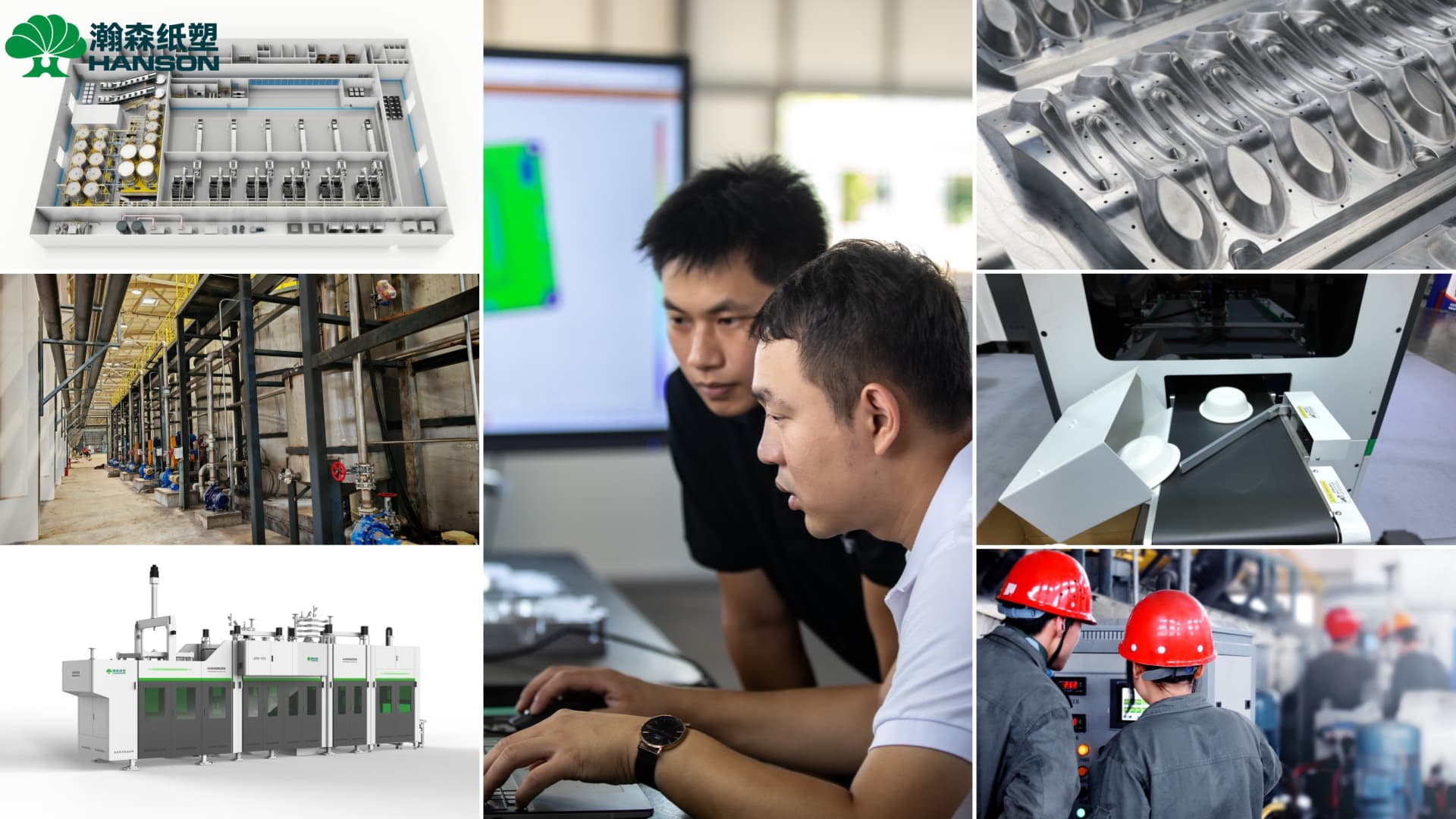
Many new entrants into the industry have not yet finalized their product structure, material formulation, or process. Purchasing large-scale mass production equipment immediately can lead to costly configuration errors. Initial budget allocation should cover product definition, tooling development, and prototyping. Validating the product and process first significantly lowers the risk of the subsequent mass production investment.
2. Forming Equipment and Mold Tooling
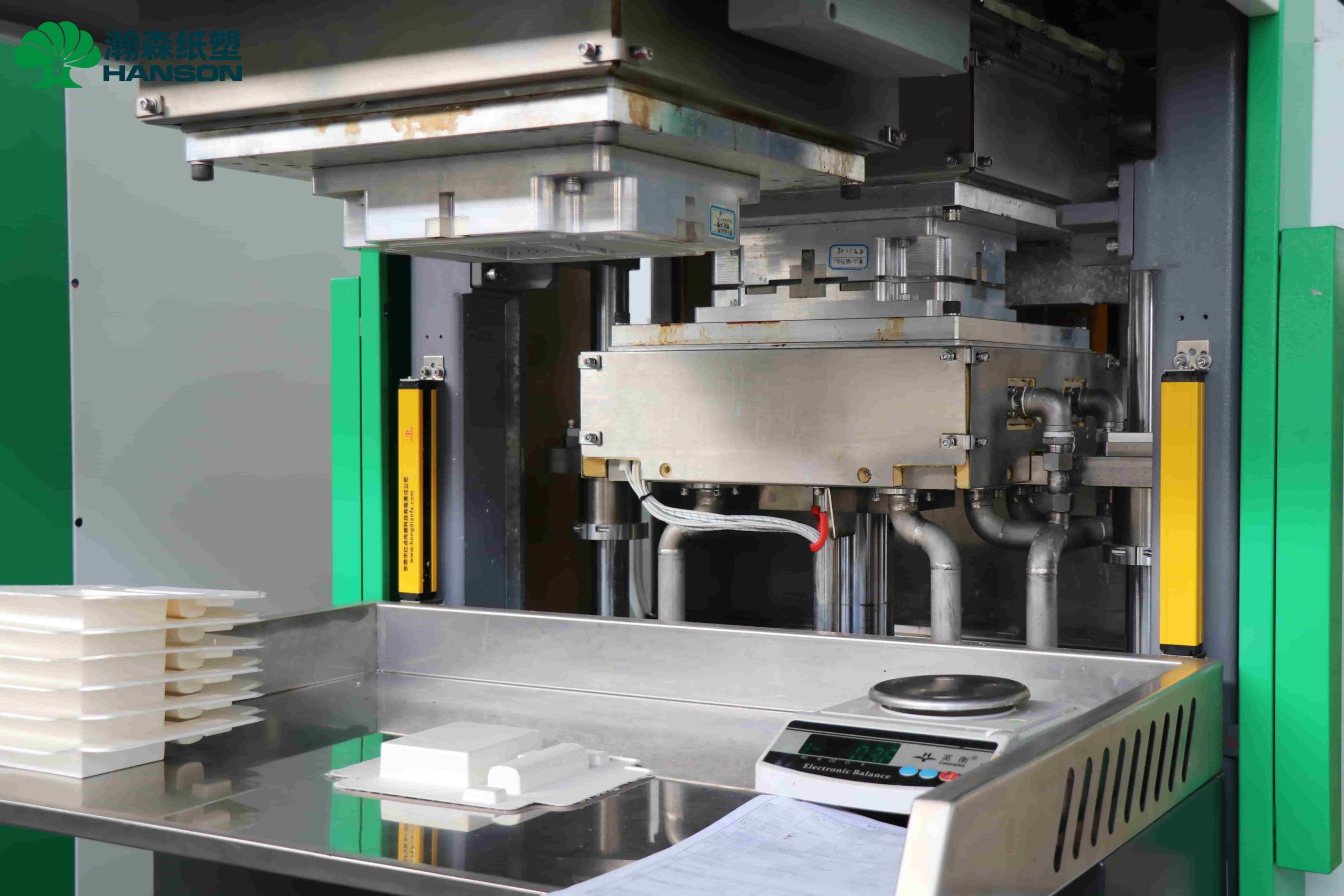
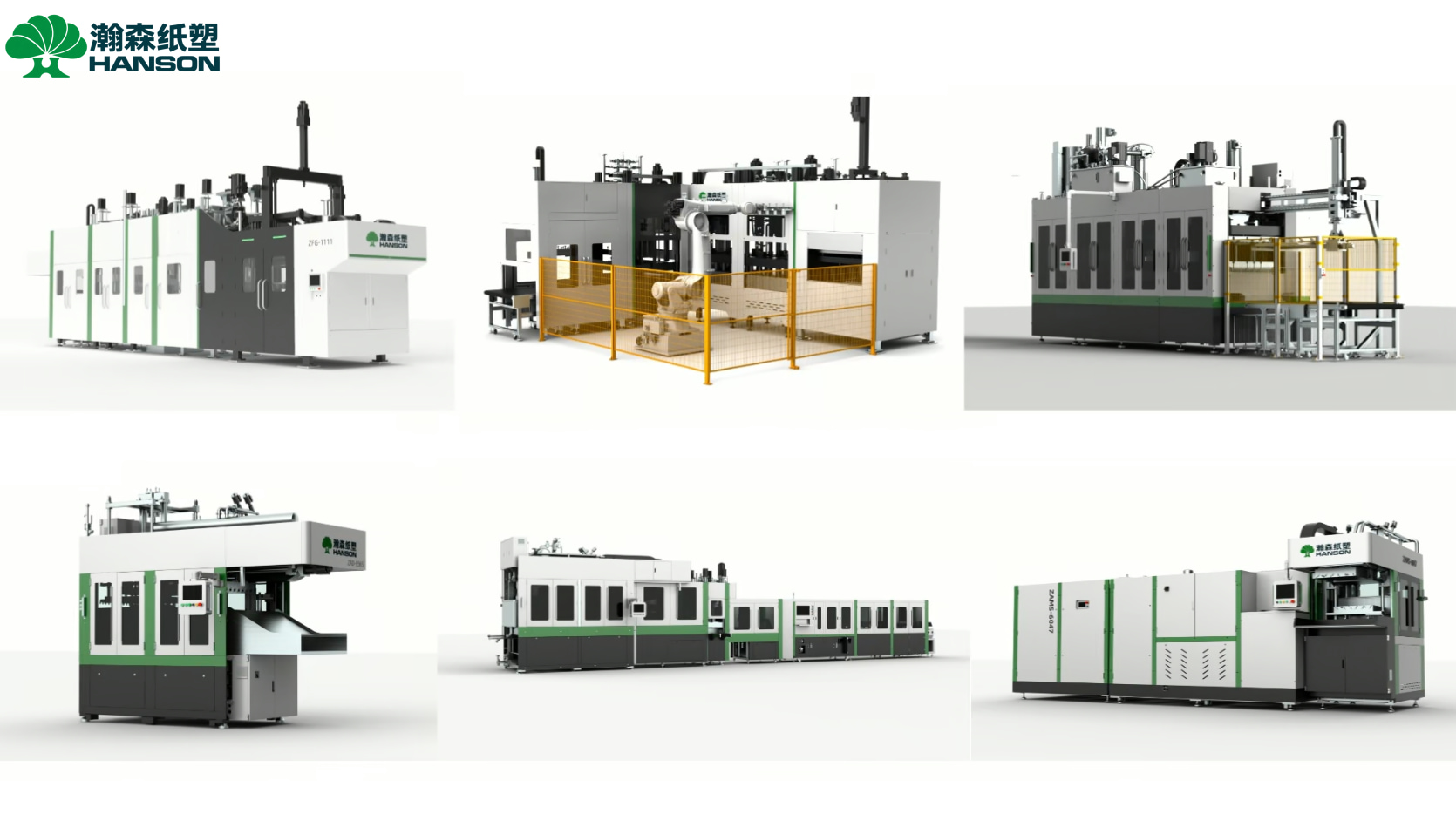
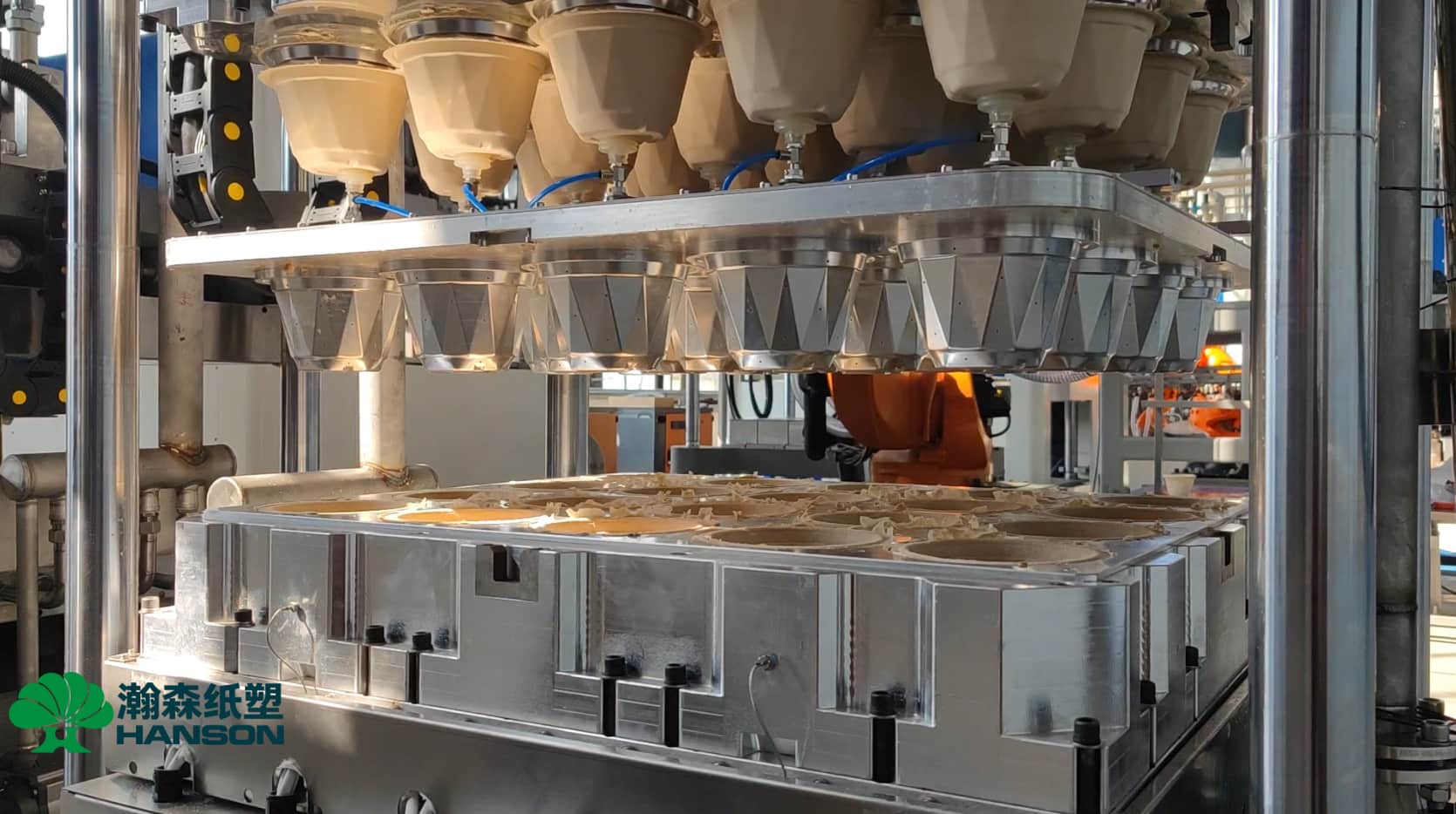
Forming equipment must be selected based on the specific product (e.g., tableware, premium industrial packaging, or thick-wall cushioning), required capacity, and automation level. Furthermore, pulp molding molds are not just basic spare parts; mold design directly impacts dewatering efficiency, hot pressing performance, dimensional accuracy, and the actual cycle time. Tooling investment is a core factor in achieving stable daily output.
3. Intelligent Pulping System
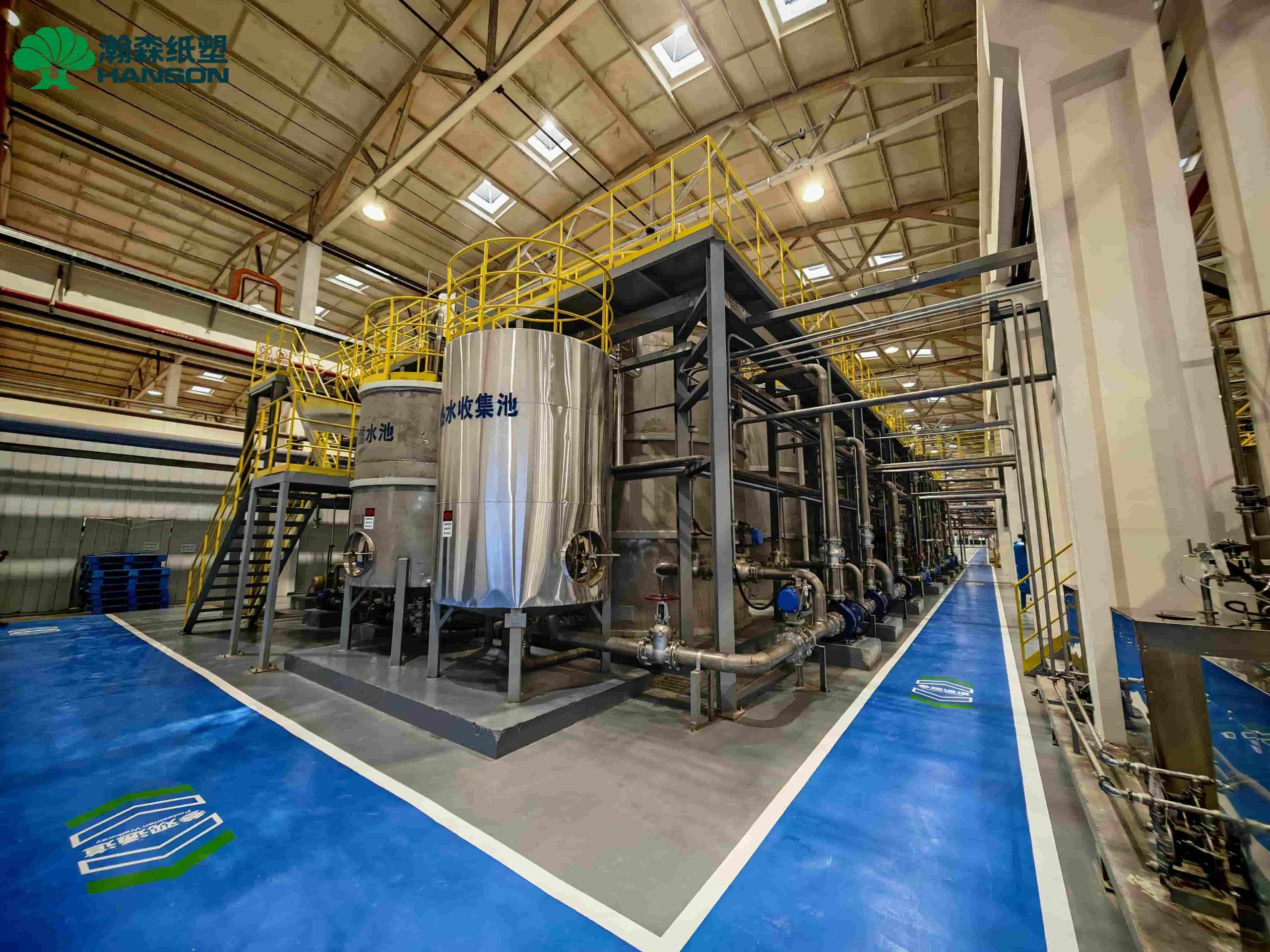
The forming machine is only one part of the production line. If the pulping capacity does not match the forming equipment, the entire factory’s actual output will suffer. Budgeting for an intelligent pulping system includes raw material processing, pulping, blending, consistency control, and automated slurry transport.
4. Post-Processing Automation
Once the product is formed and dried, post-processing can quickly become a bottleneck if not properly planned. Essential investments may include automated trimming, vision inspection, rotary spray coating, lamination, and automated packaging systems. Proper automation here reduces reliance on manual labor and ensures a consistent production rhythm.
5. Plant Utilities and Infrastructure
A molded fiber factory has systemic demands for utilities. Beyond the factory building itself, the budget must include robust infrastructure for water recycling, power supply, vacuum systems, compressed air, and heat sources (such as natural gas or steam).
Why a Turnkey Solution Prevents Budget Overruns
If a company purchases the pulping system, forming machines, and molds from entirely different suppliers, interface issues inevitably explode during the installation and commissioning phase, leading to spiraling costs.
Consider the Sichuan Jinzhu (Wuliangye) bamboo pulp molding project, a benchmark roughly 80 million RMB investment. As the industry’s first mixed wet and dry press turnkey pulp molding plant, it faced the complex challenge of managing bamboo pulp processing alongside multiple production routes. The project successfully achieved output on November 30, 2025, precisely because the pulping capacity, utility distribution, and process synchronization were holistically integrated during the plant planning stage.
Hanson Pulp Molding: Your Turnkey Pulp Molding Expert
As a specialist in turnkey pulp molding solutions, Hanson Pulp Molding operates on a unique “6+1” turnkey service system. Starting with “+1” product development, the system integrates plant planning, intelligent pulping systems, forming equipment, mold manufacturing, post-processing automation, and comprehensive production ramp-up support. Hanson Pulp Molding ensures that product, process, tooling, and equipment are perfectly aligned to keep your project on budget and on schedule.
FAQ
How much does a turnkey pulp molding plant cost? There is no fixed price that applies to every project. The total investment depends on the product type, target capacity, required automation, pulping system, molds, and local factory infrastructure. A detailed plant layout and process route must be defined first to generate an accurate estimate.
What is the first step in setting up a molded fiber factory? The first step is not buying equipment, but clearly defining the target product and required daily capacity. From there, you work backward: process → mold → equipment → pulping → post-processing → comprehensive plant planning.
How long is the ROI for a pulp molding plant? ROI cannot be calculated solely based on equipment price. It is influenced by the selling price of the product, raw material and energy costs, yield rates, and overall equipment efficiency. A highly stable turnkey system generally ensures lower and more predictable unit manufacturing costs.
Conclusion
Budgeting for a molded fiber factory is about mapping out the synergistic capabilities of an entire plant. Expanding your focus from isolated machine prices to encompass pulping, tooling, utilities, and automation is the only way to ensure every dollar invested translates into reliable, large-scale production.
CTA
If you are planning a new pulp molding plant, you can share your target products, required capacity, plant conditions, and automation requirements. Hanson Pulp Molding can evaluate the project from product development and plant planning to pulping, forming equipment, tooling, post-processing, and production ramp-up.
WhatsApp: +86 15920604830
Email: linchuangcheng@hspulpmolding.com