
When evaluating a new molded fiber manufacturing project, it is a common pitfall to lay multiple quotations side by side and make a decision based solely on two numbers: machine price and theoretical cycle time.
At first glance, acquiring a cheaper machine that claims a faster cycle time seems like a straightforward path to high ROI. However, molded fiber manufacturing is a complex process involving fluid dynamics, thermodynamics, and precise mechanical control. The true commercial value of pulp molding equipment is rarely reflected in its bare steel structure or empty-run speeds. Instead, profitability depends on how efficiently the machine manages pulp slurry, extracts water, and controls long-term energy and labor costs.
To build a sustainable and profitable pulp molding factory, buyers must look beyond the initial CapEx and theoretical speed, and establish a deeper understanding of the total cost of ownership (TCO) and actual production capability.
Myth 1: A Faster Cycle Time Equals Higher Daily Capacity
The “cycle time” advertised by a pulp molding machine manufacturer is frequently measured under ideal, empty-load conditions. Many investors simply take 24 hours, divide it by this cycle time, multiply it by the number of mold cavities, and accept the result as their daily production capacity. In a real-world production environment, this math inevitably fails.
Actual output is restricted by tangible physical variables:
-
Product Weight and Thickness: Producing a heavy, thick molded fiber tray requires significantly more time to attract fibers in the slurry and evaporate moisture during hot pressing than a lightweight plate.
-
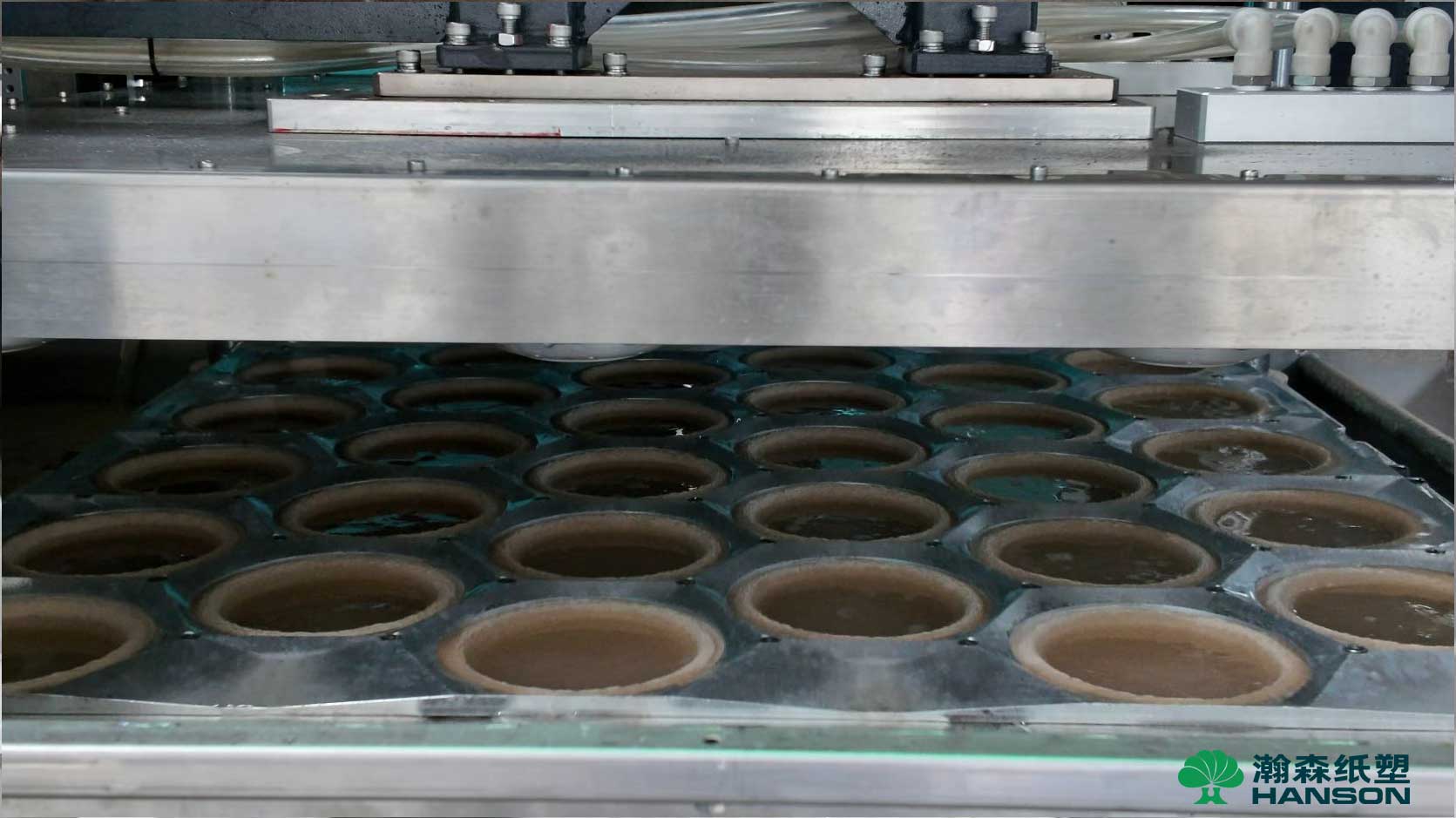
Wet Preform Moisture and Dewatering Efficiency: This is a critical hidden metric. If the forming tool and vacuum system do not efficiently extract water, the wet preform transfers too much moisture into the hot press mold. To fully dry the product, operators are forced to increase the hot pressing time or raise the temperature. As a specialist in turnkey pulp molding solutions, Hanson Pulp Molding evaluates mold design and forming parameters holistically. Under appropriate production conditions, optimizing the tooling and dewatering process can reduce the wet preform moisture content to below 60%, fundamentally cutting down the required hot pressing time.
-
Physical Limits of Mold Cavities: Adding more cavities doesn’t automatically mean higher output. The layout is constrained by the total mold area, vacuum distribution, and heating uniformities. Overcrowding cavities can lead to uneven product weights, poor edge drying, and ultimately, a lower yield rate.
Actual daily capacity equals the number of qualified products per cycle × actual effective cycles × machine uptime. Uptime is constantly affected by mold changes, wire mesh cleaning, and maintenance, none of which are accounted for in a theoretical cycle time.
Myth 2: A Lower Machine Price Means Better ROI
Pulp molding is an energy-intensive industry. If a competitively priced machine is poorly insulated or uses inefficient pneumatic and hydraulic architectures, the money saved on the initial purchase will rapidly burn away through monthly utility bills.
-
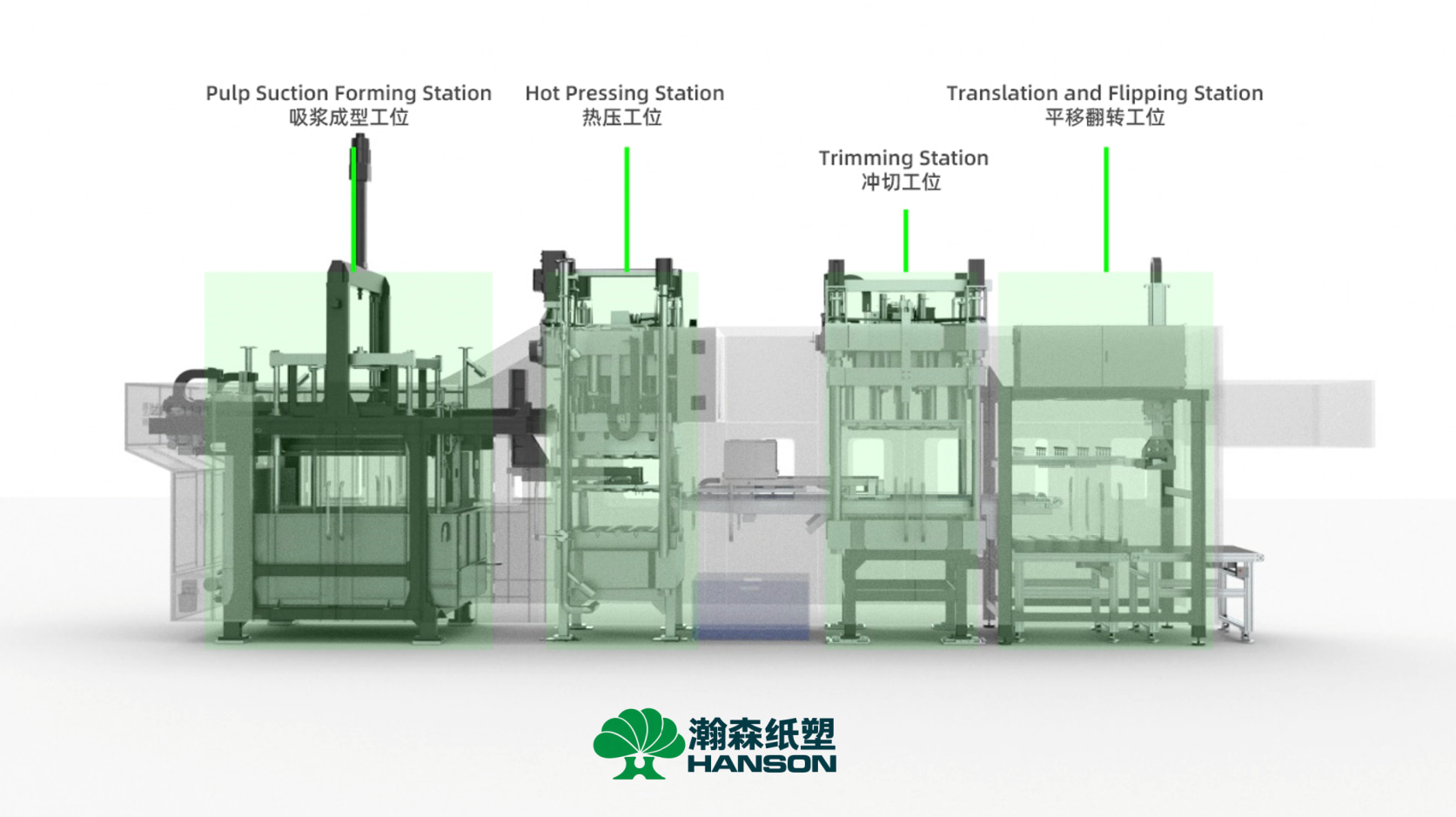
Electricity Consumption per Ton: The true indicator of energy efficiency is not the machine’s installed power rating, but how much energy is consumed to produce one ton of qualified products. The heating plates and process exhaust logic largely determine this metric. For instance, Hanson Pulp Molding’s ZFG-1111, designed for wet-press tableware, can achieve an electricity consumption of less than 1,800 kWh per ton under appropriate production conditions, significantly lowering the long-term manufacturing cost compared to less optimized systems.
-
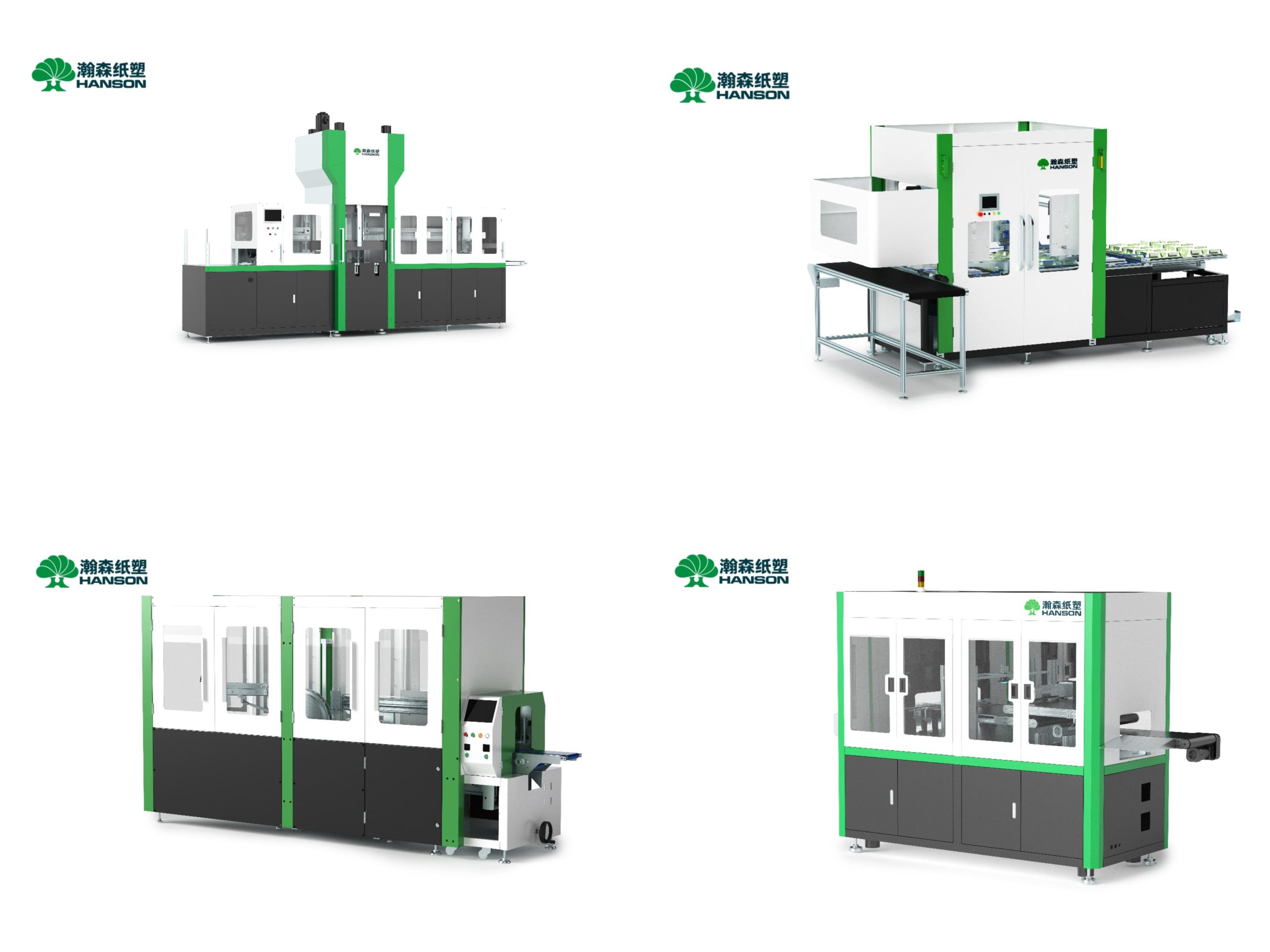
Post-Processing Automation: Formed products often require trimming, visual inspection, and stacking. If a fast forming machine is paired with manual trimming, the factory will incur massive labor costs, and product consistency will suffer. Evaluating equipment means assessing whether the forming machine can seamlessly integrate with automatic trimming and packaging systems.
Myth 3: Buying a Good Machine Solves Everything
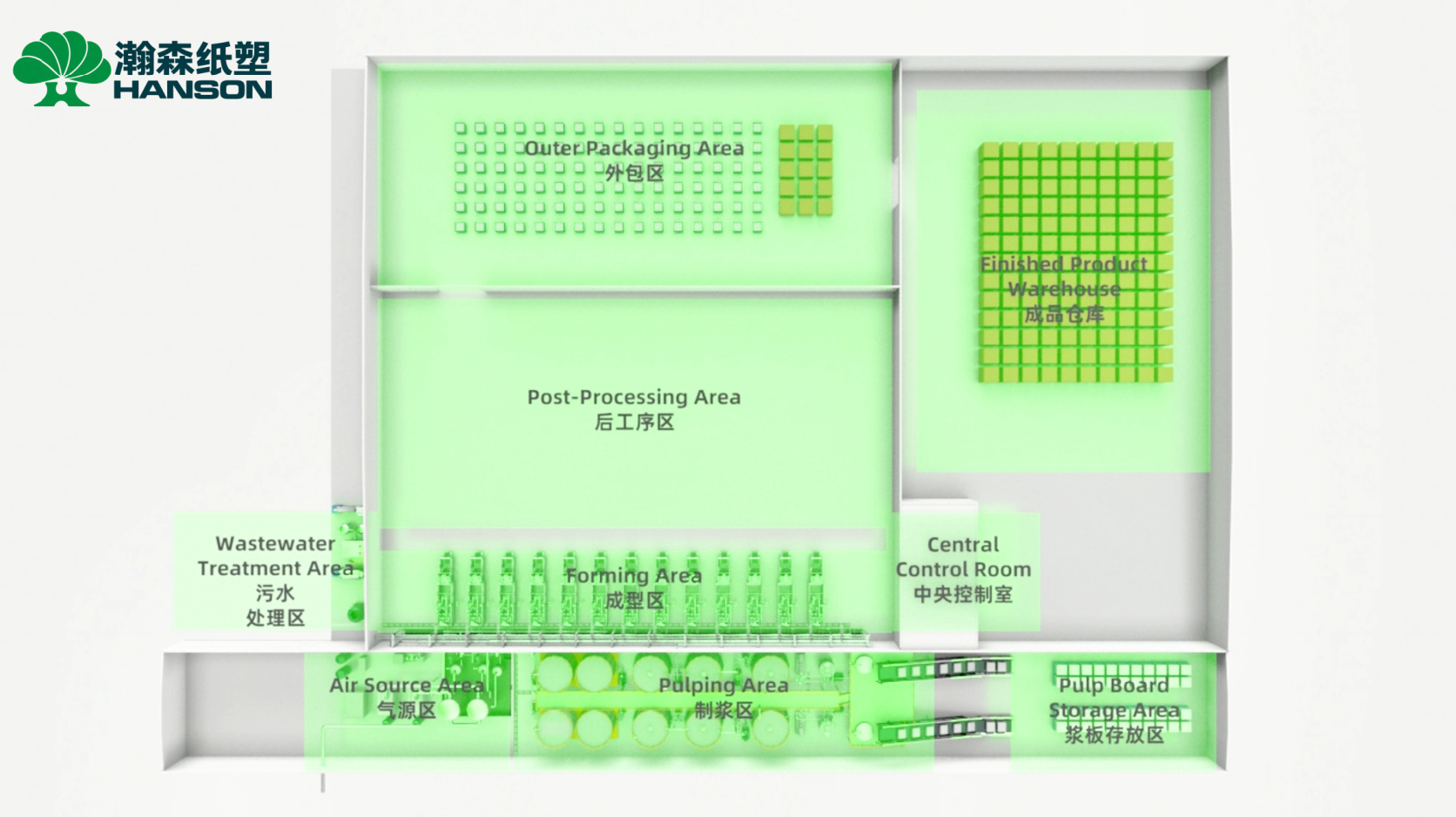
A pulp molding factory is an interconnected manufacturing system. Relying solely on a high-end forming machine while neglecting the rest of the facility will lead to inevitable bottlenecks.
-
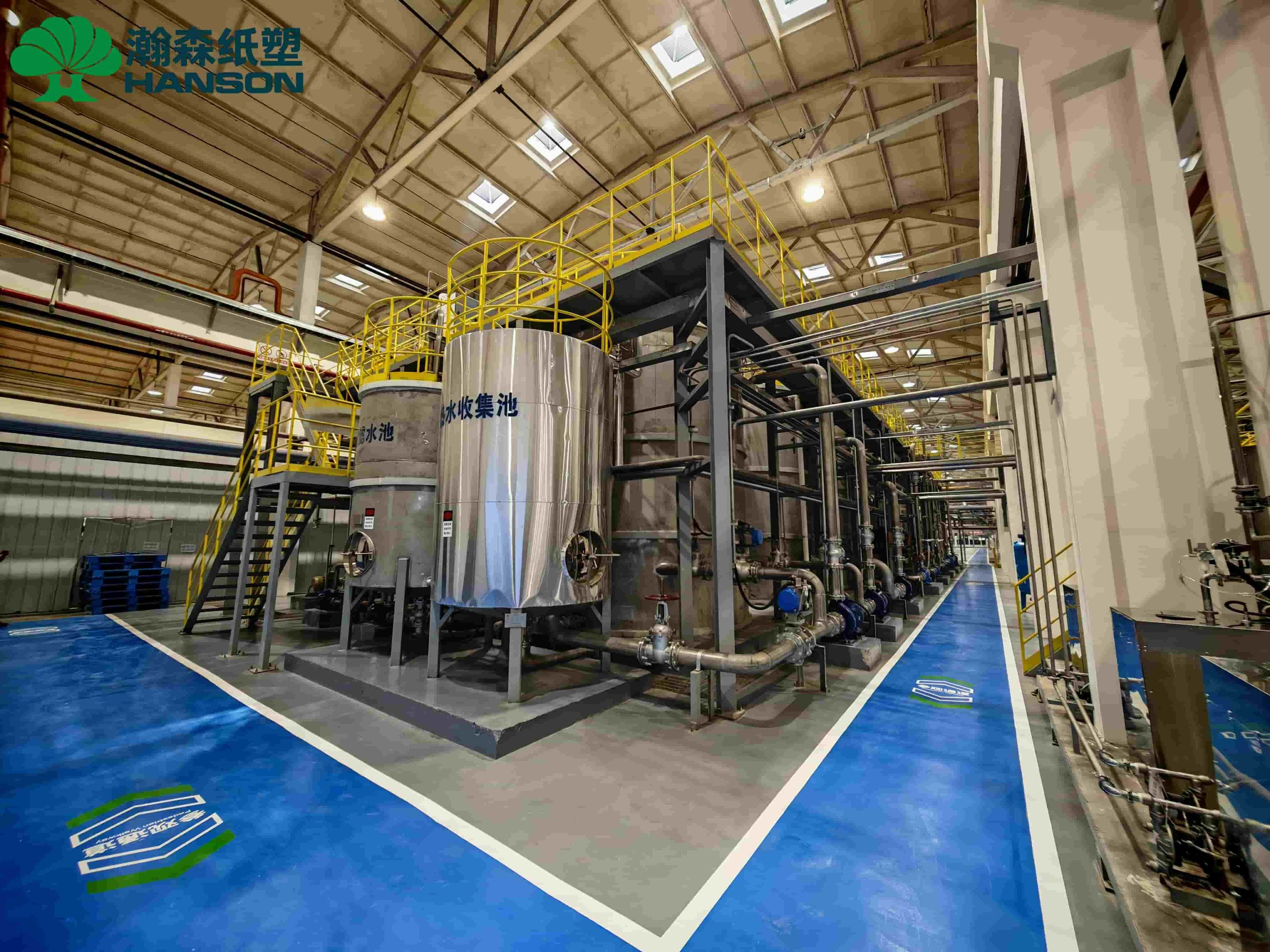
Pulping System Synergy: The pulp slurry is the foundation of the formed product. If the pulping system delivers inconsistent pulp consistency, the forming equipment will produce items with varying weights and poor structural integrity.
-
Plant Utilities: Vacuum pumps, compressed air, and cooling water must be perfectly scaled. If multiple machines share a poorly designed vacuum pipeline, pressure drops will cause inadequate dewatering at the forming stations.
-
The Turnkey Advantage: To avoid mismatched capacities between pulping, forming, tooling, and post-processing, modern projects often adopt a turnkey approach. Hanson’s comprehensive strategy starts from product development and extends through plant planning, pulping, forming equipment, tooling, post-processing automation, and production ramp-up. This ensures that the entire factory operates under a unified technical logic, accelerating the transition from installation to stable commercial production.
FAQ
How should I calculate the actual daily capacity of a pulp molding machine? Actual daily capacity cannot be calculated using just the theoretical cycle time. It must be evaluated based on the specific product dimensions, target weight, mold cavity layout, required surface finish, estimated downtime for mold changes, and the overall equipment effectiveness (OEE) of your facility.
Why is it important to compare energy consumption using the same product specifications? Different products, such as a deep clamshell versus a shallow plate, require vastly different amounts of energy to dewater and evaporate moisture. Comparing the “electricity consumption per ton” between two machines is only commercially meaningful when both are tested on the exact same product, using the same material and achieving the same final dryness.
How does tooling affect the production speed of the equipment? Tooling (molds) directly influences the dewatering efficiency, wet preform transfer, and heat distribution during hot pressing. A well-designed forming tool with optimal mesh and drainage structures removes more water upfront, which directly shortens the required hot pressing time and improves the overall cycle speed.
Conclusion
Purchasing pulp molding equipment is essentially investing in a system’s capability to consistently output qualified products at a competitive cost. Initial price tags and theoretical cycle times are only surface-level metrics. The true determinants of your project’s return on investment are dewatering efficiency, electricity consumption per ton, mold precision, and the systemic synergy of the entire plant. By establishing procurement standards centered around “actual mass production efficiency” and “total cost of ownership,” buyers can mitigate risks and ensure long-term profitability.
If you already have a product sample, 3D drawing, product dimensions, or target daily capacity, simply comparing machine quotations will not reveal potential process and energy bottlenecks. Hanson Pulp Molding can use these details to evaluate the molding process, mold configuration, and equipment setup to provide a realistic assessment of your turnkey project.
WhatsApp: +86 15920604830
Email: linchuangcheng@hspulpmolding.com