Whether transitioning from plastic packaging to molded fiber or launching a completely new sustainable packaging project, investing in the right pulp molding production line is a critical decision.
However, when dealing with non-standard products, innovative structural designs, or new material formulas, many buyers make a crucial strategic error: rushing straight into purchasing massive commercial production lines before fully defining the product and validating the manufacturing process.
Going from a 3D concept to stable mass production requires an essential intermediate step: prototyping and process validation. Below, we break down three common purchasing misunderstandings when sourcing equipment for molded fiber product development and small-batch prototyping.
Mistake 1: Skipping Prototyping and Jumping Directly to Mass Production Equipment
When launching a new project, the immediate focus is often on target daily capacity and return on investment. Buyers frequently ask, “How many tons can this line produce per day?” and select equipment based purely on maximum output.
While this approach works for highly standardized products like traditional egg cartons, it presents a massive risk for custom items such as precision consumer electronics inserts or packaging utilizing new pulp blends. Different raw materials behave differently regarding drainage, forming characteristics, and hot-pressing tolerance. Moving directly to a full-scale pulp molding production line without testing the slurry formulation and forming logic can result in high scrap rates and extended commissioning delays.
The correct pathway is to perform small-batch trial production and material validation first. By utilizing a dedicated prototyping phase, you can test the feasibility of the product structure and material before committing to a full-scale turnkey plant.
Mistake 2: Evaluating Prototyping Machines with Mass Production Metrics
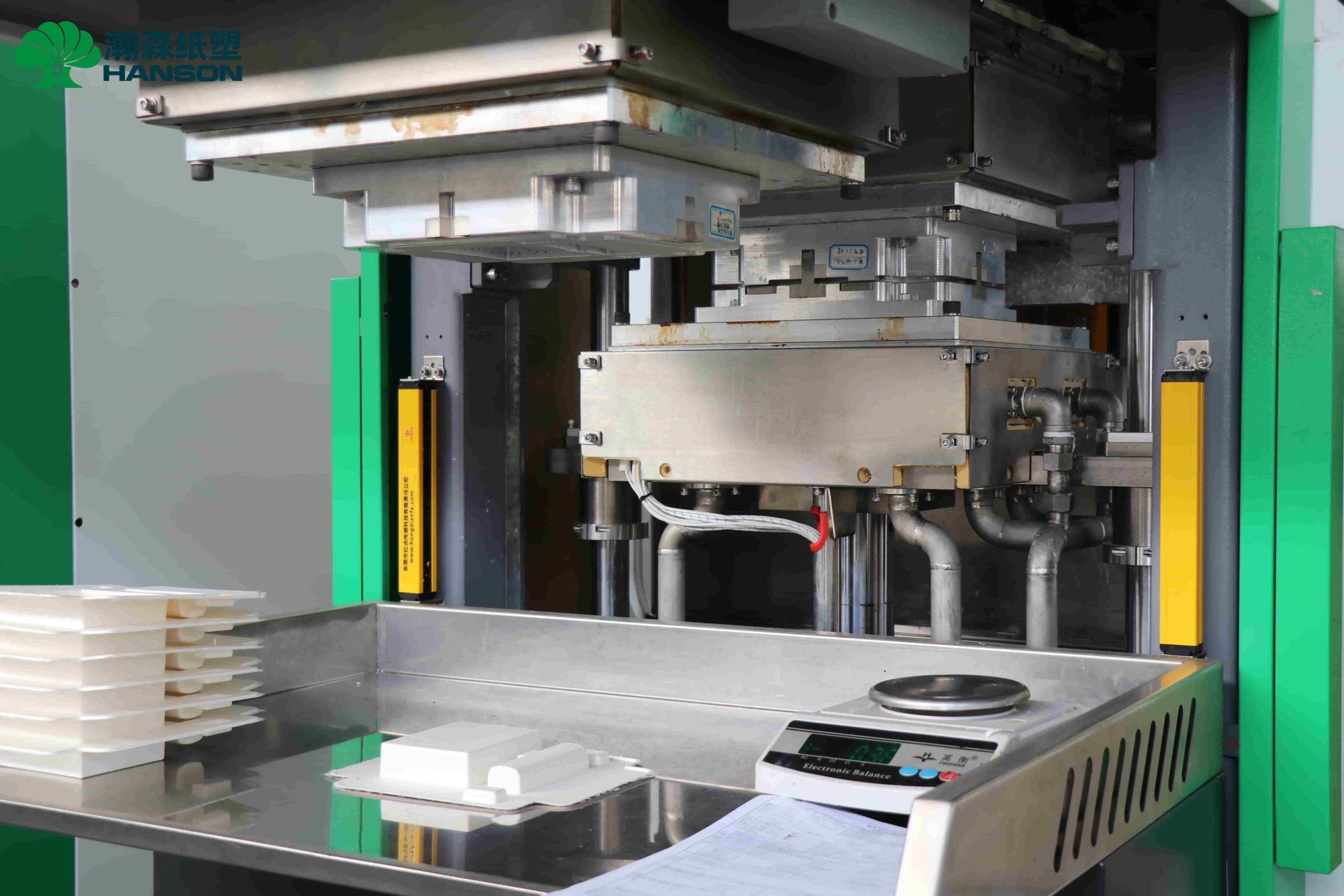
Another common pitfall is applying the evaluation criteria of a commercial pulp molding machine to prototyping equipment. Buyers sometimes reject a prototyping machine because its cycle time is not as fast as a mass-production model.
The true value of a prototyping machine lies in its flexibility and precision in process validation, not its sheer speed. Commercial equipment is designed for high-speed, continuous, and energy-efficient output for a fixed product. Conversely, prototyping equipment must accommodate frequent mold changes, variable vacuum settings, adjustable hot-pressing temperatures, and diverse pulp consistencies.
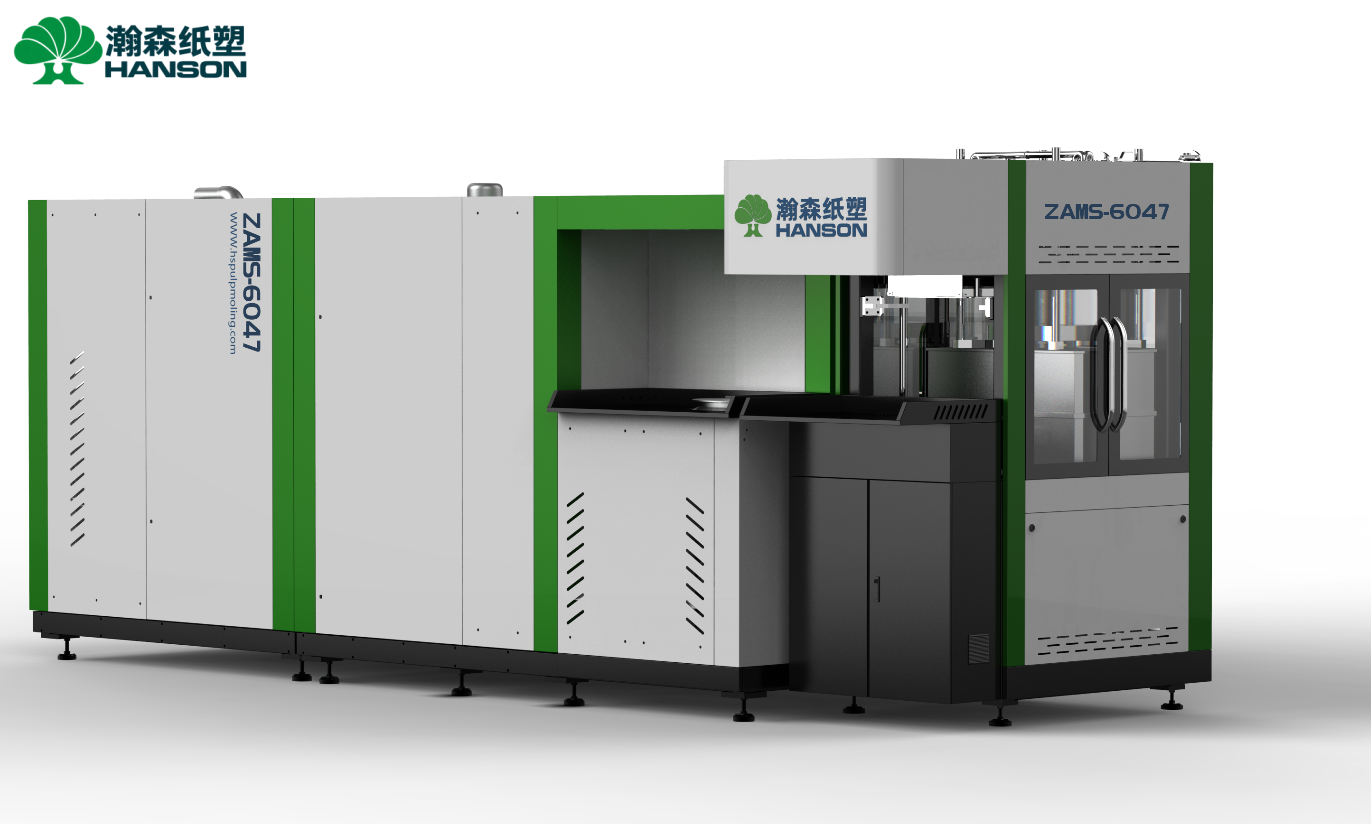
For instance, the Hanson Pulp Molding ZAMS-6047 is specifically engineered for product development, prototyping, and process validation. It allows engineers to optimize forming parameters and test different fiber formulas cost-effectively. Once the process is perfected on the ZAMS-6047, those optimized parameters can be confidently transferred to a large-scale pulp molding production line.
Mistake 3: Relying Solely on 3D Drawings for Commercial Mold Manufacturing
Some manufacturers assume that a perfect 3D CAD model is all they need to CNC machine a 30-cavity commercial pulp molding mold and start production immediately.
In reality, molded fiber products undergo shrinkage and deformation during the wet preform transfer, hot pressing, and drying stages. A 3D drawing does not account for how water will drain through specific mesh configurations or how a particular draft angle will affect demolding when the fiber is wet.
If you manufacture a multi-cavity commercial mold without physical testing, any required modifications will be extremely expensive and time-consuming. An experienced manufacturer will use a prototyping machine to test a single-cavity mold first. This allows for adjustments in mesh layout, draft angles, and structural ribs. Hanson Pulp Molding emphasizes this synergy between tooling, equipment, and process—ensuring the mold design is validated through actual prototyping before scaling up.
FAQ
Can I use a commercial pulp molding machine for prototyping new products? While technically possible, it is not economically practical. Commercial lines are built for continuous operation. Stopping a large line to change molds frequently, test new pulp formulas, and adjust parameters results in significant material waste and lost production time. A dedicated prototyping machine is far more efficient for R&D.
What is the primary function of the Hanson Pulp Molding ZAMS-6047? The ZAMS-6047 is a specialized machine for new product development, sample making, material testing, and process validation. It helps manufacturers secure the correct production parameters and validate mold designs before investing in large-scale commercial equipment.
Why is process validation necessary for new pulp materials? Different fibers have varying lengths, strengths, and drainage properties. Validating the process allows you to determine the correct slurry consistency, forming time, and hot-pressing temperature required to achieve the desired product strength and surface quality without costly trial-and-error on a mass production line.
Conclusion
A highly efficient pulp molding production line relies entirely on the groundwork laid during the R&D and prototyping phase. For custom and innovative molded fiber projects, prototyping is not just about making a physical sample; it is a critical risk-management tool for material and process validation. By first confirming how to make the product stably, you can then configure the commercial line to dictate how many to make—ensuring a smoother transition to stable mass production.
If your project is still in the concept, 3D design, or material testing phase, we recommend starting with prototyping and process validation before evaluating large-scale equipment. You can share your product drawings, samples, or material requirements with us. Hanson Pulp Molding can evaluate your project from product development and tooling design to process validation using the ZAMS-6047 prototyping equipment.
WhatsApp: +86 15920604830 Email: linchuangcheng@hspulpmolding.com