When drafting a pulp molding mold purchasing contract, vague definitions of trial conditions, sample standards, and troubleshooting responsibilities often lead to severe disputes during final delivery. A professional purchasing contract must establish clear acceptance boundaries from the initial 3D drawing approval and sample mold to the final mass production mold. To secure your investment and ensure smooth mass production, the following clauses must be explicitly defined in your contract.
1. Defining “Sample Mold” and 3D Drawing Standards
The grammage, thickness, and demoulding angle of a molded pulp product directly dictate the tooling structure. In the contract, the buyer and the mold manufacturer must agree on which version of the 3D drawing serves as the ultimate standard for acceptance.
-
Data Freeze Clause: Specify that once the 3D drawings are signed and approved, any modifications to the cavity dimensions, product shape, or wall thickness require a formal engineering change request, which will trigger a recalculation of lead times and costs.
-
Physical Verification Basis: For the sample mold phase, clearly state the acceptable grammage tolerance. Because molded pulp products shrink after drying, the contract must clarify whether dimensional inspections are conducted on the wet mold (immediately after forming) or on the fully dried final product.
2. Specifying Trial Conditions and Machine Compatibility
The success of a trial run relies heavily on the molding machinery and process parameters. Many acceptance disputes arise when the trial environment in the tooling factory differs fundamentally from the buyer’s mass production setup.
-
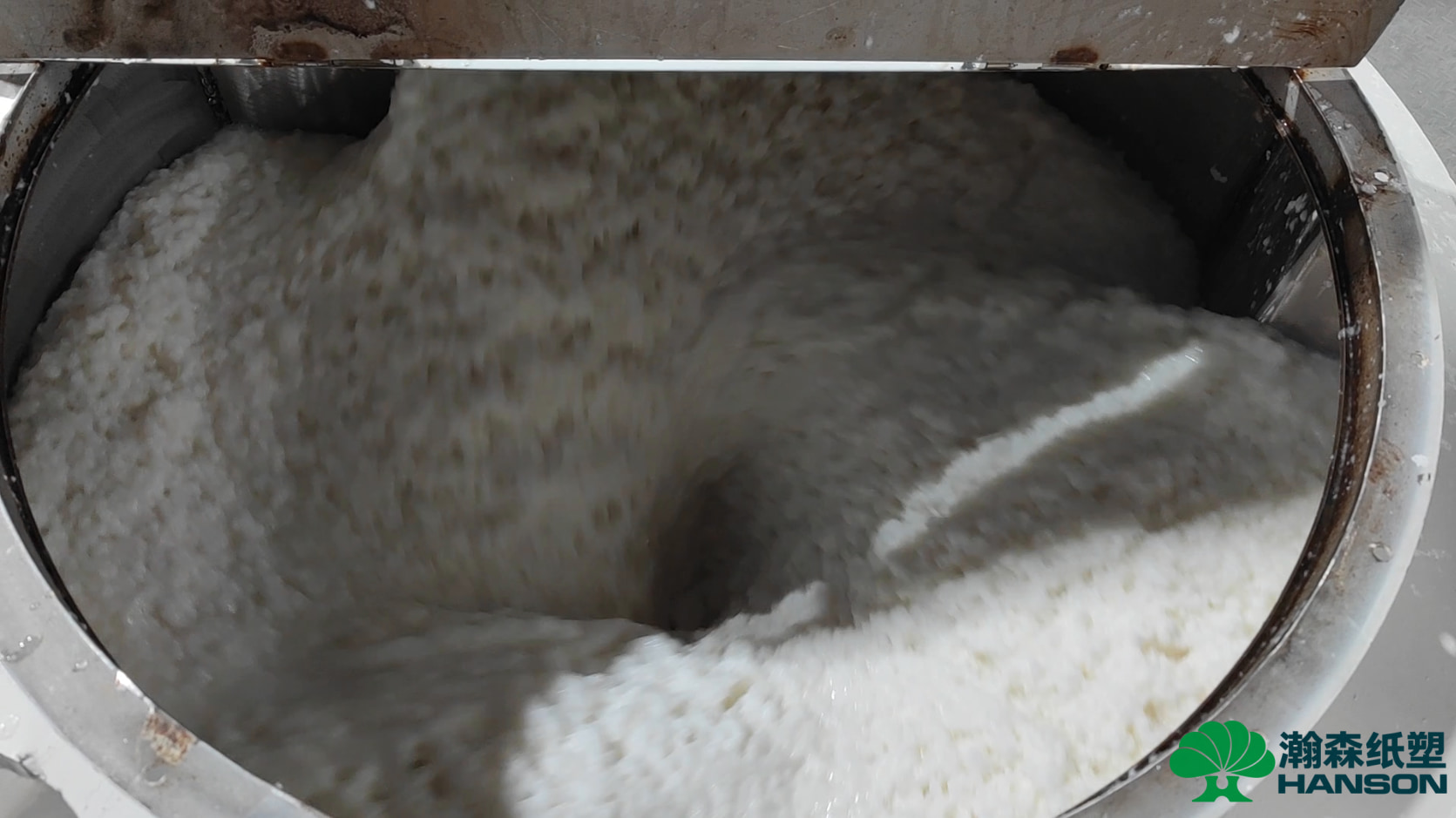
Pulp and Slurry Parameters: Mandate the exact type of pulp (e.g., recycled pulp, bagasse, kraft pulp) and slurry concentration to be used during the trial. Different fibers have distinct drainage properties, drastically affecting the suction mold’s performance.
-
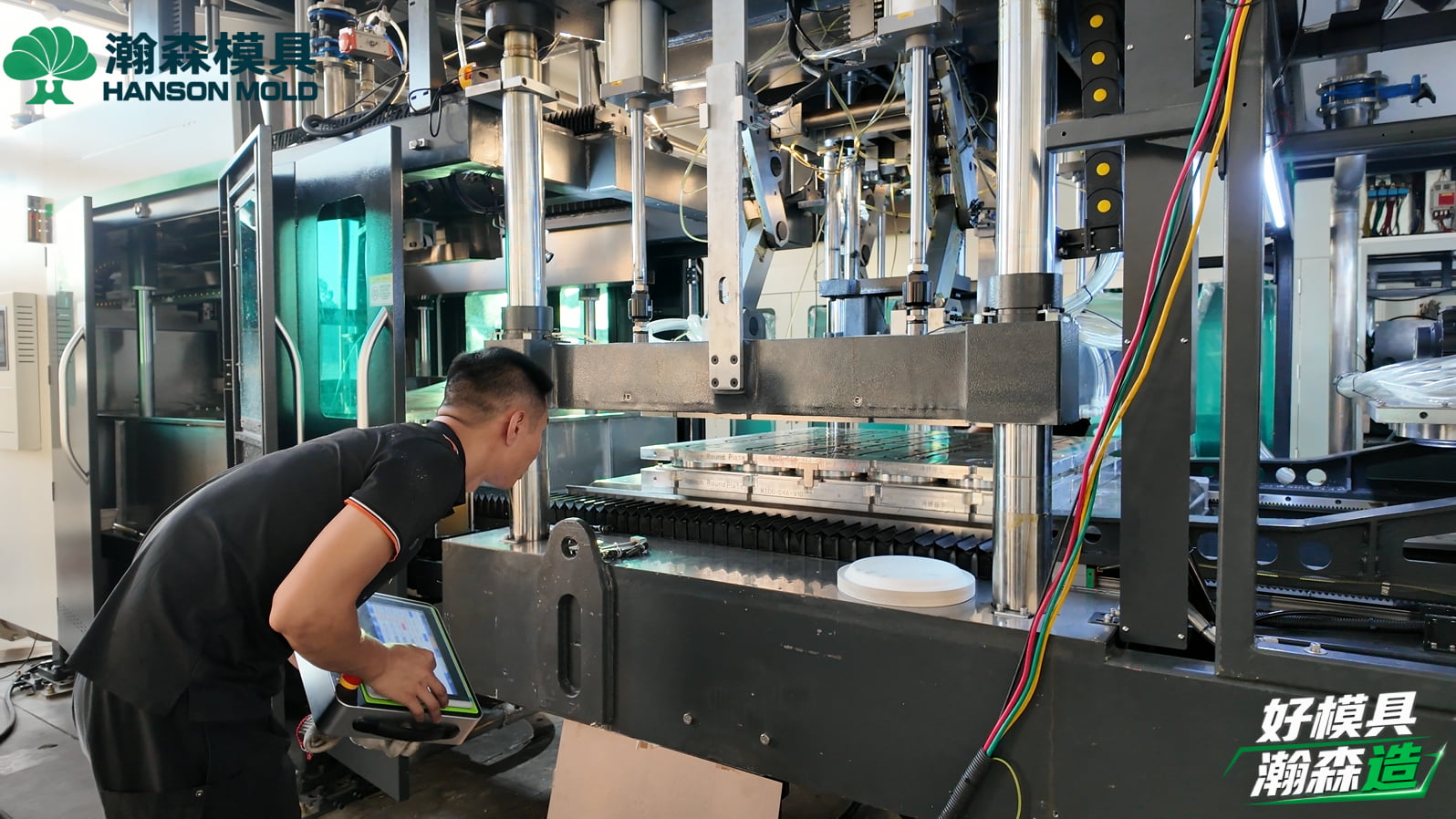
Equipment Matching Clarification: The contract should delineate the service path based on equipment compatibility. For a “New Mold + Hanson Equipment” scenario, the process covers product development, complete tooling service, in-house trial verification, and mass production support. For a “New Mold + Non-Hanson Equipment” setup, the path includes product development, complete tooling service, and on-site mass production support. Do not assume the mold manufacturer has an exact 1:1 replica of non-standard machinery for in-house trials; stipulate that final trial acceptance is based on on-site validation at the buyer’s facility.
3. Tooling Quality, Cavity Precision, and Acceptance Limits
The manufacturing precision of the tooling dictates its life span and yield rate. The contract should list a strict quality checklist upon delivery.
-
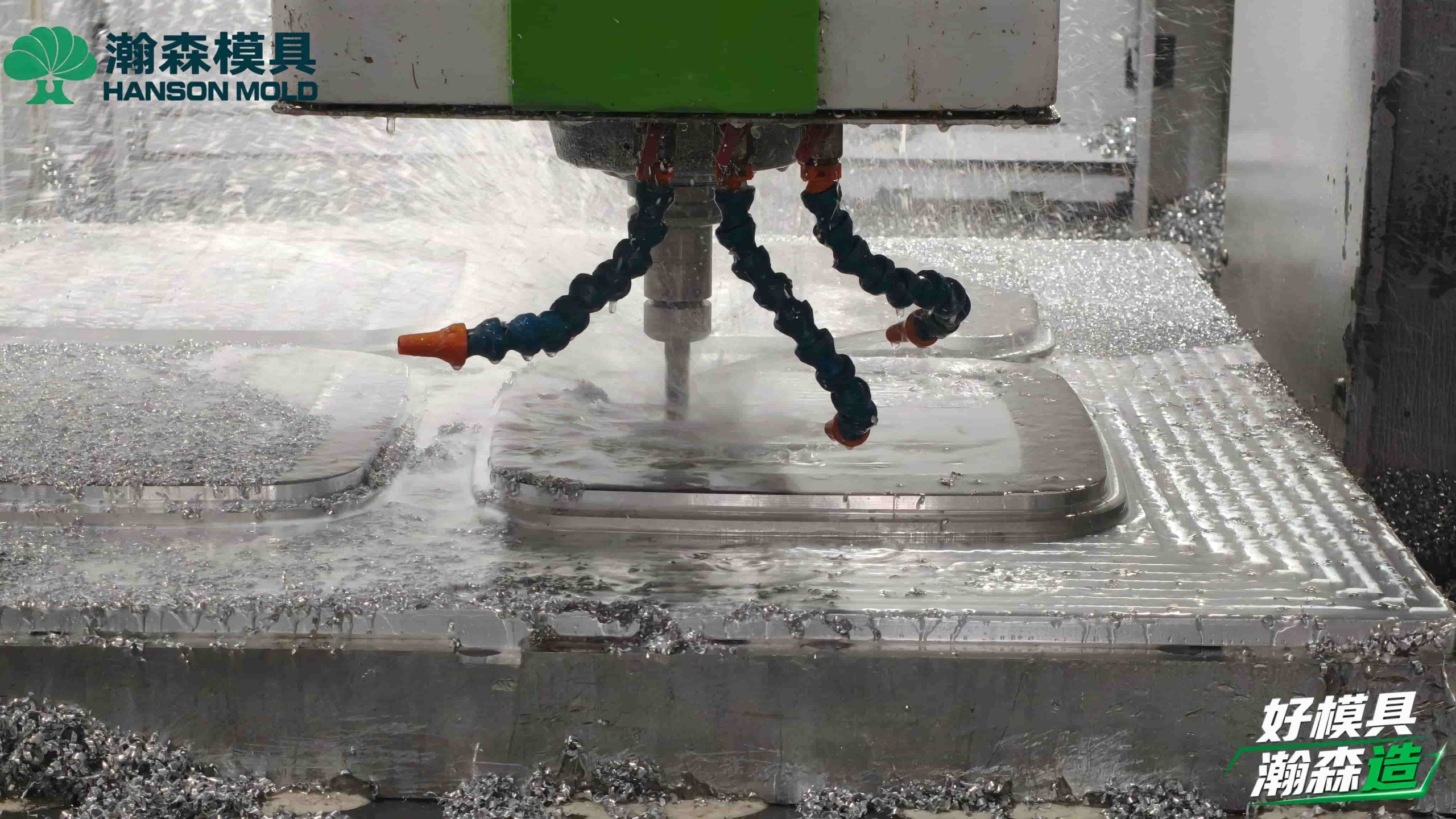
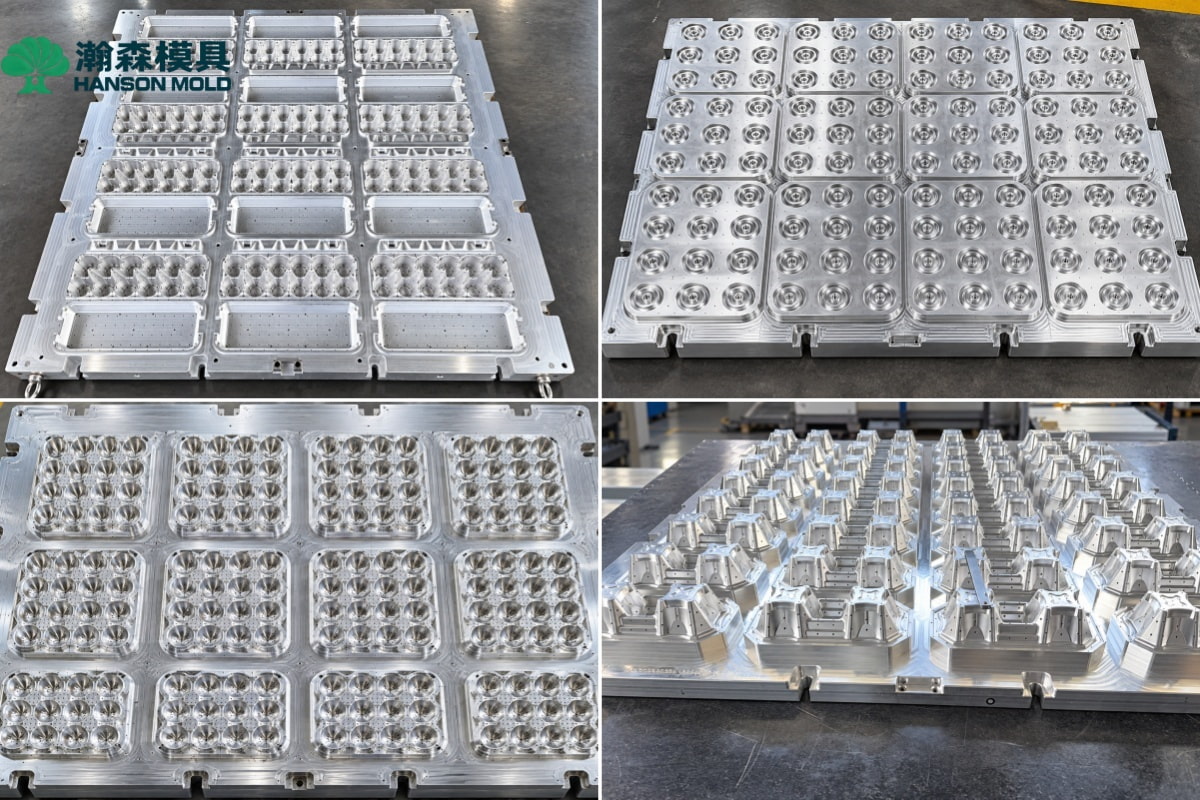
Machining and Assembly Precision: Require the tooling manufacturer to provide inspection records for core processes. For example, high-speed CNC machining (up to 24,000 RPM) ensures optimal cavity surface finish and dimensional accuracy. Combined with 3D scanning reports, this guarantees that the mold clearance meets the drawing tolerances before shipping.
-
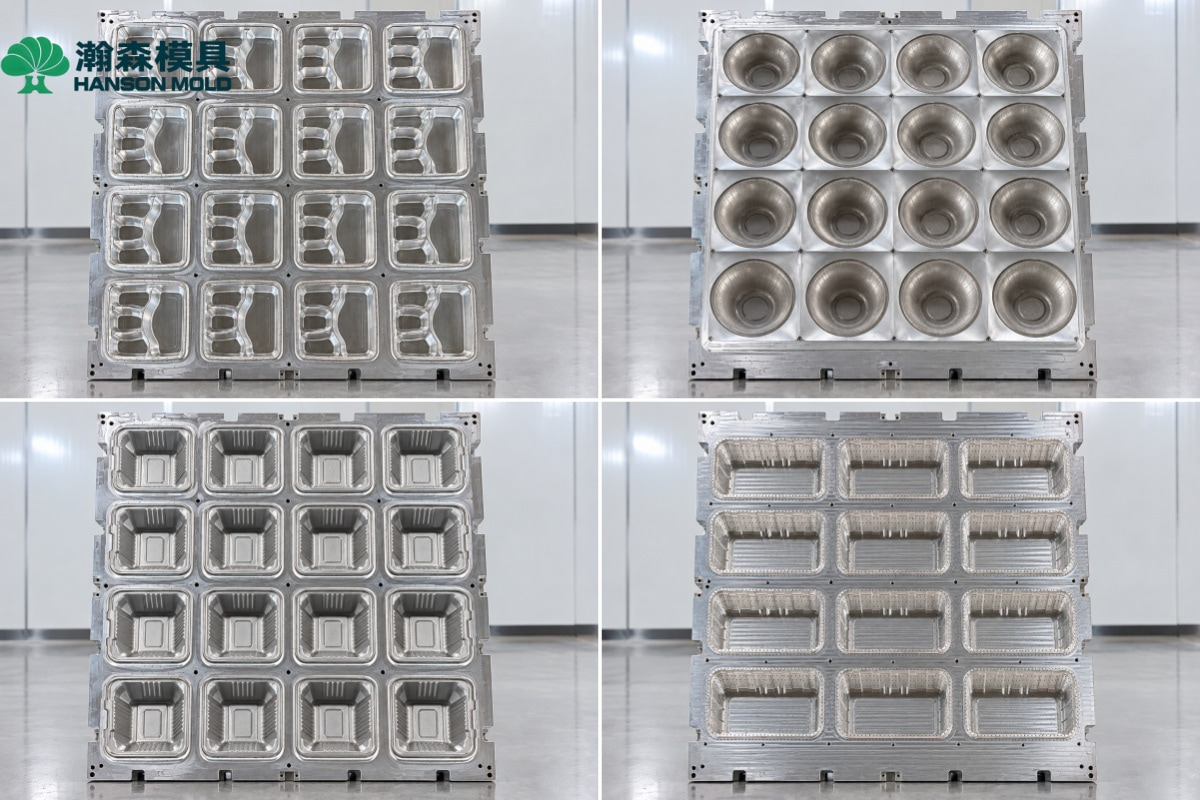
Delivery Bill of Materials: The contract must detail all components included in the tooling set, such as the suction mold, transferring mold, hot-pressing mold, and forming mold holder. It should also verify the wire mesh quality (smoothness and lack of damage) and specify if spare stainless steel mesh or clamp screws are provided.
4. Design Modifications and Troubleshooting Boundaries
This is the most critical clause to prevent blame-shifting. If defects occur during production, they cannot all be instantly attributed to the tooling. The contract must set troubleshooting priorities and liability boundaries.
-
Defect Attribution Principles: State clearly that issues like short shots, deformation, poor demoulding property (sticking), or burrs require systematic isolation. Sticking might be caused by an incorrect release agent ratio or low hot-pressing temperatures; burrs could stem from uncleaned scrap during punching or improper mold clearance adjustments.
-
On-Site Commissioning Duties: Outline the mold manufacturer’s technical support obligations once the tooling arrives on-site. However, emphasize that adjusting non-tooling factors—such as pulp refining, vacuum pressure, or gas storage tank pressure—must be managed collaboratively with the buyer’s production supervisor.
5. Hanson Pulp Molding: Engineered for Stable Production
The best way to mitigate purchasing risks is to partner with a mold manufacturer that profoundly understands the synergy between tooling, processes, and equipment. Hanson Pulp Molding operates an independent tooling division, backed by 10 senior designers, and has manufactured 500 pulp molding molds to date. We rigorously control every step of our 12-stage manufacturing process, from rough machining and stress relief to fine CNC machining and final assembly. Whether you need a mass production mold to scale up operations or want to optimize and retrofit old molds, Hanson provides on-site support that truly understands the process, the machinery, and the tooling.
FAQ
-
What if the trial pulp differs from the pulp used in mass production? If you use bagasse for the sample mold but switch to recycled pulp for mass production, the shrinkage and drainage rates will change, potentially causing dimensional errors or unstable grammage. The contract should state that fundamental changes in pulp material require corresponding tooling adjustments, and any associated modification costs must be renegotiated.
-
Is sticking or a rough product surface always a tooling defect? Not necessarily. Poor demoulding properties or rough surfaces require comprehensive troubleshooting. First, verify the release agent ratio, hot-pressing mold temperature, and the vacuum system. Only after confirming process parameters are stable should you inspect the tooling surface finish or wire mesh smoothness. The contract should require joint on-site verification.
-
How is the tooling accepted if we use non-Hanson equipment? For non-Hanson equipment, our service path is “Product Development → Complete Tooling Service → Mass Production Support.” Factory acceptance is typically based on 3D scanning reports and dimensional checks prior to shipping. Once delivered, Hanson provides installation guidance and troubleshooting advice, with final acceptance confirmed when the tools run successfully on your on-site machinery.
CTA Are your molded pulp tooling purchase contracts missing critical acceptance clauses? Need expert assistance evaluating your next mold design or diagnosing an old mold? Contact the Hanson Pulp Molding team for comprehensive tooling evaluation and on-site support. (International contact to be confirmed)