
Molded Pulp Cup Lid Tooling: Why Dimensional Consistency Outweighs Single-Piece Appearance
When evaluating prototyping results for molded pulp cup lids, many product developers fall into a common trap: obsessing over the smooth surface finish of a single prototype while ignoring dimensional consistency across a multi-cavity layout. Due to the natural characteristics of fiber and thermoforming tolerances, molded pulp cannot promise the absolute liquid-tight seal of injection-molded plastics. Therefore, the true measure of successful molded fiber tooling is whether it can maintain precise snap-fit dimensions and a stable stacking pitch during high-speed, continuous mass production.
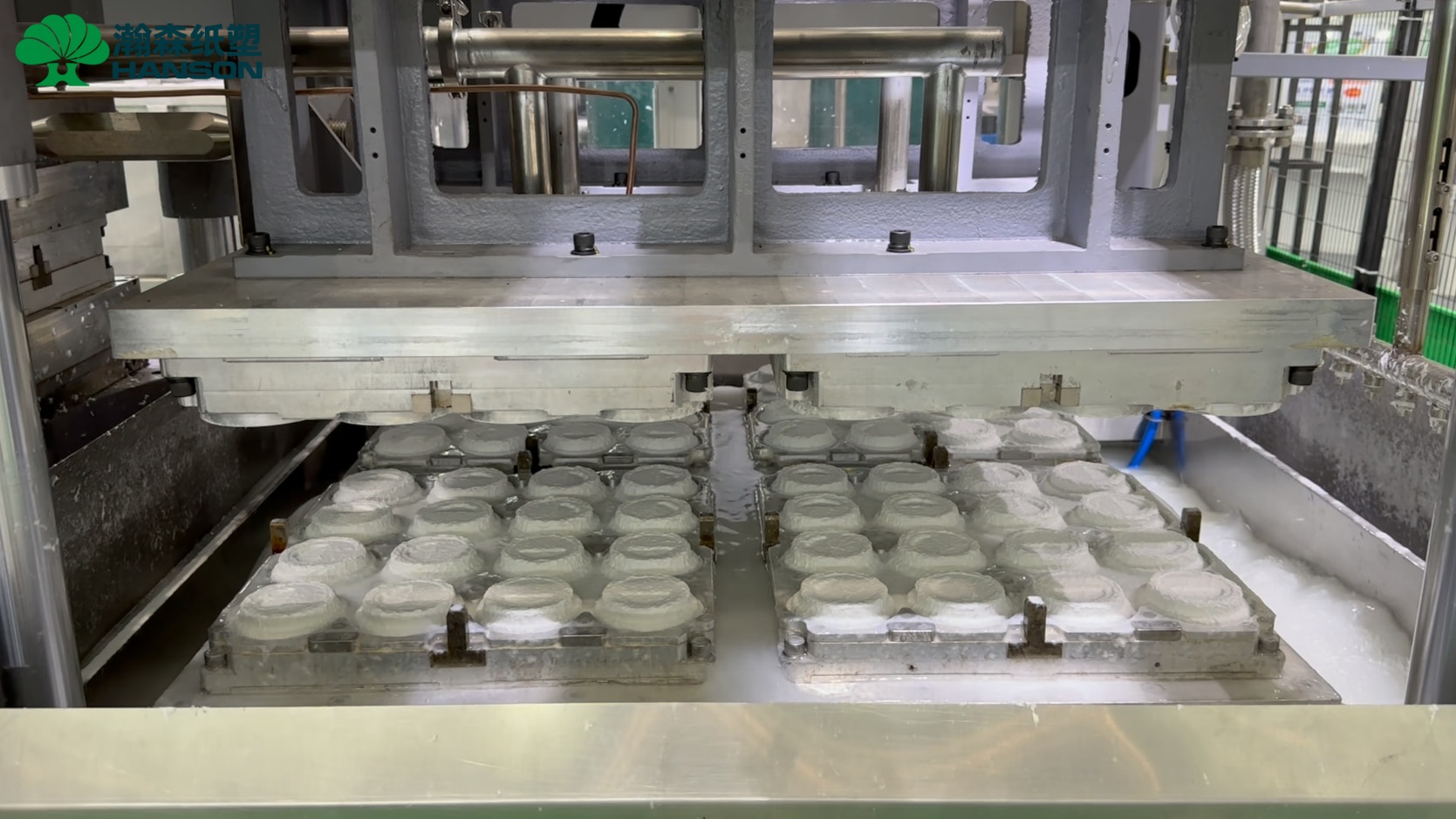
The Real Goal in Cup Lid Tooling: Fit, Stacking, and Continuous Operation
The primary functions of a cup lid are to grip the cup securely and to be easily separated from a stack. A visually perfect single sample can easily be achieved in a lab environment with prolonged hot pressing and slow cycles, but this means nothing on a production line. Poor dimensional consistency across tooling cavities will result in a batch where some lids leak and fall off, while others cannot fit over the cup rim at all.
Excellent molded pulp cup lid molds must account for thermal expansion, pulp shrinkage rates, and CNC machining precision from the very beginning of the mold design phase. High-speed CNC machining (with spindle speeds up to 24,000 rpm) ensures that every cavity delivers uniform edge structures cycle after cycle.
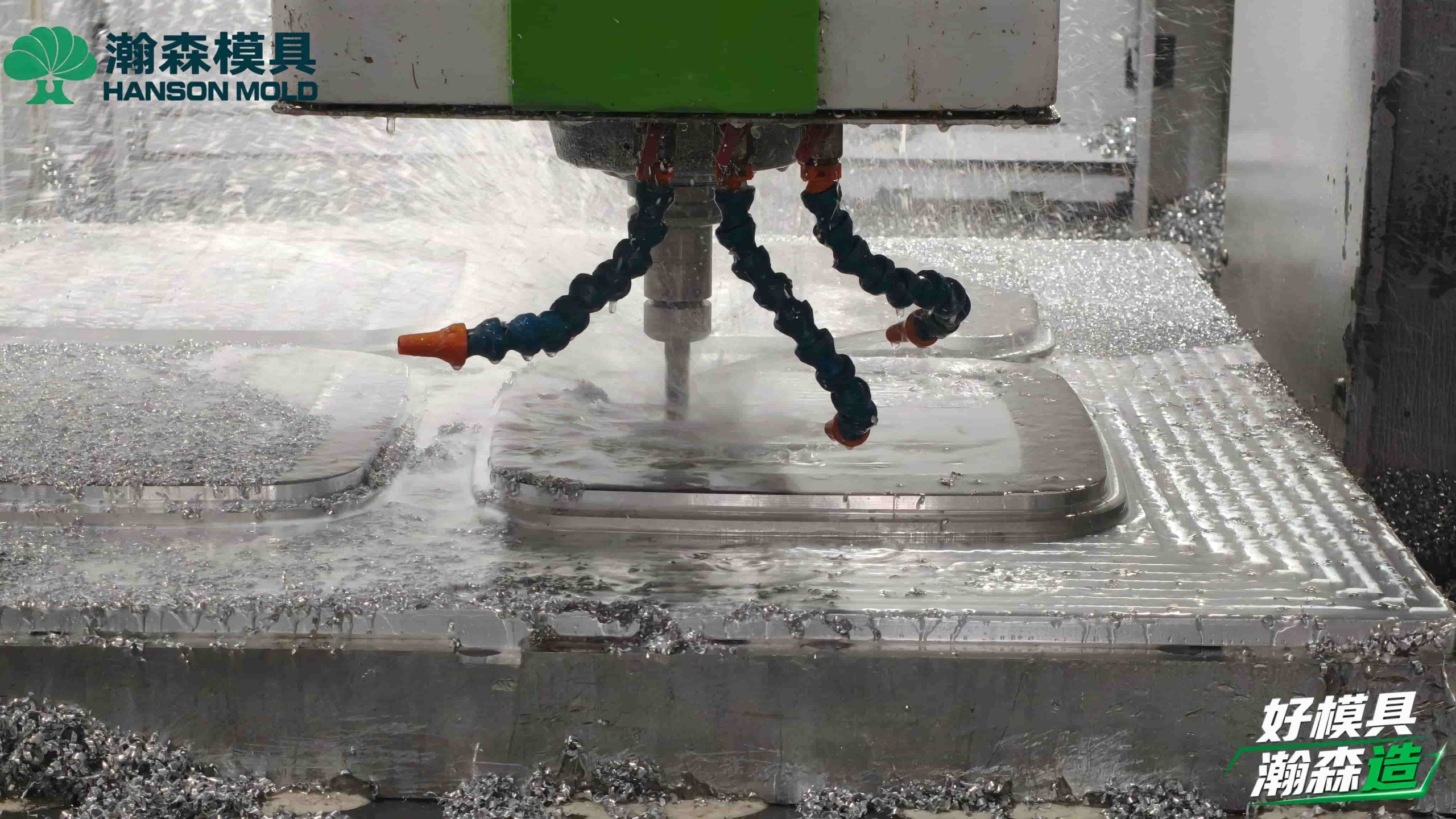
3 Tooling Variables That Dictate Dimensional Consistency
1. Edge Trimming and Undercut Precision
The undercut (snap-fit) is the critical feature for spill resistance. Because molded fiber has much less elasticity than plastic, the demolding process can easily damage the undercut if not designed correctly. The tooling design must precisely calculate the undercut depth and demolding angle. Combined with accurate trimming tolerances (whether in-mold or post-press punch cutting), this ensures the edge remains clean, burr-free, and retains its gripping force even after tens of thousands of cycles.
2. Draft Angles and De-nesting Pitch
End-users (like baristas) need to quickly pull a single lid from a tightly packed sleeve. If the tooling’s draft angle is insufficient or if minor dimensional deviations exist among different cavities, the lids will suffer from “locking” or “vacuum sticking” when stacked. Tooling must incorporate precise stacking lugs and consistent draft angles to guarantee a smooth de-nesting experience in real-world scenarios.
3. Thermal Stability During High-Speed Thermoforming
Cup lids are typically produced using wet-pressing/thermoforming processes, subjecting the molds to continuous high temperatures and pressure. If the mold material is subpar or if residual stresses are not properly released during manufacturing, micro-thermal deformations will occur. This misalignment between the upper and lower molds causes uneven wall thickness and out-of-tolerance dimensions. Proper stress relief of the mold blanks followed by ultra-precise finishing is mandatory.
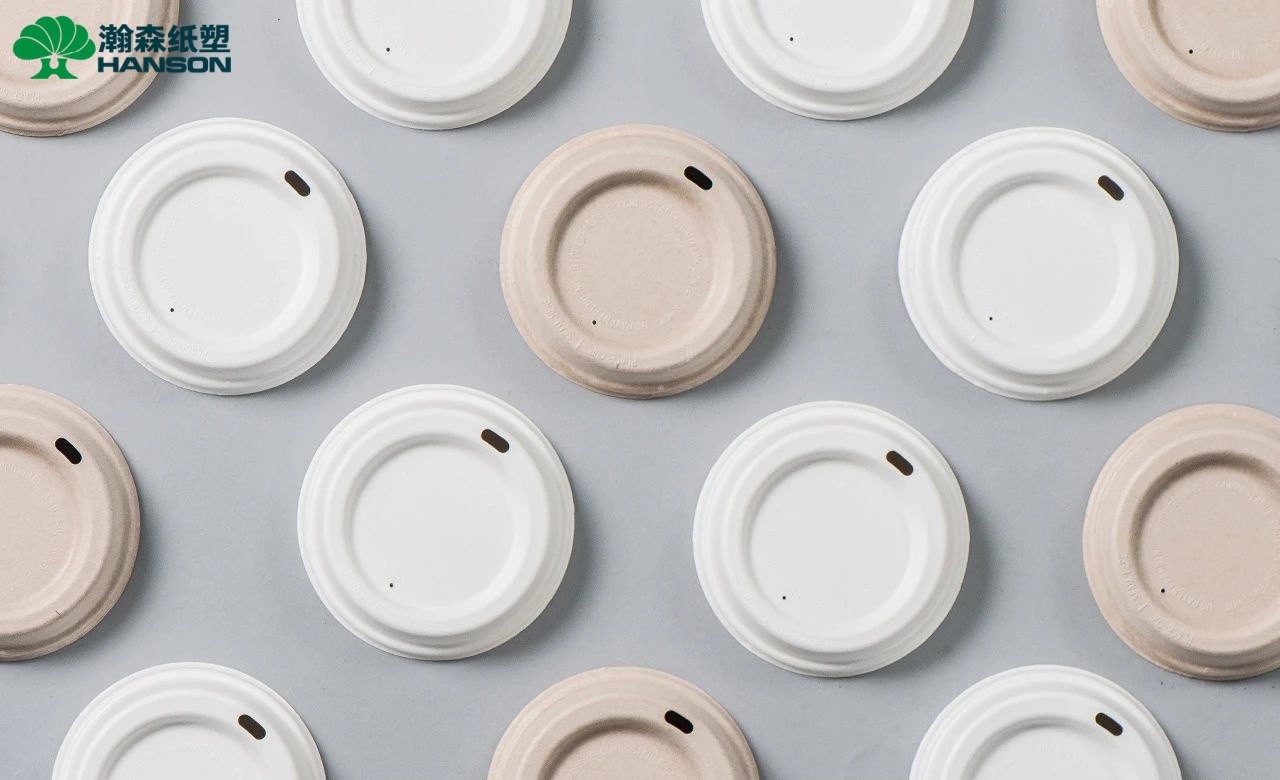
Pre-Tooling Checklist for Molded Pulp Cup Lids
Before initiating tooling design and prototyping for cup lids, ensure the following preconditions are verified:
-
Physical Cup Dimensions and Tolerances: Actual physical samples of the cups must be provided, as the rolled rim outer diameters vary significantly between manufacturers.
-
Pulp Recipe and Shrinkage Rate: Bagasse and wood pulp have different shrinkage behaviors. The pulp mixture ratio must be locked in before mold fabrication.
-
Machinery Matching: If your new tooling will run on Hanson equipment, we provide a closed-loop service from development to full in-house tooling tryout and mass production verification. For non-Hanson equipment, we deliver high-precision tooling (verified by 3D scanning) and offer on-site production support, while actual tryouts will be conducted and adjusted on your specific local machines.
Hanson Pulp Molding: Integrating Process, Machinery, and Tooling
With a dedicated tooling division and having manufactured 500 pulp molding molds to date, Hanson Pulp Molding understands that a mold is not just a block of metal—it is the operational core connecting pulp, machinery, and process. Supported by 10 senior designers and rigorous 3D scanning inspections, we ensure every step—from CNC machining to assembly—meets the rigorous demands of stable, high-yield mass production for molded fiber cup lids.
B3 English Additional Information
-
English FAQs
-
Why can’t molded pulp cup lids guarantee 100% leak-proof sealing like plastic lids? Molded pulp fiber inherently contains micro-pores and experiences unavoidable minor shrinkage variations during thermoforming. While high-precision CNC tooling minimizes the gap for an excellent spill-resistant snap-fit, it cannot physically replicate the absolute airtight and watertight sealing characteristics of injection-molded plastics.
-
If cup lids keep sticking together in a stack, what is wrong with the tooling? Sticking usually points to an issue with the draft angle or the design of the stacking lugs in the mold. If machining inaccuracies enlarge localized dimensions, or if the draft angle is too shallow, a vacuum effect or physical friction lock occurs when the lids are nested.
-
Can Hanson manufacture cup lid molds for non-Hanson thermoforming machines? Yes. Our independent tooling division serves various equipment platforms. We handle the design, manufacturing, and 3D scanning inspection in-house. Upon delivery, we provide on-site engineering support to help you optimize the process parameters and try out the molds directly on your existing machinery.
-
-
CTA: Experiencing dimensional inconsistencies or loose fits in your molded fiber cup lids? Contact Hanson Pulp Molding for expert tooling evaluation, legacy mold diagnostics, and tailored tooling solutions. [International contact to be confirmed]