When companies enter the molded fiber industry or plan to manufacture completely new packaging structures, a common mistake is rushing to purchase large-scale commercial machines based solely on 3D drawings. However, for products utilizing new pulp materials, complex geometries, or unique structural designs, jumping straight into mass production equipment introduces significant financial and technical risks.
The most reliable technical route for new product development is to establish a prototyping line first, complete small-batch trial runs, validate the process, and then configure the mass production line.
But how should you evaluate pulp molding equipment intended for research and development (R&D)? The criteria for a prototyping machine are completely different from those for a mass production line. While commercial lines prioritize daily capacity and energy consumption, prototyping equipment is evaluated based on its flexibility, process adaptability, and mold verification capabilities.
Key Parameters to Consider for Prototyping Pulp Molding Equipment
1. Material and Formula Adaptability
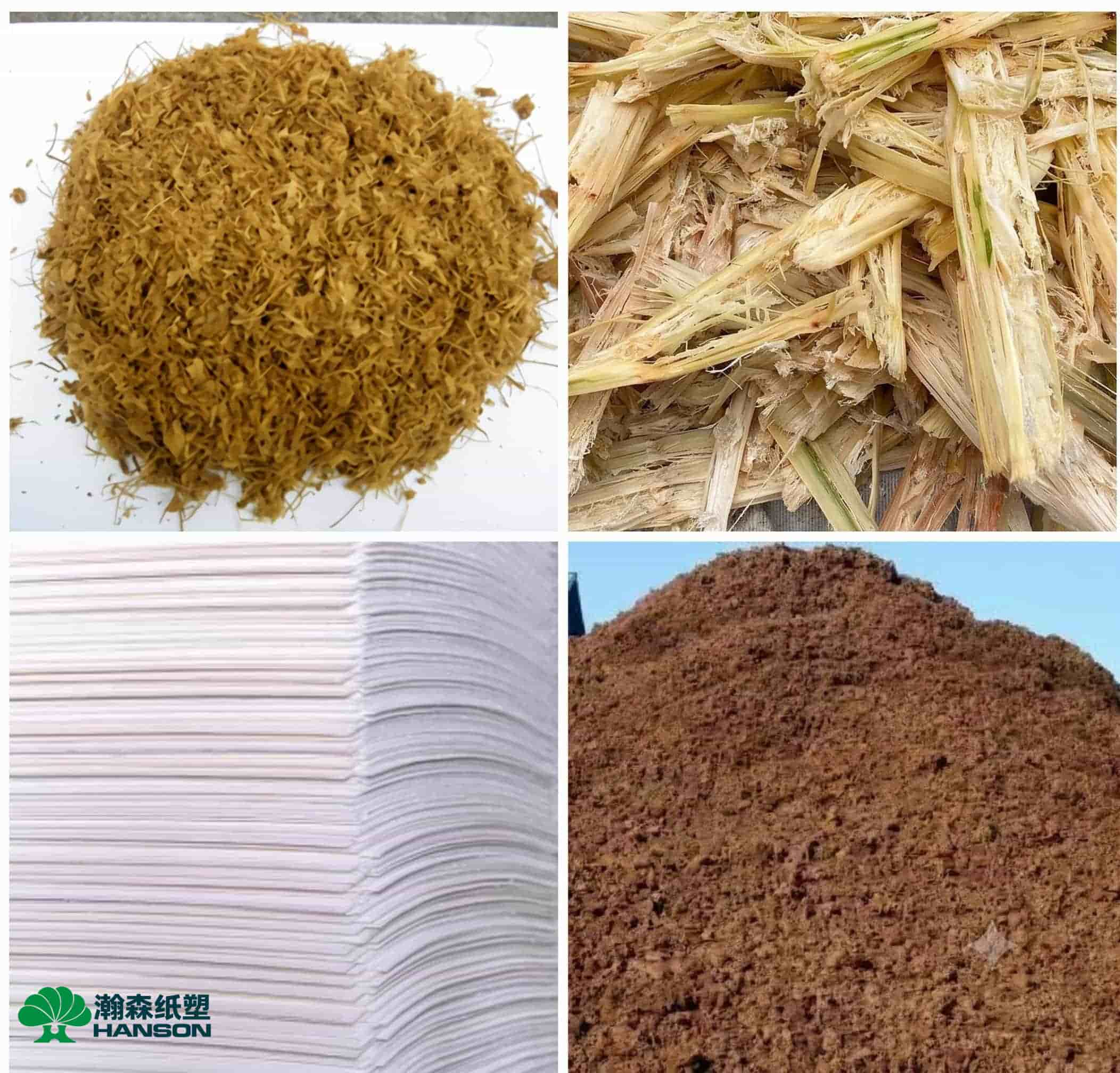
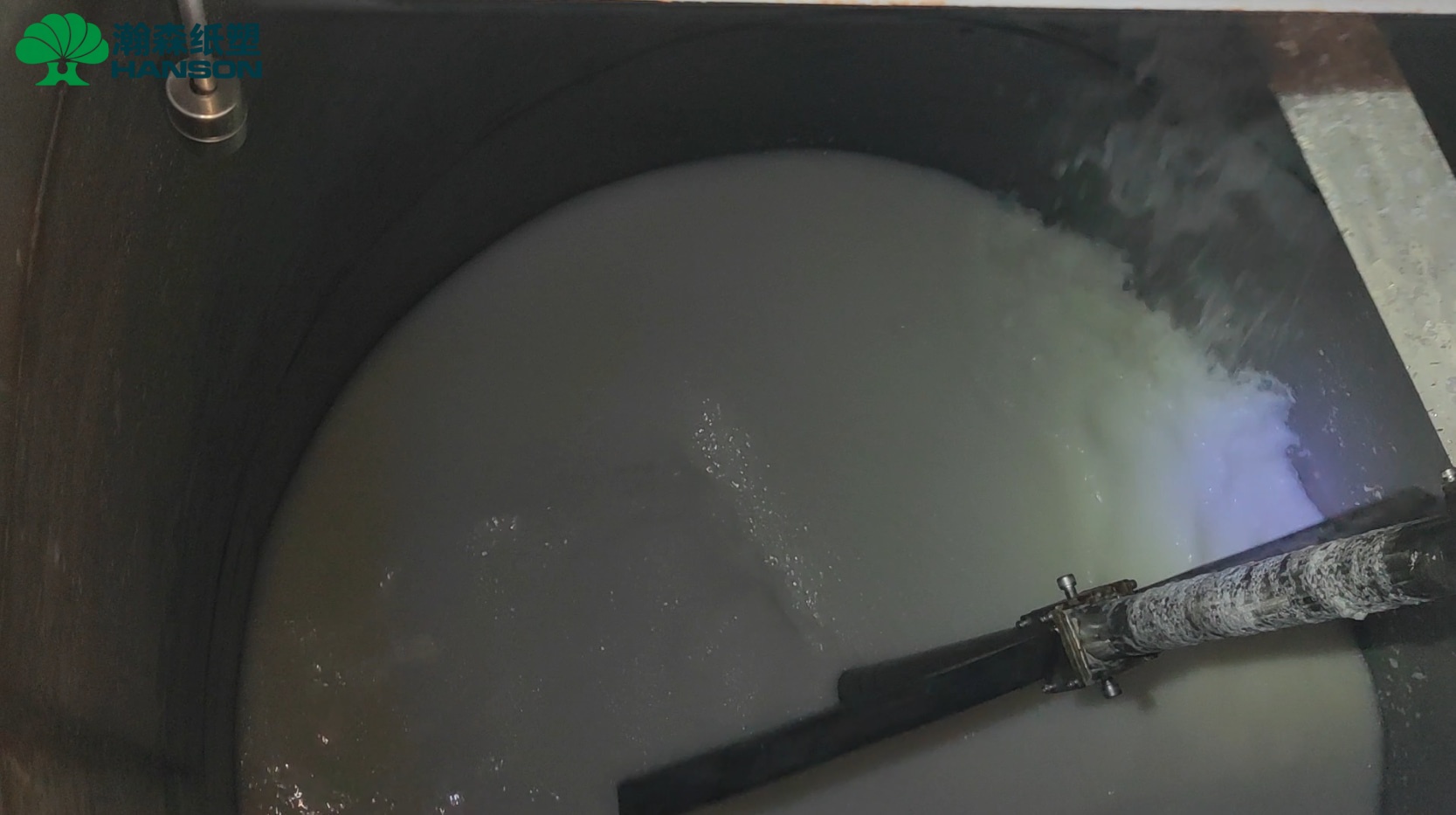
The primary mission of a prototyping line is often to test new raw materials—whether it’s bagasse, bamboo pulp, wood pulp, or specific chemical additives for barrier properties. Therefore, the prototyping equipment and its micro-pulping system must offer high formulation flexibility. Engineers need to adjust vacuum pressure and forming times to analyze how different pulp consistencies behave, ensuring the equipment can accurately capture the optimal furnish parameters.

2. Mold Design and Dewatering Validation
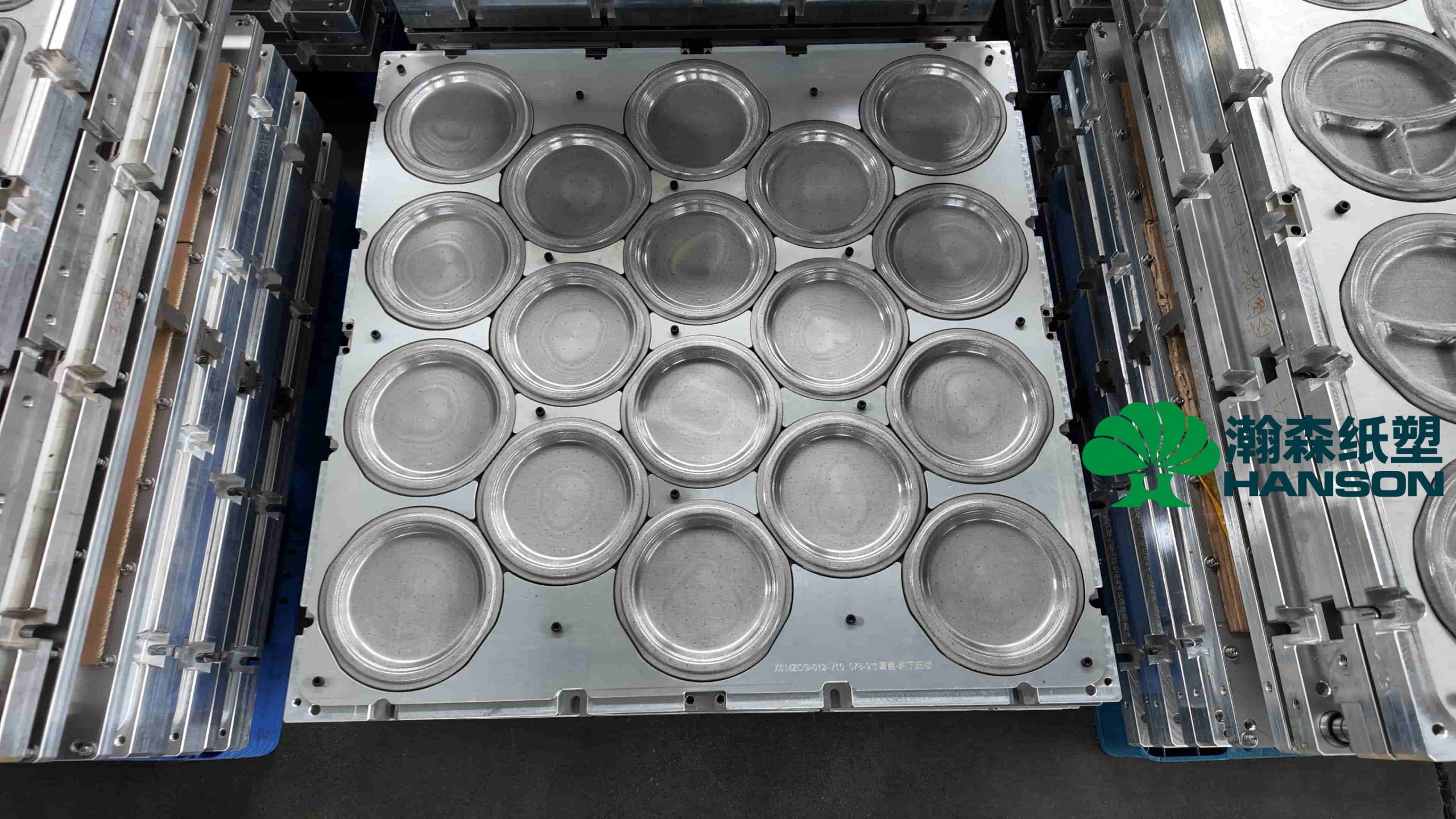
The dewatering difficulty of a new product (especially deep-cavity designs, precise electronics inserts, or complex uneven surfaces) cannot be fully predicted by 3D software. Prototyping pulp molding equipment must allow for quick and easy tooling changes. This enables operators to test whether the mesh design drains efficiently, if the draft angles are sufficient to prevent tearing, and if the product maintains uniform thickness. Identifying tooling flaws during the prototyping phase drastically reduces mold modification costs during mass production.
3. Process Parameter Flexibility
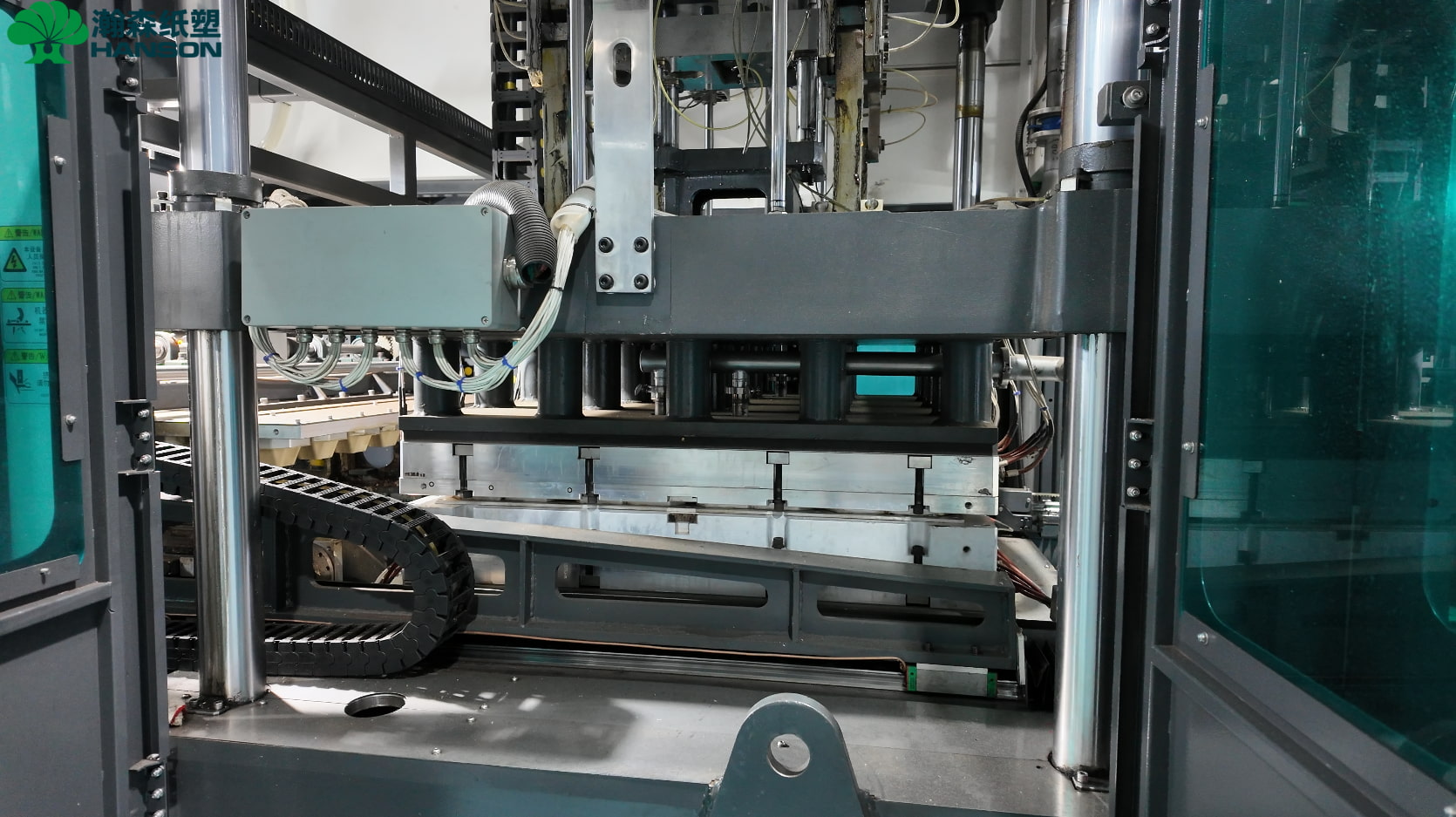
The hot pressing stage dictates the final surface quality, dimensional accuracy, and structural integrity of the molded fiber product. When configuring an R&D machine, the hot press station must provide precise and wide-ranging control over temperature, pressure, and pressing time. Technicians rely on this flexibility to run multiple tests, finding the critical balance between preventing product warpage and achieving shorter cycle times for future manufacturing.
4. Smooth Transition to Commercial Production
The ultimate goal of prototyping is to provide a reliable data foundation for mass production. A high-quality prototyping machine must share the same foundational forming and pressing logic as large-scale industrial equipment. If the prototyping process is entirely disconnected from commercial mechanics, the parameters validated in the lab will be useless when scaled up.
Hanson Pulp Molding ZAMS-6047: Built for R&D and Prototyping
As a turnkey specialist in pulp molding solutions, Hanson Pulp Molding integrates “6+1 Product Development” at the very beginning of its turnkey service model.
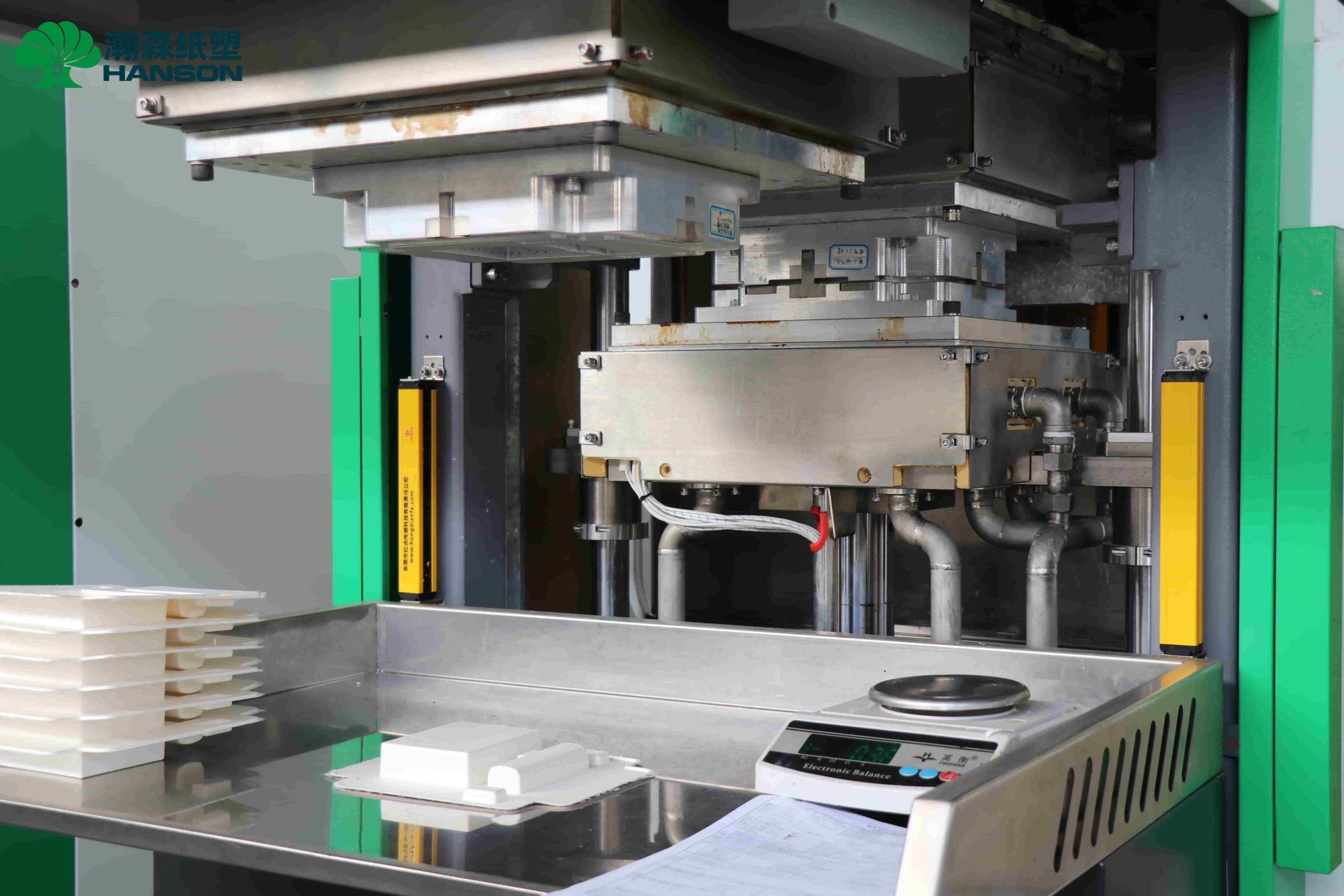
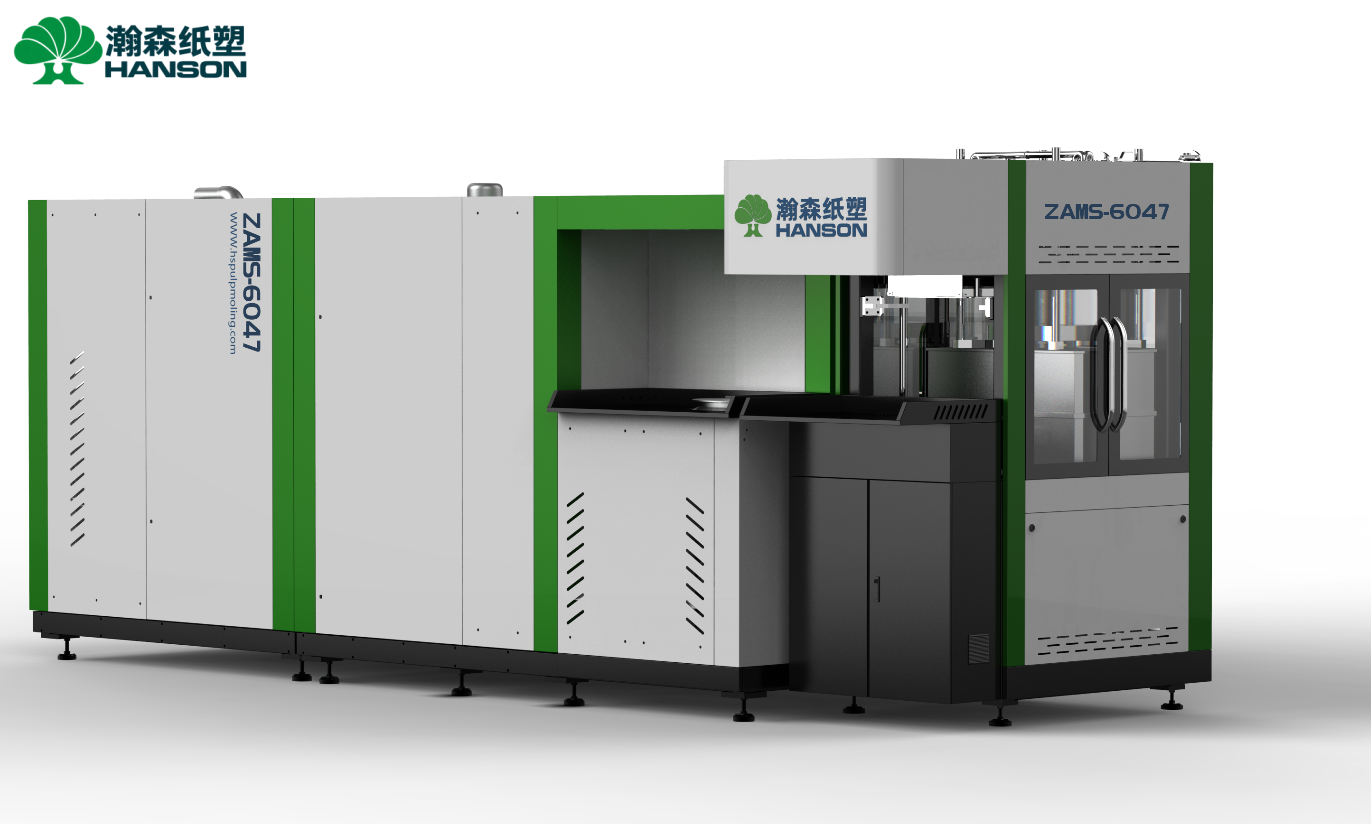
For companies focusing on new product innovation, material testing, and process validation, Hanson offers the ZAMS-6047 Pulp Molding Prototyping Machine. The core value of the ZAMS-6047 is not to maximize daily output, but to serve as a high-precision testing platform. By utilizing this prototyping equipment, manufacturers can verify product structures, test the forming characteristics of specialized pulp, and lock in the exact tooling and hot-pressing parameters before committing to a full-scale commercial production line. This approach minimizes investment risk and ensures consistent product quality from the lab to the factory floor.
FAQ
What is the difference between a prototyping machine and a mass production machine? Mass production equipment is optimized for continuous automation, high daily output, and energy efficiency. Prototyping equipment, such as the Hanson Pulp Molding ZAMS-6047, prioritizes extreme parameter adjustability, quick tooling changes, and the flexibility to test various pulp materials and non-standard processes.
Can we manufacture mass production molds directly from a 3D drawing? It is highly discouraged. A 3D model shows the structural design but cannot simulate how the wet preform will dewater or shrink during hot pressing. Building a prototype tooling set and testing it on a prototyping line is a standard industrial procedure to prevent expensive modifications to commercial molds later on.
Why do new material tests require dedicated prototyping equipment? Different pulp fibers and additives have distinct flow behaviors, binding strengths, and drainage rates. A dedicated prototyping line allows R&D teams to freely adjust pulp consistency and machine parameters without interrupting the main factory’s daily production schedule.
Conclusion
The success of a new molded fiber project relies on verifying the product’s actual manufacturability, not just buying the fastest machine. For new structures and advanced materials, a prototyping line bridges the gap between a design concept and stable mass production. When configuring pulp molding equipment for R&D, prioritize process flexibility and tooling validation over raw capacity. Establishing the right parameters early ensures a much smoother and more profitable scale-up.
If your new molded fiber product is still in the conceptual phase, or if you are testing new pulp materials, jumping straight into large-scale equipment procurement can be risky. You can share your product drawings, samples, or material requirements with us. Hanson Pulp Molding can evaluate the project starting from prototyping, tooling design, and process validation, guiding you safely toward a complete mass production setup.
WhatsApp: +86 15920604830 Email: linchuangcheng@hspulpmolding.com